Yarn-Level Airflow vs Mesh Paneling: Two Different Approaches to Cooling Men's Performance Tops
When a buyer asks for a breathable men's performance top, the answer usually comes back in one of two forms. One is a fabric engineered for airflow at the yarn level, where the knit structure itself decides how much air moves through the cloth. The other is a garment built with mesh paneling, where separate open fabrics are cut and sewn into selected zones of the body.
Both routes get sold under the same word, and they are not the same solution. For private label activewear and custom men's activewear programs, the choice changes seam count, cost structure, visual language, and how the style behaves after repeated washing. This guide compares the two approaches on performance target, construction, cost and sampling risk, so the decision is made during development rather than discovered at the sample review. HUCAI activewear works through that comparison with brands developing men's performance tops.
Quick Answer
Yarn-level airflow and mesh paneling are two different ventilation strategies, not two grades of the same idea. Yarn-level airflow changes the fabric itself: yarn type, knit structure and openness set how much air passes through the whole garment, evenly and without extra seams. Mesh paneling changes the garment: separate open fabrics are cut and sewn into chosen zones, so cooling becomes directional but the style gains panels, seams and a more technical look. Neither route is automatically higher-grade. Yarn-level construction usually suits a cleaner visual language, a single fabric platform and a lower seam count. Mesh paneling usually suits a style that needs stronger cooling in specific zones, accepts a technical aesthetic, and can carry the extra construction steps. The right answer follows the performance goal, the visual direction, the cost position and how many fabrics the order can support.
On This Page
- Two cooling strategies hidden behind one word
- Yarn-level airflow: what changes inside the fabric
- Mesh paneling: what changes in the garment
- Overall airflow vs targeted airflow
- Seam, stretch and visual consequences of paneling
- Where whole-fabric ventilation reaches its limits
- Cost, MOQ and fabric platform implications
- Decision table: which route fits which project
- Decision check before you lock the route
- FAQ for brands developing men's performance tops
Who This Article Is For
- Established performance brands with a confirmed tech pack who are deciding how a new top should achieve its cooling target.
- Growing brands holding reference images and a performance direction, but no locked fabric or construction route.
- Private label buyers comparing two supplier proposals that describe breathability in different ways.
- Product developers who need to brief a factory clearly enough that the sample matches the intended cooling strategy.
What You Can Take From This Guide
- A clear split between fabric-level airflow and garment-level zoning, so a brief stops using one word for two ideas.
- A comparison of how each route behaves on cooling distribution, seam count, stretch compatibility and visual result.
- The cost and MOQ factors that separate the two routes at the order stage, explained in fabric and construction terms.
- A decision table and a decision check you can run before sampling, so the route is chosen before the first round opens.
The guidance below comes from a manufacturing position rather than a retail position. HUCAI activewear handles men's performance top development from fabric and trim sourcing through pattern work, sample rounds and bulk planning, so the trade-offs described here are the ones that decide how a top is actually built.
Two Cooling Strategies Hidden Behind One Word
Breathable is a description of a result, not a description of a method. A top can feel airy because the knit is open, or because open fabric has been inserted into high-heat zones, or because both have been done at once. When a brief only says breathable, the factory has to guess which of those the brand means, and the guess is often wrong.
The practical fix is to describe the cooling strategy separately from the cooling target. The target is what the wearer should feel: less heat build-up during a workout, faster drying, less cling. The strategy is how the garment delivers it, and there are two main routes on the development side.
The first route works at the yarn and knit level. The fabric is built so that air moves through the whole cloth, and the cooling effect is distributed across the garment. The second route works at the garment level. A base fabric carries the structure and coverage, and separate open fabrics are cut into panels and sewn where cooling matters most. The two routes can also be combined, but combining them is a decision with its own cost, and it should be deliberate rather than accidental.
Yarn-Level Airflow: What Changes Inside the Fabric
Yarn-level airflow is decided before a single seam is sewn. It comes from the yarn, the knit structure and the openness of the construction, and it determines how the fabric behaves across its entire surface.
Yarn selection sets the starting point. Filament yarns give a smooth, dense surface, while spun or textured yarns introduce more surface area and a different handfeel. Blends and cross-sections change how moisture moves along the fibre and how quickly the surface dries. None of these choices is automatically cooler than another; each shifts the balance between handfeel, opacity, drying behaviour and cost.
Knit structure is where the airflow is actually engineered. A tighter single jersey keeps opacity and structure but passes less air. An open knit, a mesh knit or a jacquard structure with engineered openings passes more, at the cost of some opacity and some dimensional stability. The variables that matter in the fabric specification are the construction type, the weight, the openness of the stitch, the stretch direction and the recovery after stretching.
Because all of this is set at the fabric stage, the cooling result is uniform. There is no zone that cools more than another, and there is no extra seam. For brands building a clean, minimal or premium-looking top, that evenness is often exactly what the visual direction needs. The trade-off is that a single knit has to satisfy every requirement at once, so a request for high openness, full opacity and strong recovery may not be achievable in one construction.
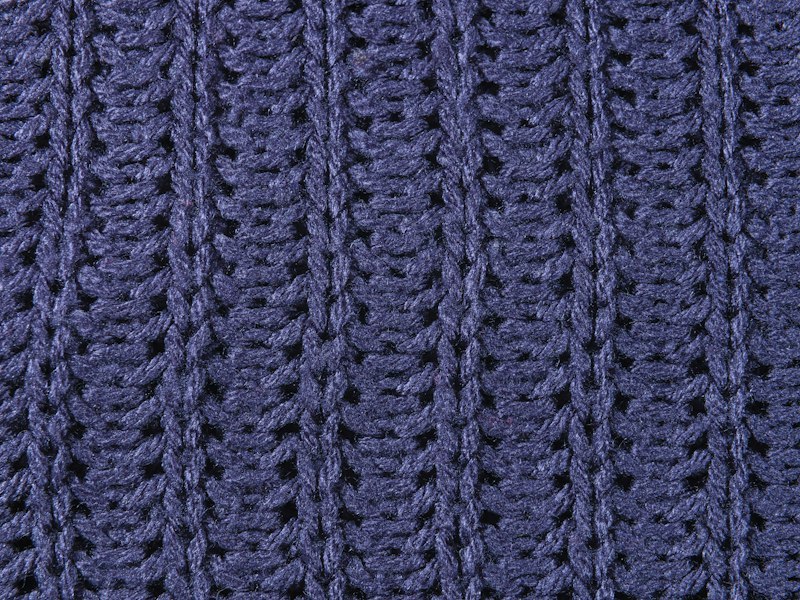
Yarn-level airflow is set by the knit structure itself, so cooling is distributed evenly across the whole garment.
Mesh Paneling: What Changes in the Garment
Mesh paneling moves the decision from the fabric mill to the garment construction. A main body fabric provides coverage, structure and the visual base, and one or more open mesh fabrics are cut to shape and sewn into the garment where additional airflow is wanted.
Panel placement is the defining choice of this route, and it deserves its own brief. Panels are typically positioned where heat accumulates and where movement compresses fabric against the body, and the size and shape of each panel should follow the wearer's movement rather than a purely visual plan. Where exactly those zones sit on a men's performance top is a separate exercise, and it is worth settling before any panel dimension is confirmed.
The mesh fabric itself carries its own specification. Its weight, openness, stretch and recovery need to be compatible with the body fabric, because a panel that stretches differently from the cloth around it will pull, pucker or distort after washing. Panel edges also need a finish, which means either a binding, a folded edge or a seam type that closes the raw edge cleanly without adding bulk.
The result is directional cooling. Airflow is concentrated where the panels sit rather than spread evenly, and the garment gains a more constructed, technical appearance. In return, the style takes on more pattern pieces, more seams and more assembly steps than a single-fabric build.
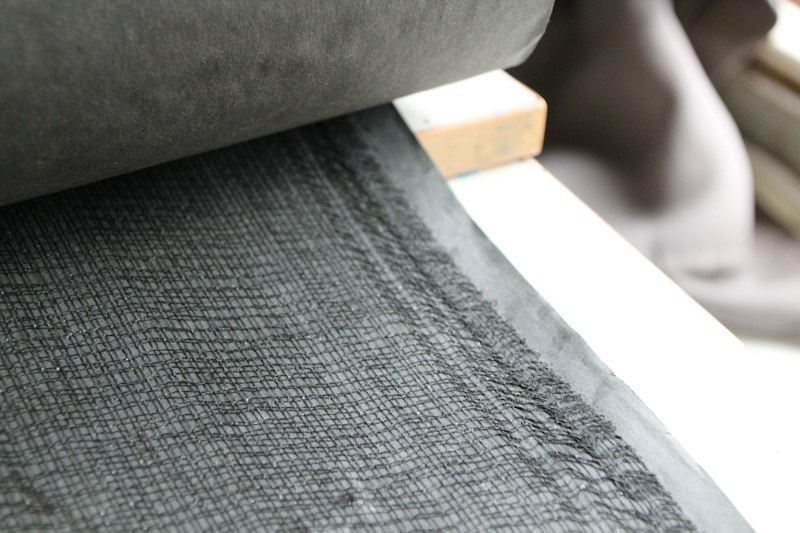
Mesh paneling introduces a second fabric into the garment, so the panel specification must match the body cloth in stretch and recovery.
Overall Airflow vs Targeted Airflow
The clearest way to separate the two routes is by how the cooling is distributed. Yarn-level airflow is an overall strategy: the entire garment behaves the same way, and the wearer gets consistent airflow wherever the fabric meets the body. Mesh paneling is a targeted strategy: the garment behaves differently in different places, and the cooling is concentrated where the panels were placed.
A second difference is how each route responds to change. On a yarn-level build, adjusting the cooling means going back to the fabric: a different construction, a different weight, or a different openness, which usually means a new fabric development and a new fabric minimum. On a paneled build, the same adjustment can often be made by resizing or repositioning a panel, which leaves the body fabric untouched. Neither is more efficient in general; they fail and recover in different places.
The table below sets out the comparison in development terms rather than marketing terms.
| Development factor | Yarn-level airflow | Mesh paneling |
|---|---|---|
| Where cooling is decided | Fabric construction and yarn choice | Panel placement and garment assembly |
| Cooling distribution | Even across the whole garment | Concentrated in selected zones |
| Seam count | Lower: body seams only | Higher: each panel adds seams and edge finishing |
| Visual result | Clean, single-surface look | Technical, constructed look |
| Main technical risk | Openness traded against opacity and recovery | Stretch mismatch or distortion between panel and body |
| Adjustment after first sample | Usually means revisiting the fabric | Often manageable by resizing or repositioning panels |
| Cost driver | Fabric development and fabric minimum | Extra pattern pieces, sewing operations and fabric types |
| Suited to | Clean minimal direction, single fabric platform, high repeat volume | Styles where zoned cooling and a technical look are part of the identity |
Seam, Stretch and Visual Consequences of Paneling
Every panel added to a performance top brings three consequences that are easy to underestimate at the brief stage: seams, stretch behaviour and visual weight.
Seams are the first. Each panel boundary has to be closed, and the closure has to sit flat against skin that is moving. On a training top this usually means a flat seam type, because a raised edge in a friction zone is felt during long sets or long runs. More panels mean more seam length, and seam length is a real cost and a real comfort variable, not a cosmetic detail.
Stretch compatibility is the second, and it is where paneled styles most often fail in wear-testing. If the mesh panel recovers faster or more slowly than the body fabric, the panel will pull the surrounding cloth out of shape, and the distortion tends to appear after washing rather than at the sample fitting. Confirming stretch direction, stretch percentage and recovery on both fabrics before the pattern is finalised is cheaper than correcting it in a second round.
Visual weight is the third. A mesh panel reads as technical and performance-oriented, which supports some brand positions and works against others. A brand building a clean minimal range may find that the panel becomes an unwanted graphic element. That is a positioning decision as much as a design decision, and it should be made alongside the performance brief rather than after it.
Where Whole-Fabric Ventilation Reaches Its Limits
Yarn-level airflow is not a universal answer, and it is worth being specific about where it stops delivering.
The first limit is the conflict between openness and opacity. The more open a knit becomes, the more visible the body underneath, and the harder it is to hold a clean, uniform surface. In markets where coverage expectations are higher, that trade-off can push a brand towards a paneled build, because panels allow a solid body fabric and open fabric in the same garment.
The second limit is structural support. Zones that carry load or need to hold a defined shape, such as a shoulder area or a hem that should not roll, often need a firmer cloth than an open knit can provide. When one fabric has to be both highly open and structurally firm, the compromise shows up somewhere.
The third limit is branding and decoration. Printing, embroidery and applied details behave differently on open knit surfaces, and fine detail can break up or read poorly across an uneven structure. Where a brand's identity depends on a detailed chest graphic or a precise logo, that has to be tested against the chosen fabric before the route is locked.
None of these limits rules the route out. They simply mean the fabric has to be specified against the whole brief, not only the airflow number.
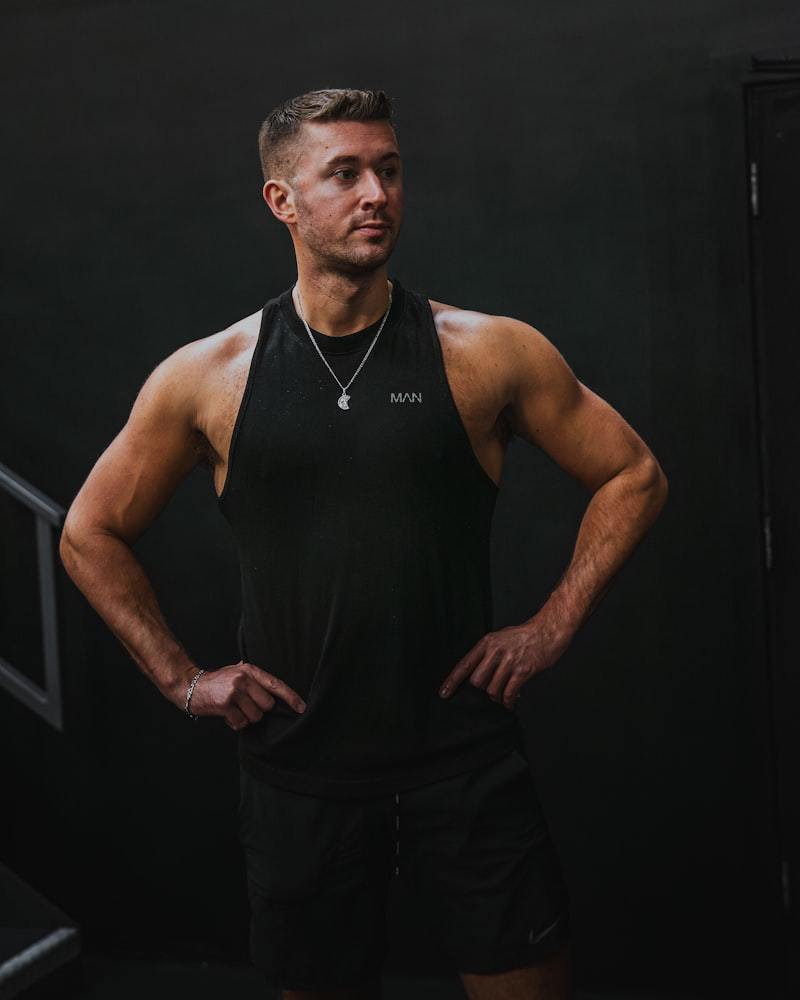
Seam placement, stretch compatibility and visual weight all follow the cooling route chosen at the development stage.
Cost, MOQ and Fabric Platform Implications
The two routes separate most clearly at the order stage, because they put the cost in different places.
A yarn-level build concentrates cost in the fabric. Development time goes into producing and testing the right construction, and the fabric minimum is carried by the fabric itself. In exchange, the garment is simpler to cut and sew, the sewing operation count stays low, and the same fabric can often be reused across several styles in the range, which spreads that minimum across more units.
A paneled build spreads cost across construction. The body fabric and the panel fabric each carry their own minimum, and the garment carries more pattern pieces, more cutting, more seams and more assembly time. Where a panel fabric is used on only one style, its minimum is carried by that style alone. Reusing the same panel fabric across two or three styles in a range is the most common way to keep a paneled build workable at smaller volumes.
- Fabric minimum: a yarn-level route carries one main fabric minimum; a paneled route usually carries two.
- Pattern and cutting: paneled styles add pattern pieces and cutting operations per unit.
- Sewing time: each additional seam and edge finish adds assembly time, and flat seams add more than standard seams.
- Sampling risk: paneled styles introduce a fit risk between the panel and the body, which can require an extra round if the stretch on either fabric is not confirmed first.
- Wash behaviour: two fabrics in one garment means two shrinkage and recovery behaviours to align before bulk.
MOQ from 200 pcs per style applies on the men's activewear side, and the exact figure still depends on fabric, color, size range, customization, trims, logo method and order structure. Consolidating a panel fabric across several styles in the same range is the most reliable way to keep a paneled build aligned with what the range is expected to sell.
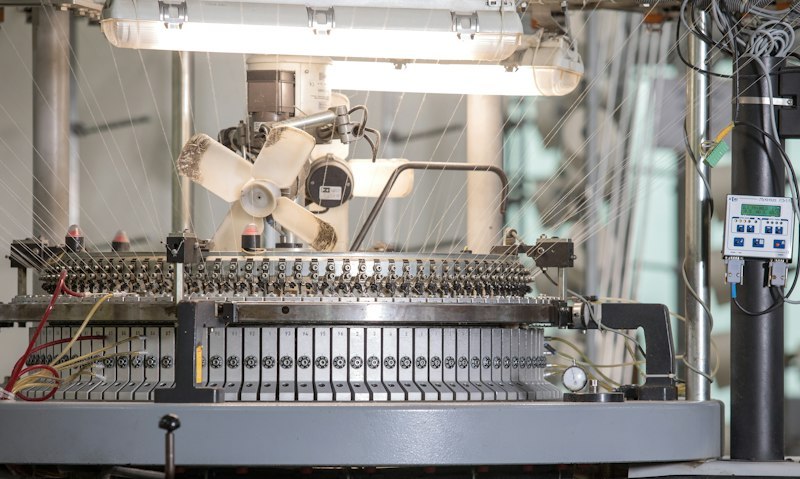
A yarn-level route is settled at the knitting stage, which is also where its fabric minimum is created.
Decision Table: Which Route Fits Which Project
The table below is a starting point, not a rule. Read it against the actual performance goal and the actual order structure, because the same brand can use both routes on different styles in one range.
| If your priority is | Lean towards yarn-level airflow | Lean towards mesh paneling |
|---|---|---|
| A clean, single-surface visual language | Yes: no panel lines or mesh graphics | Only if the technical look is part of the identity |
| Cooling concentrated in specific zones | Limited: one knit cools evenly | Yes: panels can be placed and sized |
| Fewer fabrics in the order | Yes: one main fabric | Usually two fabrics, so only if the range can share them |
| Lower seam count and assembly time | Yes: body seams only | No: panels add seams and edge finishing |
| A single fabric platform across several styles | Yes: the fabric can be reused across SKUs | Workable if the panel fabric is shared too |
| Adjusting airflow after the first sample | Costlier: the fabric usually changes | Often simpler: resize or reposition the panel |
| Full coverage with high airflow in the same garment | Hard: openness fights opacity | Yes: solid body plus open panels |
Decision Check Before You Lock the Route
- Can you state the cooling target in one sentence, separate from the word breathable?
- Have you decided whether cooling should be even across the garment or concentrated in zones?
- Is the visual direction compatible with panel lines, or does it need a single clean surface?
- If panels are used, are the stretch direction, stretch percentage and recovery confirmed on both fabrics?
- Have you listed every panel boundary and decided how each edge is finished?
- Do the panel fabric and the body fabric share the same shrinkage behaviour expectations?
- If the fabric changes, can the order structure absorb a new fabric minimum?
- Is the decoration method, such as print or logo application, tested against the chosen fabric surface?
Manufacturer Insight
From a production seat, this decision shows up as a sample-round and consistency problem. A common early-stage pattern is a brief that describes a top as breathable with no cooling strategy attached, which leads to two separate sample directions being developed in parallel: one in an open knit and one paneled. By the time the brand compares them, both have consumed a round, and the specification that decides between them has still not been written down.
At HUCAI activewear, sample-to-bulk coordination is tracked across fabric, trims, pattern, sample and bulk stages through an MES and ERP setup, with pre-production review and AQL 2.5 quality inspection used as checkpoints rather than as a result guarantee. In practice, that helps a paneled build stay readable: which panel fabric is confirmed, which stretch values were approved, what the wash result was after the first round, and what has already been signed off. For many growing brands, that visibility is what keeps a second round focused on fit instead of reopening the cooling strategy.
If you are comparing development routes, the practical split is straightforward. A confirmed specification with a full tech pack usually suits OEM. A direction set out in reference images, target activity and price position usually suits ODM for fabric, fit and construction planning. Either way, the cooling route should be agreed before the first sample order is placed. You can review the product range at custom men's activewear products or send your direction through the inquiry page.
FAQ for Brands Developing Men's Performance Tops
What is the difference between breathable fabric and mesh paneling?
Breathable fabric describes the fabric itself: the knit structure and yarn allow air to pass through the cloth, so the whole garment behaves the same way. Mesh paneling describes the garment: open fabric is sewn into selected zones, so cooling is concentrated where the panels sit. One is a fabric decision, the other is a construction decision, and they can be combined.
Is mesh paneling better than a high-airflow knit?
Neither is better in general. Mesh paneling gives zoned cooling and a technical look, at the cost of more seams and usually a second fabric. A high-airflow knit gives even cooling and a cleaner surface, but a single knit has to satisfy airflow, opacity and recovery at the same time. The right choice depends on the performance goal, the visual direction and the order structure.
What should we prepare before contacting a men's activewear manufacturer?
Bring the intended cooling target, the activity the top is built for, whether cooling should be even or zoned, reference images or an existing tech pack, target colors, an estimated quantity per style and your launch timing. You do not need a complete tech pack to start; a cleared direction is enough for an ODM conversation and it keeps the first sample round focused.
Do we need a tech pack before starting OEM or ODM development?
For OEM, a tech pack with measurement and construction detail is normally the working document. For ODM, reference images, target activity, fit preference and price position can start development, with the technical specification built during the sample stage. In both cases the cooling route should be agreed first, because it determines how many fabrics the order will carry.
What is the MOQ for custom men's performance tops?
MOQ from 200 pcs per style applies on the men's activewear side. The exact figure depends on fabric, color, size range, customization, trims, logo method and how the order is structured. A paneled build usually involves two fabrics, so sharing the panel fabric across two or three styles in the same range is the most common way to keep a smaller quantity workable.
How should brands decide how much open knit to use in a training top?
Start from the coverage expectation in the target market, then set the openness against it. The more open the knit, the more visible the body underneath and the harder it is to hold a clean uniform surface. Where full coverage and high airflow are both required, a solid body fabric with open panels is usually easier to specify than one knit asked to do both.
What usually causes problems in a mesh-paneled performance top?
Stretch mismatch between the panel and the body fabric is the most common cause. If the two fabrics recover at different rates, the panel distorts the garment around it, and the problem often appears after washing rather than at the sample fitting. Confirming stretch direction, stretch percentage and recovery on both fabrics before the pattern is finalised removes most of that risk.
How long does a sample round usually take for men's performance tops?
Sample timing depends on fabric availability, pattern work, logo method, fit adjustment and how many revision rounds the styles need. A paneled build usually needs one additional check, because the panel-to-body fit and the wash result on both fabrics have to be confirmed together. Grouping styles that share a fabric and construction into the same round is what keeps the total number of rounds down.
Final Takeaway
Yarn-level airflow and mesh paneling answer the same brief in different ways, and the decision belongs at the development stage. Decide first whether cooling should be even across the garment or concentrated in zones. Then decide whether the visual direction can carry panel lines. Then check the order structure, because a paneled build normally means two fabrics and a higher assembly count.
Get those three answers in the right order and the fabric specification becomes straightforward. Get them out of order and the sample round becomes a comparison exercise instead of a confirmation step. Writing the cooling strategy into the brief is the cheapest way to avoid that.
Next Step
Trust Notes
Development at HUCAI activewear runs through a single chain: fabric and trim sourcing, pattern and sample work, bulk production, quality control and logistics follow-up. Sample-to-bulk consistency is managed across those stages, with pre-production review and AQL 2.5 inspection used as checkpoints. Detail on the working approach is available on the about page.