
MOQ
MEN'S TECHNICAL MIDLAYER AND LIGHTWEIGHT JACKET COLLECTION
Develop half-zips, lightweight jackets, packable vests, long sleeve layers, and technical joggers for men's activewear collections built around layering, running, training, and travel.
Home / Technical Midlayers Collection
TECHNICAL MIDLAYER DEVELOPMENT
MEN'S TECHNICAL MIDLAYER AND LIGHTWEIGHT JACKET OVERVIEW
MEN'S TECHNICAL MIDLAYER AND LIGHTWEIGHT JACKET OVERVIEW
This collection is built for private label men's activewear brands developing technical layers that support running, gym training, travel, warm-up, recovery, and transitional weather. Instead of treating half-zips, lightweight jackets, vests, long sleeves, and technical joggers as separate products, this direction focuses on how layering role, fabric function, pocket design, ventilation, fit, and sample review work together across a complete men's activewear capsule.
HUCAI activewear supports OEM and ODM development for brands with tech packs, reference samples, outerwear ideas, fabric targets, or private label collection planning needs. The goal is to help buyers confirm product role, fabric direction, fit allowance, trim details, sample review points, and sample-to-bulk consistency before production planning.
Samples
12Days
Bulk
25–30Days
Quality Guarantee
100%

- OVERVIEW
- PRODUCT TYPES
- FIT SYSTEM
- FABRIC & CONSTRUCTION
- SAMPLING RISKS
- OEM / ODM SUPPORT
- FAQ
- CONTACT
LAYERING DEVELOPMENT
WHY TECHNICAL MIDLAYER AND LIGHTWEIGHT JACKET DEVELOPMENT MATTERS
WHY TECHNICAL MIDLAYER AND LIGHTWEIGHT JACKET DEVELOPMENT MATTERS
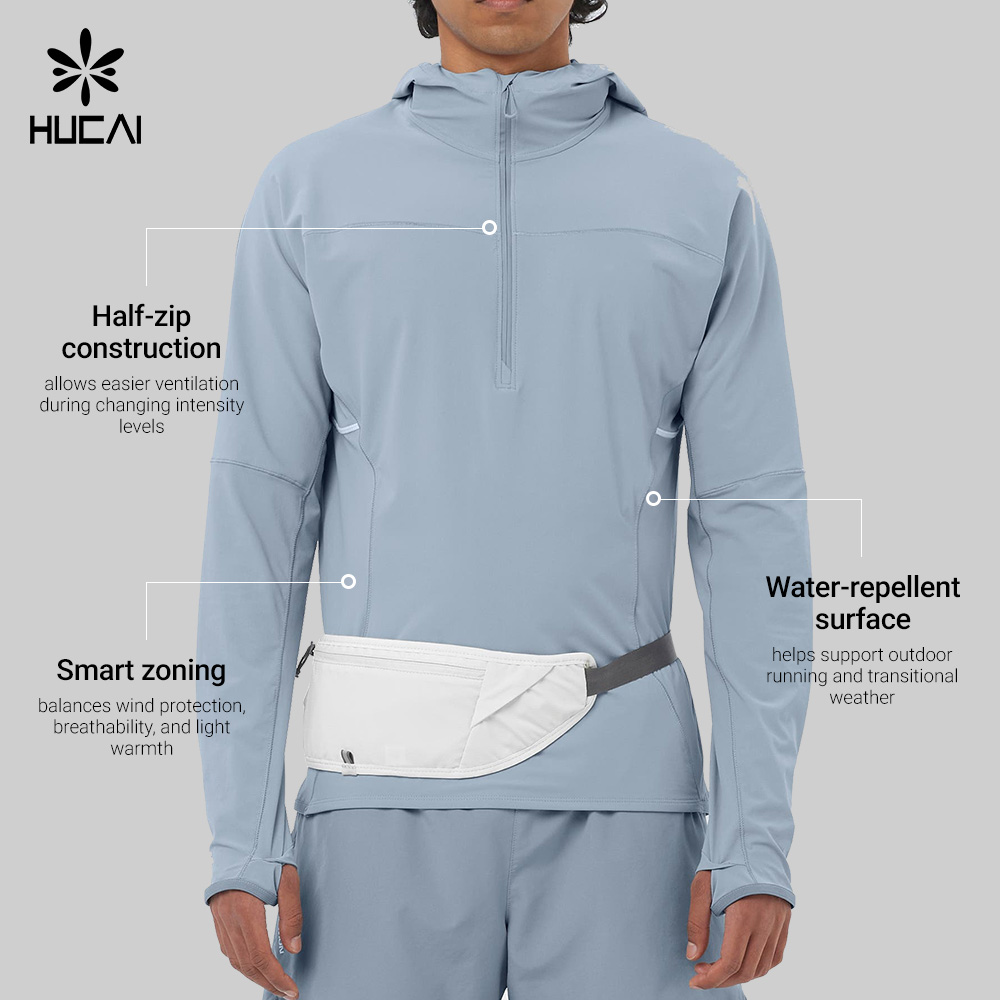
Modern men's activewear brands often need lightweight layers that can move between training, running, travel, warm-up, and daily activewear use. A half-zip midlayer may need stretch, moisture management, and enough room for layering. A lightweight jacket may need wind resistance, packability, ventilation, zip pockets, and reflective details. A technical jogger may need fabric recovery, clean styling, and weather-ready comfort.
For private label activewear brands, the challenge is not only choosing an outerwear silhouette. The real challenge is building a technical layer system where fabric weight, stretch, breathability, weather direction, pocket function, trim placement, logo method, and bulk consistency work together. HUCAI activewear helps brands review these details before moving from concept to sample and bulk production.DISCUSS YOUR TECHNICAL LAYER PROJECT
TECHNICAL MIDLAYER AND LIGHTWEIGHT JACKET DEVELOPMENT
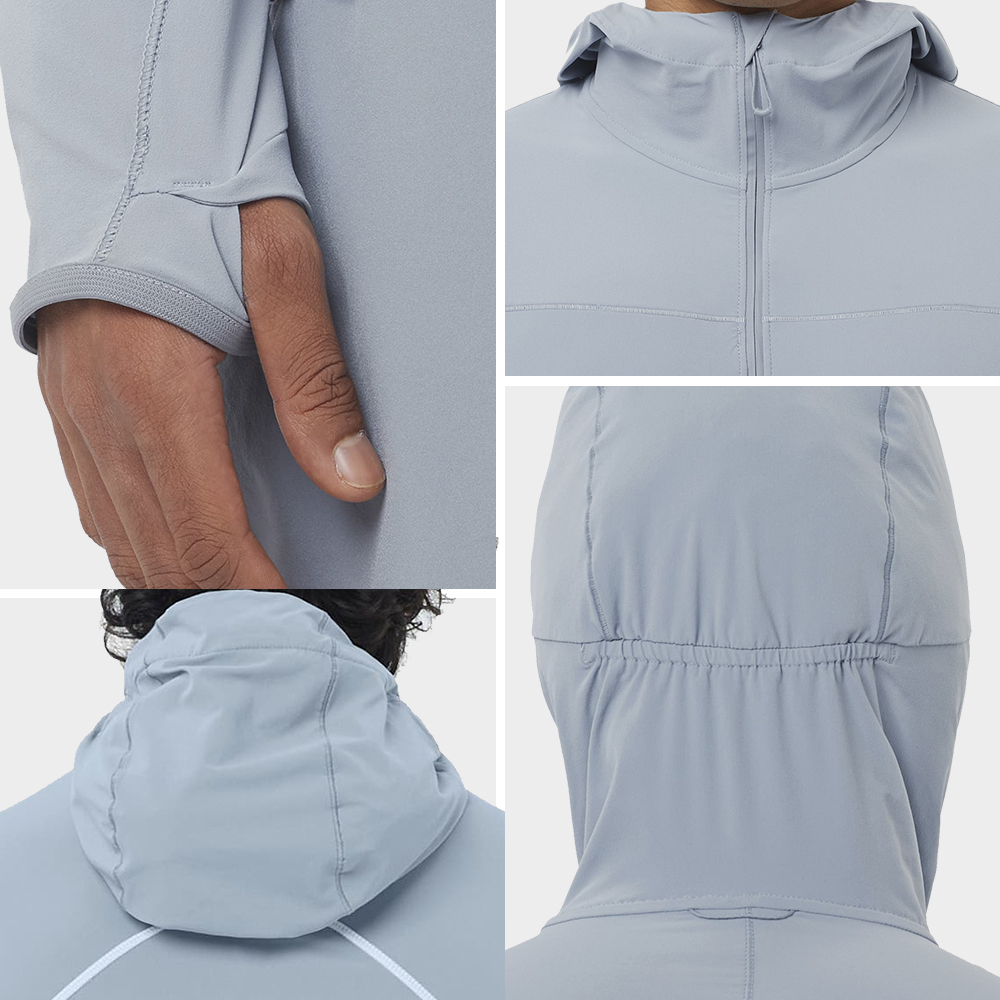
This collection focuses on men's technical layers for running, training, travel, warm-up, and transitional weather. Each product can be adjusted by fabric weight, stretch, ventilation, pocket system, zipper structure, layering fit, and branding details.VIEW PRODUCT TYPES

STYLE FOCUS
Layering, running, warm-up, travel, commute, and transitional weather activewear.

KEY PRODUCTS
Half-zip midlayers, lightweight jackets, packable vests, long sleeve layers, and technical joggers.

FIT DETAILS
Athletic, regular, relaxed, and layering-friendly fits for movement and outerwear compatibility.

FABRIC DIRECTION
Lightweight shell, stretch knit, breathable panels, wind-resistant fabrics, and water-repellent finishes.

BEST FOR
Private label men's activewear brands building technical layers, running capsules, or weather-ready training collections.
Technical Midlayer and Lightweight Jacket Product Types We Can Develop
From half-zips to packable jackets, this collection helps private label activewear brands build men's technical layers that support training, running, travel, commute, and transitional weather.PRODUCT TYPES:
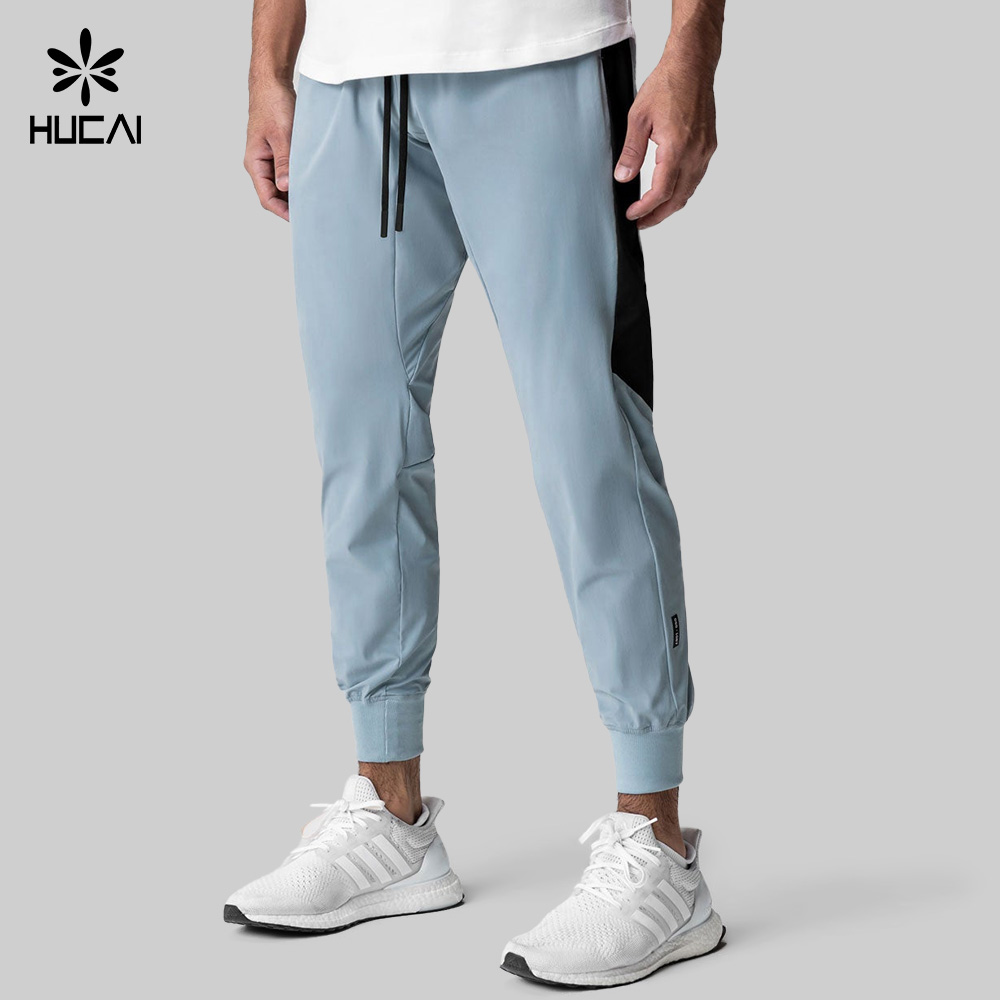
Water-Repellent Joggers
Technical joggers with stretch woven fabric, pocket function, knee mobility, waistband comfort, and weather-ready styling.
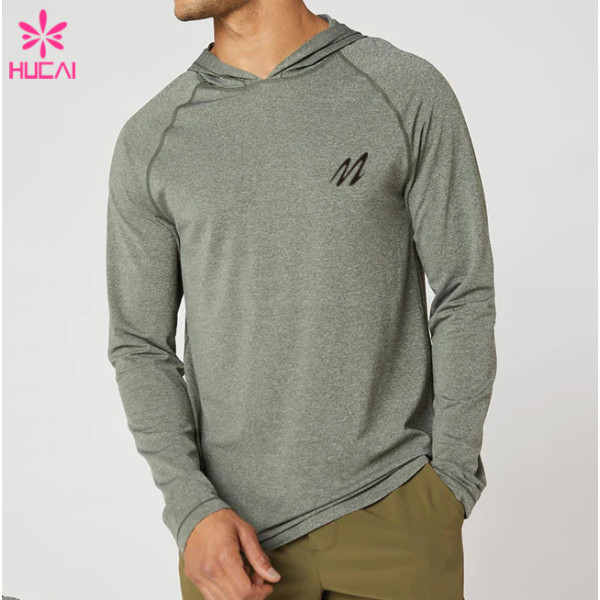
Long Sleeve Training Layers
Quick-dry long sleeve tops with fabric weight, flatlock seams, sleeve length, neckline, and breathable panels for high-sweat training.
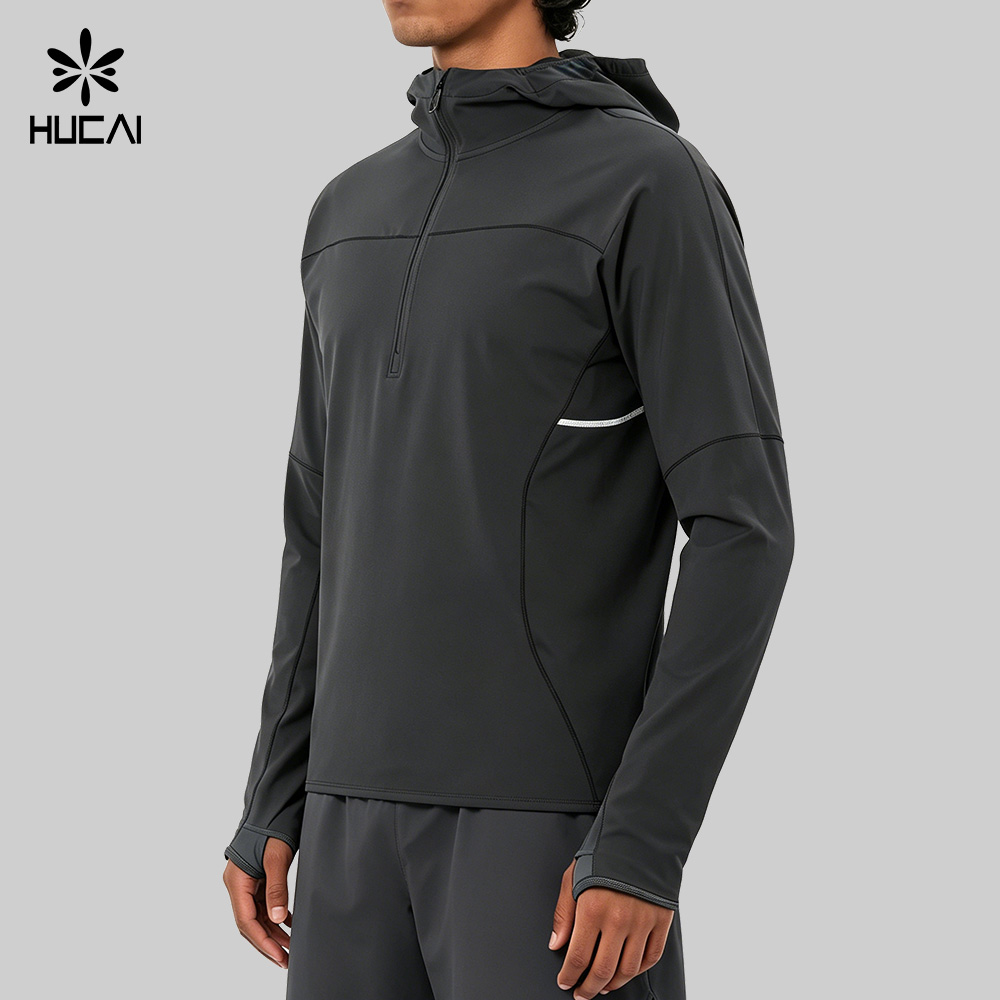
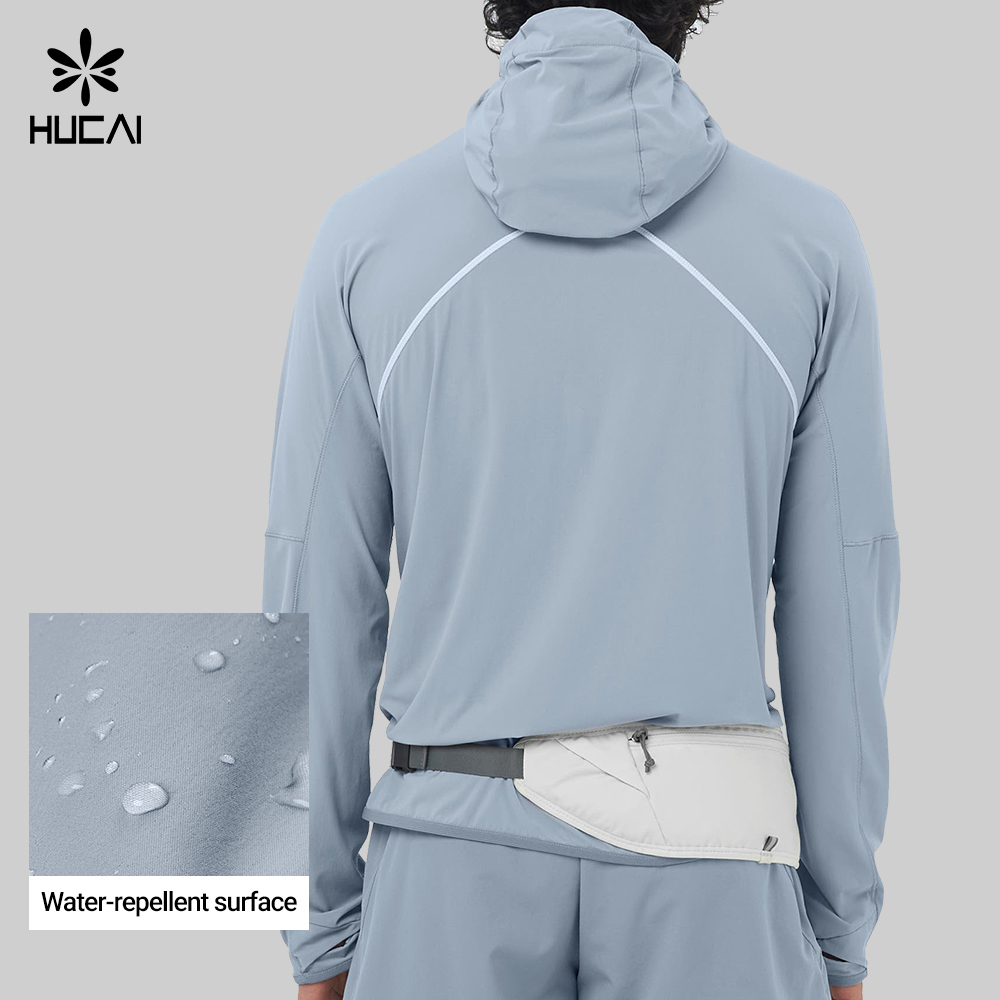
Lightweight Running Jackets
Breathable shell jackets with wind direction, ventilation, zip pockets, reflective details, and packable construction for outdoor movement.
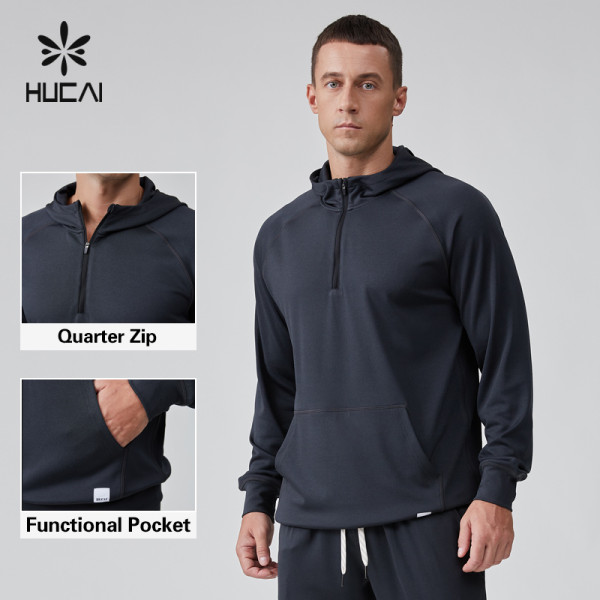
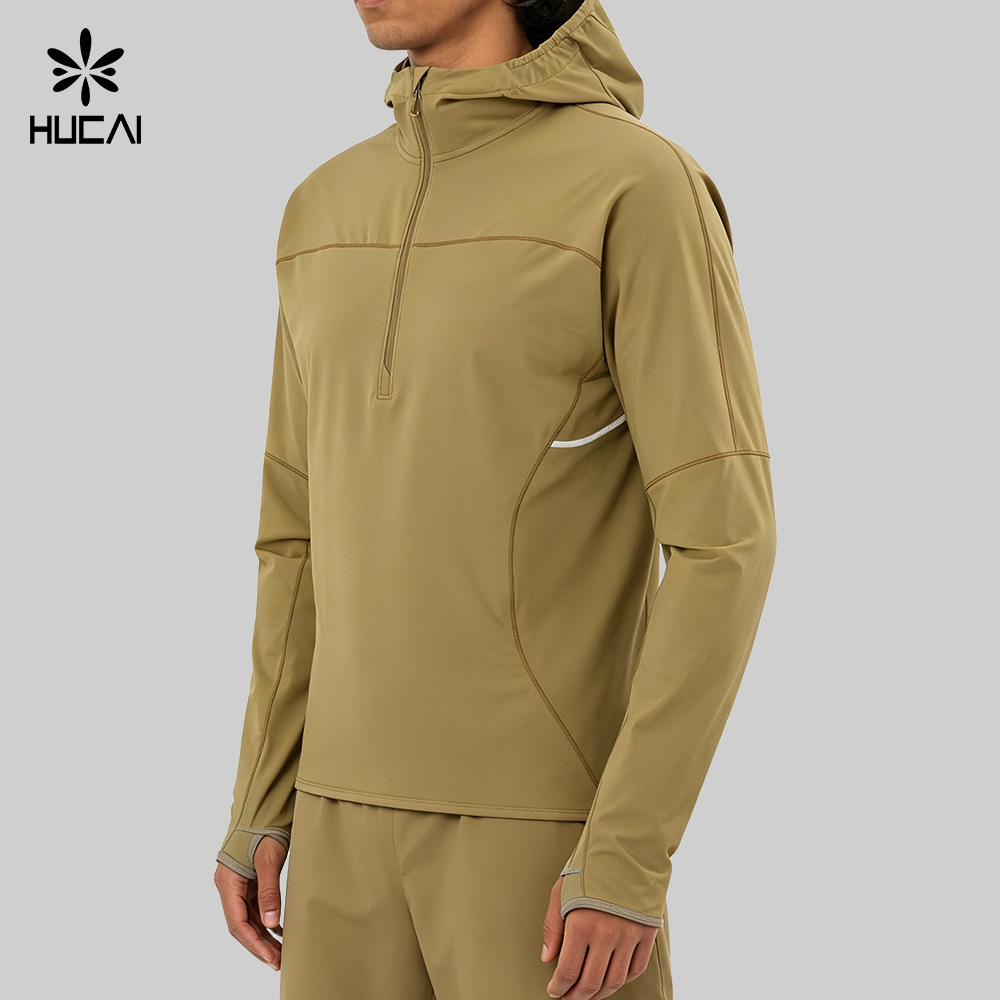
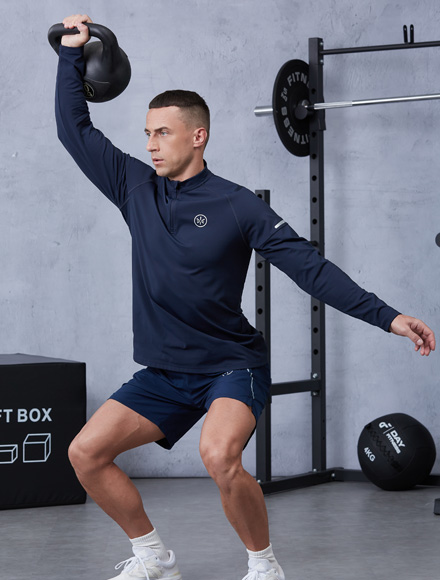
Half-Zip Training Midlayers
Lightweight midlayers for warm-up, outdoor training, and transitional weather.
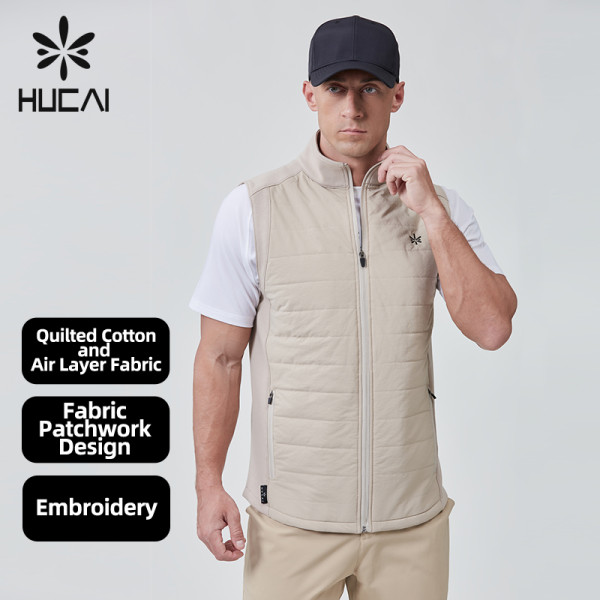
Packable Vests
Low-bulk vests for running, trail training, travel, and transitional weather with pocket, armhole, and storage details.
Technical Warm-Up Sets
Coordinated tops and bottoms for warm-up, run commute, travel, and gym-to-street activewear collections.
Build a men's technical layer system with half-zips, lightweight jackets, packable vests, long sleeve layers, technical joggers, and warm-up sets for running, training, travel, and transitional weather.START YOUR LAYER PROJECT
Technical Midlayer and Lightweight Jacket Development Workflow
A technical layer project should confirm layering role, use scenario, product mix, fabric direction, fit allowance, trim details, sample review points, and bulk production standards before moving forward. This helps private label brands build more functional and commercially ready men's activewear layers.
- Step 1
- Confirm the Collection Scenario
Confirm whether the product is a first layer, midlayer, outer layer, warm-up layer, travel layer, or hybrid technical layer.
- Step 2
- Build the Product Mix
Select the right combination of half-zips, lightweight jackets, vests, long sleeves, joggers, or warm-up sets.
- Step 3
- Review Fabric and Fit Targets
Confirm fabric weight, stretch, breathability, wind resistance, water-repellent direction, handfeel, and layering compatibility.
- Step 4
- Develop and Review Samples
Check movement, ventilation, pocket function, zipper placement, collar or hood structure, sleeve mobility, and logo placement.
- Step 5
- Prepare for Bulk Production
Confirm pre-production samples, size grading, fabric and trim standards, color consistency, packaging requirements, QC checkpoints, and production follow-up.
From Technical Layer Samples to Bulk Production
Technical midlayer and lightweight jacket production should not move forward only by checking the garment on a hanger. Before bulk planning, brands should review movement, layering comfort, fabric behavior, ventilation, pocket placement, zipper function, sleeve mobility, color consistency, trim details, and pre-production standards across the full product system.
Step 1
Share Tech Pack or Reference Images
Step 2
Confirm Layering Role, Fabric, and Trim Direction
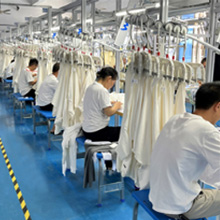
Step 3
Review Samples Across Movement and Layering

Step 4
Approve Pre-Production Details for Bulk Planning
Who This Collection Is Best For
This technical midlayer and lightweight jacket collection is designed for men's activewear brands that need more than basic hoodies or simple jackets. It is best for OEM and ODM projects where layering role, fabric function, fit allowance, trim selection, movement comfort, and sample review matter before bulk production.Learn More
| Best For | Not Ideal For |
|---|---|
| Men's activewear brands building technical layering collections | Buyers only looking for random stock jackets |
| Running and training brands developing lightweight outerwear | Projects with no clear use scenario or product role |
| Established brands with tech packs needing OEM production | Customers comparing only the lowest unit price |
| Growing brands needing ODM layer development support | Projects not ready to confirm fabric, trims, or samples |
| Private label brands preparing seasonal technical activewear drops | One-time inquiries without clear brand or product direction |
TECHNICAL MIDLAYER AND LIGHTWEIGHT JACKET FAQ
Common questions about developing men's technical midlayers and lightweight jackets for private label activewear brands, including fabric direction, layering fit, ventilation, pocket systems, sampling, OEM/ODM support, and bulk planning.
- What should we prepare before contacting HUCAI activewear?
Before contacting HUCAI activewear, prepare your target market, product mix, reference images, tech packs if available, fabric direction, fit preference, color story, logo method, size range, packaging needs, and estimated order quantity. If your specifications are ready, the project can move more directly into OEM review. If you only have references or a collection idea, ODM support can help turn the direction into a clearer sample plan. The more specific your information is, the easier it is to review feasibility, sampling risks, and next steps.
- What affects MOQ and quotation for a hybrid activewear collection?
MOQ and quotation depend on product type, number of SKUs, fabric availability, color customization, trims, logo method, packaging, size range, sample complexity, and order quantity. A simple T-shirt and shorts capsule is usually easier to quote than a multi-SKU line with compression layers, joggers, jackets, custom trims, and multiple colorways. Before requesting a quote, brands should prepare the intended product mix, target fabric direction, logo requirements, size range, and estimated order structure.
- Is a hybrid training wear collection better for OEM or ODM projects?
It can work for both, depending on how prepared the brand is. Established brands with tech packs, measurements, fabric details, artwork, trims, and packaging requirements can usually follow an OEM development path. Growing brands with reference images, market direction, product ideas, or a partial SKU plan may benefit more from ODM support. For hybrid training wear, ODM can help organize product mix, fabric direction, fit targets, sample priorities, and collection consistency before the project moves into production planning.
- What should brands review during hybrid training wear sampling?
Brands should review each sample by both individual fit and collection consistency. Important points include fabric handfeel, stretch, recovery, breathability, measurement balance, waistband comfort, pocket function, sleeve mobility, layering comfort, logo placement, trim quality, and color matching across SKUs. A hybrid collection should also be tested in movement, such as running, lifting, stretching, sitting, and layering over other products. Clear sample feedback helps reduce repeated revisions before pre-production and bulk planning.
- How should brands balance fit across run, train, and recover products?
Fit should be planned by product role, not copied across every SKU. A running top may need a lighter and closer fit, training shorts may need mobility and coverage, joggers may need a tapered gym-to-street shape, and midlayers may need enough room for layering. The collection should feel consistent, but each product must support its own use scenario. Before sampling, brands should confirm fit direction, size grading, inseam, sleeve shape, shoulder width, waistband structure, and layering allowance across the whole capsule.
- How do fabric choices affect a hybrid training wear collection?
Fabric choices affect comfort, movement, breathability, stretch, recovery, layering, and bulk consistency across the full collection. A technical T-shirt may need a moisture-wicking knit, training shorts may need quick-dry stretch woven fabric, joggers may need fabric recovery, and lightweight jackets may need breathable shell fabric. These fabrics do not need to be identical, but they should feel related in handfeel, weight, color behavior, and product role. If each SKU uses unrelated fabrics, the collection can look and feel disconnected after sampling.
- What products should a first hybrid training wear capsule include?
A practical first capsule may include a technical training T-shirt, training shorts, a jogger, a half-zip midlayer, and a lightweight jacket. Some brands may also add compression tights, lined shorts, tank tops, or vests depending on the target market and launch strategy. Startup brands usually do not need a large collection at the first sample stage. A focused 3-5 SKU capsule can make it easier to control fabric direction, fit balance, color story, sample feedback, and MOQ discussion before expanding into more styles.
- What is a men's hybrid training wear collection?
A men's hybrid training wear collection is a product system designed to move across running, gym training, recovery, travel, and daily activewear use. It may include technical T-shirts, training shorts, joggers, compression layers, half-zip midlayers, lightweight jackets, and vests. The key is not simply adding more SKUs, but making each product serve a clear role inside the collection. For private label activewear brands, this helps the line feel more coordinated, easier to sample, and easier to explain to buyers.
START YOUR PROJECT
START YOUR MEN'S TECHNICAL LAYER PROJECT
Share your tech pack, reference images, product mix, fabric target, layering role, zipper or pocket requirements, logo details, MOQ questions, or sample needs. HUCAI activewear will review your project stage and suggest the next development path based on whether you need OEM production, ODM development support, or early technical layer planning.
Related Pages for Your TECHNICAL MIDLAYER Project
Get In Touch
Hucai activewear manufacturer has 25 years of experience in producing fashion sportswear. We specialize in offering one-stop OEM and ODM services to sportswear brands and fitness influencers in Europe, the USA, Australia, and the Middle East. Our team of 25 professionals provides customized proposals and a wide range of design options.With over 100 skilled workers, 15 technical staff, and 4 pattern makers, we use MES systems and smart equipment, backed by a 5-step quality control process. Hucai is BSCI certified and has a global logistics network to ensure quality and timely delivery. For any inquiries, please feel free to contact us. We look forward to working with you!
- Name
- Phone
- *Title
- *Content
Please pay attention to the email with the suffix “@hcsportswear.com”or“@fcsportswear.com”.