
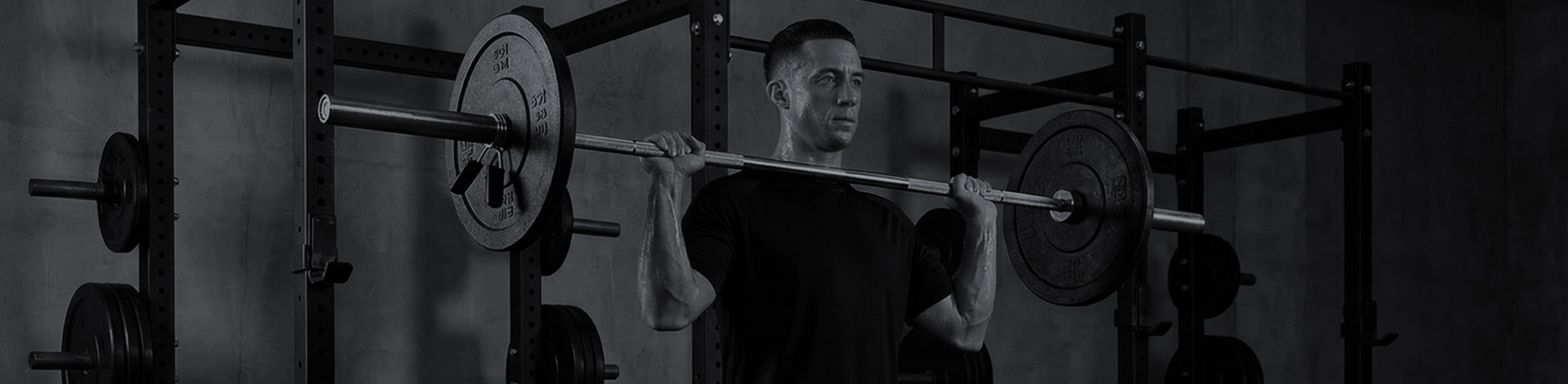
Market Direction
We follow men's activewear, gym wear, running, training, and athleisure signals across developed markets.
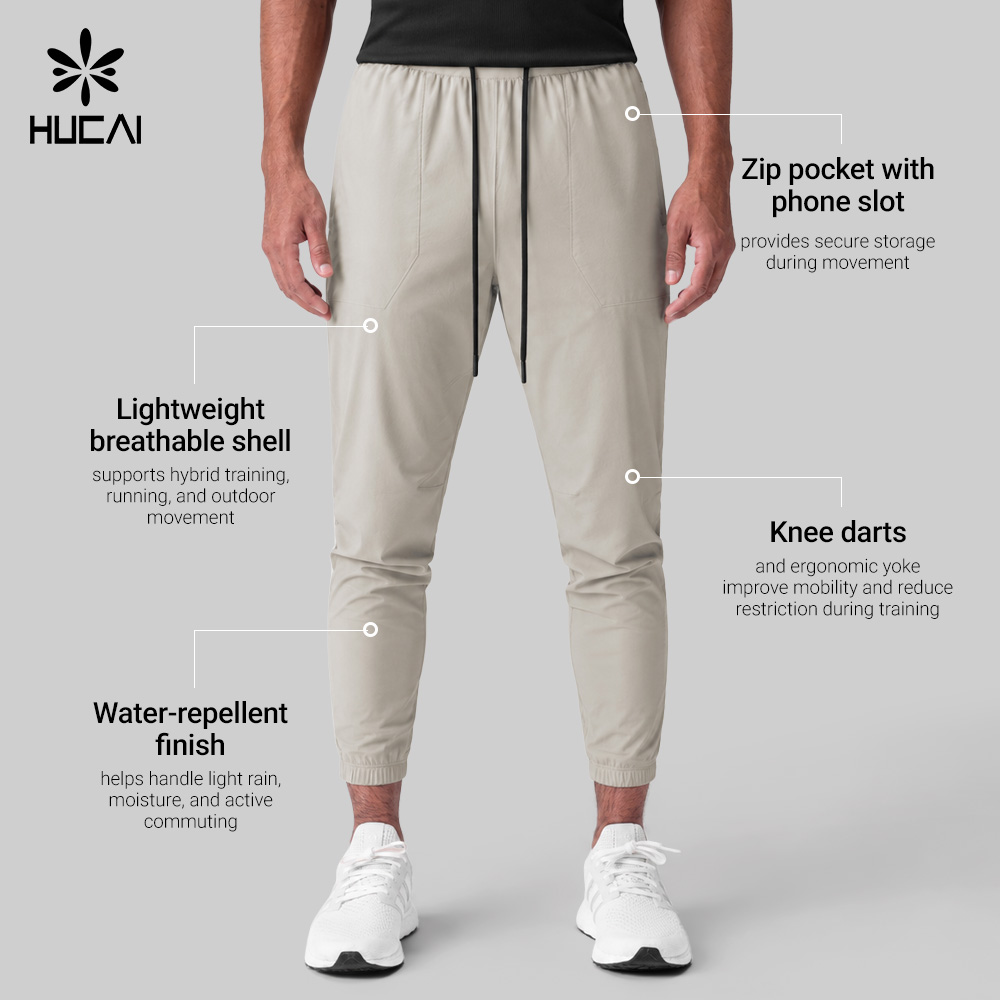
We follow men's activewear, gym wear, running, training, and athleisure signals across developed markets.
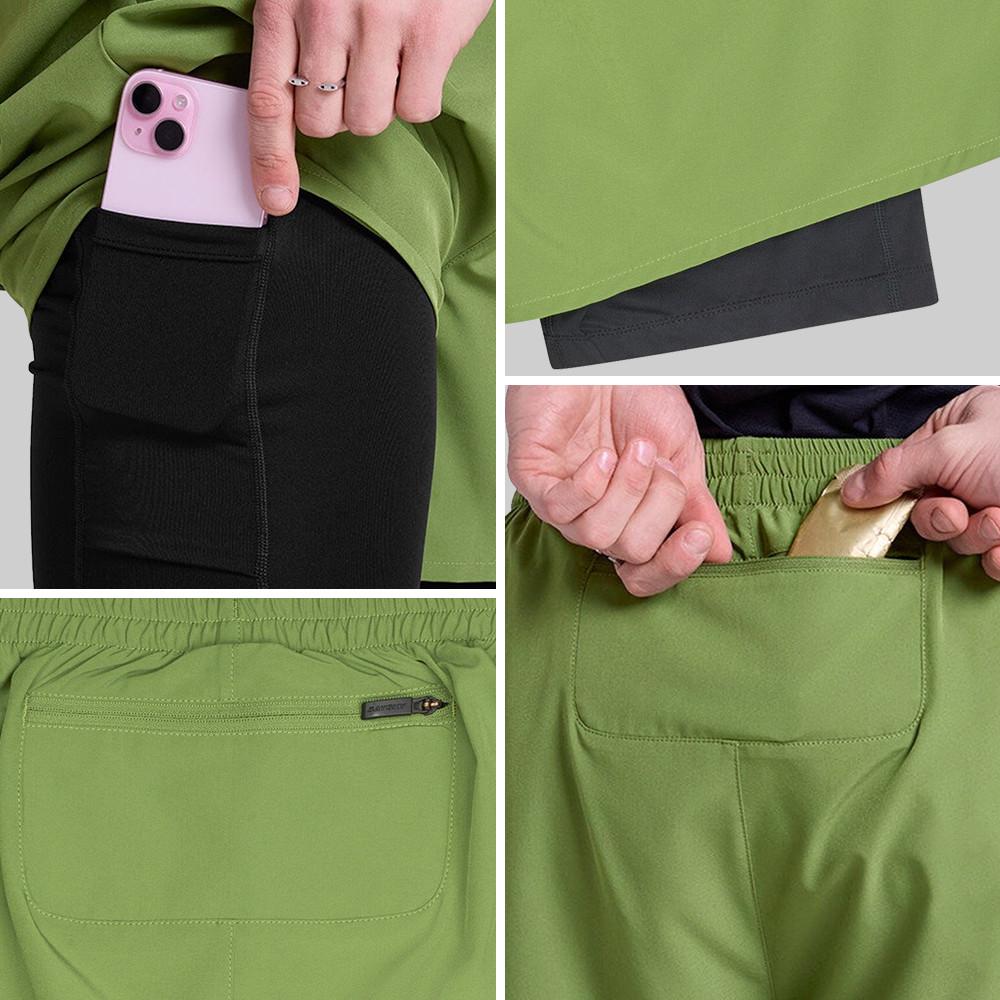
Each direction is translated into fabric, fit, structure, SKU planning, and sample review points.
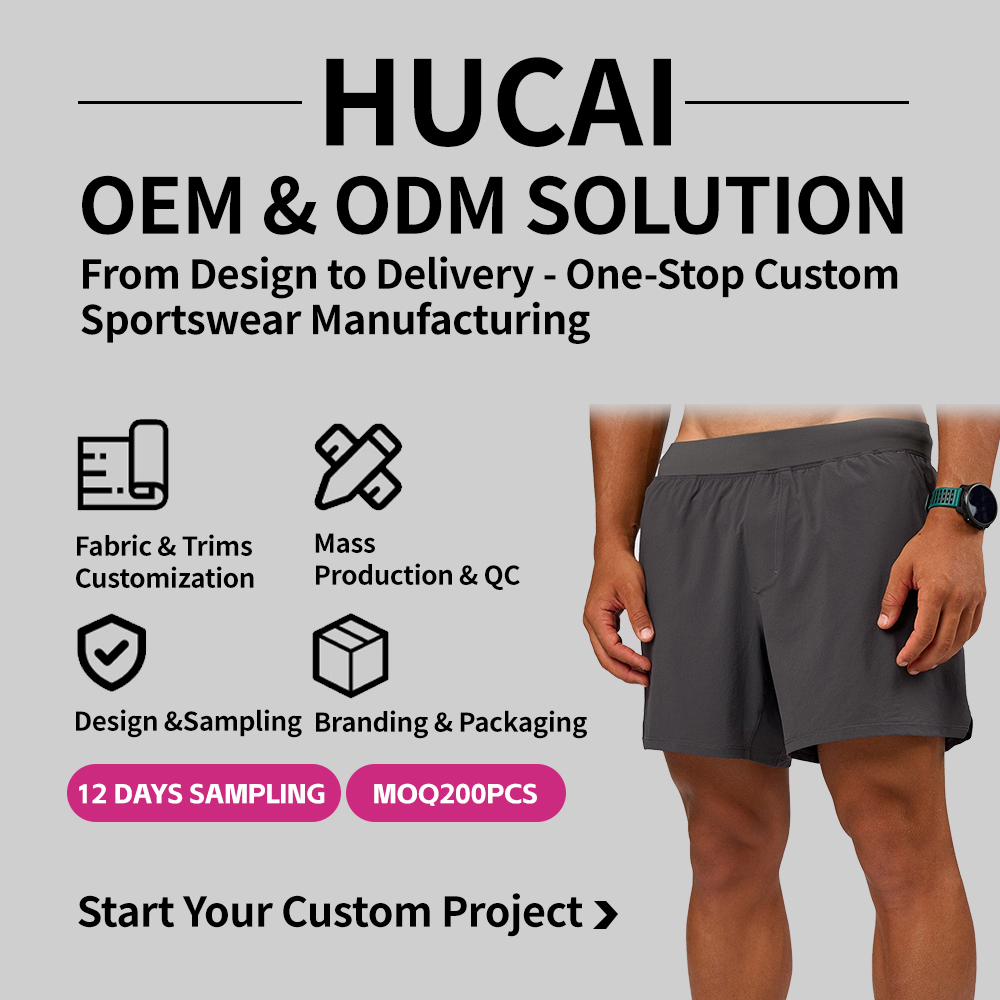
Brands can use these directions to brief new products, refine tech packs, or start reference-based development.
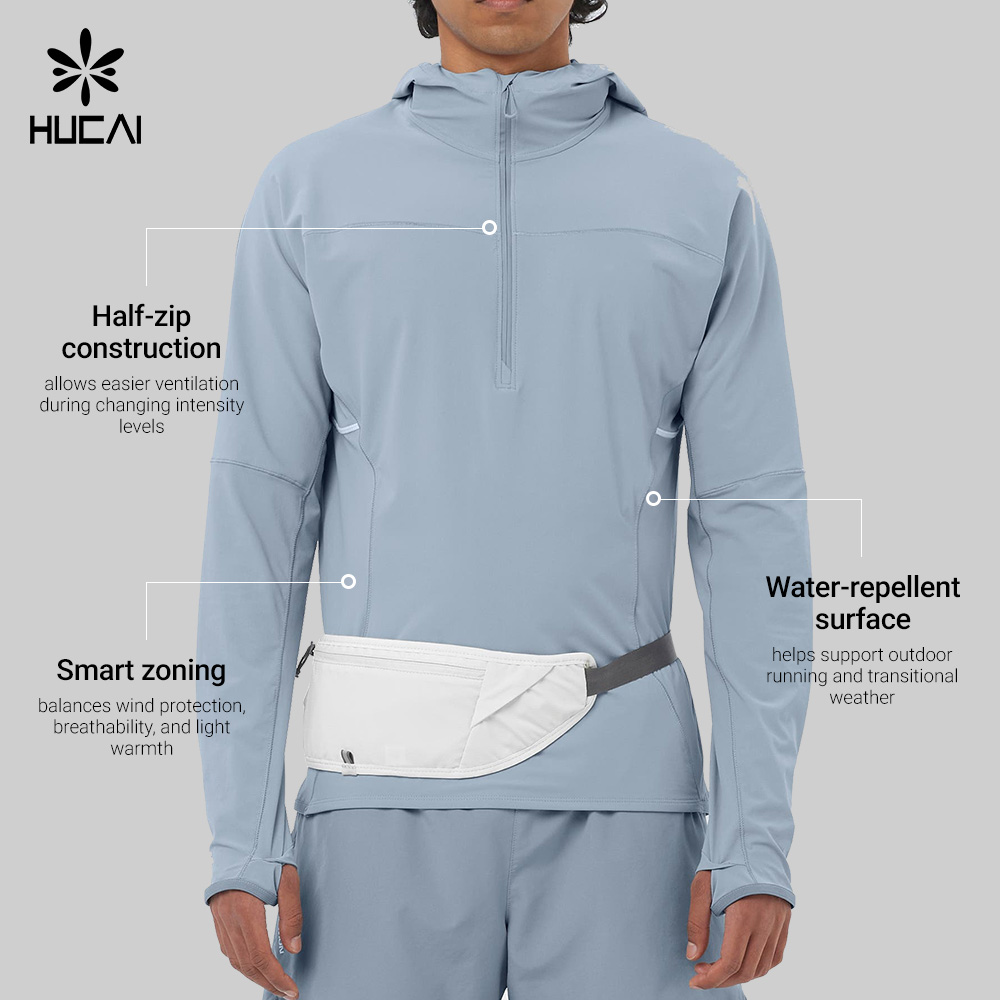
Build a run / train / recover capsule with technical tees, training shorts, joggers, quarter-zips, and lightweight layers.
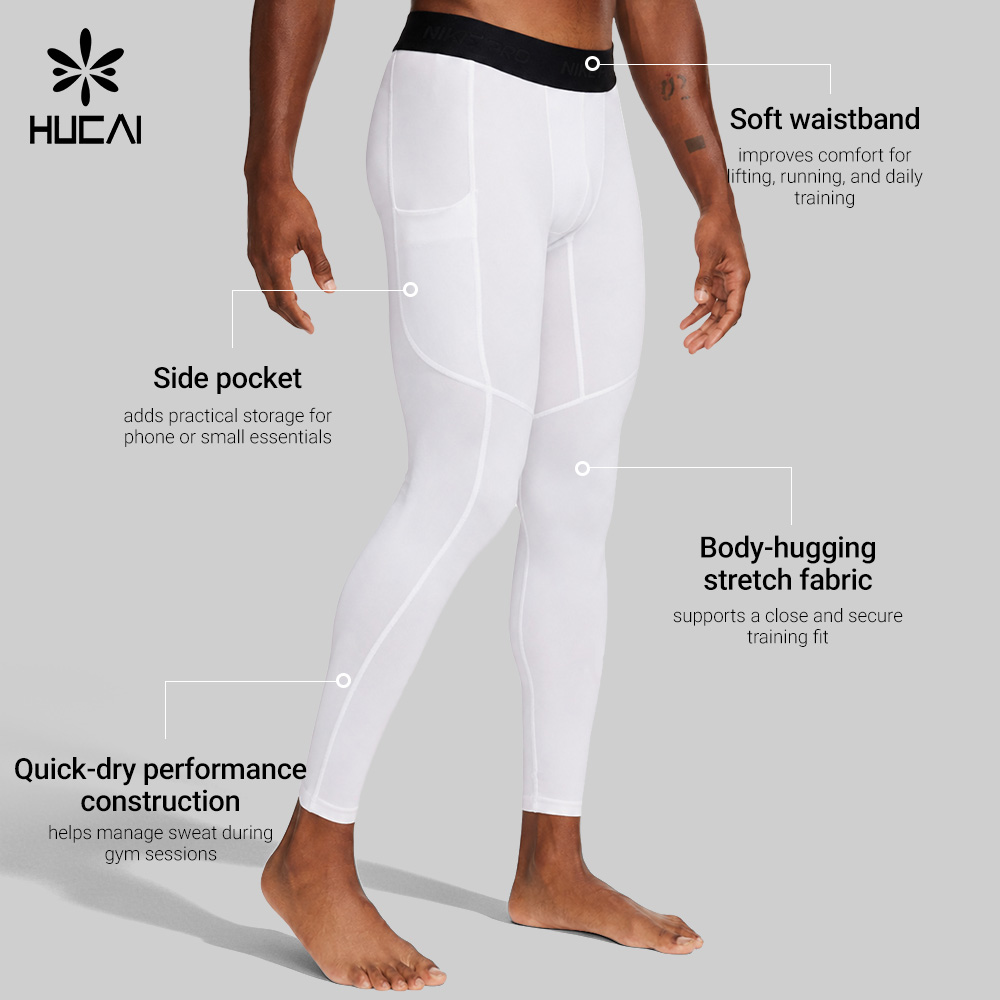
Compression shorts, tights, or leggings for support, coverage, and layering.
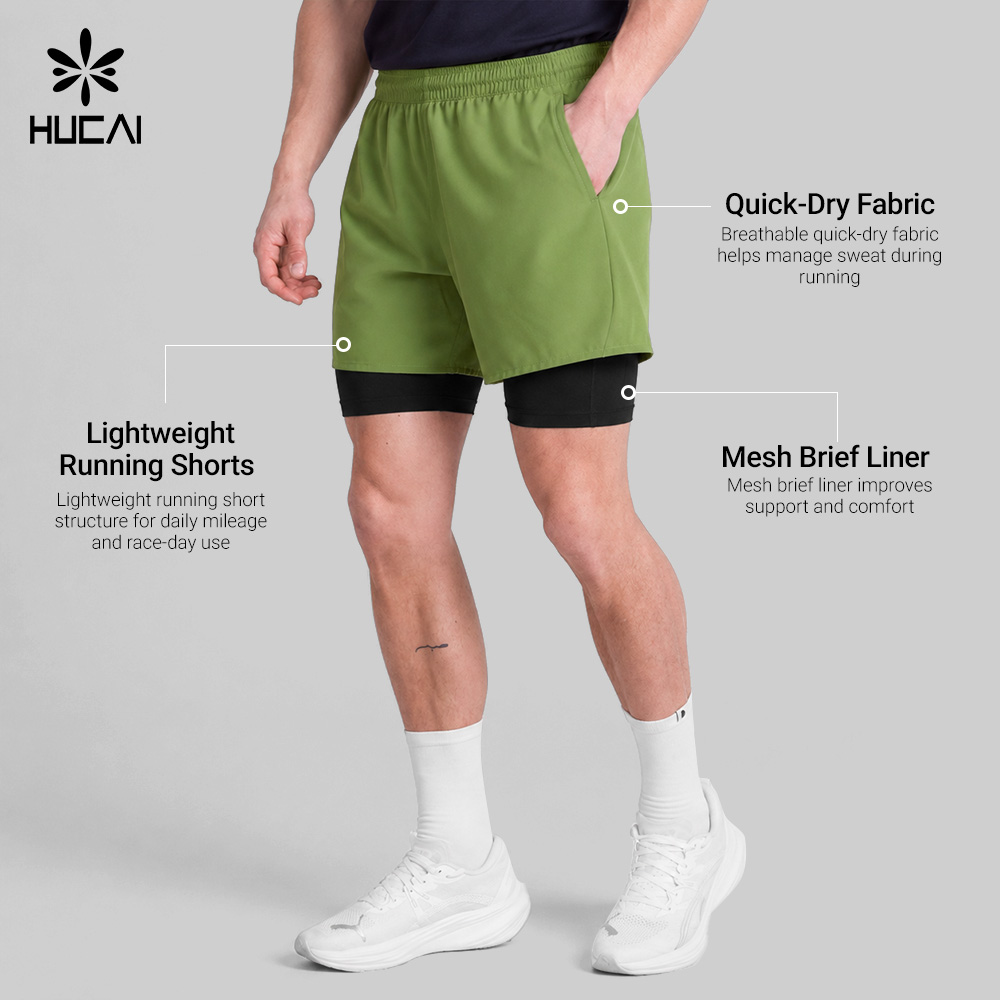
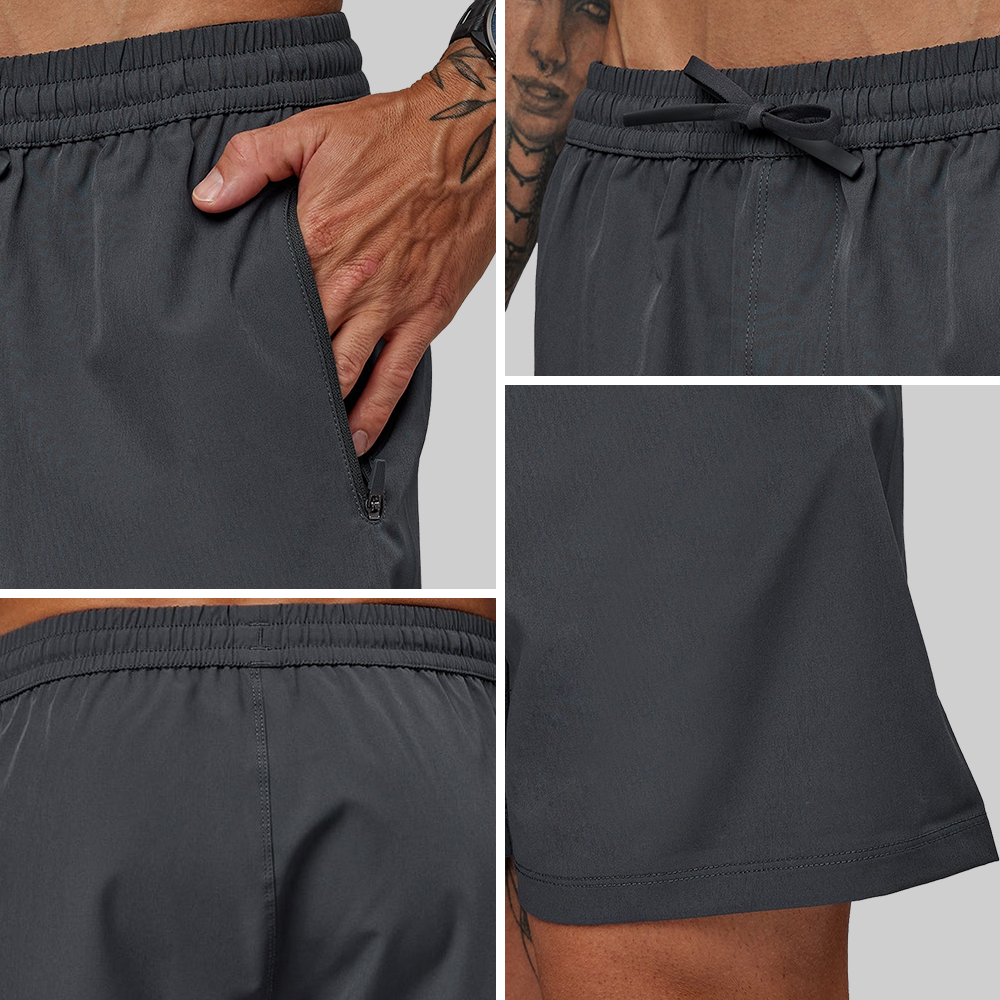
Review inseam, liner, waistband, pocket system, quick-dry shell, stretch, and anti-chafe details before sampling.
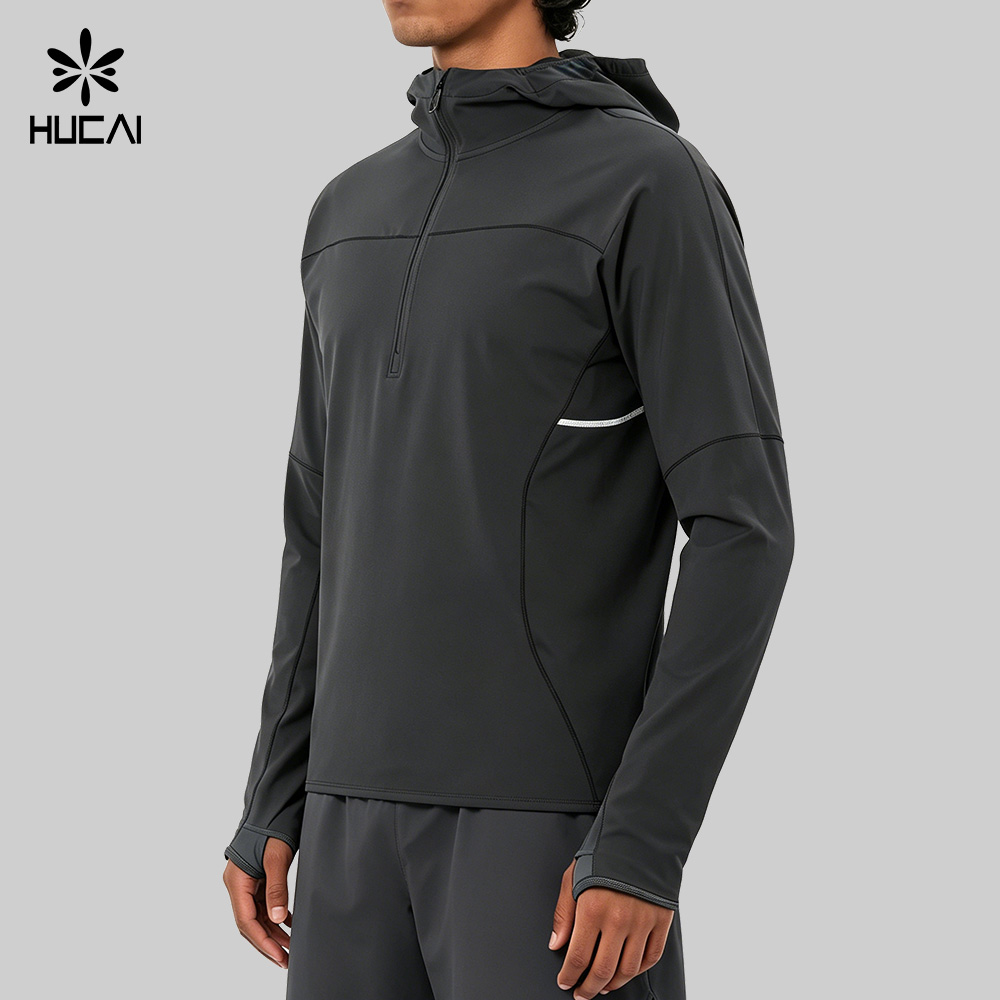
Lightweight midlayers for warm-up, outdoor training, and transitional weather.
Tapered joggers with stretch, pocket function, and gym-to-street wearability.
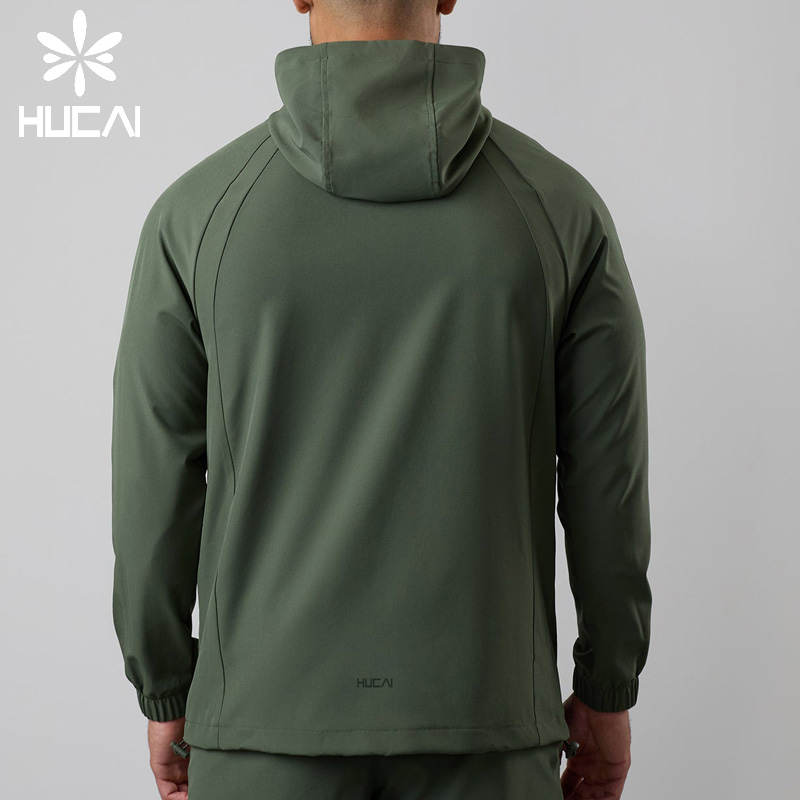
Packable outer layers for wind protection, running, travel, and active layering.
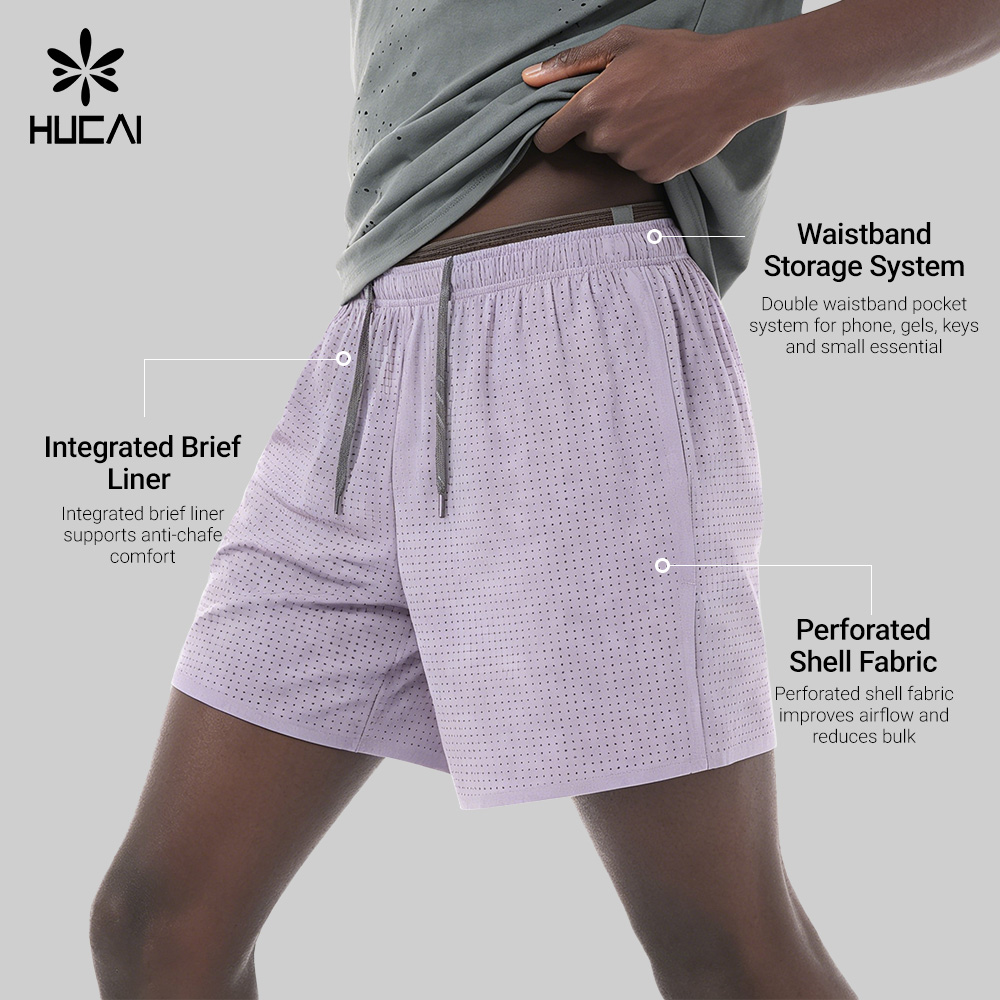
Inseam, liner, pockets, waistband, quick-dry fabric, and anti-chafe details.
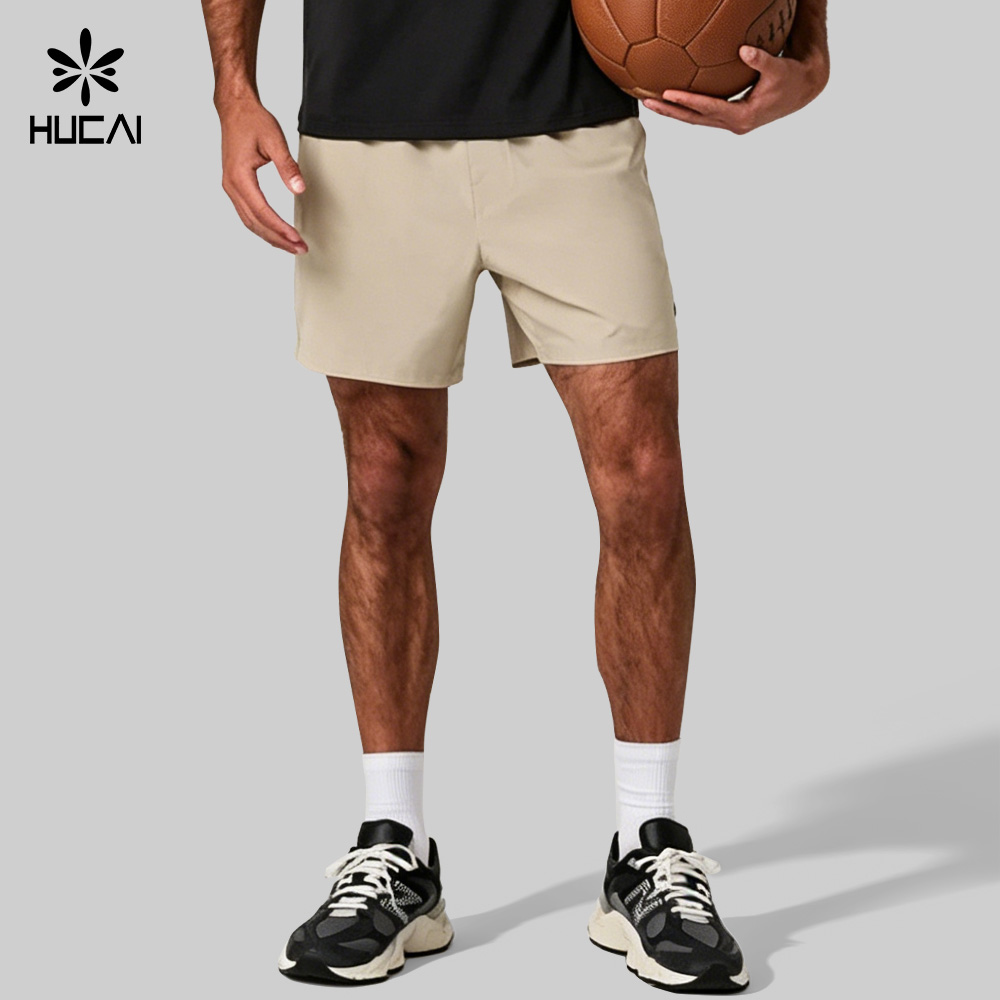
Performance tees, lined shorts, joggers, hoodies, and all-day activewear basics.
Run / train / recover capsule planning for growing men's activewear brands.
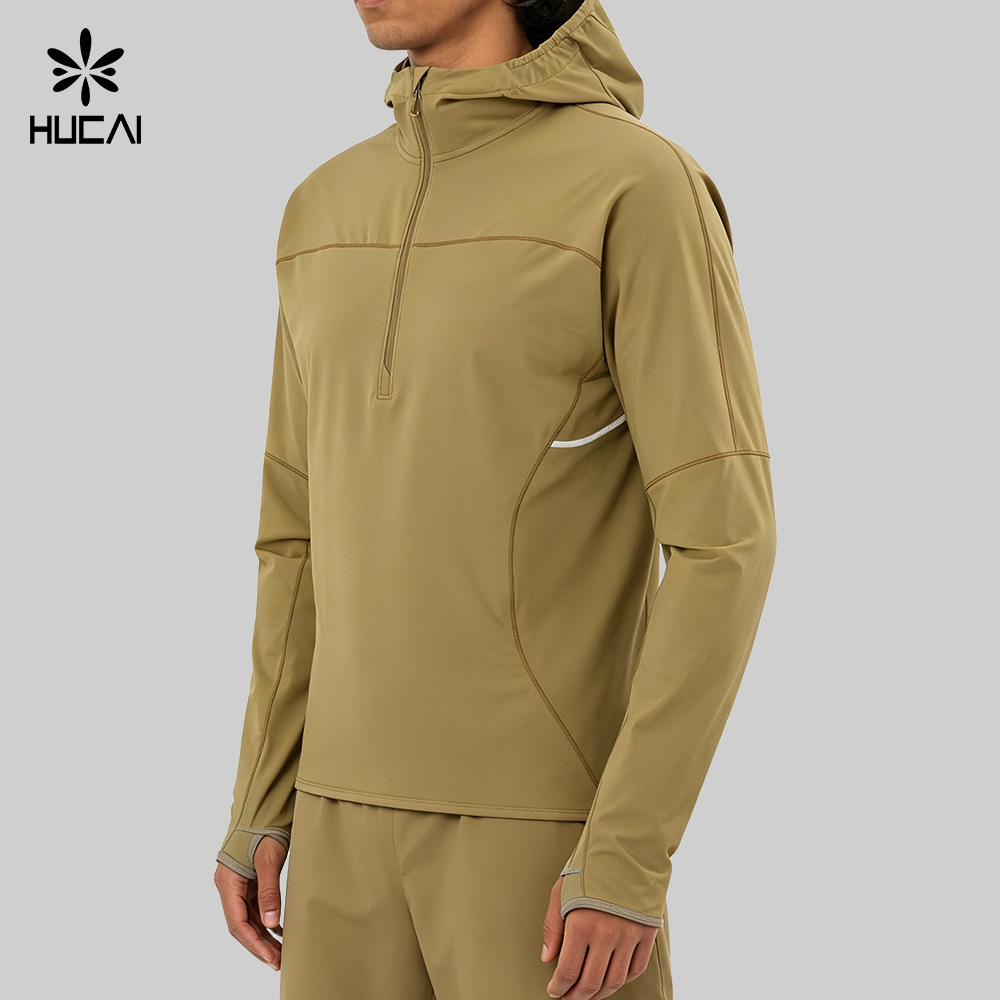
Half-zips, lightweight jackets, packable vests, long sleeves, and layering products.
Compression level, fabric recovery, waistband pressure, coverage, and seam placement.
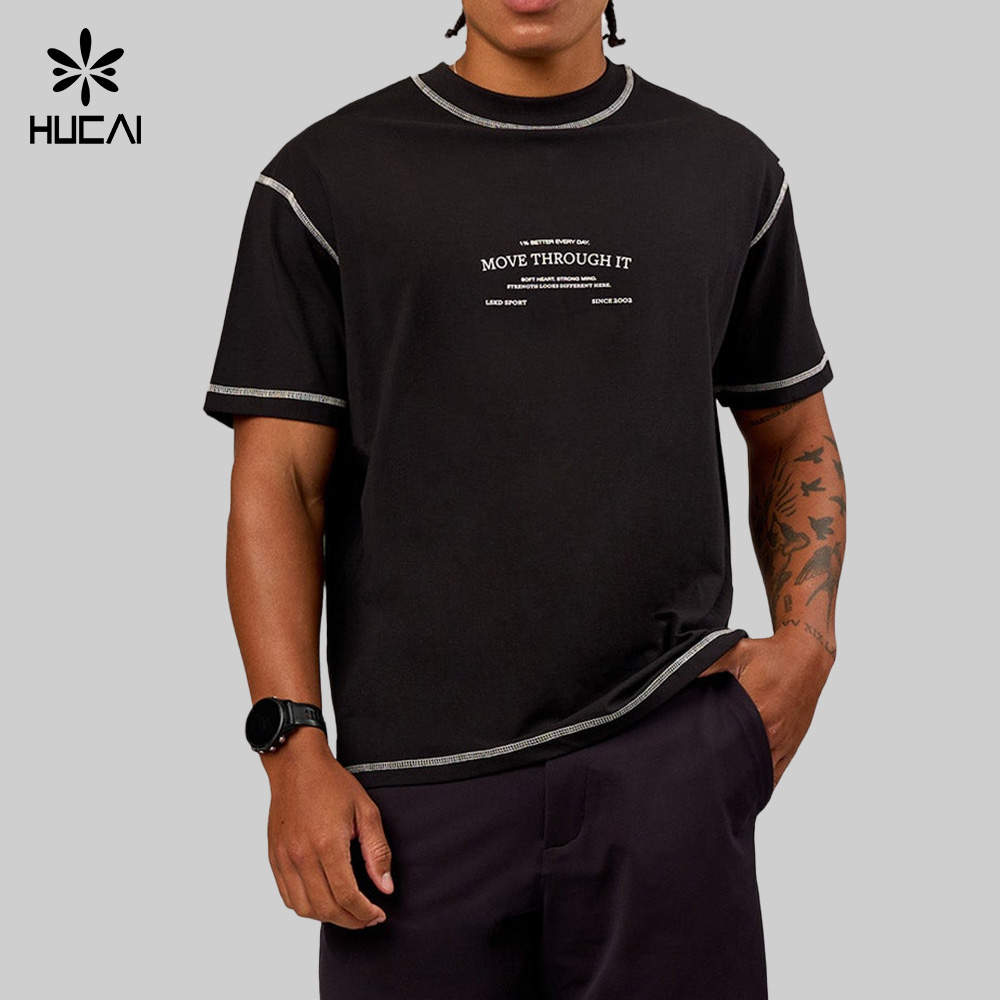
Fabric weight, shoulder structure, neckline, branding, and gym culture products.
| Best For | How to Use These Directions |
|---|---|
| For Startup Brands | Compare product categories, fabric direction, fit risks, and first sample priorities. Use these directions to decide what to develop first before starting a sample round. |
| For Growing Brands | Turn reference images, market ideas, or capsule plans into a clearer ODM development brief. Use each direction to align product roles, fabric needs, fit details, and sample priorities. |
| For Established Brands | Review tech packs, product gaps, sample standards, and sample-to-bulk consistency before production. Use these directions to check whether each product role, fabric, trim, and fit detail is clear enough. |
| For Private Label Buyers | Plan fabric, fit, logo, labels, packaging, trims, and sample details before sending an inquiry. Use these directions to prepare a clearer brief for OEM, ODM, or private label development. |
Yes, a brand can often start from reference images if the project is still in the ODM or early development stage. Reference images can help define the product direction, but they should be supported by notes on fabric feel, fit target, function, color, branding, and intended use. For OEM production, a more complete tech pack is usually needed because measurements, construction details, trims, and grading expectations must be clearer before bulk planning.
Private label buyers should prepare the target product categories, reference styles, fabric direction, fit preference, size range, color plan, logo method, label requirements, packaging needs, and estimated quantity. If the project includes technical products such as compression tights, running shorts, or lightweight jackets, additional details such as stretch, recovery, pocket layout, ventilation, and seam placement should also be discussed. This gives the development team a clearer basis for sample planning and quotation review.
The choice should depend on the brand's target customer, product role, and first capsule strategy. Hybrid training wear works well for brands building run / train / recover capsules. Compression wear needs stronger attention to compression level, recovery, coverage, waistband pressure, and seam placement. Gym-to-street basics are better for brands that want performance tees, lined shorts, joggers, hoodies, and track pants with all-day wearability. Each direction should lead to different fabric and sample priorities.
Training shorts are a key direction because small structural choices can strongly affect comfort, function, and sample approval. Inseam length, liner or linerless construction, waistband support, drawcord, phone pocket, zip pocket, shell fabric, stretch, and anti-chafe seam placement all change how the product performs. For private label brands, reviewing these details early helps avoid developing a generic short that does not match the target training scenario.
Market signals become useful for B2B development only after they are translated into product decisions. A trend such as hybrid training should be converted into specific items, such as technical tees, training shorts, joggers, quarter-zips, and lightweight jackets. Each item then needs fabric, fit, weight, stretch, pocket, trim, and sample review logic. This translation helps brands move beyond inspiration and build a practical OEM or ODM brief.
These directions are most useful for growing men's activewear brands, startup brands, and private label buyers that need a clearer product roadmap before sampling. They are also helpful for established brands reviewing gaps in an existing line. A growing brand may use the directions to plan a run / train / recover capsule, while an established brand may use them to check whether fabric, fit, trims, and sample standards are complete enough for production.
A direction becomes sample-ready when the product role, fabric behavior, fit target, construction details, branding method, and usage scenario are clear enough to brief a sample team. For example, training shorts should not only be defined as "shorts"; inseam, liner, waistband, pocket system, shell fabric, stretch, and anti-chafe details should also be reviewed. Clearer direction reduces avoidable revisions and helps the supplier evaluate feasibility earlier.
Brands can use these collection directions to turn early product research into a clearer development brief. Each direction helps organize product roles, fabric direction, fit details, structure priorities, and sample review points before moving into OEM, ODM, or private label development. For startup brands, this can help decide what to sample first. For growing brands, it can turn market references into a more structured capsule plan.
Share your tech pack, reference images, target market, product type, fabric direction, and branding requirements. HUCAI activewear can help organize the next step through OEM, ODM, or private label development support.