
Latest Sportswear Trends and Innovations
 Autumn Running Fabrics: How to Choose Between Lightweight Warmth, Breathability and LayerabilityOct 30,2026Autumn running sits in a narrow temperature band where fabric choice decides whether a runner stays comfortable or swings from overheated to chilled. This guide covers how to separate lightweight warmth from bulk, how to read breathability through vapour transfer and air permeability, how to design a two or three piece stack in the pattern room, and which wash, recovery and pilling checks to validate before bulk production.
- How to Develop a Men's Training Set as a Coordinated Product SystemOct 29,2026A men's training set is a coordinated product system, not two styles sold together. This guide covers how to define the set role, build one fabric family across top and bottom, control colour and panel continuity, consolidate trims into one BOM, hold proportion through grading, and approve a paired wash before bulk production.
- Training to Everyday Wear: How Men's Activewear Can Cross Use Cases Without Losing PerformanceOct 28,2026Cross-use men's activewear is a specification problem, not a styling theme. This guide sets out how brands define a use ladder, protect fabric opacity and recovery, reduce trim volume, keep the block honest in seated and reaching postures, and validate dual-use claims in sampling before bulk production.
- Performance Tailoring in Men's Activewear: Bringing Cleaner Silhouettes Into Functional ApparelOct 27,2026A cleaner men's silhouette is decided in the block, not the design file. This guide sets out the four lines that define a silhouette, how tailoring technique translates into stretch knits, which test logic predicts line drift, and the seam, grading and inspection points that keep the line intact from sample to bulk.
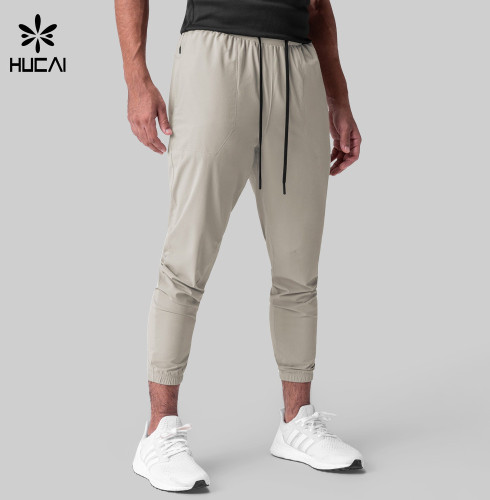
- Men's Running Trousers: How to Develop a More Technical Alternative to Standard JoggersOct 26,2026Most men's running trousers are joggers with a new label. This guide sets out the four decisions that make a trouser technical - product role, fabric base, articulated pattern and secure storage - plus the seam, test and sample validation steps that cut revision rounds before bulk.
- How to Build a Cohesive Men's Activewear Collection Across Tops, Shorts and LayersOct 24,2026A cohesive men's activewear collection is built from five shared decisions, not matching prints: role definition for tops, shorts and layers; one fabric platform; one fit family on a shared body block; a controlled color and trim architecture; and the interfaces where layers sit over tops. This guide covers sampling checks and the production controls that hold the system through bulk. Written for men's activewear brands developing OEM or ODM ranges with HUCAI activewear.
- How to Build a Marathon Capsule Collection Across Race Day, Training and RecoveryOct 22,2026A marathon capsule needs six to nine styles across three roles: race day, training and recovery. This guide covers role definition, fabric families, SKU and color architecture, interface testing at sample stage, and the checkpoints that keep a capsule consistent from approved sample to bulk. Written for men's running brands running OEM or ODM development with HUCAI activewear.
- Ventilation Mapping in Men's Performance Apparel: Where Mesh and Airflow Zones Actually MatterOct 20,2026A development guide to ventilation mapping in men's performance apparel: where mesh and airflow zones belong, how open mesh, micromesh and laser perforation behave, what to test before bulk, and how to keep the vent layout consistent in production.
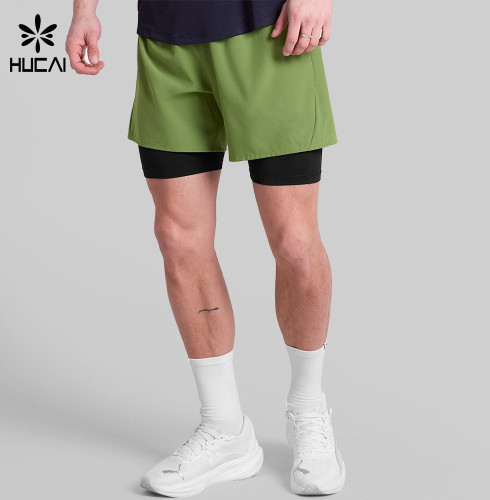
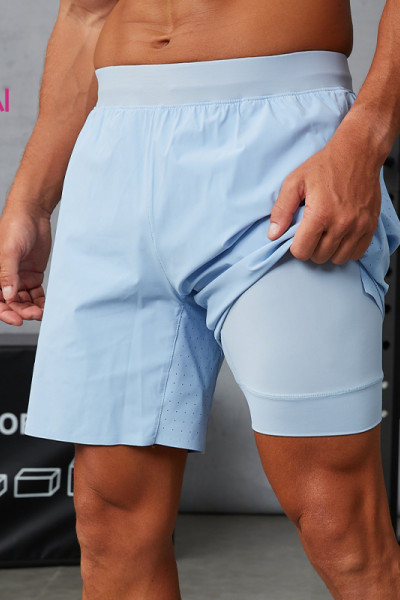
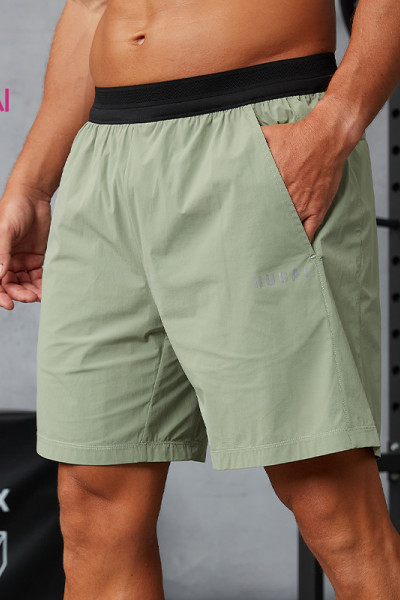
- Running Shorts Storage Systems: How to Add Pockets Without Bounce or BulkOct 19,2026A development guide to storage systems in men's running shorts: how waistband, rear zip and liner pockets carry different loads, why bounce is a load-path problem rather than a pocket-count problem, how fabric and trim choices create bulk, and which placement, construction and after-wash checks to confirm before bulk production.
- Reflective Placement in Men's Running Apparel: How to Improve Visibility Without Overdesigning the GarmentOct 15,2026Reflective detailing is judged in the dark, so it should be specified as a visibility function rather than added as decoration. This guide sets out what retroreflective material actually does, which body zones earn a reflective placement, how heat transfer, silicone, bonded tape and laser perforation behave on knit and woven running fabrics, and what to lock in the placement drawing before sampling and bulk production.
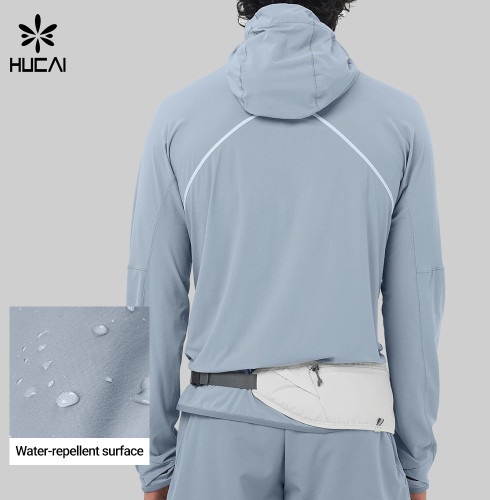
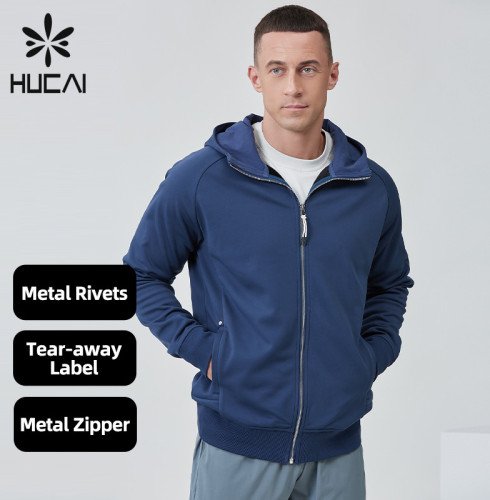
- Men's Running Jackets: How to Balance Wind Protection, Breathability and PackabilityOct 14,2026A men's running jacket has to resolve three competing demands in one garment: blocking wind, releasing heat and moisture, and packing down small enough to carry. This guide sets out how fabric density, venting placement, hardware and decoration decisions decide that balance, plus the pattern, sample and bulk-production checkpoints that keep a running jacket range consistent.
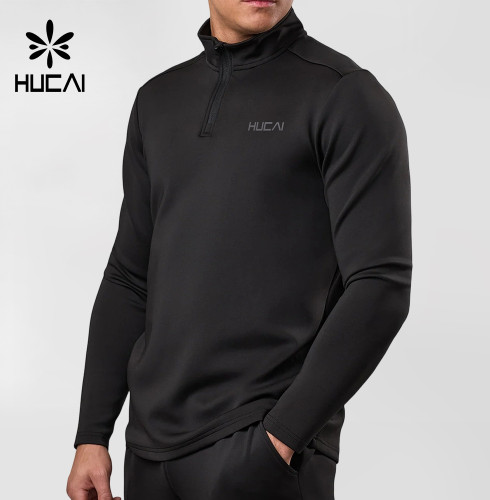
- How to Build a Men's Running Apparel Layering System for Fall and WinterOct 12,2026A fall and winter running layering system is four functional layers built as one unit: a next-to-skin base layer, an insulating midlayer, a wind and light-weather shell, and a legs layer of tights or technical trousers. This guide sets out each layer's job, the fit block and transitions that let the layers combine, and the sample-to-bulk checkpoints that keep collar, zip, hem and cuff relationships consistent from approved sample to shipped bulk.
Are you looking for a reliable manufacturer of down home textile products?
We can quickly provide customers with market analysis, technical support and customized services.Get In Touch
Hucai activewear manufacturer has 25 years of experience in producing fashion sportswear. We specialize in offering one-stop OEM and ODM services to sportswear brands and fitness influencers in Europe, the USA, Australia, and the Middle East. Our team of 25 professionals provides customized proposals and a wide range of design options.With over 100 skilled workers, 15 technical staff, and 4 pattern makers, we use MES systems and smart equipment, backed by a 5-step quality control process. Hucai is BSCI certified and has a global logistics network to ensure quality and timely delivery. For any inquiries, please feel free to contact us. We look forward to working with you!
- Name
- Phone
- *Title
- *Content
Please pay attention to the email with the suffix “@hcsportswear.com”or“@fcsportswear.com”.