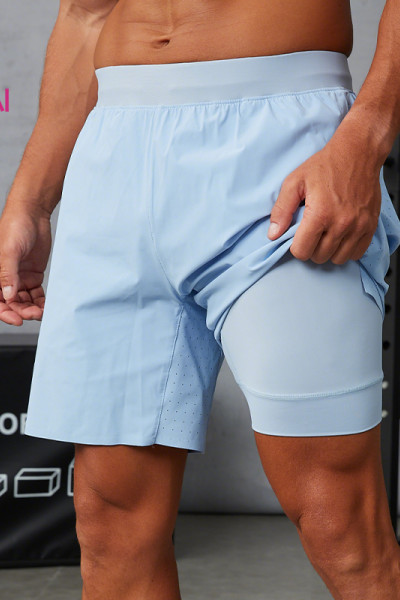
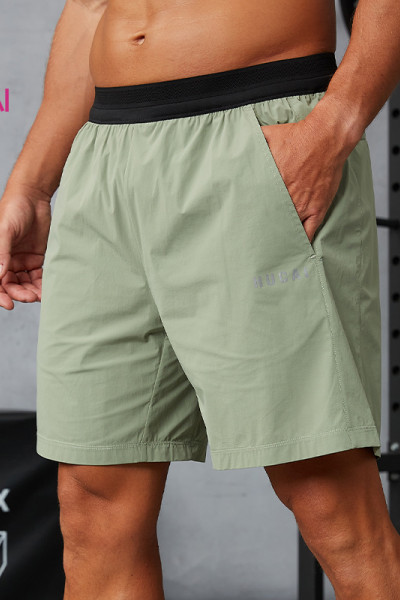
Men's Training Sets vs Individual Pieces: How Growing Brands Should Plan SKU Strategy
As men's activewear brands grow from a single hero product to a full collection, one of the first strategic decisions they face is whether to sell training sets or individual pieces. This choice affects everything from fabric planning and color consistency to pricing structure, inventory risk and how buyers perceive the brand. At HUCAI activewear, we work with growing brands and private label buyers who are moving from individual tee or short orders to coordinated collections. This guide explains how to think through the set-vs-piece decision based on brand stage, market channel and production feasibility.
Quick Answer
Growing men's activewear brands should start with individual pieces to test fit, fabric and market response, then introduce training sets once color consistency, fabric family and sizing are confirmed. Sets drive higher average order value and stronger brand perception but require more precise collection planning and carry higher inventory risk if color or fabric choices do not resonate.
Table of Contents
- Who This Article Is For
- Individual Pieces: Lower Risk, Faster Testing
- Training Sets: Higher Perceived Value, Stronger Branding
- SKU Strategy: How Sets Affect Planning
- Fabric Family and Color Consistency
- Decision Check: Brand Stage and Channel Match
- Manufacturer Insight: What Sets Require from Production
- FAQ
- Final Takeaway
Who This Article Is For
- Growing brands moving from one-product testing to multi-piece collections
- Private label buyers deciding whether to launch sets or individual SKUs first
- Established brands reviewing SKU efficiency and color story consolidation
Why Set vs. Piece Strategy Matters
The decision between sets and individual pieces is not only a merchandising choice. It shapes how fabrics are sourced, how color stories are planned, how patterns are graded and how production batches are structured. HUCAI activewear supports brands through this transition by reviewing fabric family compatibility, color consistency across pieces and size grading alignment before samples are cut.
Individual Pieces: Lower Risk, Faster Testing
Selling individual pieces—one tee, one short, one hoodie—remains the most common entry point for startup and growing brands. It allows each product to succeed or fail on its own merits without dragging down an entire set.
The practical advantages include:
- Lower inventory risk: If a color does not sell, you are left with one SKU rather than a full set
- Faster market testing: A brand can launch three individual pieces in different colors and see which combinations buyers prefer before committing to coordinated sets
- Simpler production scheduling: Individual pieces can be produced in smaller batches with fewer dependencies between styles
For brands working with a men's activewear manufacturer for the first time, individual pieces also reduce the complexity of sample development. Each piece is reviewed, revised and approved independently.
Training Sets: Higher Perceived Value, Stronger Branding
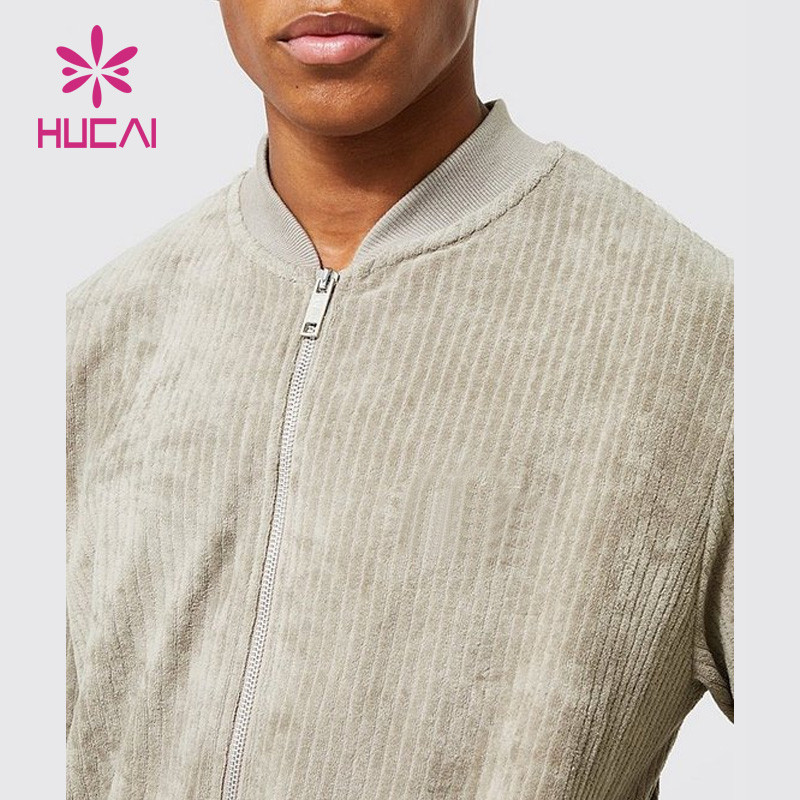
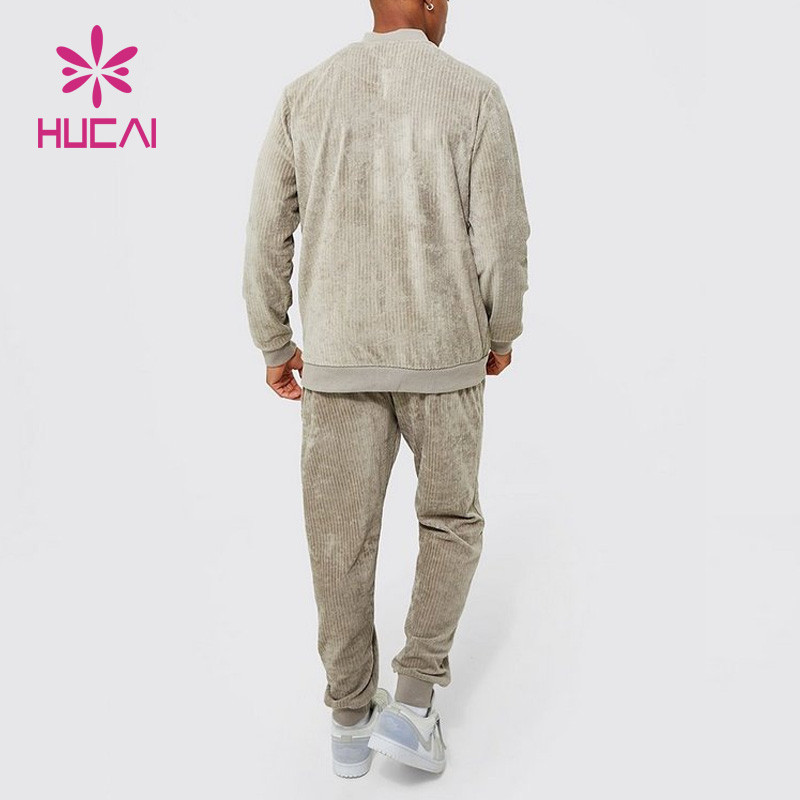
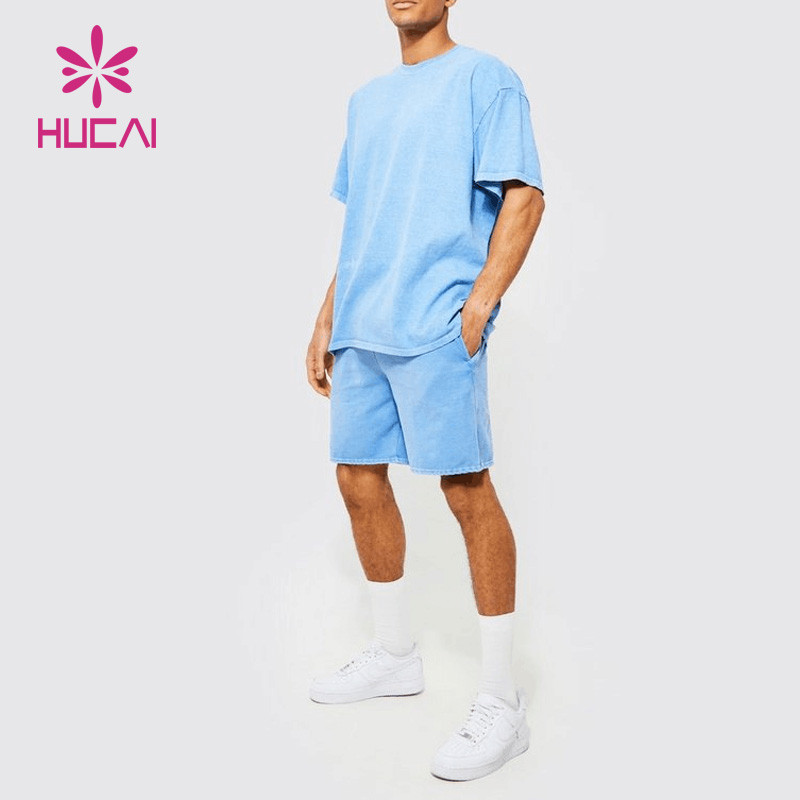
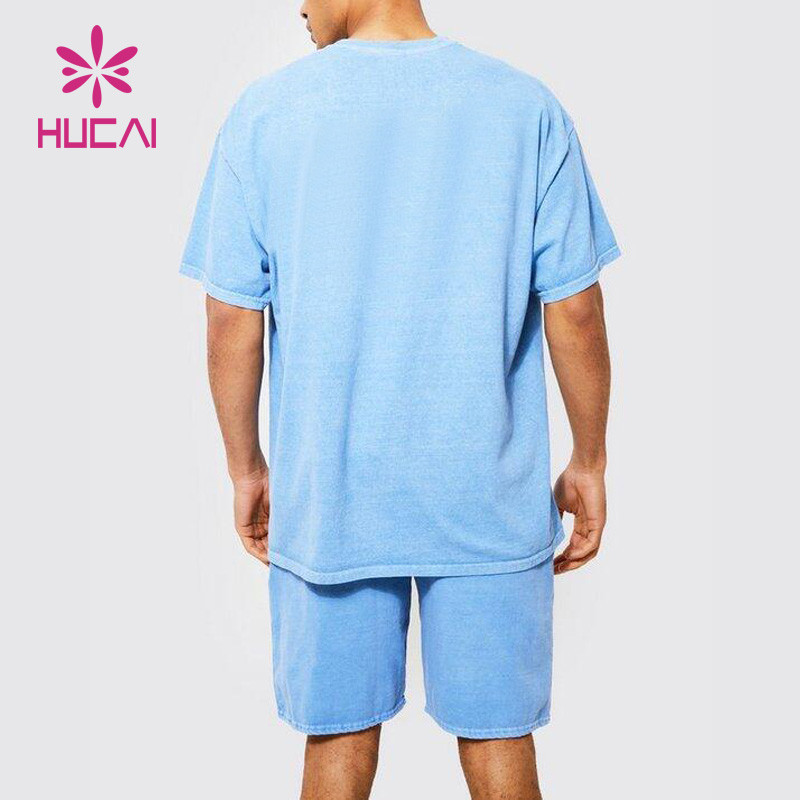
Training sets—matching tees and shorts, coordinated tops and joggers, or full workout kits—signal collection maturity. They photograph well for ecommerce, appeal to buyers looking for ready-coordinated outfits, and often drive higher average order value.
Sets work best when three conditions are met:
- Fabric family consistency: The tee and short should feel like they belong together, not like two random garments paired in a photo
- Color accuracy across pieces: A heather gray tee and matching shorts must use the same dye lot or color recipe to avoid visible mismatch in flat lays or on-body shots
- Fit alignment: A relaxed tee paired with a slim short can work stylistically, but the overall silhouette must feel intentional rather than accidental
HUCAI activewear helps brands plan set consistency by reviewing fabric handfeel, color matching and fit family across pieces during the development phase. This prevents the common issue where a set looks coordinated in a tech pack but mismatched in the sample.
SKU Strategy: How Sets Affect Planning
Moving from individual pieces to sets multiplies SKU complexity quickly. A brand selling three individual pieces in three colors and three sizes has 27 SKUs. If those same three pieces are sold as sets, the SKU count depends on how the sets are configured:
- Fixed sets: Tee + Short as one SKU in three colors and three sizes = 9 SKUs. Simpler but less flexible for buyers
- Mix-and-match sets: Buyers choose any tee and any short. The brand still produces 18 individual SKUs, but merchandises them as a collection. More flexible but requires stronger inventory management
For growing brands, fixed sets are usually easier to manage in early production runs. Mix-and-match works better once sales data shows which color combinations actually sell together.
Fabric Family and Color Consistency
One of the most common set-development failures we see is fabric mismatch. A performance tee in 160 gsm polyester-spandex and a short in 280 gsm French terry may both be great products individually, but they do not read as a set because the handfeel, stretch behavior and visual weight are too different.
Successful sets typically use:
- The same base fabric type across pieces, or fabrics from the same supplier family
- Consistent dye lots or color recipes confirmed before bulk cutting
- Similar wash and finishing treatments so pieces age consistently
At HUCAI activewear, fabric library coordination and pre-production color confirmation help brands avoid the frustration of receiving a set where the top and bottom look like they came from different collections.
Decision Check: Brand Stage and Channel Match
| Brand Stage | Recommended Approach | Rationale |
|---|---|---|
| Startup | Individual pieces only | Test fit, fabric and price before committing to coordination |
| Growing (DTC) | Individual + 1-2 fixed sets | Sets improve AOV and brand perception without full collection risk |
| Growing (Wholesale) | Individual pieces with set lookbook | Retailers often prefer to buy individual SKUs and merchandise themselves |
| Private label | Flexible set or piece options | Allows client to choose configuration based on their channel |
Planning your first men's activewear collection? Share your product direction and target market to review whether sets or individual pieces fit your current stage.
Manufacturer Insight: What Sets Require from Production
Sets demand tighter coordination across development stages than individual pieces. Pattern grading must align so a medium tee and medium short fit the same target body consistently. Fabric delivery must be timed so both pieces can be cut from the same dye lot. Quality checkpoints must verify color matching and construction consistency across styles, not just within one garment.
HUCAI activewear handles this through:
- Coordinated sample development where multiple pieces are reviewed side by side
- Fabric and trim batch tracking to confirm color and handfeel consistency
- Pre-production alignment meetings before bulk cutting to catch mismatches early
Brands that plan set coordination during development rather than after sample approval save time and avoid costly bulk revisions.
FAQ
What is the MOQ for custom men's activewear sets?
MOQ typically starts from 100 pcs per style. For sets, this usually applies to each piece in the set individually. The exact number depends on fabric, color count, size range and customization level.
Can we start with individual pieces and move to sets later?
Yes. Many brands HUCAI activewear works with begin with individual pieces to confirm fit and fabric, then introduce sets in a second or third production round once color stories and sizing are validated.
Do we need a tech pack before starting OEM or ODM development?
For OEM, a tech pack speeds up sampling significantly. For ODM, reference images, target fit descriptions and fabric preferences are often enough to begin development. The level of detail needed depends on how much design direction the brand already has.
How should brands choose between fixed sets and mix-and-match?
Fixed sets are simpler for production and inventory management. Mix-and-match gives buyers more choice but requires producing and stocking more individual SKUs. Early-stage brands usually benefit from fixed sets until sales data justifies expanding to mix-and-match.
What usually causes color mismatch between set pieces?
Different fabric bases absorb dye differently. A polyester-spandex tee and a cotton-poly short may use the same Pantone reference but look slightly different in person. The solution is to confirm lab dips on each fabric type and review physical samples under consistent lighting before bulk approval.
Should sets use identical branding across pieces?
Not necessarily identical, but coordinated. A chest logo on the tee might be paired with a small woven hem tag on the short. The key is that branding placement and method feel intentional across the collection rather than random.
How does set development affect sample timing?
Set development usually requires reviewing multiple pieces together, which can add one round to sample coordination. However, planning the full set upfront—rather than adding pieces one by one—often reduces overall development time.
What should be confirmed before bulk production of a set?
Fabric family compatibility, confirmed color matches across pieces, aligned size grading, coordinated branding placement and agreed packaging configuration. These confirmations prevent the most common set-production issues.
Final Takeaway
Individual pieces offer lower risk and faster testing for early-stage brands. Training sets drive higher perceived value and stronger collection identity but require tighter fabric, color and fit coordination. The right approach depends on brand stage, sales channel and production readiness. Planning set consistency during development—not after sample approval—is what separates collections that look professional from those that look accidental.