Men's Training Joggers vs Sweatpants: How Brands Should Choose Silhouette and Fabric for Different Markets
When growing brands plan their men's bottom collections, one of the most common product development questions is whether to develop training joggers, classic sweatpants, or both. The silhouette, fabric weight, and construction details differ significantly between these two categories, and choosing the wrong direction can lead to inventory mismatches, fit complaints, or missed market opportunities. For brands working with a custom men's activewear manufacturer, understanding when to specify joggers versus sweatpants is essential to building a coherent product line. HUCAI activewear helps men's gym wear brands evaluate silhouette choice, fabric behavior, and market fit before sample development begins.
Quick Answer
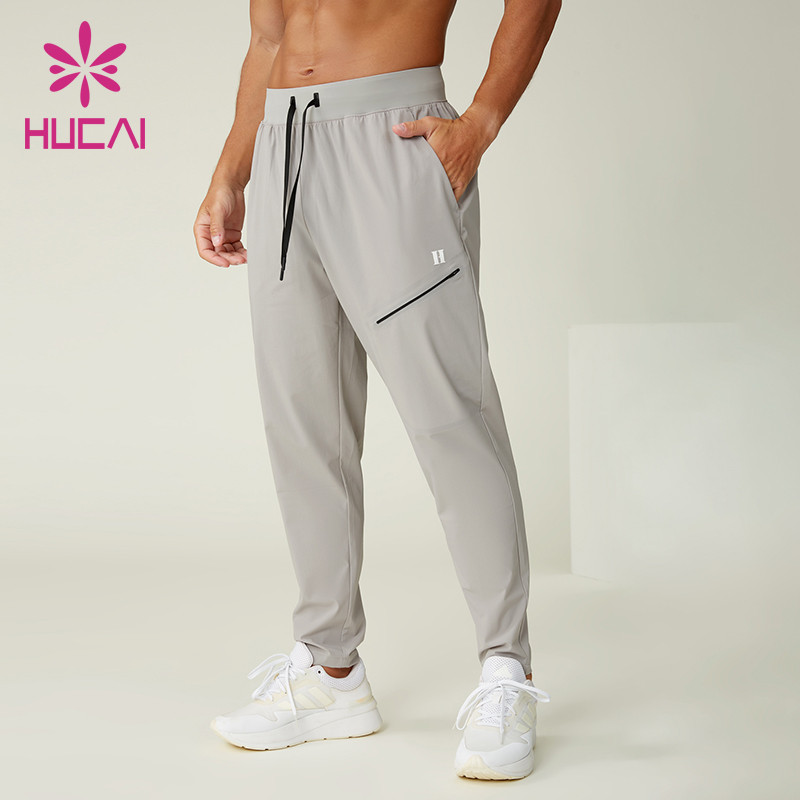
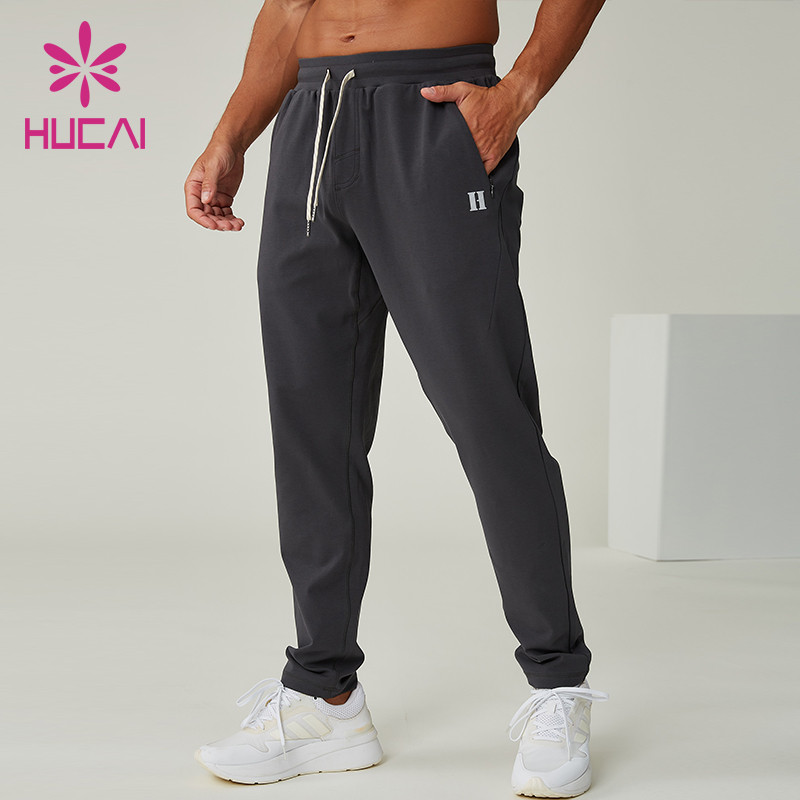
Training joggers feature a tapered leg, cuffed ankle, lighter fabric, and performance-oriented construction for gym and active use. Sweatpants have a relaxed straight leg, open or elastic ankle, heavier fleece fabric, and a casual recovery-focused silhouette. Brands targeting gym and hybrid training markets should prioritize joggers. Brands focused on loungewear, recovery, or cold-weather casual should prioritize sweatpants. Many growing labels successfully offer both with clear product-role separation.
Table of Contents
- Who This Article Is For
- Silhouette: Tapered Jogger vs Relaxed Sweatpant
- Fabric Weight and Construction Differences
- Function: Training, Loungewear, or Hybrid?
- Market Positioning by Region and Audience
- Construction Details: Pockets, Waistband, Cuffs
- Decision Check
- Manufacturer Insight
- FAQ
- Final Takeaway
Who This Article Is For
This article is for startup and growing men's activewear brands deciding how to structure their bottom collection. If you are unsure whether to develop joggers, sweatpants, or both, and need manufacturer-level guidance on fabric, fit, and market positioning, this guide will help you make an informed product decision.
What You Will Gain From This Guide
- Clear differentiation between joggers and sweatpants from a manufacturing perspective
- Fabric weight and construction guidance for each silhouette
- Market-specific recommendations by region and brand stage
- Practical construction details that affect cost and function
- Insight into how HUCAI activewear structures jogger and sweatpant development
Silhouette: Tapered Jogger vs Relaxed Sweatpant
The most visible difference between joggers and sweatpants is the leg shape. Joggers taper from the knee to the ankle, creating a closer fit that works well with training shoes and gym environments. Sweatpants maintain a straighter, more relaxed leg from hip to hem, prioritizing ease of movement and comfort over streamlined aesthetics.
This silhouette difference is not just aesthetic. It affects pattern complexity, fabric consumption, and grading. Joggers require more precise pattern work at the knee and calf to achieve a clean taper without restricting movement. Sweatpants are more forgiving in pattern but need careful waistband and rise proportion to avoid a sloppy look.
For brands building a men's gym wear line, the tapered jogger is usually the safer starting point. It aligns with current training aesthetics, pairs well with fitted tops, and transitions easily from gym to street. Sweatpants work better as a secondary offering for recovery, loungewear, or cold-weather collections.
Fabric Weight and Construction Differences
Fabric choice is where joggers and sweatpants diverge most significantly in production planning.
| Feature | Training Joggers | Classic Sweatpants |
|---|---|---|
| Typical GSM | 260-320 | 320-400 |
| Fabric type | French terry, performance knit, tech fleece | Brushed fleece, cotton-poly blend |
| Stretch requirement | 4-way stretch preferred | 2-way or minimal stretch acceptable |
| Interior finish | Smooth or loop-back terry | Brushed for warmth |
| Weight priority | Lightweight, breathable | Warmth, softness |
Joggers intended for gym use need fabrics that handle sweat, allow squat depth, and recover shape after repeated wear. Sweatpants can prioritize comfort and warmth because they are not subjected to the same movement intensity.
HUCAI activewear reviews fabric behavior during sample development for both categories. A jogger fabric that looks good on the swatch may fail in a deep squat test. A sweatpant fleece may pill after minimal wear. These discoveries belong in sampling, not in bulk production.
Function: Training, Loungewear, or Hybrid?
The intended function should drive the design decision more than trends. A brand that markets itself as a performance training label but ships relaxed sweatpants will confuse its audience. A loungewear brand that pushes tapered joggers may find its customers expecting gym functionality that the product was never designed to deliver.
Training Function
If the primary use case is gym, CrossFit, or running, joggers are the clear choice. Specify tapered legs, cuffed ankles, zip or secure pockets, and moisture-managing fabric. The waistband should stay in place during movement, and the inseam should accommodate dynamic range without riding up.
Loungewear and Recovery Function
For rest-day, travel, or home wear, sweatpants offer the comfort and warmth customers expect. Specify a relaxed fit, soft brushed interior, and a waistband that prioritizes comfort over lockdown. Deep side pockets and a slightly longer inseam add to the relaxed feel.
Hybrid Function
Some brands successfully offer hybrid bottoms that bridge training and casual. These typically use a jogger silhouette with a slightly heavier fabric, or a sweatpant cut with performance features. The key is clarity in product messaging. Customers should understand exactly what they are buying.
Market Positioning by Region and Audience
Different markets have different expectations for joggers and sweatpants.
In the US and Australia, the tapered jogger dominates gym and streetwear culture. Brands targeting these markets should lead with joggers and treat sweatpants as a cold-weather or recovery add-on. Oversized sweatpants have niche appeal in streetwear but are less common in performance-focused lines.
In the UK and Northern Europe, both silhouettes have strong demand. Joggers serve the training market, while heavier sweatpants are essential for colder months. Brands entering these markets often need both, with clear seasonal positioning.
For startup brands with limited SKU budgets, we typically recommend starting with one well-executed jogger style. It offers broader market appeal, cleaner branding opportunities, and more versatile styling. Sweatpants can be added once the core training line is established.
Construction Details: Pockets, Waistband, Cuffs
Small construction choices have outsized impact on how joggers and sweatpants perform and how customers perceive quality.
Pockets
Joggers benefit from secure pocket solutions. Zip pockets prevent phone loss during training. Hidden internal pockets add utility without disrupting the silhouette. Sweatpants can use deeper, simpler pockets since security during movement is less critical.
Waistband
Joggers need a waistband that stays put during activity. This usually means a wider elastic band with internal drawcord, or a ribbed waist with sufficient recovery tension. Sweatpants can use a softer, more relaxed waistband. The drawcord exit placement matters for both: front exits are standard, but side exits can improve comfort when lying down or stretching.
Cuffs and Hem
Jogger cuffs should be snug enough to stay in place but not so tight that they create pressure marks or restrict ankle movement. Rib cuffs with 2x2 or 1x1 construction are standard. Sweatpants may use elastic hem, open hem, or rib cuff depending on the intended look. Open hem sweatpants read more casual and vintage; rib cuff reads more athletic.
Seams and Stress Points
Joggers used for training need reinforced seams at the crotch, inner thigh, and pocket attachment points. Bar-tacking or reinforced stitching at these stress points extends garment life. Sweatpants need less reinforcement but still benefit from quality seam construction to prevent twisting and sagging after washing.
Decision Check
Before finalizing your jogger or sweatpant development plan, confirm:
- Is your primary use case training, loungewear, or hybrid?
- Does your target market expect tapered joggers, relaxed sweatpants, or both?
- Have you specified fabric weight and stretch requirements for the intended function?
- Are pocket, waistband, and cuff details aligned with how customers will actually use the product?
- Have you planned sample fit testing that includes movement and layering scenarios?
Need help deciding between joggers and sweatpants for your collection? Share your target market and style direction and we will recommend the right silhouette, fabric, and construction approach.
Manufacturer Insight: Common Development Issues
A common issue we see in jogger development is brands requesting a heavy fleece fabric in a tapered silhouette. The result is a stiff, bulky jogger that does not drape well and restricts movement. Joggers need fabrics with enough structure to hold the taper but enough softness to move with the body.
On the sweatpant side, brands sometimes specify overly relaxed fits that look good flat but sag awkwardly after a few wears. The issue is usually insufficient recovery in the waistband elastic or fabric that stretches out at stress points. These problems are caught during sample wear testing, which is why HUCAI activewear includes fit and movement checkpoints before bulk approval.
Another frequent challenge is inconsistent sizing between joggers and sweatpants within the same collection. Because the silhouettes fit differently, a size medium jogger and a size medium sweatpant may not feel equivalent to the customer. We recommend defining separate fit blocks for each silhouette and grading accordingly, rather than forcing one block onto both styles.
FAQ
What is the MOQ for custom men's joggers or sweatpants?
MOQ typically starts from 100 pieces per style, depending on fabric, color count, size range, and customization. Joggers with zip pockets or bonded seams may have different trim requirements than basic sweatpants, which can affect minimums.
Can you develop both joggers and sweatpants from reference images?
Yes. HUCAI activewear supports ODM development for brands with reference images or style direction. We help define fabric, fit, construction, and sample priorities based on your target market and use case.
How should brands choose between French terry and brushed fleece for joggers?
French terry is lighter, more breathable, and better suited for gym and training joggers. Brushed fleece is warmer, softer, and better for casual or cold-weather sweatpants. The choice depends on intended function, target climate, and how the piece fits into your collection.
Do we need separate tech packs for joggers and sweatpants?
Ideally, yes. Because the silhouettes, fabrics, and construction details differ, separate tech packs produce better samples. If you are starting with one style, we recommend developing the jogger tech pack first, then adapting it for sweatpants with adjusted measurements and fabric specs.
What causes jogger cuffs to lose shape after washing?
Cuff deformation is usually caused by low-quality rib with poor recovery, incorrect cuff attachment tension, or fabric shrinkage that pulls the cuff out of shape. These issues are addressed by sourcing rib with confirmed recovery data, controlling stitch tension during assembly, and including shrinkage testing in the sample review.
How do brands balance jogger taper with different body types?
Fit testing across multiple body types during sampling is essential. A taper that looks clean on one fit model may feel tight on another. We recommend testing with at least two body types per size and adjusting the knee and calf circumference before finalizing the pattern.
What should be confirmed before MOQ discussion for bottoms?
Confirm the silhouette direction, target fabric weight, stretch requirement, pocket style, waistband construction, cuff type, size grading, logo placement, and intended order structure. These factors directly affect pricing and minimum quantities.
How long does jogger or sweatpant sampling usually take?
Sample timing depends on fabric availability, pattern work, trim sourcing, and revision rounds. Bottoms with specialized features like zip pockets or bonded seams may require additional time. Planning sample development 4-6 weeks before your target approval date provides a safer buffer.
Final Takeaway
Joggers and sweatpants serve different roles in a men's activewear collection, and the choice between them should be driven by use case, target market, and brand positioning rather than trends. Training-focused brands should lead with tapered joggers in performance fabrics. Loungewear and recovery-focused brands should prioritize relaxed sweatpants in soft, warm fleece. Brands with sufficient SKU capacity can offer both, but only with clear product-role separation that prevents customer confusion.
If you are developing men's bottoms and need support with silhouette selection, fabric sourcing, or sample coordination, contact our team to review your project details.