Men's Football-Inspired Training Wear: How UK and European Brands Use Athletic Aesthetics
Football-inspired training wear has become one of the most visible directions in men's gym wear across the UK and Europe. Brands entering this space need more than a visual reference. They need to understand how athletic aesthetics translate into fabric choice, construction logic, and product positioning that works for training, not just match day. For custom men's activewear manufacturers and private label buyers, this category presents a clear opportunity if the development decisions are grounded in function rather than trend imitation.
HUCAI activewear supports growing brands that want to build football-inspired training collections with real athletic performance behind the styling. This guide explains what UK and European brands look for, how to translate pitch aesthetics into gym wear construction, and where most development projects go off track.
Quick Answer
Football-inspired men's training wear combines pitch aesthetics with gym functionality. UK and European brands typically prioritize lightweight quick-dry fabrics, slim athletic silhouettes, subtle panel detailing, and colorways that reference club kit conventions without infringing on trademarks. The key is building a training-specific product that borrows styling language from football rather than replicating kit design. Fabric weights between 160-200gsm, raglan or set-in sleeve construction with mobility focus, and streamlined pocket systems create the right balance of visual identity and training performance.
Table of Contents
- Who This Article Is For
- Why Football-Inspired Training Wear Matters in UK and European Markets
- The Athletic Aesthetic: What UK and European Brands Actually Want
- Fabric and Weight Decisions for Football-Inspired Training Pieces
- Construction Details: Sleeves, Panels, and Seam Placement
- Color Story and Kit Language Without Trademark Risk
- Training Product Roles: Warm-Up, Session, and Recovery
- Common Development Mistakes
- Decision Check
- Manufacturer Insight
- FAQ
- Final Takeaway
Who This Article Is For
- Growing brands in the UK and Europe looking to tap into football culture for a men's training wear collection.
- Private label buyers who want a football-inspired capsule with performance construction, not costume design.
- Startup brands evaluating whether football aesthetics fit their men's activewear positioning.
- Established brands expanding into training sets and need a manufacturer that understands athletic construction and panel detailing.
Why This Guide Is Worth Your Time
This article is written from a manufacturer and product development perspective. It explains how to translate football-inspired visual direction into men's gym wear that actually functions in training environments. HUCAI activewear develops men's activewear for brands across the UK, Ireland, Netherlands, and Western Europe, with experience in training tops, shorts, tracksuits, and layering pieces that balance aesthetic identity with performance construction.
Why Football-Inspired Training Wear Matters in UK and European Markets
Football culture is not a seasonal trend in the UK and most of Europe. It is a year-round social and commercial reality that influences what men wear to the gym, to training sessions, and to casual athletic environments. Brands that understand this connection can build collections that feel locally relevant rather than globally generic.
The opportunity is not in copying club kits. It is in creating training wear that shares the visual language of football while solving the actual needs of gym training, functional fitness, and hybrid athletic use. The brands that succeed here treat football as a design reference, not a product brief.
For a men's activewear manufacturer, this means the development conversation shifts from "make it look like football" to "make it perform like training, with football aesthetics as a styling layer." That distinction determines fabric choice, construction detail, and how the product fits into a broader collection.
The Athletic Aesthetic: What UK and European Brands Actually Want
When UK and European brands ask for "football-inspired training wear," they are usually describing a set of visual characteristics that have become associated with modern kit design. Understanding these characteristics helps separate the styling layer from the construction requirements.
Slim, Athletic Silhouette
Football kits sit close to the body for movement efficiency. Training wear inspired by this aesthetic usually follows a similar slim-to-regular fit, but with stretch and recovery properties suited to gym work rather than match play. The difference is critical: a football kit may prioritize aerodynamics and sponsor visibility, while training wear must handle repeated squats, presses, and dynamic movements without restricting range of motion.
Panel and Seam Detailing
Modern football kits often use contrast panels, asymmetric seams, and color blocking to create visual structure. In training wear, these panels can serve both aesthetic and functional roles if placed correctly. Underarm panels, side torso inserts, and back yoke panels can improve ventilation and mobility while reinforcing the athletic aesthetic.
Streamlined Neckline and Collar
Many football-inspired training tops use a clean crew neck or a shallow collar rather than deep V-necks or wide scoop necks. This creates a more structured, athletic appearance that reads as intentional rather than casual. Collar construction becomes more important in this context because a flimsy or poorly ribbed neckband undermines the entire aesthetic.
Minimal Branding Zones
Football kit culture is centered on badge and sponsor placement. Training wear inspired by this tradition typically concentrates branding in a chest logo position and sleeve or back detail, rather than scattering logos across the garment. This approach supports premium positioning and keeps the product looking purposeful rather than over-decorated.
Fabric and Weight Decisions for Football-Inspired Training Pieces
Fabric choice is where football-inspired training wear separates from actual football kit. Pitch kit is optimized for 90 minutes of high-intensity interval running in outdoor conditions. Gym training and functional fitness demand different fabric behaviors: more stretch recovery, more durability against equipment friction, and better moisture management in indoor environments with less airflow.
Recommended Fabric Weight Range
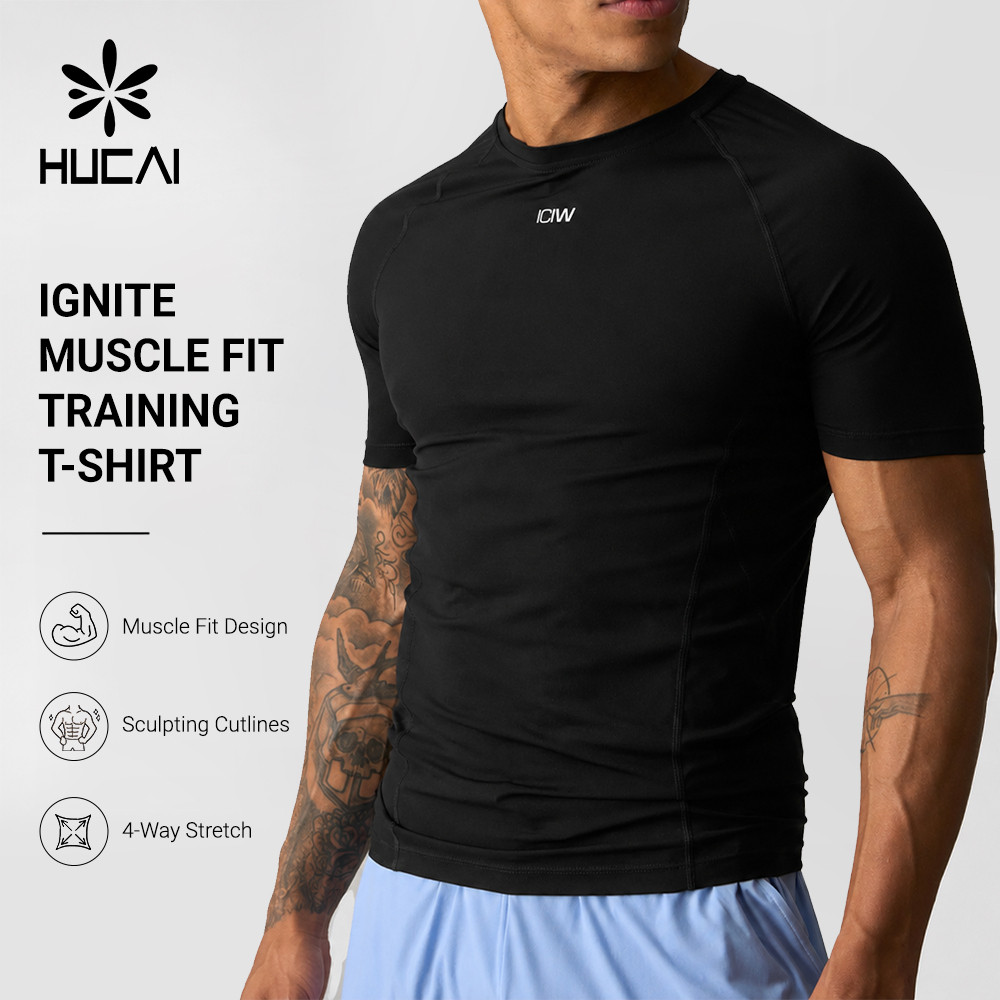
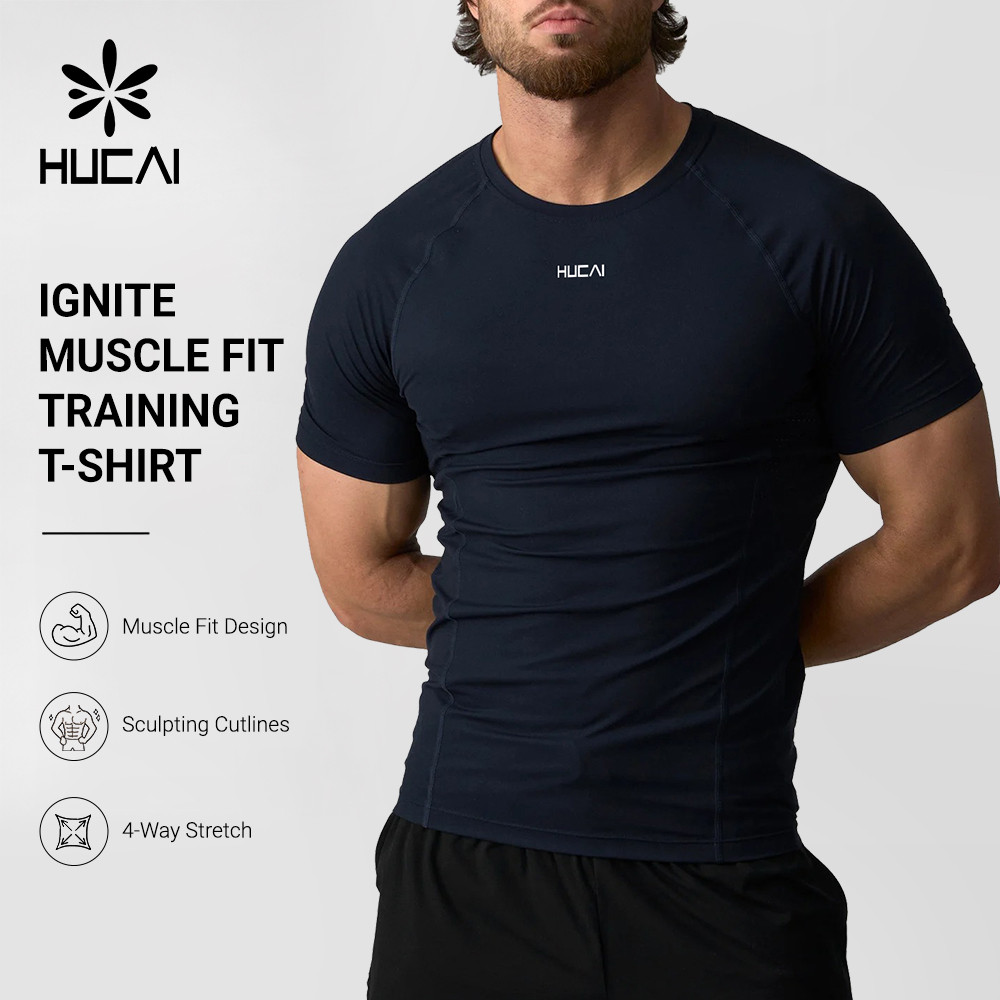
For training tops, 160-200gsm polyester or polyester-blend knits provide the right balance of lightweight feel and structure. Below 160gsm, the fabric can look insubstantial and may lose shape during repeated training. Above 200gsm, the product starts to feel too heavy for a football-inspired aesthetic, which typically favors lighter, faster fabrics.
Stretch and Recovery
Football kits rarely need significant stretch because the fit is designed for running and kicking, not squatting or pressing. Training wear must include at least 5-8% elastane content to support gym movements. Fabric recovery is equally important: a training top that bags out after three sessions loses the clean silhouette that defines the football-inspired look.
Moisture Management and Breathability
UK gym environments can be poorly ventilated, especially in older facilities. Breathability matters more than pure moisture wicking. Mesh panels, underarm inserts, and back ventilation zones help without breaking the aesthetic. The key is placing these zones where they serve function first, then using panel lines to reinforce the visual structure.
Shorts and Bottoms Fabrics
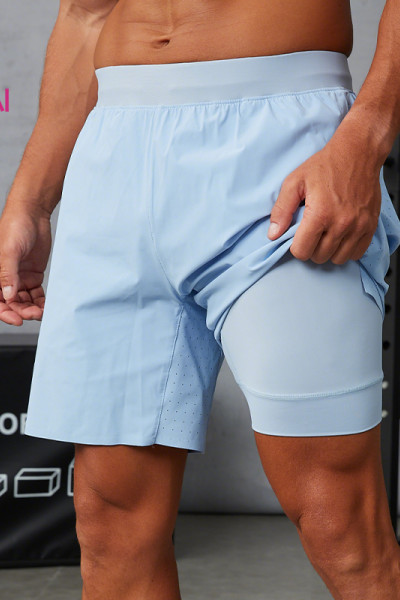
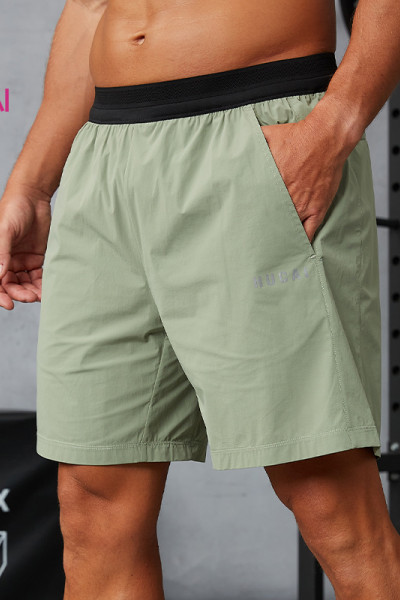
Football-inspired training shorts often use lightweight woven or knit fabrics at 120-160gsm with a brief liner. For gym training, the fabric needs more structure than a pure football short to handle equipment contact and repeated washing. A 150-180gsm woven or double-knit with a compression liner provides a better balance than a pure football short fabric.
Construction Details: Sleeves, Panels, and Seam Placement
Construction is where the football aesthetic either succeeds or collapses. The visual details that make this category appealing are also the most common failure points when construction is treated as an afterthought.
Sleeve Construction
Raglan sleeves are common in football-inspired training tops because they reduce shoulder seam pressure and allow cleaner panel lines. However, raglan construction changes the entire fit pattern. A poorly executed raglan sleeve can create excess fabric under the arm or restrict overhead movement. The shoulder seam placement and panel angle must be tested during sampling, not assumed from a reference image.
Side Panel Integration
Color-blocked side panels are a signature of the football aesthetic. In training wear, these panels should serve as both visual breaks and functional zones. If the side panel uses a mesh or lighter fabric, it improves breathability. If it uses a contrasting color, it defines the silhouette. The best executions do both. Seam placement at the panel edge must be clean and flat to avoid chafing during repetitive movements.
Hem and Cuff Finishes
Football-inspired training tops often use a clean, unbanded hem or a narrow ribbed cuff. The choice affects the overall silhouette. An unbanded hem on a slim-fit training top creates a longer, more athletic line. A ribbed cuff at the sleeve keeps the sleeve in place during dynamic work. Mixing these two approaches within the same collection helps differentiate training tops from warm-up layers.
Shorts Construction
Football-inspired training shorts need a structured waistband, not just an elastic band. Internal drawcord channels, flat waistband construction, and side seam placement all affect how the shorts sit during training. A common mistake is copying the elastic-only waistband of a football short without adding the structure needed for gym movements like burpees and box jumps.
Color Story and Kit Language Without Trademark Risk
Color is the most visible connection to football culture, but it is also the highest risk area for trademark and licensing issues. Brands cannot replicate club colors in ways that suggest affiliation. The approach must be referential, not derivative.
Referential Color Strategy
Instead of copying a specific club's home kit, brands can use color categories that evoke the broader football aesthetic: deep navy, forest green, burgundy, charcoal, and white as primary bases. Accent colors in electric blue, bright orange, or neon yellow reference the training kit tradition without pointing to a specific club.
Color Blocking Logic
Football kits often use strong color blocks: a primary body color with contrasting sleeves, or a primary body with a side panel accent. In training wear, these blocks work best when restrained to two or three colors maximum. Excessive color blocking looks like a costume rather than a training product. The goal is to suggest the kit aesthetic, not to build a replica.
Dark Base, Light Accent Formula
Many successful UK gym wear brands use a dark base color with one light accent panel or trim. This formula reads as athletic and premium without requiring the color specificity of a club reference. It also works better in gym environments where dark colors hide sweat and wear, while light accents provide visual structure.
Training Product Roles: Warm-Up, Session, and Recovery
A football-inspired training collection needs clear product role separation. Borrowing from football's match-day structure helps brands organize their SKUs into logical groups that customers understand intuitively.
Warm-Up Layer
Lightweight quarter-zip tops, track jackets, and warm-up pants. These pieces use the football aesthetic most strongly because they reference the pre-match ritual. Fabric should be lightweight, breathable, and packable. The quarter-zip in particular is a strong training staple that bridges football styling with gym utility.
Training Session Core
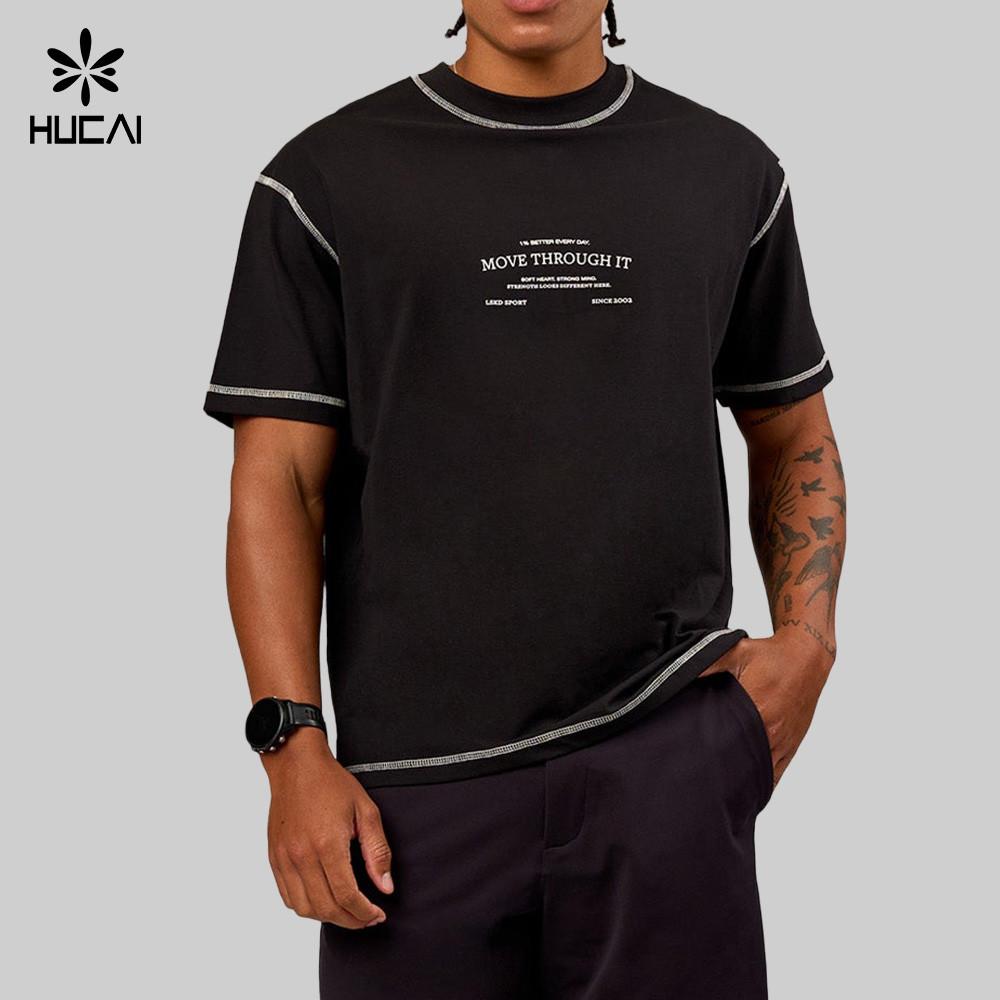
Performance tees, training shorts, and compression base layers. This is the functional core of the collection. The football aesthetic should be present but restrained: a clean silhouette, a chest logo, subtle panel lines, and a color block that reads athletic without demanding attention. This is where most brands sell the highest volume.
Recovery and Lounge
Hoodies, joggers, and relaxed tees. The football aesthetic here is softer: oversized fits, vintage-style crest or text placement, and heavier fabrics that feel comfortable after training. These pieces can be more overt in their football references because the recovery context is more forgiving than the training floor.
Common Development Mistakes
Football-inspired training wear development fails in predictable ways. Most failures come from treating the aesthetic as the primary design driver rather than a styling layer over functional training construction.
Prioritizing Look Over Movement
A slim football-inspired silhouette that restricts squat depth or shoulder rotation creates a product that looks good in a flat lay but fails in the gym. Fit testing must include functional movements, not just standing measurements.
Over-Color-Blocking
Three or more color blocks on a single garment often crosses the line from training wear into costume territory. The best football-inspired collections use two colors for the core pieces and introduce more complexity only in the warm-up or recovery layers.
Using Pitch Fabric for Gym Products
Football kit fabric is optimized for 90-minute outdoor wear. It is not designed for repeated washing after gym sessions, friction against benches and bars, or indoor humidity. Training fabric must be specified independently of the aesthetic reference.
Ignoring Liner and Waistband Construction in Shorts
Football shorts often use a simple elastic waistband with minimal structure. Gym training shorts need more: an internal drawcord, a structured waistband that stays flat during floor work, and a liner that does not ride up during dynamic movements.
Copying Sponsor Placement Logic
Football kits are built around sponsor visibility. Training wear does not need a chest billboard. Brands that place logos using sponsor-zone logic create products that look like lower-quality replicas rather than premium training collections.
Decision Check: Is Your Football-Inspired Collection Ready?
- Have you defined which product roles (warm-up, session, recovery) each SKU serves?
- Is the fabric weight appropriate for gym training, not just pitch reference?
- Does the color blocking stay within a two-color formula for core training pieces?
- Have sleeve and panel construction been tested for gym movement, not just visual effect?
- Is branding placement restrained and purposeful rather than sponsor-driven?
- Do shorts include waistband structure and liner design suited to dynamic training?
Building a Football-Inspired Training Collection?
HUCAI activewear supports UK and European brands with fabric selection, panel construction, sample-to-bulk coordination, and fit calibration for football-inspired men's training wear. Whether you are developing a full capsule or testing a single training top, we can structure the right product sequence and construction approach.
Share your collection direction and target market | Browse men's activewear product options
Manufacturer Insight: What We See at Sampling
At HUCAI activewear, football-inspired training collections usually go through more fit rounds than standard gym wear because the aesthetic demands a tighter silhouette while the function requires more movement range. The brands that move through sampling fastest are the ones that define the aesthetic reference clearly but separate it from the construction requirements.
We typically recommend starting with the training session core piece, usually a performance tee or a training short, because this piece has the most constrained requirements. Once the fit, fabric, and panel placement are confirmed for the core piece, the warm-up and recovery pieces can build from that foundation rather than starting from scratch.
Color approval is also more sensitive in this category because contrast panels create dye lot consistency challenges. When a side panel uses a different fabric or a different dye batch, the color match must be confirmed across the full production run, not just the first sample. Our production tracking and quality checkpoints help manage this consistency from sampling through bulk.
For brands working with reference images of existing football or training products, we recommend separating the visual reference from the construction brief. Send the image for aesthetic direction, but provide a separate brief for fit, fabric weight, stretch requirement, and movement needs. This prevents the sample from looking correct but feeling wrong in training.
Frequently Asked Questions
What is the MOQ for custom men's training wear?
MOQ typically starts from 100 pieces per style, though the actual minimum depends on fabric type, color count, size range, and customization level. Training tops with single-color panel construction usually have lower entry points than multi-panel or multi-color designs. Sharing your target volume and design complexity during the first discussion helps determine realistic starting quantities.
How long does sample development take for football-inspired training wear?
Sample timing depends on fabric sourcing, panel complexity, and fit sensitivity. Football-inspired training pieces often require additional fit rounds because the slim silhouette needs precise movement testing. Plan for fabric approval first, then a fit sample, then a pre-production sample before bulk scheduling. Each round is usually faster when the aesthetic reference and construction brief are separated clearly.
Can you develop from reference images without a tech pack?
Yes. Many growing brands start with reference images and a target market description rather than full tech packs. HUCAI activewear provides ODM support including fabric recommendations, pattern development, fit calibration, and sample rounds based on reference materials. A clear separation between visual reference and functional requirements helps the sample team deliver the right result faster.
What should be confirmed before MOQ or quotation discussion?
Product role, target fabric weight, stretch requirement, color count, panel configuration, size range, logo method, and estimated order volume. For football-inspired training wear, also confirm whether you need a full collection with warm-up, session, and recovery pieces, or a single category to test first.
How should brands choose between raglan and set-in sleeves for training tops?
Raglan sleeves reduce shoulder seam pressure and allow cleaner panel lines, which supports the football-inspired aesthetic. Set-in sleeves provide a more traditional structure and are easier to fit for a broader size range. For training tops targeting overhead movement and dynamic work, raglan construction is usually the better choice if the pattern is tested for underarm mobility.
What color blocking strategies work best for football-inspired collections?
A two-color formula for core training pieces keeps the aesthetic clear without overwhelming the product. A dark base with one light or bright accent panel is the most versatile approach. Warm-up and recovery layers can introduce more complexity because the movement requirements are lower and the visual expectations are more forgiving.
Why do some football-inspired training shorts fail in gym use?
Most failures come from using a football short pattern without adding gym-specific construction. A pitch short is designed for running and kicking with minimal contact. A gym short needs a structured waistband, a liner that stays in place, and fabric that handles friction from equipment and floor work. The pattern and construction must be adjusted for the training environment, not just the visual reference.
How do brands manage panel consistency across bulk production?
Contrast panels often use different fabrics or dye batches, which creates color mismatch risk if not managed. Pre-production review should include a panel color check from the actual production fabric, not just the first sample. AQL 2.5 quality inspection with a focus on panel alignment, color consistency, and seam flatness helps catch issues before bulk completion. HUCAI activewear tracks fabric and panel production stages through MES and ERP coordination to maintain consistency across the run.
Final Takeaway
Football-inspired training wear works in the UK and European markets when the aesthetic serves the training function, not the other way around. The brands that succeed do not copy club kits. They build training products that borrow the visual language of football, slim silhouettes, clean panel lines, restrained color blocking, and structured necklines, then construct those products with gym-specific fabric, fit, and durability.
The key development decisions are fabric weight suited to indoor training, sleeve and panel construction tested for movement, a color strategy that references kit culture without infringing on trademarks, and a clear product role structure that separates warm-up, session, and recovery pieces. A manufacturer with experience in athletic construction, panel detailing, and color consistency management makes these decisions easier to execute from sample through bulk.