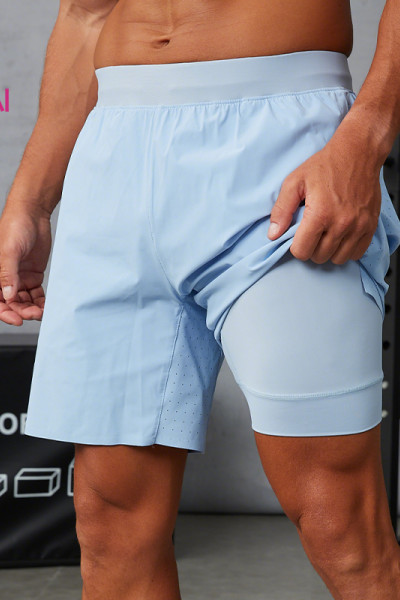
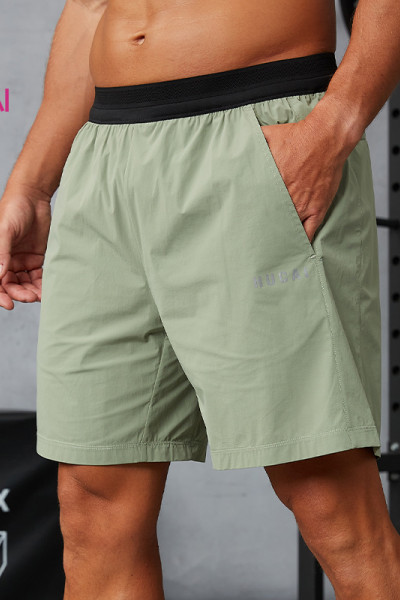
Men's Early Fall Layering Strategy: How to Transition From Summer Tees to Lightweight Midlayers
As the summer season winds down, many growing brands begin asking the same question: how do we move from lightweight summer tees into pieces that handle cooler mornings without jumping straight to heavy fleece? For men's activewear manufacturers and private label buyers, early fall is not just a temperature shift. It is a product development window where fabric weight, layering logic and collection timing decide whether a drop sells through or sits in inventory.
HUCAI activewear helps men's gym wear brands define the right layering progression—from summer base layers to breathable midlayers—so the transition feels intentional rather than rushed. This guide breaks down how to plan an early fall layering strategy that keeps athletes comfortable, collections cohesive and production schedules realistic.
Quick Answer
A successful early fall men's activewear layering strategy moves in three stages: lightweight short-sleeve tees for warm afternoons, long-sleeve performance tops for cooler mornings, and breathable lightweight midlayers for unpredictable weather. Brands should focus on fabric weights between 140gsm and 220gsm, consistent fit families across layers, and a muted or earth-tone color story that connects summer and fall drops. Planning sample development in late Q2 or early Q3 usually gives enough time for fabric approval, fit review and bulk coordination before the season starts.
Table of Contents
Who This Article Is For
- Growing brands with a summer tee or shorts line looking to expand into transitional pieces.
- Private label buyers planning a Q3/Q4 drop and deciding which layering styles to include.
- Startup brands validating whether lightweight midlayers deserve a place in their first collection.
- Established brands reviewing fit consistency and fabric behavior between summer and fall SKUs.
Why This Guide Is Worth Your Time
This article is written from a manufacturer and product development perspective. It does not repackage retail trends. Instead, it explains how fabric weight, fit family planning and sample timing affect real production outcomes. HUCAI activewear produces men's gym wear, training shorts, performance tees and lightweight layers for brands across the US, UK, Australia and Europe, with OEM, ODM and private label support from sampling through bulk delivery.
Why Early Fall Layering Matters for Growing Brands
Early fall is a high-opportunity, high-risk season. Athletes still train outdoors. Gyms are busy with back-to-gym traffic. But temperatures fluctuate enough that a single-weight tee no longer covers every session. Brands that solve this transition smoothly often see stronger sell-through than those that jump straight to winter fleece.
The mistake many growing brands make is treating early fall as an afterthought. They extend summer colors into September or rush a hoodie drop without considering what goes between the tee and the hoodie. The result is a gap in the collection that leaves buyers unsure what to wear when the weather turns.
From a manufacturing standpoint, this gap also creates timeline pressure. If a brand decides in August that they need lightweight quarter-zips or long-sleeve performance tops, sample rounds may not leave enough room for fabric sourcing, fit adjustments and pre-production review before the desired delivery date.
The Core Layering Pieces: Tees, Long Sleeves and Lightweight Midlayers
A practical early fall layering system for men's activewear usually includes three tiers:
Base Layer: Short-Sleeve Performance Tees
These stay in the rotation through early fall, especially for indoor training. The key adjustment is moving from the lightest summer mesh or 120gsm blends to slightly denser 140-160gsm fabrics that hold shape better as temperatures drop. Brands should confirm that their tee pattern works under a long-sleeve layer without bunching at the shoulder or waist.
Mid Layer: Long-Sleeve Performance Tops
This is the most important addition for early fall. Long-sleeve training tops in 160-180gsm with raglan or set-in sleeves give athletes coverage without overheating. Thumbholes, elongated cuffs and dropped hems are functional details that add perceived value without adding much production complexity.
Outer Layer: Lightweight Midlayers
Quarter-zips, half-zip pullovers and lightweight hoodies in 200-260gsm fill the space between a long-sleeve top and a winter jacket. These pieces should be breathable enough for training but structured enough to wear to the gym or on a run commute. Fabric choice here—French terry, waffle knit or lightweight fleece—determines how the piece performs across different activities.
HUCAI activewear supports fabric library sampling so brands can compare how different weights and constructions feel across these three tiers before committing to bulk.
Fabric Weight and Transition Timing
Fabric weight is the clearest signal of seasonal intent. Buyers may not read GSM labels, but they feel the difference between a 130gsm summer tee and a 240gsm pullover. Getting the weight progression right prevents a collection from feeling either too light or too heavy for the season.
| Layer | Fabric Weight | Typical Fabric | Best Use |
|---|---|---|---|
| Summer Tee | 120-140gsm | Poly/spandex mesh, cooling jersey | Hot weather, indoor training |
| Fall Tee | 140-160gsm | Denser jersey, textured knit | Transitional afternoons |
| Long-Sleeve Top | 160-180gsm | Performance jersey, brushed back | Cool mornings, layering base |
| Lightweight Midlayer | 200-260gsm | Lightweight fleece, French terry, waffle | Outdoor training, gym-to-street |
| Winter Hoodie | 280-350gsm | Heavy fleece, double-knit | Cold weather, recovery |
Timing matters as much as weight. Fabric mills often run seasonal production cycles. If a brand waits too long to confirm fall fabric orders, preferred colors or constructions may be backlogged. Starting sample development in late Q2 or early Q3 gives room for fabric approval, fit review and any pattern adjustments before bulk scheduling begins.
Fit, Silhouette and Mobility Across Layers
Layering only works if the pieces fit together. A slim long-sleeve base under a boxy midlayer creates silhouette confusion. An oversized tee under a fitted quarter-zip restricts movement and wrinkles at the waist.
Brands should plan fit families with layering in mind:
- Slim/Performance Fit: Best for base layers and long-sleeve tops that sit close to the body and wick efficiently.
- Regular/Training Fit: Works for standalone tees and midlayers that may be worn alone or over a base layer.
- Relaxed/Gym-to-Street Fit: Suited for outer midlayers and hoodies designed to accommodate layers underneath.
Shoulder width, sleeve length and torso length must be checked in combination, not in isolation. At HUCAI activewear, sample teams often review a "layered fit set"—all three pieces worn together—to confirm that hems line up naturally, sleeves do not bunch, and the overall silhouette stays clean.
Color Story Planning for Fall Drops
Early fall collections benefit from color stories that bridge summer brightness and winter depth. Instead of launching an entirely new palette, brands can extend one or two summer neutrals and introduce two to three fall tones that complement them.
A common approach for growing brands:
- Carry over summer black, white or heather gray as base colors.
- Add one earth tone—olive, sand, taupe or rust—as the seasonal signature.
- Introduce one deeper tone—navy, charcoal or forest green—for the midlayer or outer piece.
This structure keeps minimum order quantities manageable because core neutrals can be shared across summer and fall, while seasonal colors are concentrated in the new pieces. Dye lot consistency becomes especially important when the same neutral appears in both a summer tee and a fall long-sleeve top. Fabric sourcing should prioritize mills that can match color across different weights and constructions.
Common Early Fall Development Mistakes
In many early-stage men's activewear projects, we see the same pattern repeat:
Skipping the Long-Sleeve Transition
Brands jump from tees to hoodies without a long-sleeve performance top. This leaves a 10-15 degree temperature range uncovered, which is exactly when athletes train most consistently outdoors.
Mismatching Fabric Families
A cotton-heavy tee under a polyester midlayer creates sweat retention at the base and odor issues over time. Performance layering works best when fabric families share moisture-management properties.
Ignoring Sleeve and Hem Length
A long-sleeve base with too-short sleeves exposes the wrist when layered under a midlayer with standard cuffs. Sleeve and hem lengths should be planned as a system, not per garment.
Late Sample Timing
Waiting until late summer to start fall sample development compresses the timeline and limits fabric options. Early sample rounds give brands room to test layering combinations before bulk commitment.
Decision Check: Is Your Early Fall Collection Ready?
- Have you defined fabric weight progression across tees, long sleeves and midlayers?
- Does your fit family allow clean layering without silhouette conflicts?
- Is your color story planned to share core neutrals across summer and fall?
- Have you confirmed sample timing that leaves space for fit review and fabric approval?
- Do you have a manufacturing partner who can track fabric, pattern, sample and bulk consistency across the full collection?
Planning Your Fall Layering Line?
HUCAI activewear supports growing brands with fabric library access, sample-to-bulk coordination and fit review across layered pieces. Whether you need OEM production from confirmed specs or ODM support to develop your first fall collection, we can help structure the right product sequence.
Share Your Collection Direction Browse Men's Activewear ProductsManufacturer Insight: What We See at Sampling
At HUCAI activewear, sample teams review early fall collections with two questions in mind: does each piece stand alone, and do the pieces work together? The best collections we see are the ones where the brand has already thought about the full layering stack before the first sample is cut.
Brands that send a layering brief—with reference images, target fabric weights, intended fit family and a color story map—usually move through sample approval faster. The pattern team can plan sleeve lengths, body lengths and shoulder widths as a coordinated set rather than adjusting each piece independently after the fact.
Our MES and ERP production tracking also helps brands monitor fabric readiness, sample progress and bulk scheduling across multi-piece collections. When a long-sleeve top, a quarter-zip and a lightweight hoodie share fabric or color, production coordination becomes even more important. Clear tracking from fabric order to final QC inspection helps avoid the delays that often hit brands launching their first seasonal transition.
Quality checkpoints follow AQL 2.5 standards, with pre-production review focused on fabric behavior, construction consistency and sample-to-bulk alignment. For early fall collections, this means verifying that the same color holds across different fabric weights and that layered pieces maintain dimensional stability after wash testing.
Frequently Asked Questions
What is the MOQ for custom men's activewear?
MOQ usually starts from 100 pieces per style, though the actual number depends on fabric, color range, size breakdown, logo method and customization level. Order structure and style complexity also affect minimums. It is best to share your target product and estimated volume so the manufacturing partner can advise on realistic starting quantities.
How long does sample development take for men's gym wear?
Sample timing depends on fabric availability, pattern work, logo method, fit adjustment rounds and how quickly reference materials or feedback are provided. A straightforward tee or shorts sample may move faster than a multi-piece layered set with custom trims. Discussing your target timeline early helps the manufacturer plan sample scheduling alongside other projects.
Can you help if we only have reference images for our layering collection?
Yes. Many growing brands start with reference images, market direction or collection ideas rather than full tech packs. HUCAI activewear provides ODM support including fabric recommendations, fit guidance, sample development and construction advice based on reference materials and your target positioning.
Do we need a tech pack before starting OEM development for midlayers?
For OEM production, a tech pack with measurements, construction details and confirmed specs speeds up the process. If you do not have a complete tech pack yet, many manufacturers can guide you through what is needed or offer development support to build one during sampling.
How should brands choose fabric weight for lightweight midlayers?
Choose fabric weight based on the intended use case and climate. For early fall training in mild regions, 200-220gsm lightweight fleece or waffle knit works well. For cooler mornings or Nordic markets, 240-260gsm French terry or brushed back fabrics provide more warmth. Always test the fabric in a layered configuration, not just as a standalone piece.
What affects fit consistency when layering multiple activewear pieces?
Fit consistency depends on shoulder width, sleeve length, torso length and hem drop across all pieces in the stack. If the base layer is slim and the midlayer is oversized, the result often looks unbalanced. Plan fit families together and review samples worn as a set before approving individual pieces.
Why do some early fall collections fail to sell through?
The most common reason is a mismatch between product weight and customer need. Collections that are too light for fall weather or too heavy for transitional training create hesitation. Another reason is color stories that feel disconnected from the brand's summer line, making it hard for existing customers to justify a purchase.
How do brands balance breathability and warmth in transitional layers?
Balance comes from fabric construction more than weight alone. A 220gsm waffle knit or mesh-backed fleece breathes better than a solid 220gsm jersey while providing similar warmth. Ventilation panels, underarm gussets and half-zip neck openings also help athletes regulate temperature during variable-weather training.
Final Takeaway
Early fall layering is not about adding more products. It is about filling a real training need with the right fabric weight, fit progression and color logic. Brands that plan the transition intentionally—rather than extending summer or rushing winter—usually build stronger customer loyalty and better sell-through.
The key decisions are simple in theory but easy to overlook in practice: match fabric weights to temperature ranges, align fits so layers work together, and start sample development early enough to adjust before bulk. A manufacturer with fabric library support, fit review capability and production tracking makes those adjustments easier to manage.