Laser Perforated Performance T-Shirt Manufacturer
Laser Perforation vs Mesh Panels: Structural Integrity at Scale
From a procurement perspective, cooling solutions must scale reliably. Mesh panels introduce seam intersections and tension shifts, increasing dimensional instability in bulk production. Laser perforation, by contrast, maintains a single fabric plane without additional seam stress. However, uncontrolled perforation density may weaken tensile strength. Industry textile studies indicate that micro-perforated nylon–spandex blends must balance airflow and structural retention to prevent tear propagation after repeated wash cycles. Brands evaluating cooling systems must consider not just breathability, but production repeatability.
Quantifying Recovery and Durability Before Bulk Runs
To ensure structural stability, our nylon–spandex fabrics undergo 5,000-cycle extension testing, maintaining over 95% recovery after repeated stretch. Tear-resistance thresholds are validated in perforated zones to prevent expansion under stress. Colorfastness is controlled above Grade 4 under international benchmarks to protect shade continuity across summer drops. Surface compression simulations replicate stacking pressure during shipment to avoid imprint distortion. These measurable controls reduce defect rates and preserve consistency between sampling and scaled production.
Procurement Transparency and Perforation Consistency
Bulk laser perforation requires alignment tolerance control. We standardize hole spacing calibration and conduct post-cut dimensional verification to prevent pattern drift between batches. GSM tolerance ranges are defined before perforation to minimize elasticity mismatch. By documenting laser density parameters and recovery logs, we help brands transition perforated tees from seasonal novelty to scalable core SKUs.

Fabric & Design
Fabric:
57%nylon 43%spandex
Design:
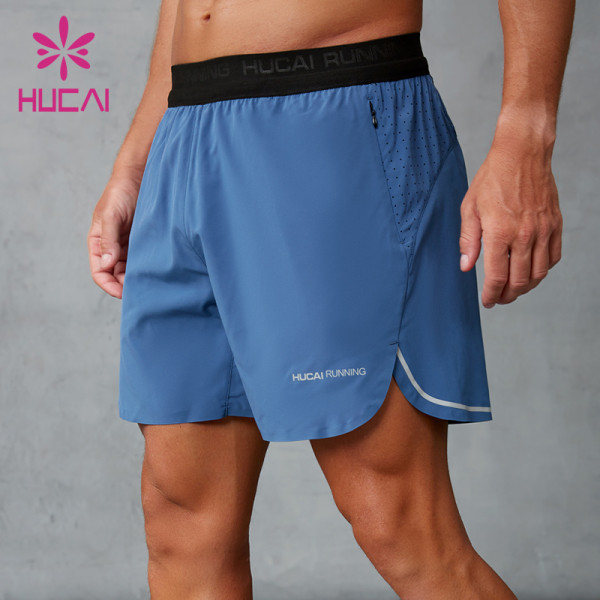
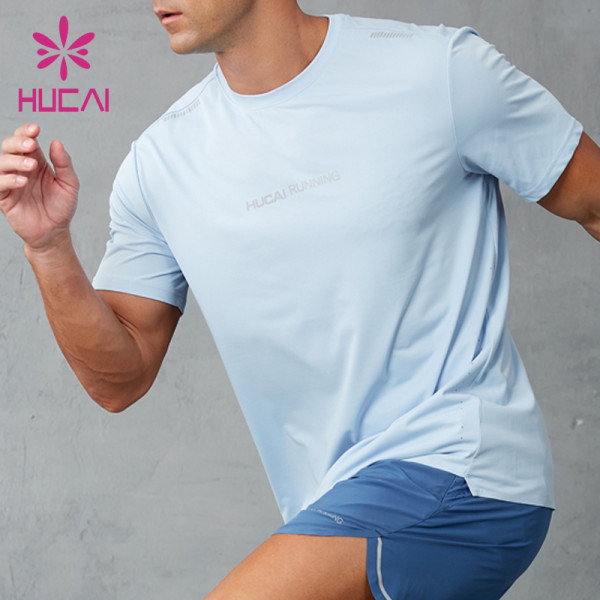
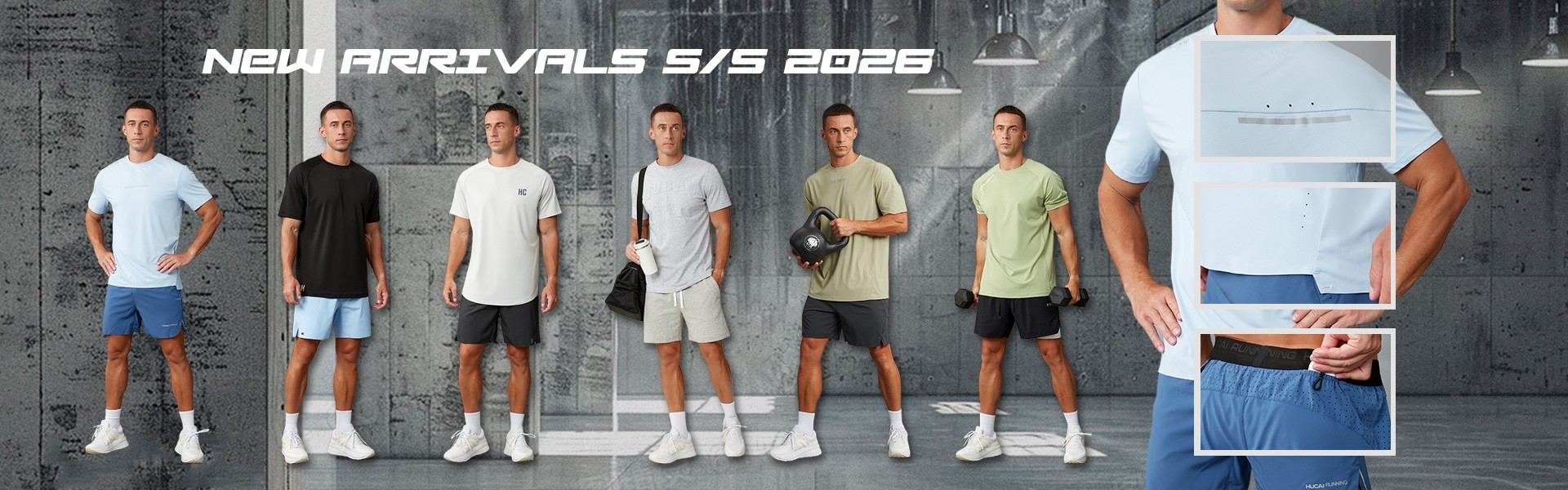
-Side Seam Laser Perforation
-Soft Brushed Fabric Backside
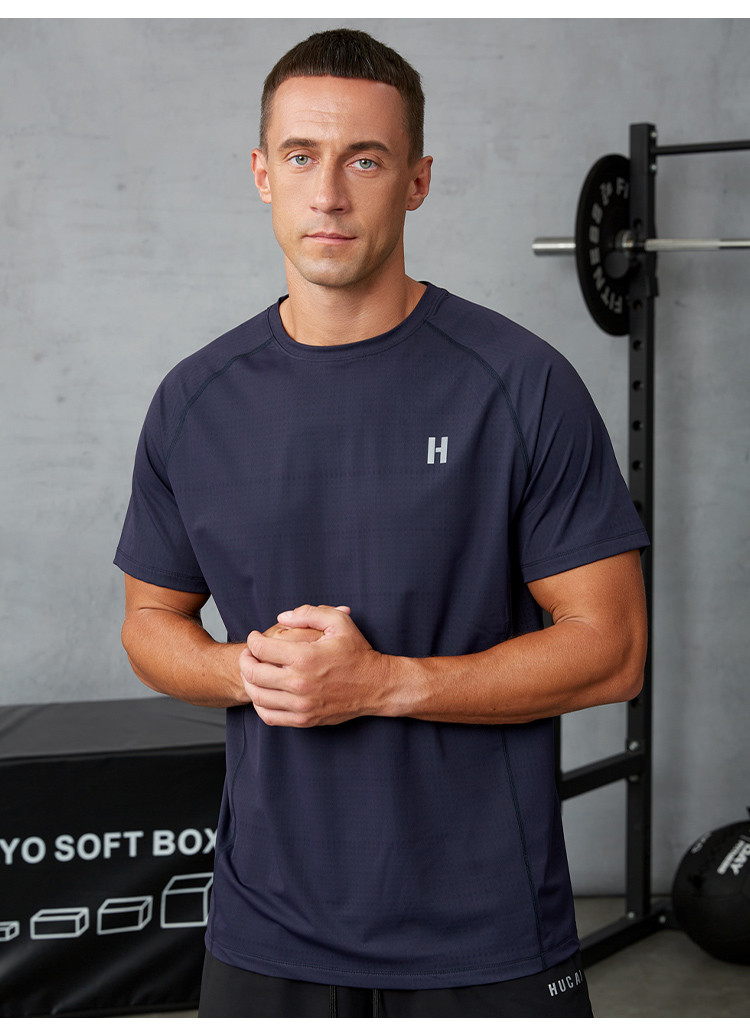
-Silver Gray Flat Logo Letter Print
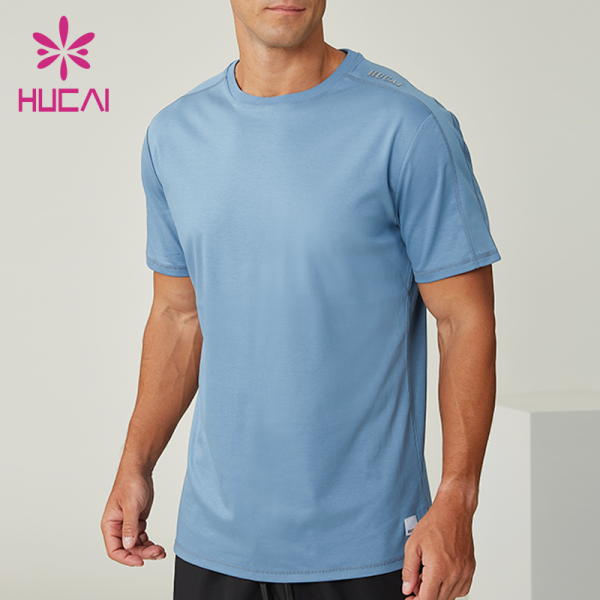
-Raglan Sleeve Design
-Side Seam Sport Structure Stitching Design
Suitable Application
-High-temperature gym environments
-Outdoor summer training sessions
-Performance capsule launches
-Functional fitness programs
-Breathability-focused collections
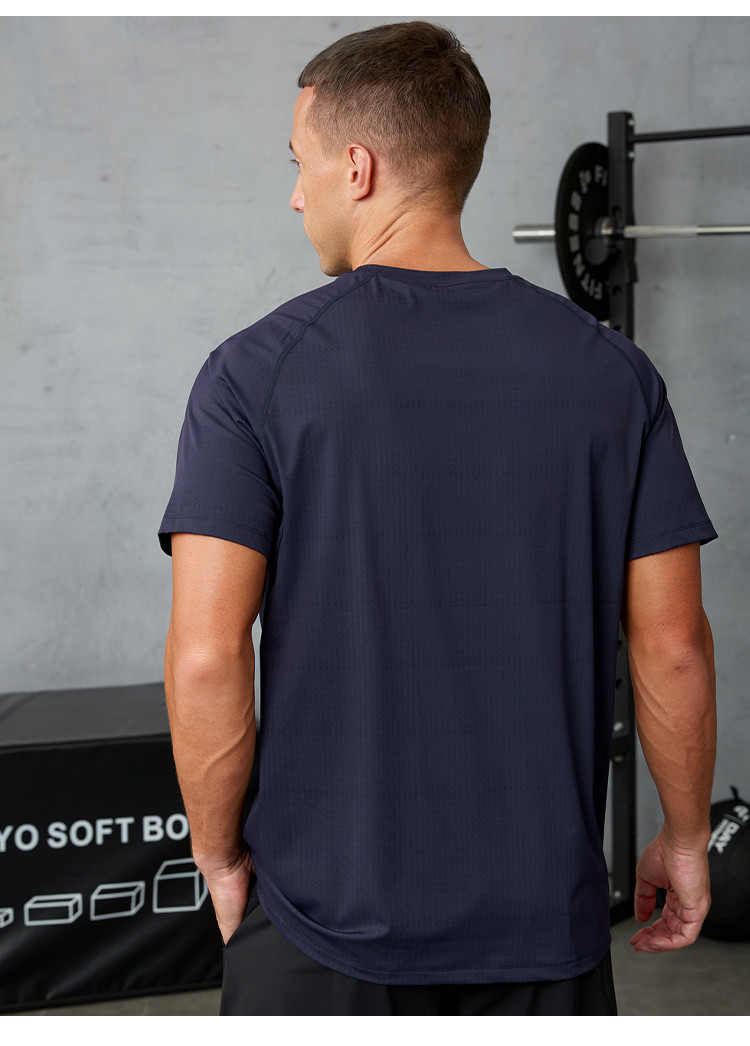
Functional Capabilities
-Precision laser perforation airflow zones
-Cooling nylon–spandex blend
-Lightweight stretch recovery structure
-Reduced seam friction
-Stabilized neckline retention
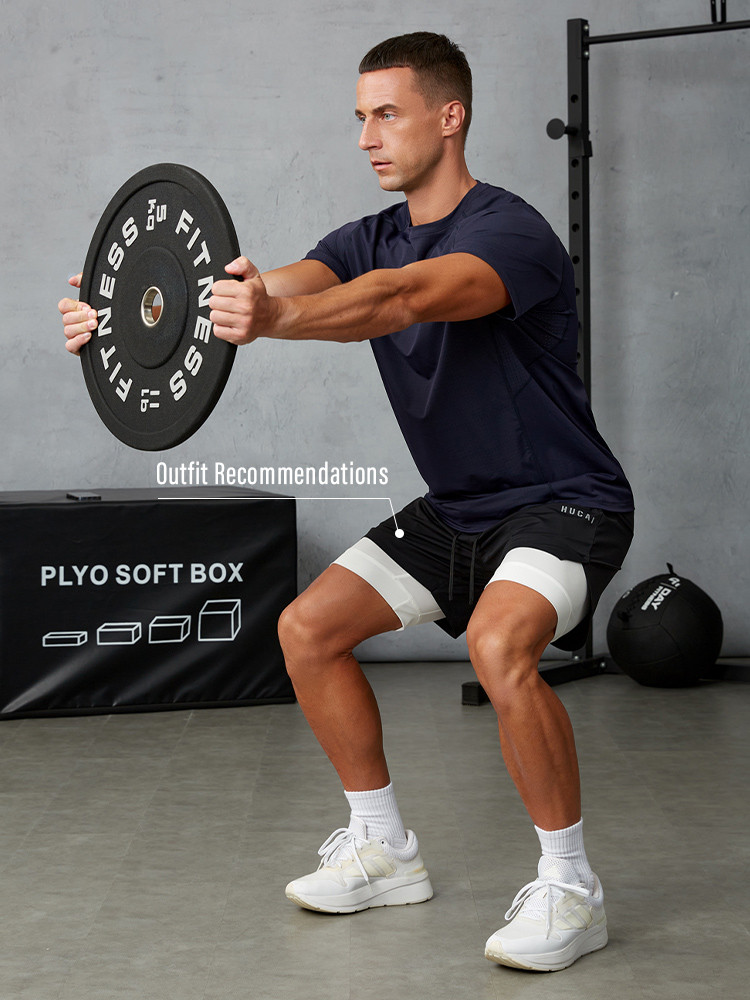
Target Consumer
-Competitive training athletes prioritizing ventilation
-Warm-climate gym communities
-Performance-focused urban fitness buyers
-Customers upgrading from cotton training tees
Comparable Industry Example
A similar cooling strategy appears in the Metal Vent Tech Short Sleeve by lululemon. While using engineered knit ventilation rather than laser perforation, its commercial durability comes from balancing airflow with structural retention. Consumers value consistent fit stability across washes, and its repeat-purchase strength stems from predictable performance rather than purely aesthetic ventilation design.
How to contact us
➡️ Contact HUCAI today for your custom outerwear solution and connect with a team committed to premium quality and authenticity.