How to Turn Athlete Wear-Test Feedback Into Measurable Sample Revisions Before Bulk
Most sample feedback from athlete wear tests arrives in words, not numbers. A tester says "too tight", "not comfortable", or "the pocket moves", and the brand forwards the comment to the factory expecting a fix. The problem is that a men's activewear manufacturer cannot execute a feeling. To reduce repeated sampling and keep bulk close to the approved sample, vague feedback has to be translated into measurement, pattern, fabric, seam, pocket or construction revisions before production planning starts. This guide, written from a men's gym wear manufacturer perspective with OEM / ODM development and private label activewear experience, shows established and growing brands how HUCAI activewear turns wear-test comments into measurable sample changes.
Quick Answer
Effective wear-test feedback must be converted into a specific revision: a measurement change, a pattern adjustment, a fabric or elastic specification, a seam relocation, a pocket depth or opening angle change, or a construction detail. Each comment should name the tester context, the likely cause, what to measure, and the acceptance check for the next sample. Teams that run this translation process keep a revision log and confirm every change before bulk, which lowers the risk of bulk deviation even when the approved sample is only one piece.
Who This Article Is For
This article is written for established and growing men's activewear brands that run athlete or staff wear tests on samples and need to convert the results into decisions before bulk. It is equally useful for private label buyers who receive sample comments from their own testers and want to communicate them in a way a factory can act on without another slow revision round.
If you are earlier in development, the same framework still helps: it shows what a useful sample comment looks like and why sending "please make it more comfortable" rarely moves a project forward.
Why This Guide Comes From Production Reality
At HUCAI activewear, sample review is treated as a coordination step, not an email exchange. Pattern, fabric, measurement and construction are checked together because a comment like "too tight" can come from pattern ease, fabric stretch, seam placement or even size grading, and each cause needs a different fix. The process explained here mirrors how our development and sample teams work with brands before bulk. You can browse our men's activewear product range and read more about how we support development from sample to delivery.
Why Vague Sample Comments Stall a Project
Vague feedback is not useless, but it is incomplete. "Too tight" does not say where, in which movement, on which size, or compared with which reference. "Not comfortable" does not say whether the issue is fabric feel, seam chafing, waistband pressure or ventilation. "The pocket moves" does not say whether the pocket is too deep, too wide, angled wrong or simply made of fabric with too little structure.
The common failure pattern we see in early-stage men's activewear projects is a comment that sounds clear to the brand but maps to several possible causes at the factory. The sample team guesses, the revised sample solves one cause and ignores another, and the project burns another round. The fix is a translation table that forces every comment through the same path.
| Tester Comment | Likely Cause | What to Measure | Sample Revision |
|---|---|---|---|
| "Too tight across the chest" | Insufficient ease or lower fabric stretch than specified | Chest at rest and stretched, side-seam ease, fabric stretch percentage | Adjust chest ease or stretch spec, then remake for a movement check |
| "Shorts feel tight in the thigh when squatting" | Thigh ease or rise does not fit the movement range | Thigh circumference, front and back rise, inseam, stretch at full squat | Adjust pattern ease or rise, retest the squat movement on the next round |
| "The pocket moves when I run" | Pocket depth, opening angle or fabric structure is not matched to the load | Pocket depth and width, opening angle, position from the side seam, loaded test | Redraft pocket shape or placement, confirm with a phone-and-key loaded run |
| "The waistband digs in" | Waistband pressure from elastic tension or a sizing mismatch | Waist measurement, band stretch and recovery, fit on the reference size | Adjust elastic tension or band construction, recheck recovery after wear |
| "The liner rides up" | Liner tension, length or attachment point is off | Liner length and tension, seam position, gusset behavior in movement | Adjust the liner specification and redo the movement test |
| "Fine for ten minutes, then uncomfortable" | Often seam placement, chafing or fabric handfeel under longer wear | Timed wear notes, seam position map, fabric handfeel and moisture behavior | Relocate seams or review the fabric finish before the next sample |
The Feedback Translation Method
The method has four steps, and every wear-test comment should pass through all of them before it becomes a revision instruction.
Capture the Context
Record who tested, which size, which activity, at which minute, and after how many washes. A comment from a 3XL tester during a 40-minute run is not the same as one from an M tester during a light gym session.
Identify the Likely Cause
Map the comment to measurement, pattern, fabric, seam, pocket, elastic or construction. Use the table above as a starting point and confirm the cause with the sample team instead of assuming it.
Choose What to Measure
Turn the cause into a number: chest, waist, hip, rise, inseam, pocket depth, opening angle, liner tension, fabric recovery or seam position. If it cannot be measured, it cannot be revised reliably.
Define the Revision and Acceptance Check
State the change precisely, for example "increase chest ease by 1.5 cm and re-run the overhead press check". The acceptance check tells the factory when the next sample is done.
The discipline matters because bulk inherits the sample. If a change is defined as a feeling, the production team has no target to hold. If it is defined as a measurement or construction change with a clear acceptance check, sample-to-bulk consistency becomes achievable through quality checkpoints instead of luck.
Tops: Turning Comfort Words Into Numbers
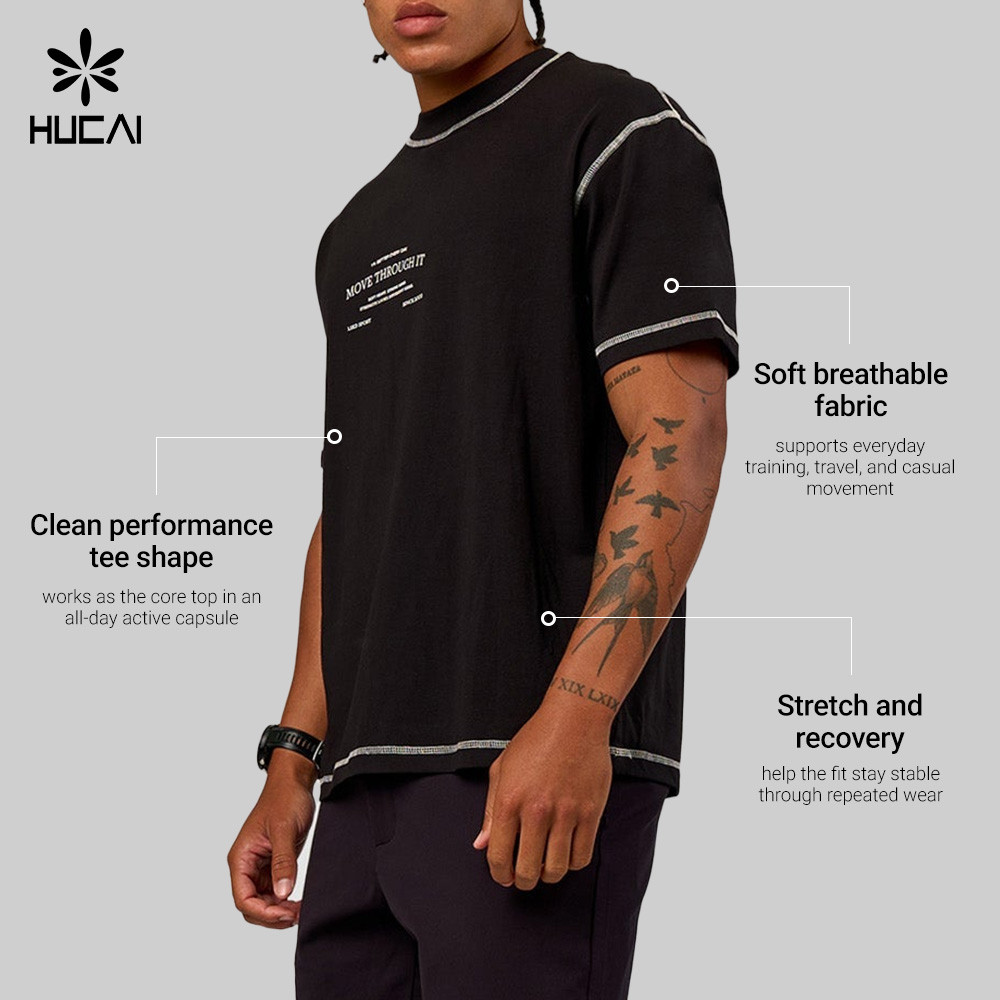
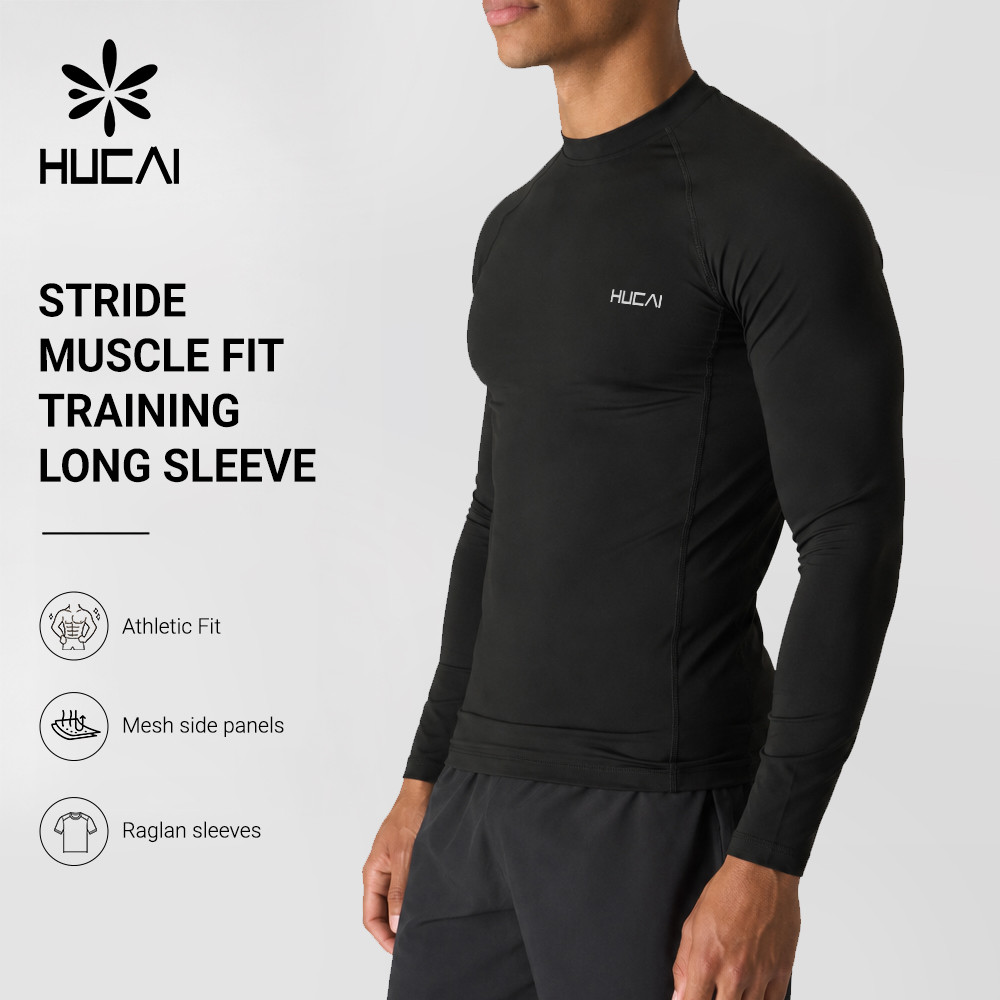
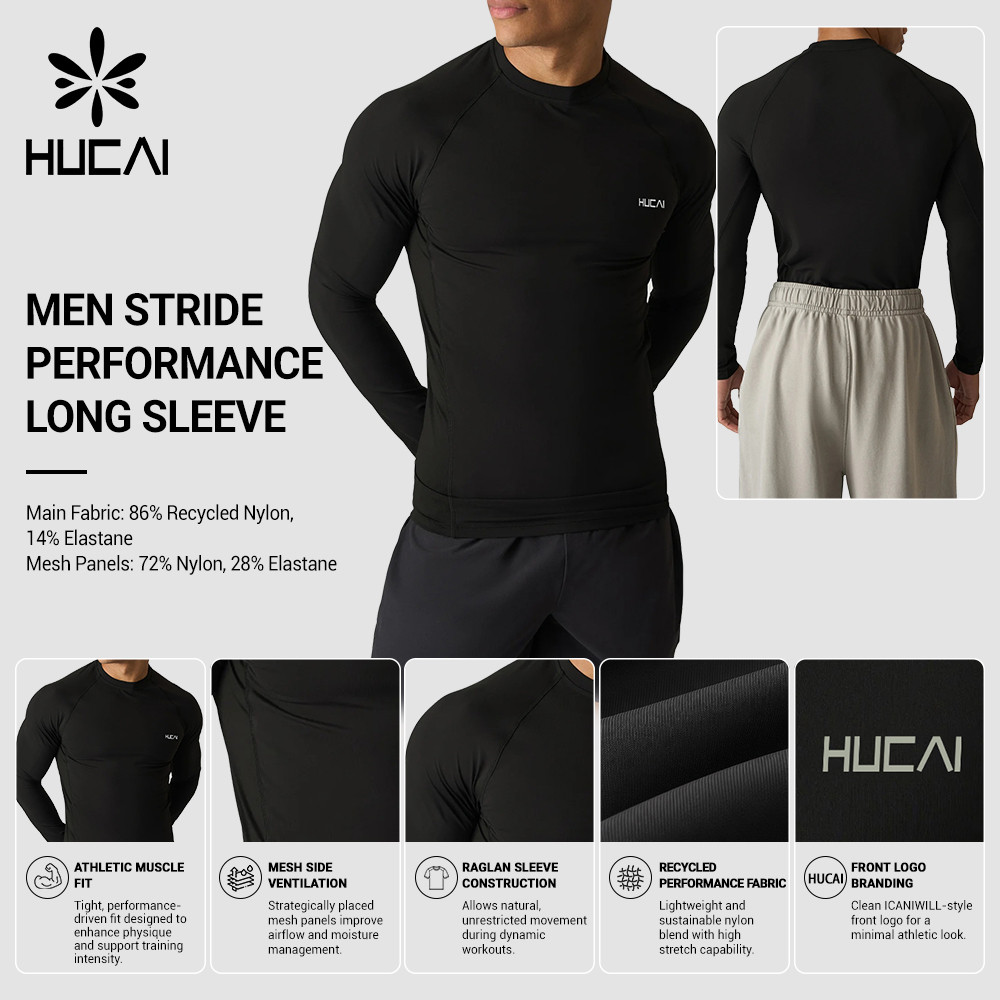
For men's T-shirts, tank tops and long sleeves, most wear-test complaints land in three zones: the chest and shoulders, the armhole and sleeve, and the body length and hem. Each zone has its own measurements and its own likely causes.
Chest tightness usually points to chest measurement, ease and fabric stretch. Shoulder restriction often comes from shoulder width, sleeve cap ease or armhole depth. A sleeve that rides up can mean the sleeve opening or bicep circumference is too small, while a hem that flips during movement usually needs a length or hem weight check. Fabric recovery matters across all of them: a knit that does not return to shape after a stretch will slowly bag out at the shoulders, neckline and hem.
The revision language for tops should name the exact measurement and the movement test that verifies it. "Increase chest ease by 1 cm and confirm with an overhead press and a deep squat stretch" is executable; "make the top roomier" is not.
Shorts: Rise, Inseam, Pockets and Liner Tension
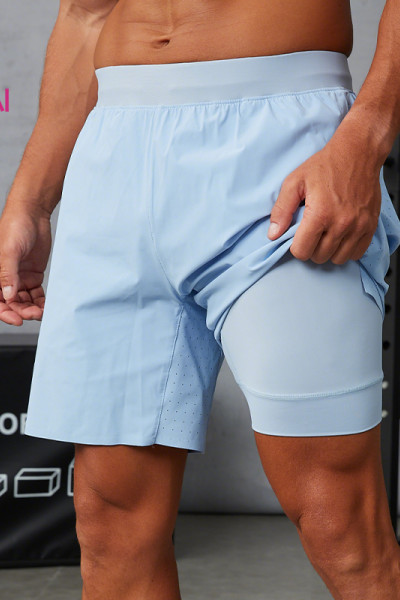
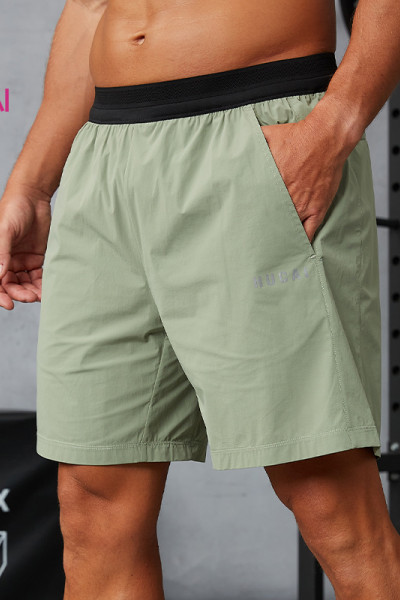
Men's training shorts and running shorts generate the most detailed wear-test vocabulary because they carry movement, storage and comfort in one garment. The measurements that matter most are waist, hip, front rise, back rise, thigh, inseam, pocket depth, opening angle and liner tension.
Rise problems usually appear as "they feel tight when I squat" or "the waistband slips when I run". A short front rise combined with a long back rise changes how the waistband sits in motion. Inseam and split-hem decisions affect coverage and freedom, while waistband stretch and recovery determine whether the short stays put through a session. On lined shorts, liner tension is a frequent source of complaint: too much tension creates chafing at the gusset, too little lets the liner ride up.
Pockets deserve their own review because they are tested under load. A pocket that is fine when empty can flap or dump a phone at speed when the opening angle, depth or fabric structure is wrong. The acceptance check for a short is usually a loaded movement test: phone in the pocket, a run, a squat, and a full stride cycle.
Compression Tights and Fitted Bottoms
Men's compression tights and base layer tights are the most sensitive garments to feedback because fit is part of the function. Compression level, fabric recovery, waistband pressure, coverage, gusset placement and seam position all affect how the garment performs, and none of them can be judged from a single "too tight" comment.
Compression is not simply about making the garment tighter. A complaint about pressure at the calf or thigh can mean the size grading or the compression spec is off, while "they slide down" usually points to waistband elastic tension, fabric recovery or the rise. Seam chafing during long sessions is often a seam position or gusset construction issue rather than a sizing issue.
For fitted bottoms, the revision should specify the target: adjust waistband stretch and recovery, change the rise, reposition a seam, or re-grade the compression across sizes. Because compression garments rely on recovery, the acceptance check should include both the initial feel and the behavior after a full session, since a garment that feels right for five minutes can still fail on recovery.
Running the Wear Test Properly
A wear test only produces useful feedback if it is structured. Three to five testers across the size range, a fixed list of movements, timed notes and at least one wash cycle before the final verdict will catch more issues than a single tester wearing the sample once.
- Fixed movement list. Squat, lunge, full stride, overhead reach, bend and sit should be on every test card so comments can be compared across sizes and rounds.
- Timed notes. Ask testers to record comfort at five, fifteen and thirty minutes. Issues that appear late are usually recovery, chafing or moisture related, not initial fit issues.
- Zone-specific comments. A card with a simple body map helps testers say "waistband front" instead of "it feels weird", which makes the cause easier to find.
- Wash before verdict. One to three washes change fabric handfeel, shrinkage and seam behavior. A sample judged without washing can pass and then fail in bulk.
- Photos and reference garments. A photo of the tight point plus a reference to a garment the tester already likes removes most guesswork from the comment.
Revision Log and Bulk Confirmation
Once the translation method is in place, the revision log becomes the control document for the whole sample stage. Every round should record the sample version, the tester comments, the likely cause, the action taken, the measurement or construction change, and the status of the acceptance check.
When the log is complete, bulk confirmation is straightforward: the approved sample, its measurements, the confirmed fabric, trims and logo details become the reference for production. At HUCAI activewear, this handover is supported by pre-production review and by fabric, trim, pattern, sample, bulk, QC and logistics tracking through MES / ERP production follow-up, so the approved details stay visible from the final sample to final inspection. Quality checkpoints and AQL 2.5 quality inspection before shipment keep the process honest, but they work most effectively when the sample stage already ended with clear, measured decisions.
The practical reference for custom men's activewear is an MOQ from 100 pcs per style, with the final number depending on fabric, color, size range, customization, trims, logo method and order structure. Sample timing depends on fabric availability, pattern work, logo method, fit adjustment and revision rounds, which is exactly why measurable feedback shortens the schedule: each round that ends with clear acceptance criteria is less likely to need a follow-up round.
Decision Check
Before you send a revised sample back for another round, or before you approve the final sample for bulk, work through this checklist with your development partner.
- Is every tester comment attached to a specific size, activity, time point and wash count?
- Has each comment been mapped to a likely cause and a measurable factor?
- Are chest, waist, hip, ease, rise, inseam, pocket depth, opening angle and liner tension confirmed where relevant?
- Was the movement test run with a fixed list and under load where storage matters?
- Was the sample judged after at least one wash, with fabric recovery rechecked?
- Is every revision recorded in a log with an acceptance check for the next round?
- Are the approved sample, measurements, fabric, trims and logo details locked before bulk?
- Does the production team have a pre-production review scheduled against those confirmed details?
If any answer is unclear, resolve it in the sample stage. A comment that is still a feeling when bulk starts usually becomes a bulk problem.
Manufacturer Insight
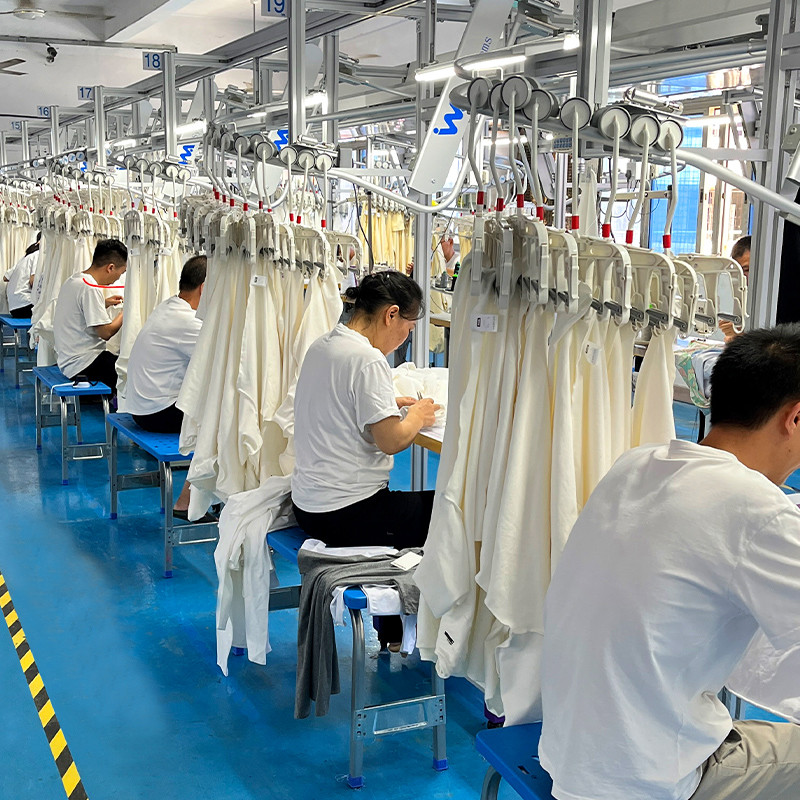
At HUCAI activewear, we see the difference between projects that move quickly and projects that stall. The fast ones do not have easier feedback; they have feedback that has already been translated into measurements and construction decisions before it reaches the factory. Our development and sample teams work with brands on this translation, covering pattern ease, seam position, fabric recovery, pocket construction and movement testing, because a sample comment only becomes useful when both sides know what success looks like.
When a project reaches bulk, the same confirmed details flow into pre-production review, quality checkpoints and production follow-up. The goal is not to promise a sample that can never change, but to make sure every change is deliberate, measured and recorded before bulk fabric is committed.
FAQ
What is the difference between a fit comment and a measurable sample revision?
A fit comment describes how the garment feels, such as "too tight" or "the pocket moves". A measurable sample revision names the factor to change, the new target, and the acceptance check, such as "increase chest ease by 1.5 cm and verify with an overhead press". Feedback becomes actionable only when it reaches the second form.
What should I do when a tester says "too tight" without giving measurements?
Ask for the missing context: which size, which movement, at which minute, and where on the body. Then map the comment to likely causes such as pattern ease, fabric stretch or seam placement, and choose what to measure before the next sample is made.
Which measurements matter most for men's training shorts wear tests?
Waist, hip, front rise, back rise, thigh, inseam, pocket depth, opening angle and liner tension. Pocket and liner behavior should be tested under load and in full stride, not only while standing.
How many wear-test rounds are typical before bulk for men's activewear?
It depends on the product, the fabric and the number of changes. Many projects complete in one to three fit rounds when feedback is measurable; projects with vague comments often add rounds because each guess can miss the real cause. Sample timing depends on fabric availability, pattern work and fit adjustment.
Can we start sample development without a full tech pack?
Yes. Reference images, target fit, fabric direction and wear-test comments are enough to begin, especially for ODM support. A clearer specification simply shortens the number of rounds, which is why translating early feedback into numbers pays off quickly.
What is a revision log and why does it matter before bulk?
A revision log records each sample round: comments, likely causes, actions, measurement changes and acceptance status. It matters because bulk must reproduce the approved sample, and the log is the evidence that every change was deliberate and confirmed.
What does sample-to-bulk consistency mean in practice?
It means the bulk garments match the approved sample in measurements, fabric, trims, construction and branding. It is supported by confirmed details, pre-production review, quality checkpoints and inspection before shipment, and it becomes much harder when sample decisions were left as feelings.
How should testers document movement and comfort issues during wear tests?
Use a fixed movement list, timed notes, a simple body map for zone-specific comments, photos, and a wash cycle before the final verdict. Reference garments the tester already likes also help translate "not comfortable" into a concrete comparison.
Final Takeaway
Athlete wear-test feedback is only as valuable as its translation. The brands that move from sample to bulk with fewer surprises are the ones that turn "too tight", "not comfortable" and "the pocket moves" into chest ease targets, rise adjustments, pocket redrafts and liner specifications, then record every change in a revision log.
If you are preparing a sample round or reviewing wear-test comments before bulk, share your reference images, current comments or existing specs and our team can help define the revision path. For brands with confirmed direction, send an inquiry with your sample details, or contact us to discuss your development plan. If you are still comparing options, explore our men's activewear range or read more B2B development guides first.
Related Reading
Continue exploring sample and production management for men's activewear: