How to Plan a Men's Running Race Kit Collection for Private Label Activewear Brands
A men's running race kit is not just a group of running products placed together. For private label activewear brands, a race-day capsule needs clear SKU roles, lightweight fabric planning, ventilation, storage, reflective details, fit consistency, and sample sequence. As a custom running apparel manufacturer, HUCAI activewear helps buyers turn race singlets, race tees, running shorts, half tights, warm-up hoodies, and lightweight jackets into a more structured OEM or ODM development plan.
The challenge is that race kit products must work across different moments: pre-race warm-up, race effort, long-distance movement, post-race recovery, run club events, and brand community drops. If each SKU is developed separately, the collection can feel disconnected even when every product looks acceptable on its own.
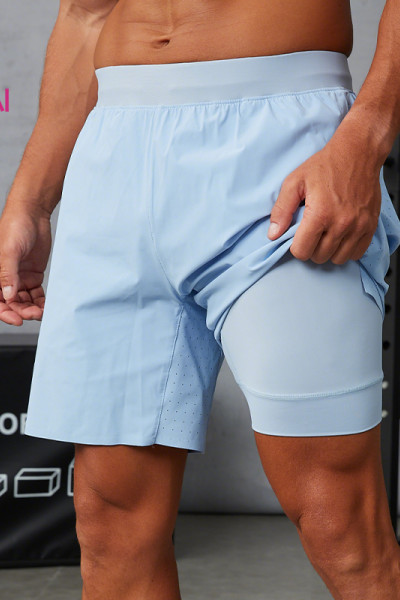
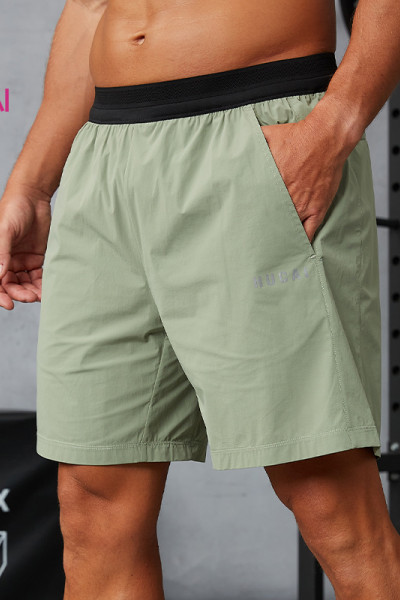
A men's running race kit should usually start with 3 to 5 core SKUs: a race singlet or race tee, running shorts, half tights or compression shorts, a warm-up hoodie or lightweight jacket, and optional accessories such as a cap, running belt, or storage layer. The first sample round does not need to include every possible product. The most important step is to define which products are built for race-day performance, which products support training, which products support warm-up or recovery, and which products carry the brand or event identity. This article is written for growing running apparel brands, run club merchandise brands, private label activewear buyers, startup race-day brands, and established activewear brands preparing to build a men's running race kit collection. It is especially useful if your team has race kit references, marathon capsule ideas, run club product direction, or event graphics, but has not fully confirmed SKU mix, fabric direction, ventilation, pocket structure, reflective placement, fit standards, or tech packs. If your team already has ready specs, this guide can also work as a sample review checklist before OEM production. Race kit development should begin with product role. A race-day capsule is different from everyday running apparel because each SKU needs to support a specific moment in the runner's routine. A race singlet or race tee supports high-sweat effort. Running shorts support stride freedom, quick drying, and storage. Half tights support compression, coverage, and anti-chafe movement. A warm-up hoodie or lightweight jacket supports pre-race and post-race use. A cap or belt can complete the race kit by adding sun protection, storage, or event identity. Before sampling, define the collection direction in one sentence. For example: If your project is focused on race-day kits, training gear, running shorts, singlets, jackets, or running sets, custom running apparel development support is the most relevant path to connect product role, fabric, fit, storage, and sample planning. A race kit collection should be built as a performance capsule. That does not mean every brand needs a full marathon collection at the beginning. For many startup and growing brands, a focused 3-piece or 5-piece capsule is more practical. The goal is to choose the products that define the brand's running identity first. Accessories and extra layers can be added after the main fit, fabric, and color direction are approved. If your brand has race references and a capsule idea but no final tech pack, ODM support for race kit capsule planning can help turn the product direction into a clearer sample sequence. Running race kit fabrics should be selected by product role. A race singlet needs very different fabric behavior from a warm-up hoodie. Running shorts need different fabric and construction from half tights. If every SKU uses unrelated fabric, the capsule may lose consistency. Race singlets and race tees often need lightweight, breathable, moisture-wicking knits. Running shorts may use quick-dry stretch woven shell fabric with mesh liner or brief construction. Half tights need compression recovery, opacity, and anti-chafe seam placement. Warm-up hoodies need a lighter fabric than standard fleece if they are part of a performance race kit. For upper-body race products, custom men's running T-shirts and race tops can support race tee, training tee, breathable top, and all-function sports T-shirt directions. Race-day bottoms are often the most technical part of a running kit. Running shorts and half tights both support performance, but they solve different product problems. Running shorts are usually better when the brand wants airflow, stride freedom, low weight, and a more traditional race look. Half tights are usually better when the brand wants compression feel, coverage, storage stability, and reduced chafing. Some brands may offer both if they serve different runner preferences. Storage is also a key decision. A race-day short may need a rear zip pocket, internal key pocket, waistband pocket, side pocket, or liner pocket. A half tight may need phone storage, gel pockets, or side pockets, but pocket placement must not distort compression or create seam irritation. For race-day bottoms, custom men's running shorts can support split shorts, lined running shorts, quick-dry training shorts, and breathable race-day bottom directions. For half-tight or compression bottom development, men's running tights and half tights can support high-stretch, breathable, running, gym, and base layer product planning. A running race kit often carries a stronger identity than everyday training apparel. It may be tied to a marathon, run club, event capsule, limited drop, team, city, or training block. Branding and color planning should therefore be considered early, not added after sampling. For race singlets and tees, heat transfer logos, reflective marks, small chest logos, back graphics, or club identity prints may all work depending on the fabric surface and stretch. Running shorts and half tights may need lower-profile branding so the product stays clean and functional. Color story matters across the full kit. A singlet, short, half tight, hoodie, and cap should not feel like unrelated products. Even if the collection uses multiple colors, the tones, trims, logo color, and packaging should still feel connected. If the race kit includes warm-up layers, custom men's warm-up hoodies and lightweight jackets can help extend the line from race-day performance into pre-race, post-race, run commute, and club identity products. If your brand already has tech packs, measurements, fabric specifications, logo artwork, reflective placement, pocket details, color standards, and packaging requirements, your project may be ready for OEM support for ready race kit specs. If your brand has race kit references, run club ideas, target race direction, or a desired SKU mix but no complete tech pack, ODM support may be more suitable. The first step is to define race kit roles, sample priorities, fabric direction, and branding details before developing too many products at once. Sampling a full race collection at once can create confusion if the main product direction is not yet stable. For many growing running brands, a staged sample sequence is more practical. Start with the products that define the race kit. If the line is race-day focused, begin with the singlet, running shorts, and half tight. If the line is run club focused, begin with the race tee, shorts, cap, and belt. If the line is marathon-focused, begin with the performance products first, then add hoodie, jacket, and accessories after the fabric and color direction is confirmed. Once the first sample group is approved, supporting products can be developed with better consistency. This helps avoid repeated changes across too many SKUs and makes bulk planning clearer. HUCAI activewear treats running race kits as a SKU role, fabric family, fit family, branding system, and sample sequence project. For private label running apparel buyers, this means development should connect fabric behavior, pattern adjustment, seam construction, storage, reflective details, logo placement, label, packaging, and production follow-up. After sample approval, details such as fabric quality, measurements, color standards, trim selection, pocket placement, reflective print, logo method, label, packaging, and size grading should be aligned before bulk production planning. AQL 2.5 inspection logic and MES / ERP order and production tracking can support clearer production follow-up, but they work best when race kit standards are confirmed before production begins. If your race kit also crosses into gym or hybrid training use, custom gym wear development support can help connect running tops, shorts, compression bottoms, and warm-up layers with broader fitness apparel planning. In the U.K., race kit collections often connect with marathon capsules, run club culture, half tights, race tees, warm-up hoodies, and lightweight jackets. The kit may need to feel clean, technical, and event-ready. In Nordic and Western European markets, daily mileage, race singlets, lightweight ventilation, reflective details, low-bulk layers, and steady training culture may be more important. In the U.S., run clubs, hybrid athletes, training blocks, performance tees, shorts, and community drops can support a stronger race kit identity. In Australia, warm-weather running, breathable singlets, split shorts, caps, and hydration-friendly accessories may be especially relevant. These market differences should influence fabric weight, ventilation, color story, storage, reflective details, and whether the kit should feel race-specific, club-driven, marathon-ready, or warm-weather focused. A men's running race kit may include a race singlet, race tee, running shorts, half tights, warm-up hoodie, lightweight jacket, cap, belt, or other accessories. A startup brand does not need every SKU at once. A focused first capsule may begin with a singlet, shorts, and half tight. Running training apparel is usually built for daily mileage, repeat use, and broad training needs. A race kit is more focused on race-day performance, event identity, lightweight fabric, ventilation, storage, and visual consistency across the capsule. Some products can serve both purposes, but the product role should be clear before sampling. Race singlets are usually better for hot-weather racing, high-sweat performance, and more technical race-day positioning. Race tees may work better for run club merchandise, training blocks, event capsules, or brands that want more coverage. The best first choice depends on target market, climate, event type, and brand identity. Half tights are not always better, but they can be useful when the brand wants compression feel, coverage, storage stability, and reduced chafing. Running shorts may be better for airflow, low weight, and traditional race styling. Many brands can develop both if each product has a clear role. Race-day running apparel often uses lightweight, breathable, quick-dry fabrics. Singlets and race tees may use moisture-wicking knit or mesh structures. Running shorts may use stretch woven shell fabric and breathable liners. Half tights need compression recovery, opacity, and anti-chafe seams. Warm-up layers should be lighter than standard casual fleece if they are part of a performance kit. Storage should match race use. Running shorts may need a rear zip pocket, waistband pocket, internal key pocket, or liner pocket. Half tights may need phone or gel pockets. Jackets or belts may handle larger storage needs. Pocket placement should be tested for bounce, comfort, access, and fabric distortion. Yes. If you do not have a complete tech pack, prepare race kit references, target race or running scenario, desired SKU mix, fabric direction, logo artwork, color story, reflective detail preferences, pocket needs, size range, and packaging requirements. An ODM development path can help organize these details into a clearer sample brief. MOQ and quotation can be affected by the number of SKUs, fabric availability, custom colors, logo method, reflective details, pocket complexity, liner or half-tight construction, accessories, packaging, sample requirements, size range, and order quantity. A 3-piece race kit is usually easier to quote than a full race collection with jackets, accessories, custom trims, and multiple colorways. A men's running race kit should be planned as a complete performance capsule, not a group of separate running products. The stronger approach is to define SKU roles, lightweight fabric direction, ventilation, storage, reflective details, fit consistency, branding system, and sample sequence before production. For private label activewear brands, this makes the collection easier to sample, easier to explain to customers, and easier to repeat in bulk production with fewer avoidable changes. If your brand already has tech packs, measurements, fabric specifications, logo artwork, reflective placement, color standards, pocket details, and packaging requirements, send your documents for OEM sample-to-bulk support. If you are still shaping the race kit direction, send your reference images, target race or running community, desired SKU mix, fabric direction, color story, storage needs, and branding requirements. HUCAI activewear can help organize those details into a clearer ODM development path before sampling. Contact HUCAI activewear to start your men's running race kit project. HUCAI activewear supports private label men's activewear projects with OEM/ODM development, fabric and trim customization, pattern and sample development, logo and label customization, quality checkpoints, and production follow-up. For running race kit collections, this means helping buyers connect SKU roles, fabric families, fit systems, branding details, storage decisions, and sample-to-bulk planning before production begins.Quick Answer
Table of Contents
Who This Article Is For
Trust Strip: What Buyers Should Get From This Guide
1. Define the Race Kit Role First
2. Build the Core Race Kit SKU Map
Core Race Kit SKU Roles
SKU
Role in the Race Kit
Key Development Details
Race singlet
Race-day performance, high-sweat movement, lightweight visibility
Ultralight knit, armhole, neckline, strap width, ventilation, logo placement
Race tee
Training, race-day option, run club product, event merchandise
Moisture-wicking fabric, flatlock seams, sleeve shape, reflective logo
Running shorts
Race-day bottoms, stride freedom, storage, warm-weather training
Split hem, liner, waistband, pocket, quick-dry woven shell, anti-chafe seams
Half tights
Compression, coverage, long-distance comfort, technical race look
Compression level, fabric recovery, gusset, pocket placement, seam comfort
Warm-up hoodie
Pre-race, post-race, club identity, recovery styling
Lightweight fleece or technical knit, hood or collar, zipper, rib, logo method
Lightweight jacket
Wind, light weather, race travel, run commute
Shell fabric, ventilation, reflective detail, zip pockets, packability
Cap or running belt
Accessory identity, storage, sun protection, community merchandise
Logo placement, fabric, adjuster, storage, color consistency
Decision Check: Which Race Kit Capsule Should Your Brand Start With?
Capsule Type
Best For
Recommended SKU Mix
3-piece race kit
Startup brands testing first race direction
Race singlet, running shorts, half tight
5-piece race capsule
Growing brands planning a stronger launch
Singlet, race tee, shorts, half tight, warm-up hoodie
Run club capsule
Community brands and event-based drops
Race tee, running shorts, cap, belt, lightweight layer
Marathon collection
Established brands with wider race-day planning
Singlet, half tight, race tee, hoodie, jacket, accessories
Warm-weather race kit
Australia, summer running, hot-weather training
Breathable singlet, split shorts, cap, hydration belt
3. Plan Fabric and Ventilation by Product Role
Product Development Notes
4. Shorts, Half Tights, and Storage Decisions
Bottoms Development Checklist
5. Branding, Color Story, and Event Identity
Branding Details to Confirm
Mid-Article CTA: Does Your Brand Need OEM or ODM Support?
6. Sample Sequence and Sample-to-Bulk Planning
Manufacturer Insight
Market Notes: How Running Race Kit Direction Changes by Market
FAQ: Men's Running Race Kit Collection Planning
1. What should a men's running race kit include?
2. What is the difference between running training apparel and a race kit?
3. Should brands develop race singlets or race tees first?
4. Are half tights better than running shorts for race-day kits?
5. What fabrics work best for race-day running apparel?
6. How should brands plan pockets and storage for running kits?
7. Can we develop a running race kit without a tech pack?
8. What affects MOQ and quotation for a custom race kit collection?
Final Takeaway
Ready to Plan a Men's Running Race Kit Collection?
Related Paths
Footer Trust Notes