How to Develop Men's Performance Polo Shirts for Athleisure and Golf-Crossover Brands
Private label buyers and growing athleisure brands often ask how to expand beyond core gym wear into crossover categories that perform on the course and look right in casual settings. Men's performance polo shirts sit at that intersection between athletic function and everyday wearability. Whether you are building a golf-crossover collection or adding polished tops to an activewear line, the development decisions behind collar construction, fabric weight, moisture management and branding placement determine whether the product sells through or sits in inventory. In this guide, HUCAI activewear breaks down the product development logic that separates a generic polo from a performance polo worth stocking.
Quick Answer
Developing men's performance polo shirts for athleisure and golf-crossover brands requires attention to four key areas: fabric with moisture-wicking and stretch recovery, a stable collar and clean placket construction, a fit family that works across athletic and casual use cases, and subtle branding placement that suits both gym and course environments. Manufacturers who understand these details can help brands avoid common sampling failures such as collar curl, button-gap strain, and color mismatch between bulk orders.
Table of Contents
- Who This Article Is For
- Why This Matters for Your Collection
- Fabric Selection: Weight, Stretch and Moisture Management
- Collar and Placket Construction
- Fit Family Planning for Athleisure and Golf
- Logo and Branding Placement
- Color Planning for Crossover Appeal
- Decision Check Before Sampling
- Manufacturer Insight
- FAQ
- Final Takeaway
- Related Reading
Who This Article Is For
This article is written for private label buyers, collection planners and brand founders who want to add men's performance polo shirts to an activewear or athleisure line. It is especially relevant if you are targeting golf-crossover markets, corporate wellness programs, or lifestyle consumers who expect gym-grade performance in a polished silhouette.
Why This Matters for Your Collection
A poorly developed polo can undermine an otherwise strong collection. Collar collapse after the first wash, placket gaping during movement, or fabric that looks athletic but feels synthetic in a casual setting are common issues that lead to returns and negative reviews. The guidance here comes from pattern development and bulk production experience, not from trend forecasting alone.
Fabric Selection: Weight, Stretch and Moisture Management
Performance polo fabric must do three things simultaneously: breathe during activity, recover shape after stretching, and present a surface texture that looks appropriate off the course. Polyester blends with spandex or elastane are common, but the exact ratio and knit structure determine the final result.
For golf-crossover use, a fabric weight between 160 and 200 GSM usually works best. Lighter than 160 GSM can feel too thin and show outline details. Heavier than 220 GSM shifts the garment toward casual knitwear rather than a performance top. HUCAI activewear typically advises buyers to confirm GSM alongside a wash-and-wear test before committing to bulk dye lots.
Moisture-wicking capability is not just about fiber type. It depends on knit structure, yarn treatment and finishing processes. A pique knit offers a classic polo texture with better air circulation than a flat interlock. If the polo is intended for high-sweat training as well as golf, consider a dual-knit structure or engineered mesh panels under the arms and across the back.
Stretch recovery is equally important. The fabric needs to accommodate a golf swing or an overhead press without bagging out at the hem or sleeves. We recommend confirming stretch percentage and recovery rate during the sample stage, not assuming the bulk fabric will behave identically to the mill swatch.
Collar and Placket Construction
The collar is the most visible signature of a polo shirt. In performance versions, it must hold shape through repeated washing and resist curl or waviness. A fused collar with a lightweight interlining offers better stability than a self-fabric collar, but the interlining weight must match the shell fabric. Too heavy and the collar looks stiff; too light and it curls after a few washes.
The placket construction also affects both appearance and durability. Two-button plackets are standard for golf-crossover styles. Three-button plackets work for more casual or slim-fit profiles. Button quality matters for performance wear. Plastic or corozo buttons resist moisture and temperature changes better than standard shell buttons, though the choice should align with the brand's price positioning.
Stitch density around the placket and collar should be confirmed during sample review. Low stitch counts can lead to gaping when the wearer stretches or bends. HUCAI activewear checks these stress points during pre-production sampling so that construction details are locked before bulk cutting begins.
Fit Family Planning for Athleisure and Golf
A single fit rarely covers both athletic and crossover audiences. Golfers often prefer a slightly roomier shoulder and chest for swing mobility, while gym-focused buyers may want a tapered or muscle-fit silhouette. Planning a fit family of two or three options within the same polo collection lets you serve both markets without doubling your development overhead.
The key is to vary the pattern at the shoulder, chest and sleeve rather than scaling the entire block proportionally. A standard fit with a relaxed chest and straight hem works for golf and corporate wear. A tapered or slim fit with narrower sleeves and a shorter body length suits training and streetwear crossover. Both can share the same fabric, collar construction and color story if the pattern grading is handled correctly.
Length is another detail that brands often overlook. A polo meant for golf should stay tucked during movement, so the body length needs to be slightly longer than a casual tee. For athleisure crossover, a shorter untucked length is usually preferred. Define the target use case before the pattern is drafted to avoid expensive revisions later.
Logo and Branding Placement
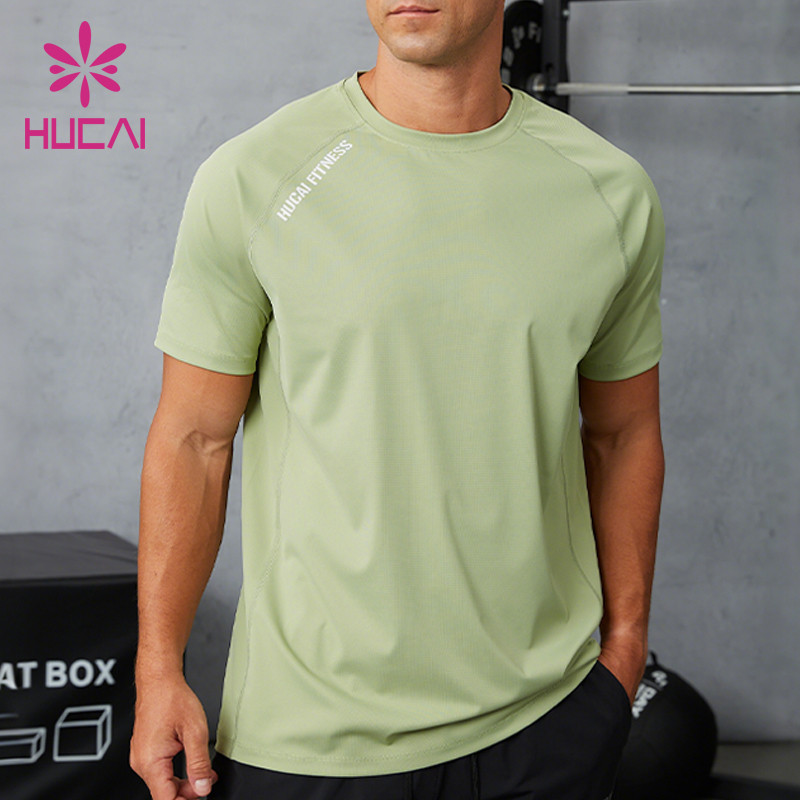
Branding placement on a polo shirt must respect the garment's dual identity. On the course, a subtle chest logo or tonal embroidery looks professional. In a gym or training setting, buyers may expect a slightly bolder logo or reflective detail. The manufacturing method affects both appearance and durability.
Embroidery is the most common choice for polo shirts because it holds up through washing and maintains a premium feel. However, embroidery on stretch fabric requires stabilizer backing and careful tension control to prevent puckering. Heat transfer or silicone prints can work for larger graphics, but they must be tested for adhesion on pique or textured knits before bulk production.
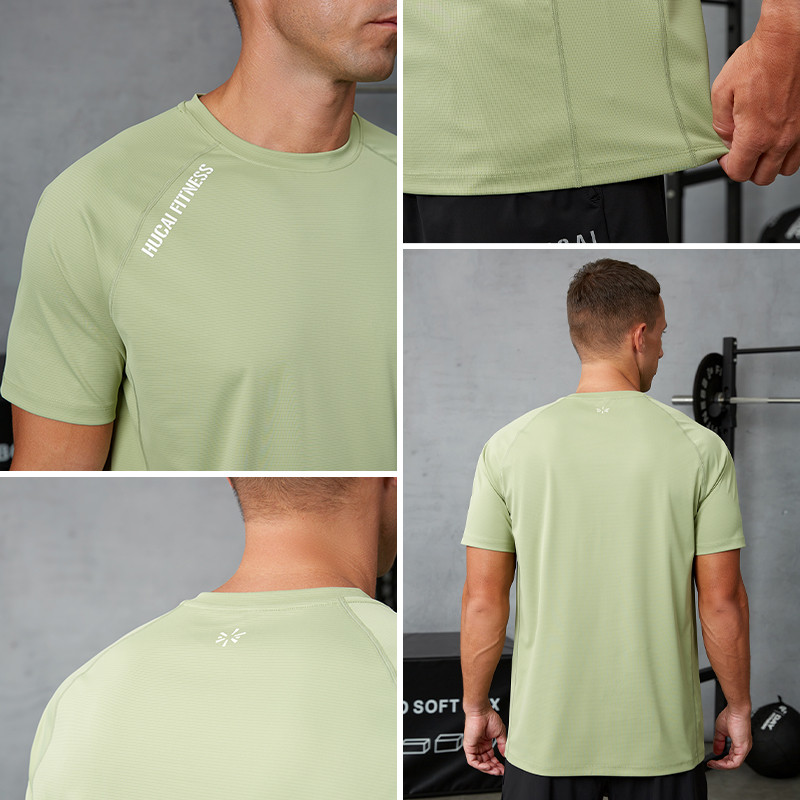
Left-chest placement is standard for golf-crossover styles. Sleeve or back-yoke placement can add training wear character without breaking the polo silhouette. We recommend testing two or three branding positions during sampling to confirm how each looks when the fabric is under tension and after repeated washing.
Color Planning for Crossover Appeal
Color choices for performance polos bridge two different aesthetic expectations. Golf and corporate crossover buyers often favor navy, white, black, heather gray and muted earth tones. Athleisure and training-focused buyers may want bolder accents, seasonal brights or two-tone combinations. A well-planned color story can serve both without looking confused.
A safe approach is to anchor the collection with four to six core neutrals, then add two accent colors per season. This keeps inventory manageable while giving the line enough visual range to attract different buyer segments. Dye lot consistency is critical for polo fabric because color variation is more visible on pique knit than on jersey. HUCAI activewear confirms dye lots and shade continuity before bulk cutting to prevent the tonal mismatch issues that often cause returns in private label orders.
If the polo includes contrast details such as collar tipping, placket piping or under-collar panels, confirm color matching at the sample stage. Small trim pieces can shift shade in bulk if they are sourced from a different supplier or dyed in a separate batch.
Decision Check Before Sampling
- Have you confirmed the target fabric weight, stretch percentage and moisture-wicking behavior?
- Is the collar fused with the correct interlining weight for the shell fabric?
- Have you defined the fit family: standard, tapered or both?
- Is the body length calibrated for tucked or untucked wear?
- Have you selected branding method and tested it on the actual fabric texture?
- Is the color story planned with dye lot consistency in mind?
- Have you confirmed button type and placket stitch density?
Need support confirming fabric behavior or grading a fit family for your polo collection? Share your target specs or reference samples and we can review construction feasibility before sampling begins.
Manufacturer Insight
One common failure pattern we see in early-stage polo development is treating the polo like a standard T-shirt with a collar added. The collar, placket and button zone create stress points that do not exist in crew-neck tops. A pattern that works for a basic tee will not automatically translate into a stable polo structure. That is why we recommend separating the polo block development from the T-shirt block, even when the brand already has a confirmed tee fit.
Another issue is underestimating the effect of fabric texture on branding. Embroidery that looks clean on flat jersey can pucker on pique. Heat transfer that adheres well to smooth polyester can lift on textured knits. Testing branding methods on the actual production fabric, not just a similar swatch, prevents bulk surprises that delay launch timelines.
At HUCAI activewear, polo development is handled as a separate pattern category with its own construction standards, sample review points and quality checkpoints. This prevents the shortcuts that often happen when a manufacturer tries to adapt a tee program into polo production without the right block or trim library.
FAQ
What is the minimum order quantity for custom men's polo shirts?
MOQ usually starts from 100 pieces per style, depending on fabric availability, color count and branding complexity. Exact numbers are confirmed after reviewing the tech pack or reference samples.
How long does polo sampling typically take?
Sample timing depends on fabric sourcing, pattern drafting, collar interlining selection and any branding revisions. Once the initial pattern and fabric are confirmed, the first sample usually takes less time than a fully custom tee because the block is more standardized.
Can we develop a polo using our existing T-shirt pattern?
We do not recommend it. Polo construction requires a different shoulder slope, collar attachment and placket integration. Starting from a dedicated polo block produces a more stable result and reduces revision rounds.
What is the best fabric weight for a golf-crossover polo?
160 to 200 GSM is the most versatile range. Below 160 GSM can feel insubstantial; above 220 GSM shifts toward casual knitwear. The exact target depends on your climate focus and styling intent.
Should we choose embroidery or print for polo logos?
Embroidery is generally preferred for polo shirts because of its durability and premium appearance. Print can work for larger graphics or modern training styles, but it must be tested for adhesion on the specific knit texture you plan to use.
How do we prevent collar curl after washing?
Collar stability depends on three factors: interlining weight matched to shell fabric, stitch density at the collar edge, and proper fusing temperature during production. All three should be confirmed at the sample stage and monitored during pre-production review.
Can the same polo fit both golf and gym markets?
It is possible with a well-designed standard fit, but most brands see better results by offering two fit options within the same fabric and color story. This lets you serve both markets without compromising either.
What should we prepare before contacting a polo manufacturer?
Bring reference garments, target fabric direction, a fit preference standard or slim, intended branding placement, and a color story range. If you have a tech pack, include collar and placket construction details. If not, a clear reference sample and written notes are enough to start development.
Final Takeaway
Men's performance polo shirts are a high-potential crossover category, but only when the development details are handled correctly. Fabric weight, collar stability, fit family planning and branding execution each play a role in whether the product succeeds across golf, athleisure and training contexts. Treating the polo as a structured garment rather than a modified tee will save time in sampling and produce a more consistent result in bulk.