How to Build Multiple Men's Activewear SKUs Around One Performance Fabric Platform
Many growing and established brands develop each men's activewear SKU against its own fabric, then discover that the collection feels different piece by piece: handfeel changes, colors drift, performance varies and reorders become harder to control. A performance fabric platform fixes most of this. In this guide, written from a men's activewear manufacturer perspective with OEM / ODM development and private label activewear experience, HUCAI activewear explains what a fabric platform is, which products can share one fabric family, what still needs to be re-evaluated per garment structure, and how to sequence samples before bulk.
Quick Answer
A performance fabric platform is a single validated fabric family that a brand reuses across several related SKUs to lock in consistent handfeel, color and cost while simplifying sourcing and reorders. One platform does not mean one identical specification. Tee, tank, short and long sleeve can share the same composition and base, but each garment structure still requires a fresh review of GSM, stretch direction, recovery, opacity, construction compatibility and fit. When those factors are checked, brands get a coherent collection with fewer fabric MOQs; when they are ignored, bulk problems appear even though the fabric is exactly the same.
Who This Article Is For
This article is written for growing and established men's activewear brands that are planning a collection, a private label program or an OEM / ODM development project. It is also useful for buyers who have already built one successful product and now want to expand it into a small family of matching SKUs without starting fabric sourcing from zero for each style.
If you are still deciding between a single hero product and a full range, this guide helps you understand where the savings come from and where the hidden work lives. The goal is not to push every product onto one fabric, but to show how a platform decision is made responsibly.
Why This Guide Comes From Production Reality
Fabric platforms are easier to describe than to execute. At HUCAI activewear, fabric selection, garment construction and fit are reviewed together because a fabric that performs in a tee can fail in a short if recovery or opacity is not re-checked. The process explained here reflects how our development and sample teams actually work: confirm the fabric, adapt the pattern per structure, review a sample round, then plan bulk around confirmed details. You can explore our product range and read more about how we support development from fabric to delivery.
What a Performance Fabric Platform Actually Means
A fabric platform is a proven fabric family, usually defined by composition, knit structure and a consistent range of GSM options, that a brand treats as the technical base for multiple styles. It is a sourcing and development strategy, not a single roll of fabric. For example, a poly-spandex performance knit can act as the platform for a gym tee, a tank, a long sleeve and even a linerless training short, as long as each construction is validated separately.
The value is practical. When several SKUs share one platform, handfeel stays consistent across the collection, color matching between products becomes much easier, fabric sourcing is concentrated on fewer mills, and reorders are less risky because the same fabric code is reordered every time. For private label activewear programs, this also makes cost planning more predictable.
The common failure pattern we see is the opposite approach: every SKU gets its own fabric because each product was developed independently. The collection then lacks a shared handfeel, colors do not match across styles, and the brand ends up managing many small fabric MOQs that raise cost and lengthen lead time. A platform does not remove product variety, it removes unnecessary fabric variety.
Which SKUs Can Share One Fabric Family
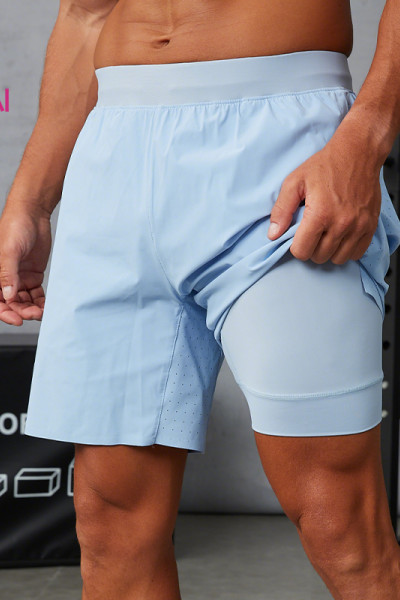
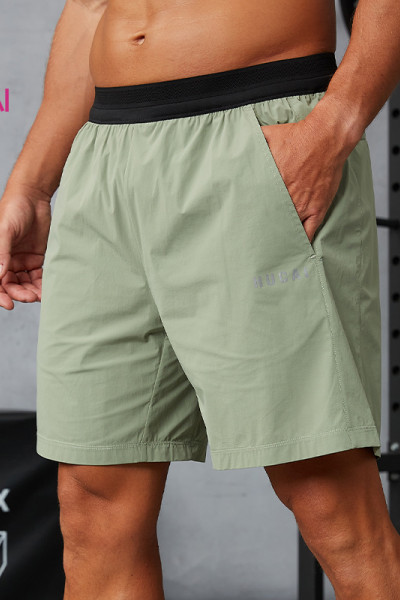
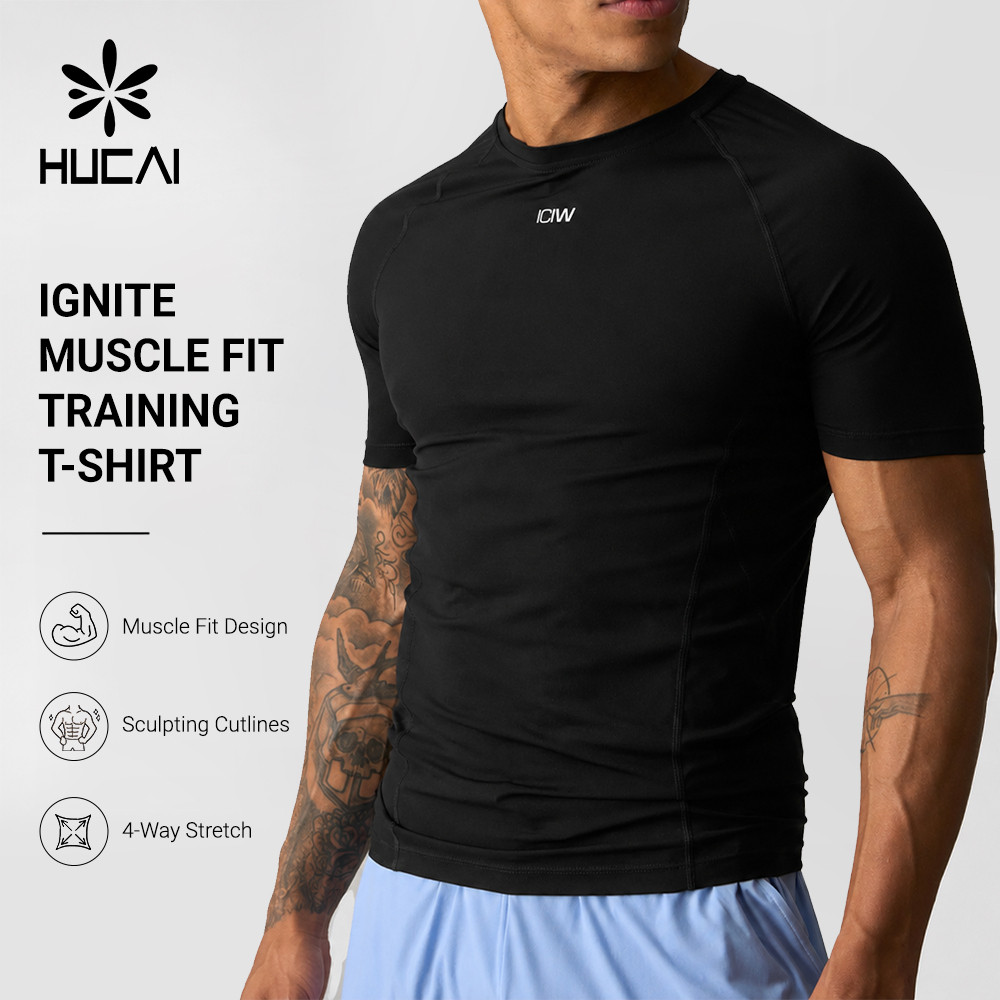
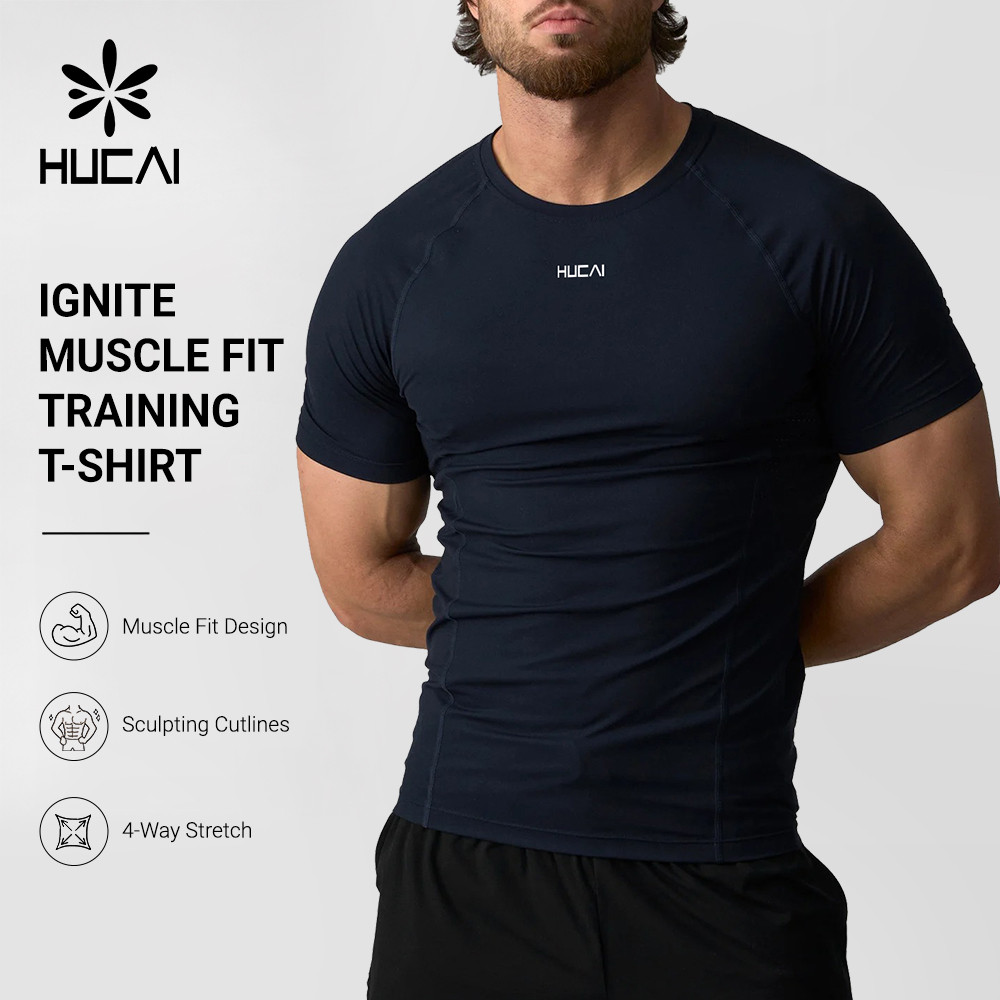
Not every product belongs on the same platform. The strongest candidates share the same use case, similar body coverage and compatible performance needs. In a men's training collection, a tee, tank and long sleeve built from one performance knit can form a coherent top family, while a linerless short made from the same fabric family is possible but requires extra checks on stretch direction and recovery.
The table below shows how different garment structures relate to the same fabric platform.
| SKU | Can Share the Platform? | What Must Be Re-Evaluated |
|---|---|---|
| Performance tee | Yes, the core reference | GSM, opacity, drape, shrinkage behavior |
| Tank top | Usually yes | Armhole depth, stretch recovery at the opening, hem behavior |
| Long sleeve | Usually yes | Sleeve articulation, cuff recovery, layering length |
| Linerless training short | Only with extra checks | Stretch direction, waistband recovery, opacity, seam comfort |
| Compression or fitted tights | Usually no | Compression level, recovery under repeated wear, coverage |
A useful starting rule: if two products are worn in the same activity, in the same season, and need a similar level of stretch and drying performance, they are candidates for one fabric family. If the use cases diverge, such as a race-fit top versus a warm-up hoodie, the platform should be allowed to differ.
Re-Evaluating GSM, Stretch, Recovery and Fit Per Garment
This is the core judgment in fabric platform development. A validated fabric is the starting point, but every garment structure changes how the fabric behaves. The most common adjustments happen across four factors.
GSM and Handfeel
A tee and a short may use the same composition but different GSM to balance durability and drape. The handfeel must be re-confirmed on each GSM, not assumed from the first product.
Stretch Direction
Tops usually need stretch in one direction for mobility, while shorts and waistbands need crosswise or 4-way stretch. The same knit can behave differently in each application.
Recovery
Waistbands, cuffs and armholes depend on recovery. A fabric that recovers well in a tee can bag out in a short if the construction does not support it.
Fit and Ease
Pattern ease changes with fabric stretch. A fitted tee block cannot simply be scaled into a short or long sleeve without reviewing ease, length and seam placement.
Opacity is another factor that is easy to miss. A fabric that is fully opaque in a black tee may become translucent in a white long sleeve or a short, which changes the whole product decision. Drying speed, color consistency across dye lots and how the fabric handles print, embroidery or woven labels should also be confirmed before the platform is locked for multiple SKUs.
When You Should Not Force-Share a Fabric
The boundary is as important as the platform itself. A fabric platform is not a promise that every product must use the same cloth. There are clear cases where sharing the fabric creates more problems than it solves.
- Different use cases. A race-day top and a cold-weather midlayer need different fabric properties. Forcing one platform weakens both products.
- Different fit languages. A relaxed gym tee and a compression short demand opposite stretch and recovery behavior. They cannot honestly share one specification.
- Opacity and coverage risk. If the lightest colorway or the smallest size exposes a coverage problem, the fabric should not be extended to that SKU.
- Construction incompatibility. Some fabrics do not handle certain waistbands, bindings, liners or zip plackets well. The garment construction must be compatible before the fabric is approved.
- Seasonal conflict. Summer training pieces and winter layering pieces rarely belong on the same platform, even inside one brand.
A common early-stage issue in private label gym wear development is a brand insisting that one fabric covers all products for the sake of simplicity. The result is usually a compromise where the hero product loses performance so that other SKUs can exist. The better approach is to define two or three platforms for the whole collection instead of one for everything.
Color Consistency, Dye Lots and Reorder Control
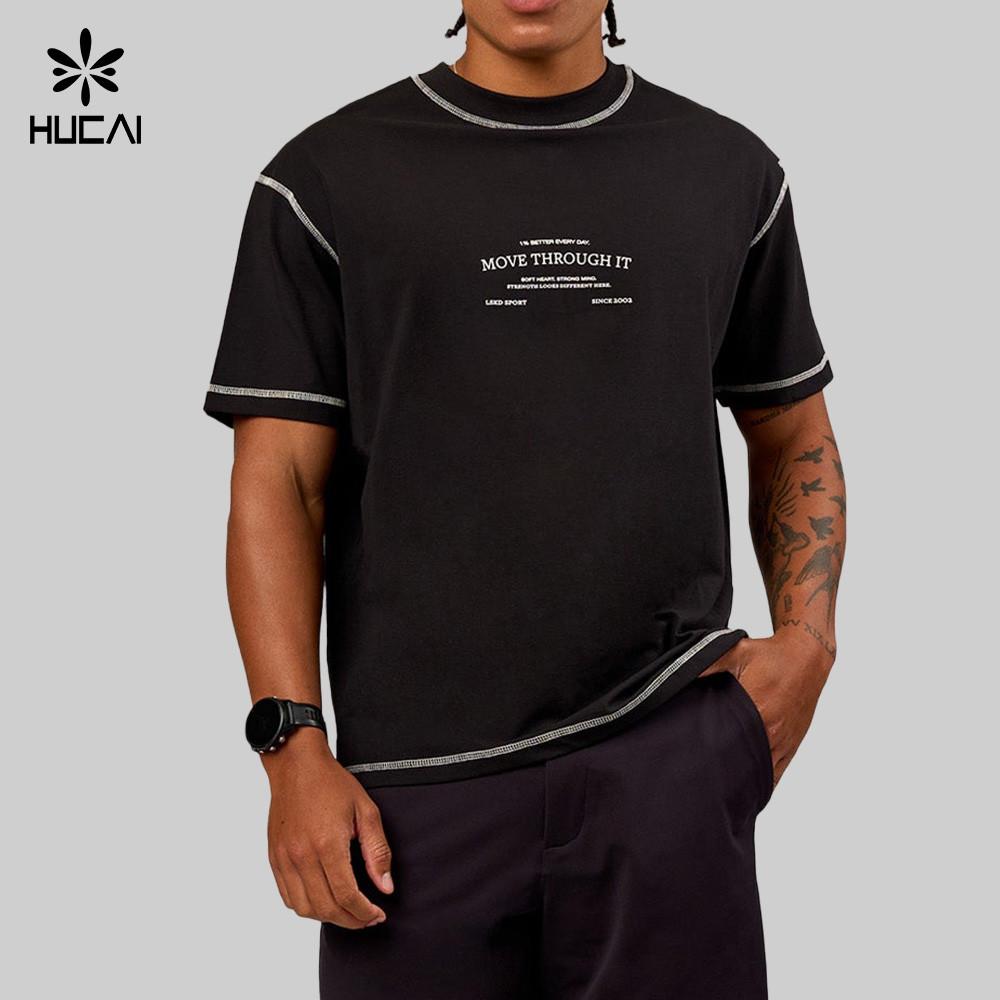
One of the strongest reasons to adopt a fabric platform is color consistency. When several SKUs use the same fabric code, the same dye lots can be applied across the collection, so the tee, tank and short match each other much more reliably than three fabrics sourced from three suppliers.
Color consistency is still managed, not automatic. Dye lot differences, batch-to-batch variation and trims such as rib, drawcord or binding all need to be checked together. A color that is approved on a fabric swatch can look different after garment finishing, so the standard practice is to approve color on the actual fabric construction and to keep the same lot reference across all SKUs of one colorway.
Reorder control improves because the fabric code is fixed. When a brand reorders a proven short, the same fabric, the same color code and the same construction can be reproduced, which reduces the risk of a slightly different product showing up in the next batch. For established brands this is often the difference between a dependable carryover program and one that quietly drifts.
Sample Sequencing and MOQ Planning
The right sequence keeps the project under control: confirm the fabric platform first, then develop patterns per structure, then review one fit sample per SKU, then lock construction details, then plan bulk. Rushing to bulk before the platform is validated across structures is the most expensive mistake in this process.
Confirm the Fabric
Start with composition, GSM range, stretch direction, recovery, handfeel, opacity and drying. This is the foundation for every SKU that follows.
Adapt Patterns Per Structure
Do not reuse one block. Adjust ease, seams and trims for each garment type so the fabric performs where it is worn.
Review Fit Samples
One fit sample per SKU, checked for movement, recovery and construction compatibility. This is where most issues are caught.
Plan Bulk Around Confirmed Details
With fabric, trims, measurements and branding confirmed, bulk planning becomes a matter of scheduling and quality checkpoints.
On MOQ, the practical reference for custom men's activewear is from 100 pcs per style, with the final number depending on fabric, color, size range, customization and order structure. Fabric MOQ is often driven by colors and dye lots rather than by style count, which is another reason a shared platform helps: fewer fabric codes and colors mean more efficient minimums across the whole program. Sample timing depends on fabric availability, pattern work, logo method, fit adjustment and revision rounds, so it is planned per project rather than promised as a fixed number.
Decision Check
Before you commit a fabric to multiple SKUs, work through this checklist with your development partner.
- Do the candidate SKUs share the same use case and season?
- Has the fabric been validated on each GSM you plan to use?
- Are stretch direction and recovery confirmed for tops and bottoms separately?
- Is opacity acceptable in the lightest colorway and the smallest size?
- Are trims such as rib, drawcord and binding compatible with the fabric?
- Can one dye lot family keep colors consistent across all SKUs?
- Is the sample sequence planned before bulk quantities are committed?
- Does the fabric MOQ still make sense when shared across the program?
If any answer is unclear, resolve it in the sample stage. Unclear answers rarely get better in bulk.
Manufacturer Insight
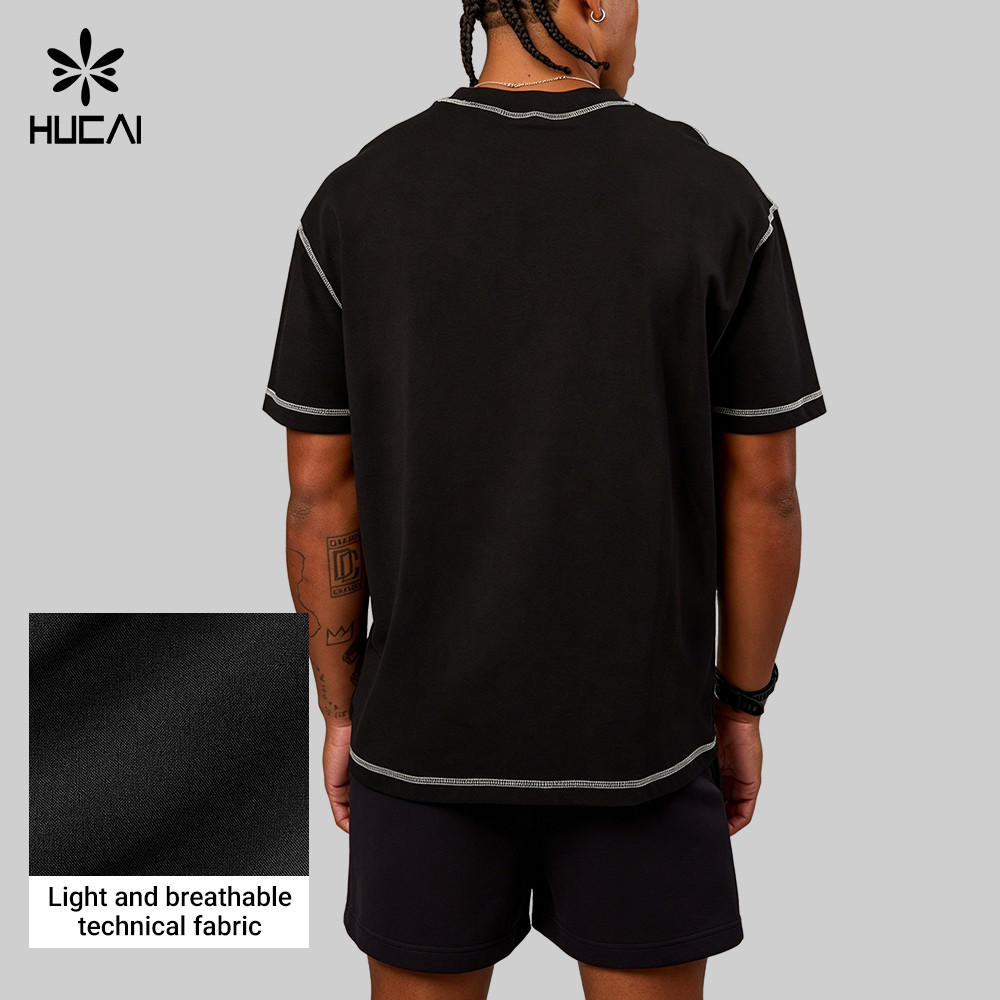
At HUCAI activewear, fabric platform projects are handled as development projects, not order-taking. We review composition, GSM, stretch and recovery together with the pattern and construction of each SKU, because the fabric only delivers its value when the garment is built for it. Our teams track fabric, trims, pattern, sample, bulk, QC and logistics through MES / ERP production follow-up, so a multi-SKU program stays visible from the first sample to final inspection.
Quality stability is supported by quality checkpoints and AQL 2.5 quality inspection before shipment, applied to sample-to-bulk consistency. The most useful habit for a brand is simple: treat the fabric platform as the contract, treat each garment construction as the work, and never assume that approval of one SKU approves the others.
FAQ
What is a performance fabric platform in men's activewear development?
A performance fabric platform is a validated fabric family, defined by composition, knit structure and GSM range, that a brand reuses across related SKUs. It locks in consistent handfeel, color and cost while simplifying sourcing, but each garment structure still needs its own construction and fit review.
Can one fabric really work for T-shirts, tanks, shorts and long sleeves?
Yes, when the products share the same use case and season, and when GSM, stretch direction, recovery, opacity and construction compatibility are re-evaluated per structure. The fabric is shared; the specification is not identical.
What changes when the same fabric is used for a short instead of a top?
Stretch direction, recovery and waistband construction become critical, and opacity at the lightest colorway or smallest size needs a new check. A fabric that performs in a tee can fail in a short if these factors are not reviewed.
How do brands keep color consistent across SKUs in the same fabric family?
By using the same fabric code and dye lot family for all SKUs of one colorway, and by approving color on the actual fabric construction with trims included. Batch-to-batch variation is managed through lot references and quality checkpoints.
Does using one fabric platform reduce fabric MOQ?
Often yes. Fewer fabric codes and colors mean minimums are pooled across the program instead of split among many small fabric orders. Final MOQ still depends on fabric, color, size range and customization; as a reference, custom men's activewear starts from 100 pcs per style.
What should I prepare before asking a men's activewear manufacturer about a fabric platform?
Your target products, use case, season, preferred composition if you have one, color direction and any reference images. You do not need a complete tech pack; a development team can help define the platform from your product direction.
How many samples should a brand expect when building a multi-SKU fabric platform?
Expect at least one fit sample per SKU, plus fabric confirmation and construction checks, with revision rounds if movement or recovery issues appear. The number depends on fabric availability, pattern work and fit adjustment, so it is planned per project.
When should a brand NOT share a fabric across SKUs?
When use cases diverge, fit languages differ, opacity or coverage becomes a risk, construction is incompatible, or seasons conflict. The boundary is part of the strategy: define two or three platforms for the collection instead of forcing one for everything.

Final Takeaway
A performance fabric platform is one of the most effective ways to build a coherent men's activewear collection with controlled cost, consistent color and dependable reorders. The discipline is in the details: confirm the fabric, adapt each garment structure, validate through samples, and only then plan bulk.
For growing brands, this approach turns one successful product into a believable family without multiplying sourcing complexity. For established brands, it protects carryover consistency. If you are planning a fabric platform or a multi-SKU collection, share your product direction, reference images or existing specs and our team can help define the development path.
Related Reading
Continue exploring collection planning and fabric development with these resources: