How Men's Activewear Brands Should Build a Technical Product Hierarchy: Core, Training, Race and Weather
Many growing men's activewear brands plan a collection with a simple category table: a few T-shirts, a few shorts, maybe a jacket. The problem is that the table rarely explains what each SKU is for, who wears it, when, and what the product must actually deliver. Fabric weights, stretch levels, breathability, durability, storage and price end up drifting between styles, and the range reads more like a list of garments than a collection. A more reliable starting point is a technical product hierarchy: define the performance role of every SKU before you lock fabric, fit and construction. For a private label activewear manufacturer such as HUCAI activewear, this is usually the first conversation in OEM or ODM collection planning, because product role decides sample priority, cost position and how much development each style needs.
The short version: product category tells you what a garment is, while product role tells you what it must do. In this guide we break down four roles that work well for men's activewear - Core, Training, Race and Weather - and show how the same category changes specification once the role changes. We also explain how to build a small technical product architecture that keeps fabric, fit, sample sequence and price positioning consistent across a growing collection.
Quick Answer
Define the performance role of every SKU before choosing fabric, fit or price. A clear men's activewear collection is planned as Core, Training, Race and Weather roles first; each role then drives its own fabric weight, stretch, breathability, durability, storage, weather protection and sample sequence. The same category, such as a men's running short, cannot share one specification across roles without losing function or paying for features buyers do not need.
In This Guide
- Who This Article Is For
- Product Category Is Not a Product Role
- The Four Performance Roles
- Why the Same Tee or Short Cannot Share One Spec
- Building a Small Technical Product Architecture
- Decision Check
- FAQ
- Final Takeaway
Who This Article Is For
This article is written for brands that are moving from a product list to a real collection logic:
- Growing men's activewear brands building their first or second performance collection.
- Private label buyers reviewing an existing SKU list before the sample stage.
- Brands planning ODM development and comparing how suppliers approach fabric, fit and sample sequencing.
It is a collection planning and manufacturer insight piece, not a styling article. If your goal is to reduce fabric confusion, price overlap and repeated sampling, the thinking here applies directly to your next development round.
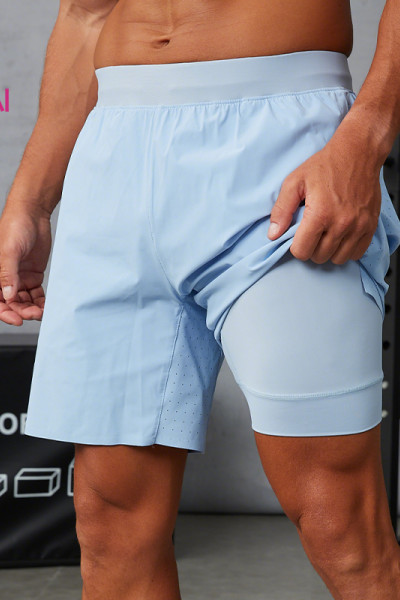
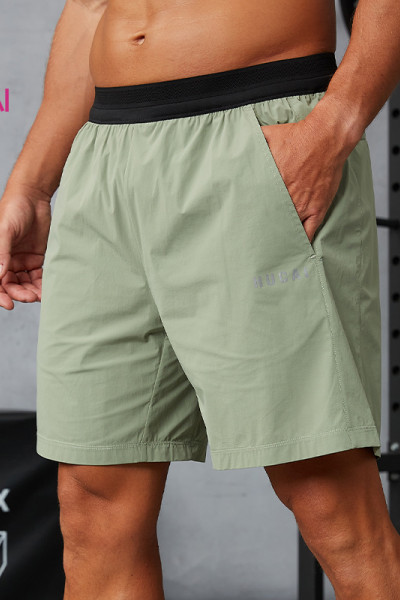
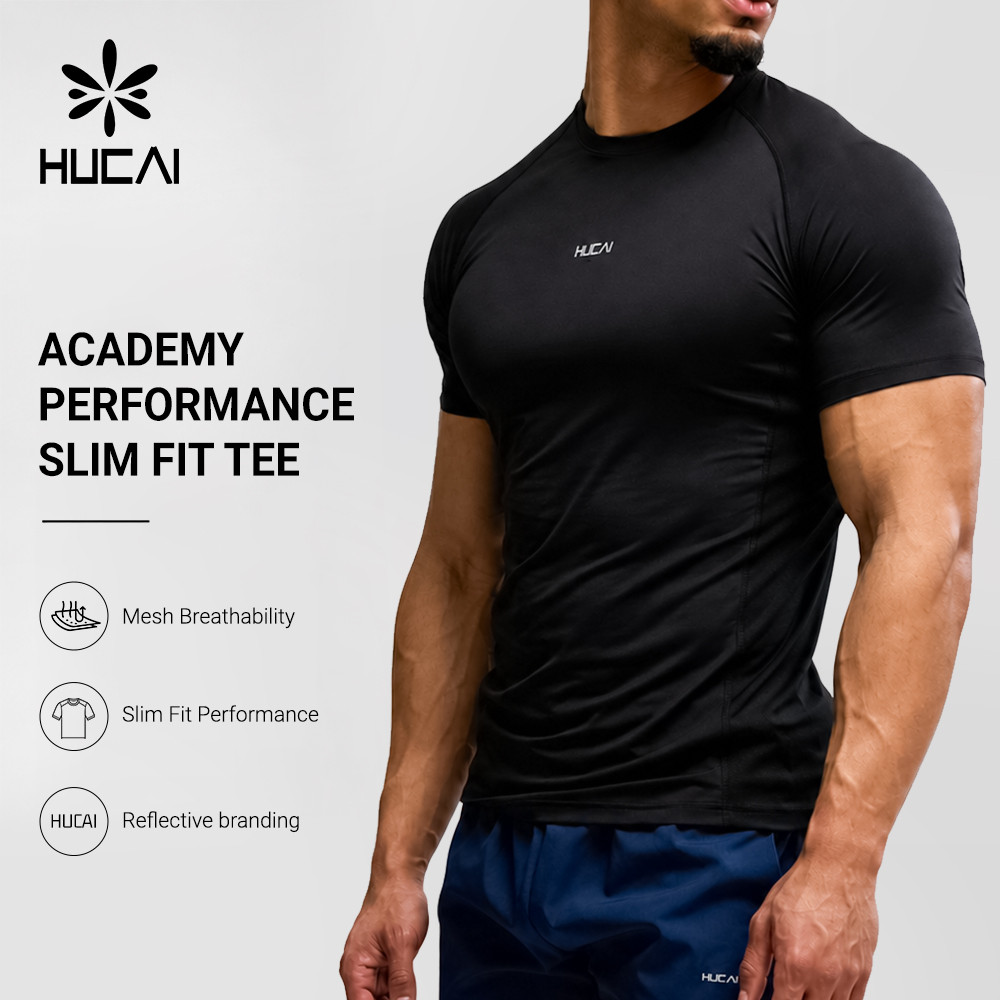
Core pieces are the everyday workhorses of a men's activewear collection.
Product Category Is Not a Product Role
A product category describes the garment: T-shirt, short, hoodie, jacket. A product role describes the job the garment must do in an athlete's wardrobe: everyday training, structured sessions, race day, or outdoor sessions in changeable weather. Many growing brands only plan by category, which is why the same style often tries to serve every scenario at once.
Common Failure Pattern
A common failure pattern we see: a brand lists six styles by category - three tees, two shorts, one jacket - and then expects every tee to work for gym, running and lifestyle at the same time. The result is a mid-weight compromise fabric, a generic fit, and a price position that satisfies no one. The tee is neither light enough for racing nor durable enough for daily training, and the brand discovers this only after the first sample round.
Once you separate category from role, decisions become simpler:
- Fabric choice follows the role, not the product name.
- Fit logic follows the movement pattern of the role.
- Sample priority follows risk: the role that carries the collection is sampled first.
- Price positioning follows role complexity, not category alone.
The Four Performance Roles
Four roles cover most men's activewear collections without overcomplicating the range. You can add a hybrid role later if a style genuinely serves two jobs, but starting with four keeps the architecture readable.
Core
Everyday training basics: gym T-shirts, training shorts, joggers, tanks. Balanced fabric weight, solid durability, comfortable fit and a value price position. These SKUs carry the collection and usually come first in the sample sequence.
Training
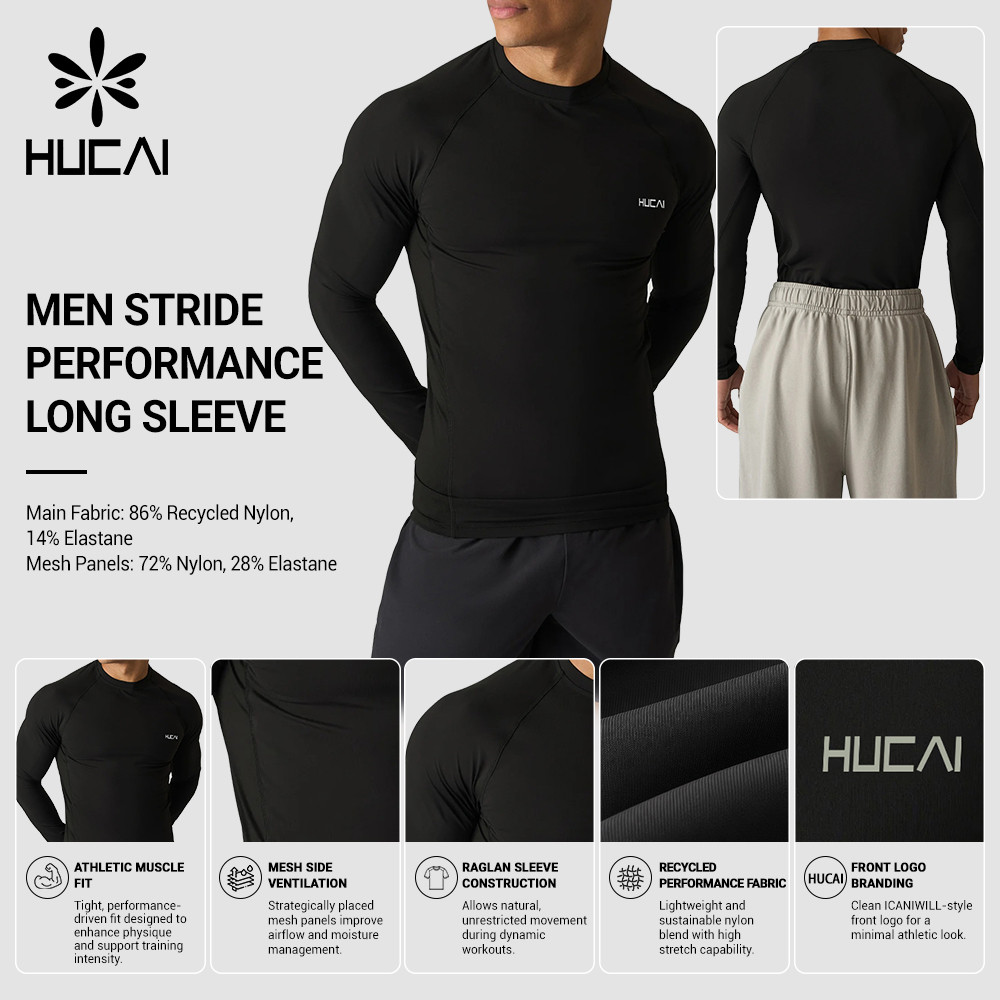
Engineered pieces for structured sessions: moisture management, stretch and recovery, anti-chafe seam placement, secure storage. Mid-to-higher price position because construction and fabric do more.
Race
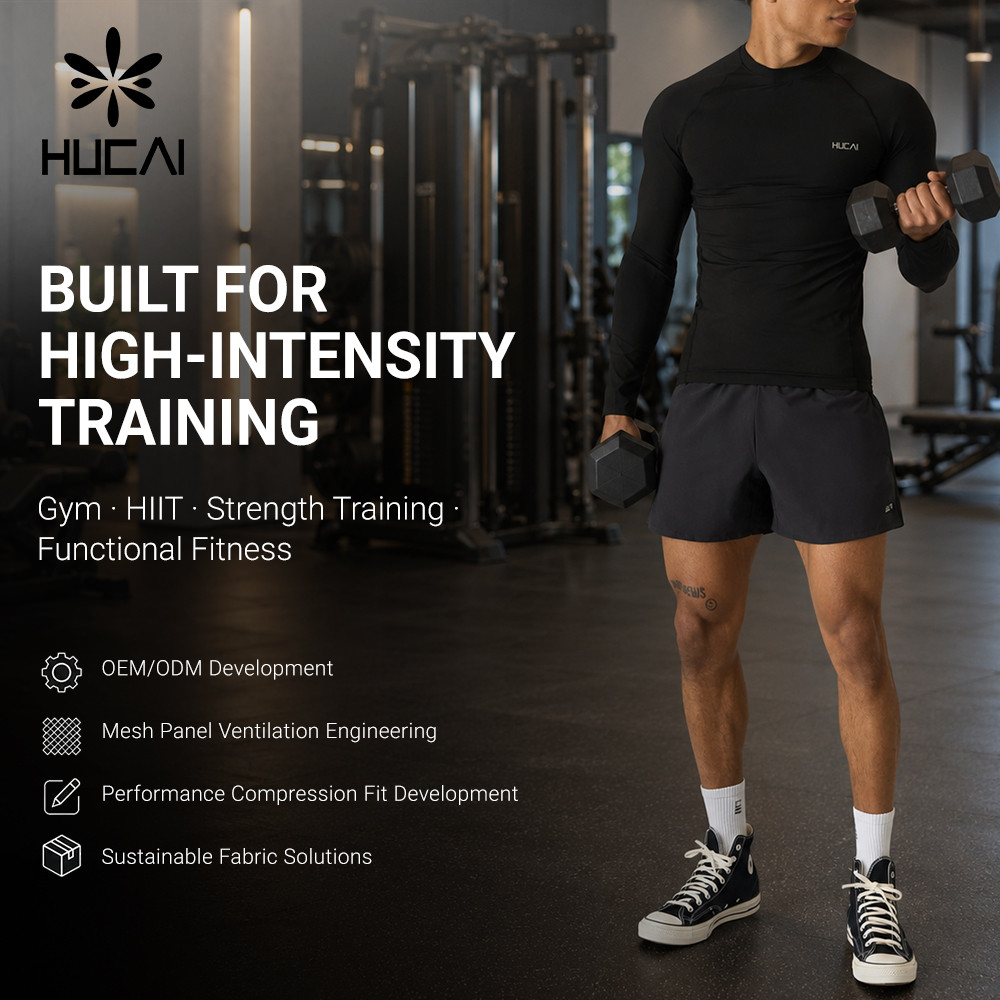
Low weight, high airflow, low bulk: race tops, singlets, split shorts. Minimal coverage, race-day fit, maximum breathability. A narrow but high-margin part of the range that signals technical credibility.
Weather
Protection for outdoor sessions: wind and water protection, layering length, secure storage, reflective detail. Seasonal, higher price, slower sample cycle because weather performance depends on finish and construction choices.
Each role also changes which product development details matter most. Core rewards durability and consistency across wash cycles. Training rewards stretch recovery and seam comfort. Race rewards low bulk and airflow. Weather rewards protection, storage and layering fit. When a role is defined, the fabric weight, stretch direction, breathability target and construction priorities stop being guesses.
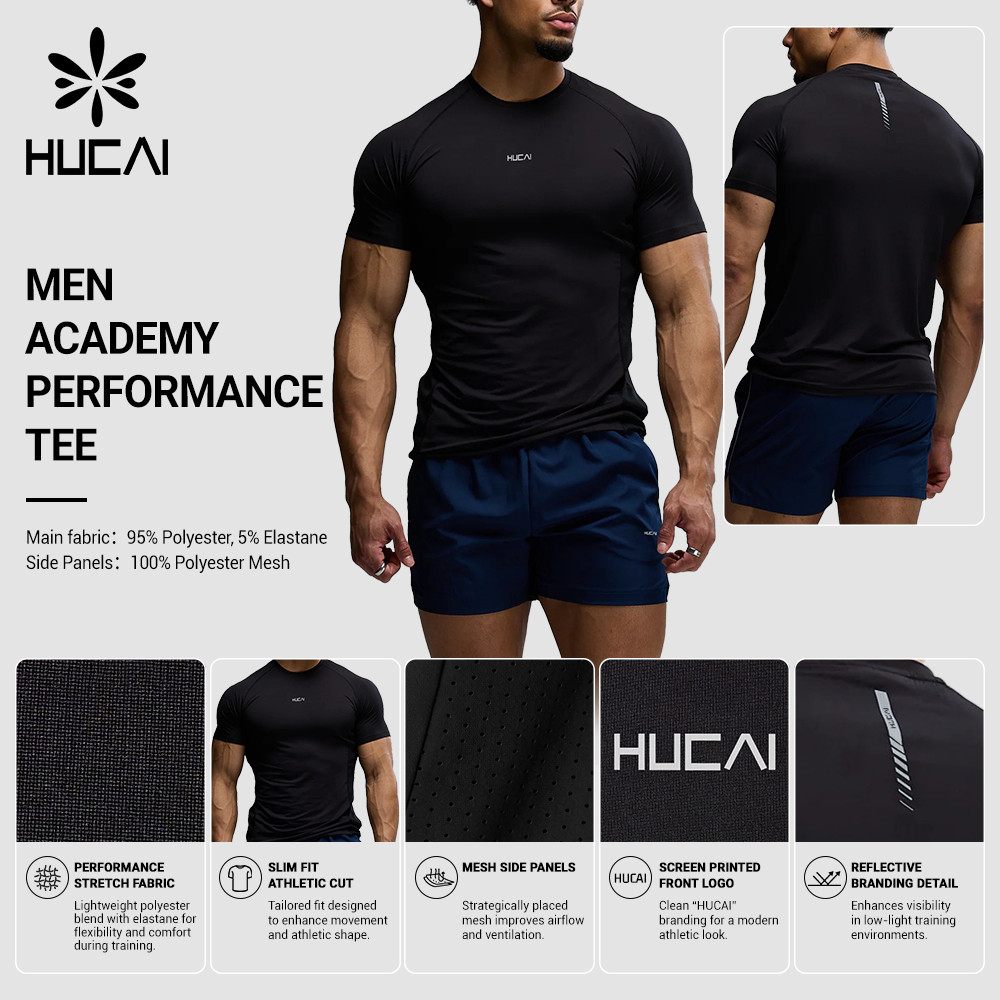
Training role pieces are engineered for structured sessions, not just styled for them.
Why the Same Tee or Short Cannot Share One Spec
The clearest proof that role matters is that the same category cannot keep one specification across roles. A men's T-shirt works in every role, but the spec changes each time. The table below shows how the same garment shifts when its role changes.
Race role pieces trade coverage and bulk for weight and airflow.
| Development Factor | Core | Training | Race | Weather |
|---|---|---|---|---|
| Fabric weight | Mid GSM, balanced for repeat wear | Mid GSM with higher stretch and recovery | Low GSM, featherweight knit | Mid-to-higher GSM or layered shell fabric |
| Stretch | Moderate, all-direction comfort | Targeted stretch in movement zones | Minimal stretch, focus on airflow | Stretch where mobility is needed |
| Breathability | Standard moisture wicking | Engineered ventilation zones | Maximum airflow, mesh or open knit | Ventilation balanced with wind protection |
| Durability | High, wash-cycle stable | High at stress points and seams | Lower priority, race-day lifespan | High abrasion resistance in shell |
| Storage | Minimal | Secure, low-bounce pockets | Minimal or race-specific storage | Secure storage for keys and layers |
| Fit | Relaxed, consistent sizing | Semi-fitted, movement-first | Aero, close to body, low bulk | Layering length, room for base layers |
| Price position | Value, entry price | Mid-to-high | High per unit, low volume | High, seasonal |
| Sample priority | First | Second | Third | Last, weather-dependent |
A 180 GSM training tee and a 130 GSM race tee are not the same product with different colors. The fit ease, seam construction, hem treatment and even the label placement change with the role. The same logic applies to shorts: a Core short prioritizes durability and value, a Training short adds liner and pocket engineering, a Race short removes bulk, and a Weather short adds protection and secure storage. Locking one specification for all four means every version compromises somewhere.
Weather role pieces add protection, storage and layering length without losing mobility.
Building a Small Technical Product Architecture
A technical product architecture does not need to be a large document. For a growing brand, a one-page role map is enough. The point is that fabric, fit, sample sequence and price all point back to the same role logic.
- Label every SKU with a role. Go through your planned list and assign Core, Training, Race or Weather to each style. If a style cannot be labeled, decide whether it exists at all.
- Give each role a spec envelope. Define a fabric weight range, stretch direction, breathability target, durability expectation and storage rule per role, not per style.
- Decide which roles share a fabric platform. Core and Training can often share a fabric family with different constructions; Race and Weather usually need their own platforms. Shared platforms keep cost and color consistency manageable.
- Set sample sequence by risk. Sample the role that carries the collection first, then hero items, then seasonal items. This keeps development cash flow and feedback loops under control.
- Position price by role and construction. Let role complexity drive price, so buyers immediately understand why a race top costs more than a core tee.
Manufacturer Insight
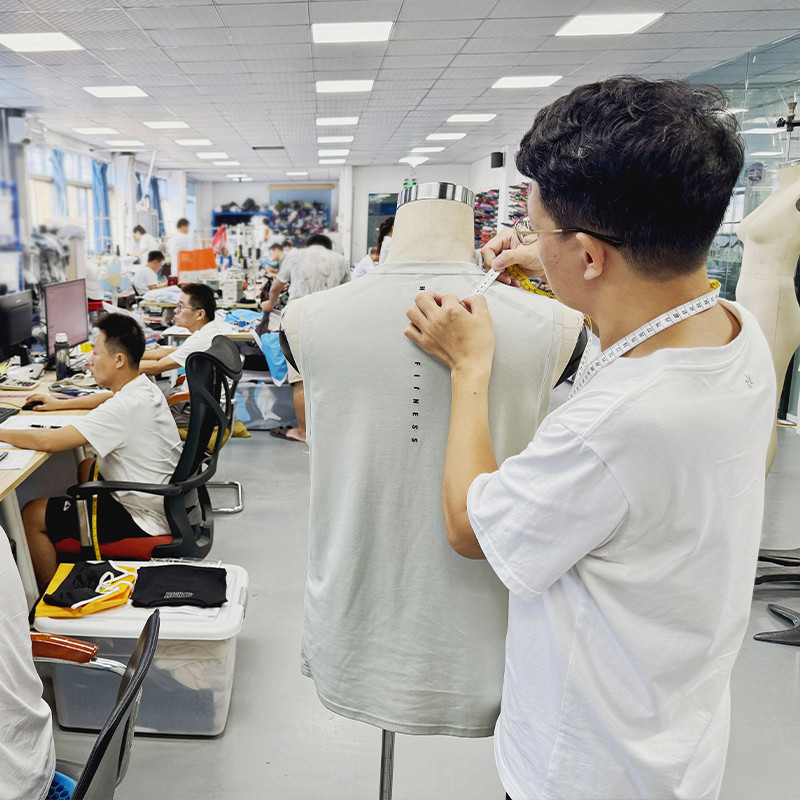
At HUCAI activewear, sample-to-bulk coordination starts from product role, fabric behavior and confirmed construction details. When a brand defines roles first, our development team can plan pattern work, fabric sourcing and sample rounds in a sequence that reduces rework, and our MES and ERP tracking gives clearer progress visibility from sampling to bulk. Quality checkpoints such as AQL 2.5 inspection help keep the difference between role versions intentional instead of accidental. If you are planning a role-based men's activewear collection, you can send us your current SKU list or reference images and we will help translate it into a practical sample sequence.
Send your SKU list or reference images for collection planning support.
Decision Check: Is Your Collection Role-Clear?
- Can you explain what each SKU must do in one sentence?
- Does each role have its own fabric weight and fit logic?
- Do race items stay light and low-bulk?
- Is storage or weather protection placed where buyers actually need it?
- Is the sample sequence driven by risk, not by category order?
- Does price position follow role and construction complexity?
FAQ
What is a technical product hierarchy in men's activewear?
A technical product hierarchy organizes a collection by performance role rather than by product name alone. Each SKU is assigned a role such as Core, Training, Race or Weather, and that role determines fabric weight, stretch, breathability, durability, storage, fit and sample priority. It keeps fabric, price and positioning consistent across the range.
What is the difference between a product category and a product role?
Category describes the garment type, such as a T-shirt or a short. Role describes what the garment must do, such as everyday training or race day. The same category appears in multiple roles, but each version carries different specifications because the job it does is different.
Why can't the same men's T-shirt spec work for both training and race?
Training and race reward different trade-offs. Training rewards durability, stretch recovery and seam comfort for repeated sessions, while race rewards low weight, airflow and low bulk for one focused effort. One mid-weight compromise fabric usually delivers neither well, and the price position also becomes unclear.
How many SKUs should a growing men's activewear brand start with?
There is no fixed number; it depends on your market, budget and development capacity. A common early-stage approach is to keep the range small, define one clear role for each SKU, and sample the role that carries the collection first. A focused role map beats a long category list with overlapping products.
What should we prepare before discussing collection planning with a manufacturer?
Reference images, target product direction, market notes and a rough idea of which styles matter most are a strong starting point. A full tech pack is not required for early planning. The more clearly you can describe each SKU's role, the faster a manufacturer can advise on fabric, fit and sample sequence.
Do we need a full tech pack before starting OEM or ODM development?
Not for the planning conversation. OEM development works best when you bring an existing tech pack or detailed specs, while ODM development supports brands with reference images and collection ideas. Many growing brands start with references, confirm roles and fabric direction, and build measurement and construction details through the sample rounds.
How do fabric weight, stretch and durability decisions change across roles?
Core favors mid-weight, durable, wash-stable fabrics at a value price. Training adds stretch and recovery with reinforced stress points. Race drops weight and bulk for airflow. Weather adds protection, abrasion resistance and layering length. The same decision factors apply in every role, but the priorities flip depending on what the garment must do.
Final Takeaway
A men's activewear collection becomes easier to develop, sample and sell once every SKU has a defined performance role. Start with Core, Training, Race and Weather, let each role drive its own fabric weight, fit, construction and price position, and use the role map to set your sample sequence. This is the difference between a list of garments and a collection that buyers can read at a glance.