How Celebrity Athlete Endorsements Are Changing Activewear Design
A decade ago, athlete endorsements mainly served a marketing function. Today they increasingly shape how activewear products are designed. With global social media audiences reaching tens or hundreds of millions, elite athletes have become powerful trend drivers in sportswear design and sportswear manufacturing .
When athletes collaborate with sportswear brands, their training habits, personal style, and fan communities influence the types of garments that brands develop. This has shifted activewear development from purely performance-driven design toward a broader mix of performance, lifestyle, and comfort.
Cristiano Ronaldo: Compression Performance Apparel
Cristiano Ronaldo has one of the largest social media audiences in the world, with over 630 million Instagram followers as of 2026. His long-standing collaboration with Nike helped popularize tight-fitting compression apparel across football training and fitness markets.
Nike's Nike Pro compression line, widely worn by athletes in football and training, emphasized muscle support and tight silhouettes designed to stabilize muscle movement during intense activity. These garments became strongly associated with Ronaldo’s training image and influenced a generation of men’s activewear design.
This trend pushed sportswear manufacturers to develop fabrics with higher elastane content, stronger stretch recovery, and muscle-mapping panel constructions. Compression tights, base layers, and compression training tops became common products across global sportswear brands.
Lewis Hamilton: Performance Meets Luxury Athleisure
Lewis Hamilton currently has more than 38 million Instagram followers, and his partnership with Lululemon reflects a different direction in activewear development.
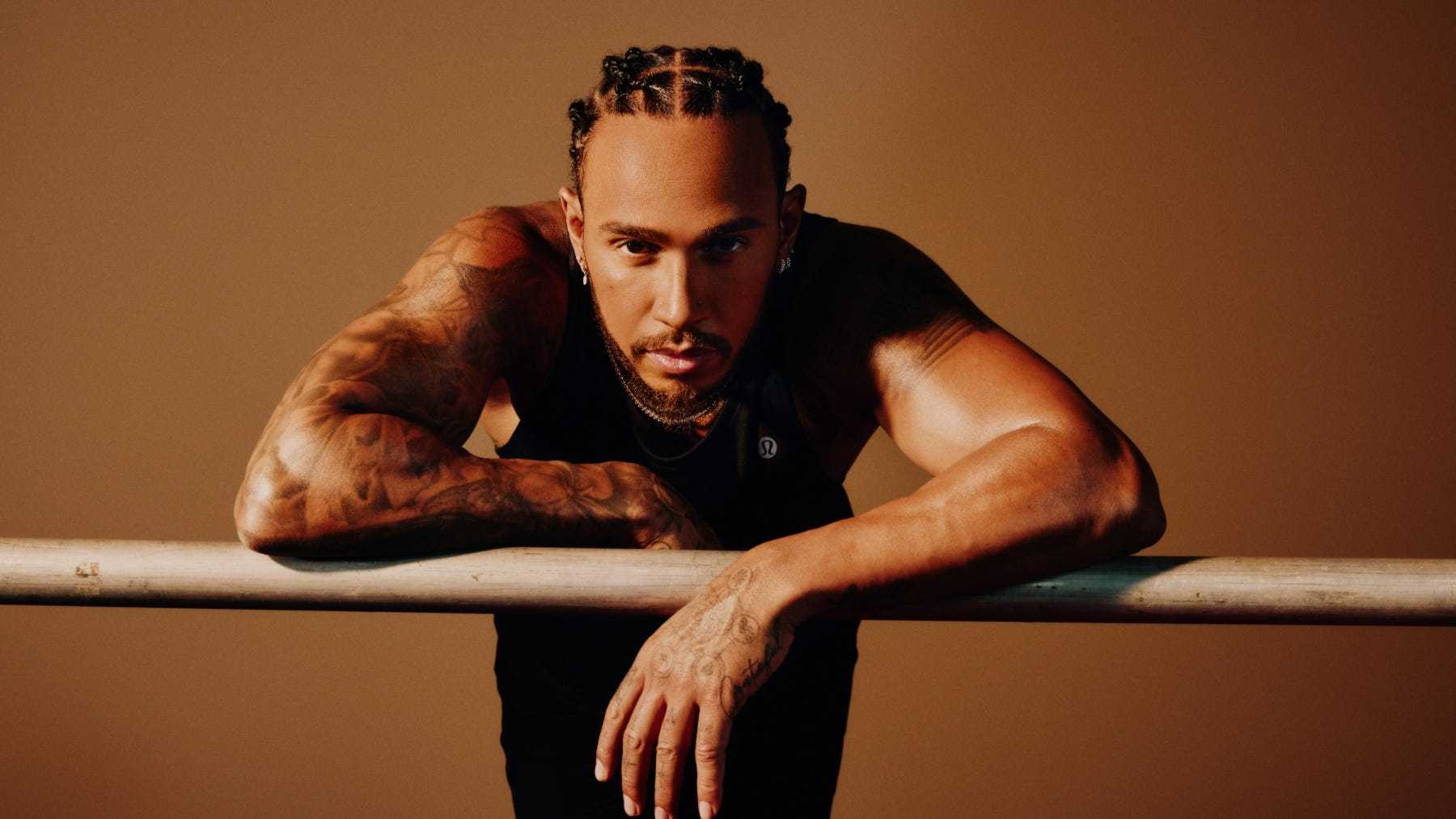
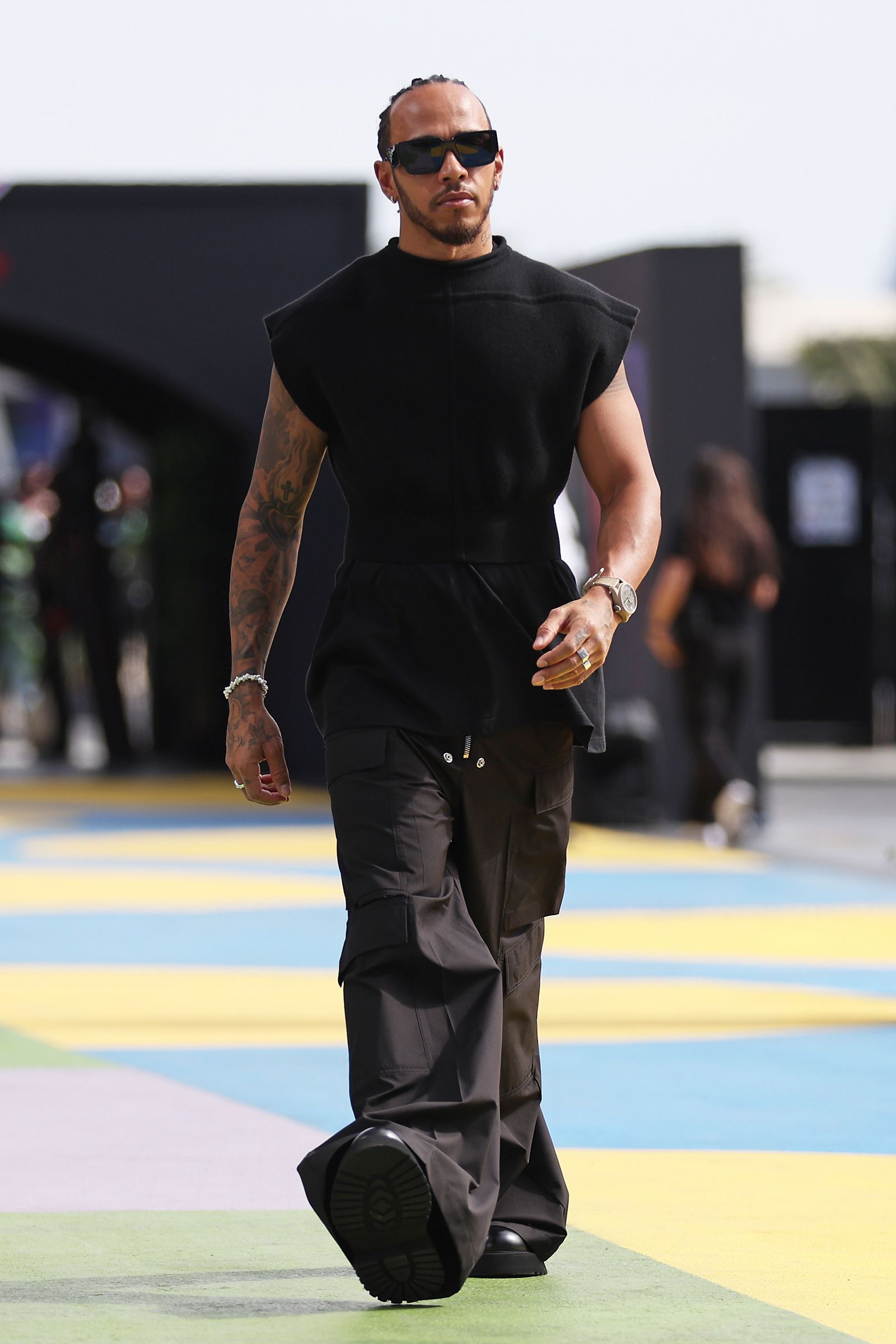
Hamilton is known not only for Formula One racing but also for his fashion influence. His collaboration with Lululemon has helped push training apparel toward a performance–lifestyle hybrid model. Instead of emphasizing tight compression, the brand highlights garments designed for mobility, comfort, and everyday wear.
Products in the Lululemon men's training collection now feature relaxed silhouettes, softer fabrics, and minimal branding. This shift illustrates how athlete partnerships can encourage brands to rethink traditional performance apparel design.
For sportswear manufacturing , this trend increases demand for fabrics that combine durability with softness, allowing garments to function both during workouts and in casual daily settings.
David Beckham: Training Apparel as Everyday Wear
David Beckham remains one of the most influential sports figures online, with approximately 88 million Instagram followers. His long-term association with Adidas helped expand the concept of training lifestyle apparel.
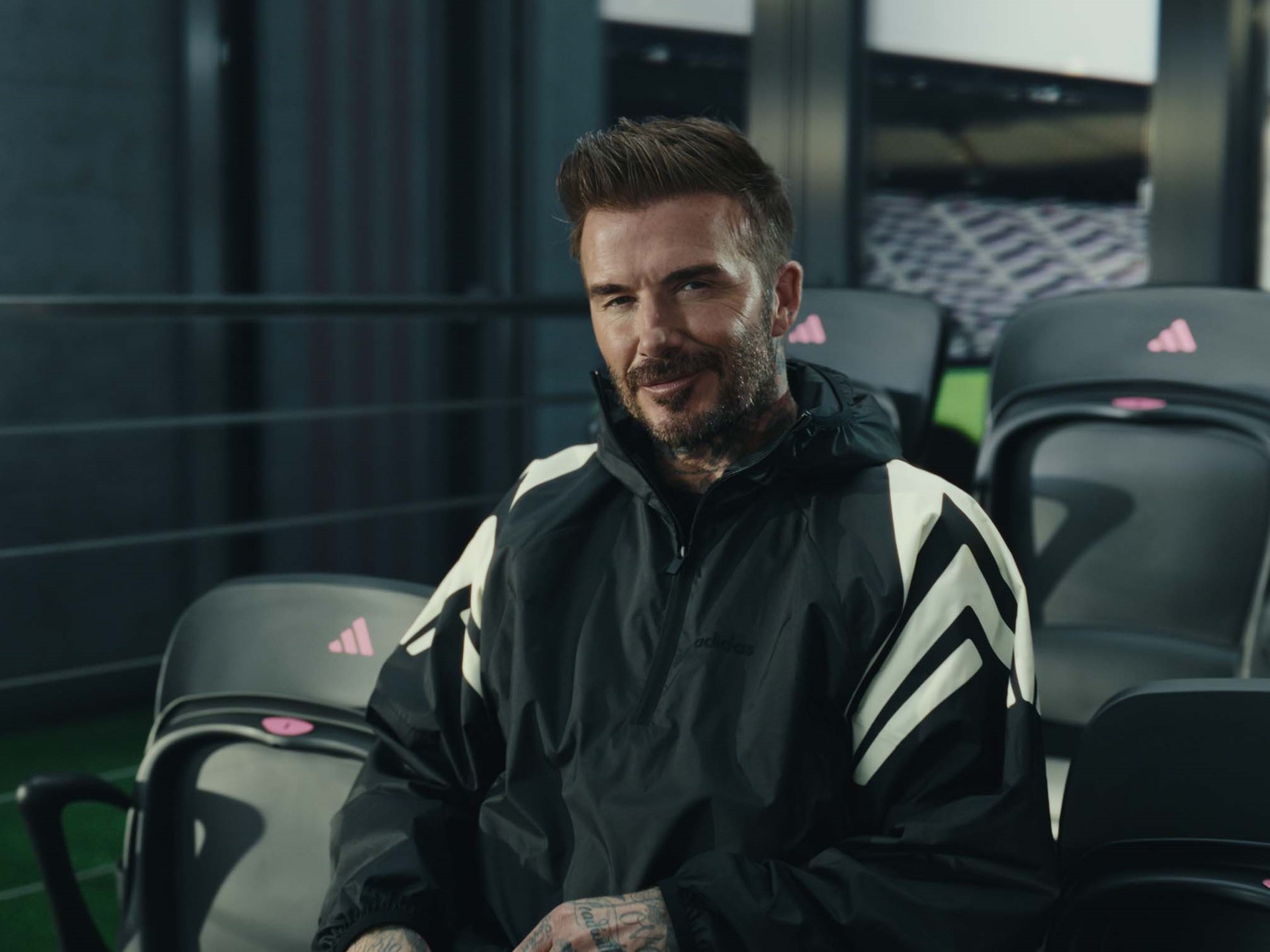
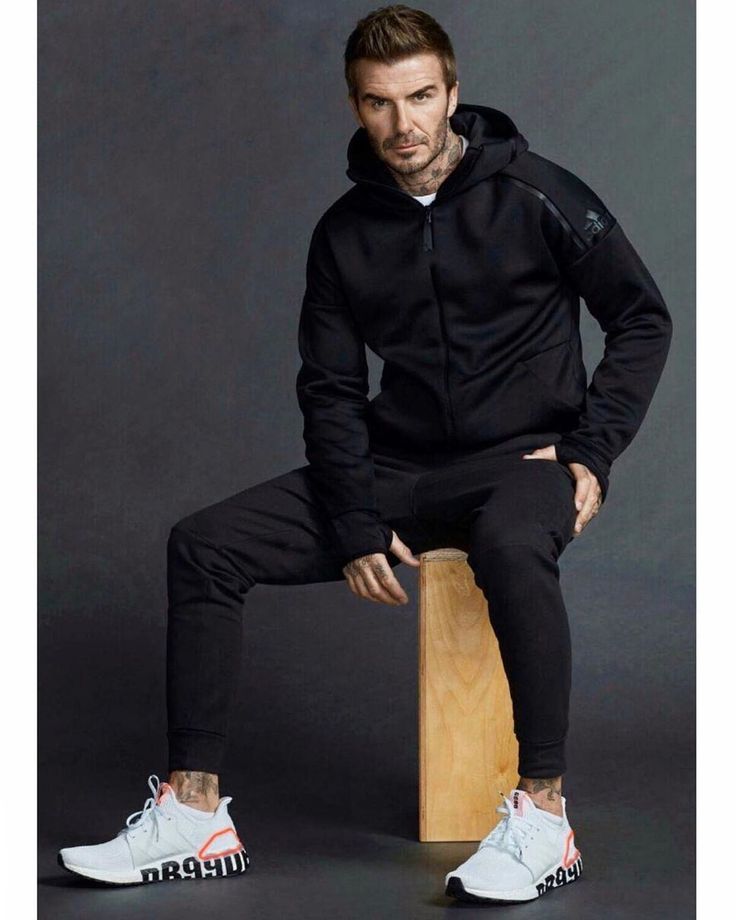
Beckham's influence is particularly visible in products such as lightweight training jackets, slim training pants, and versatile training hoodies. These garments are designed not only for exercise but also for everyday activities like commuting and travel.
As a result, activewear categories have expanded beyond traditional performance gear. Many consumers now expect sportswear garments to function across multiple contexts.
For sportswear manufacturers, this means fabrics must deliver both comfort and durability. Garments must maintain shape and appearance after repeated wear while remaining lightweight enough for athletic activity.
Roger Federer: Minimalist Performance Design
Roger Federer, who has over 12 million Instagram followers, collaborates with On Running on performance apparel that reflects his clean and minimalist aesthetic.
On Running's apparel design influenced by Federer often features simplified garment construction with fewer seams and subtle technical detailing. Instead of complex panel structures, many garments rely on advanced knit fabrics to provide stretch and support.
This minimalist approach represents a growing trend in modern activewear design, where visual simplicity is paired with sophisticated fabric engineering.
For sportswear manufacturing, fewer seams require more precise fabric stability and knit structure development. The garment must maintain shape and performance without relying heavily on structural stitching.
What This Means for Sportswear Manufacturing
The growing influence of celebrity athletes is changing how activewear products are developed. Instead of focusing solely on technical performance metrics, brands now consider how athletes train, travel, and present themselves publicly.
Athletes with large global audiences can quickly popularize specific garment types, silhouettes, or fabric concepts. For sportswear manufacturers, this means adapting to faster product development cycles and evolving design directions.
Manufacturers must be able to produce garments that balance comfort, durability, and aesthetic appeal while maintaining consistent quality across production runs.
Celebrity athletes now influence far more than marketing campaigns. With audiences reaching tens or hundreds of millions, their collaborations with sportswear brands increasingly shape activewear design trends, fabric development strategies, and even sportswear manufacturing practices.
As athlete-driven collaborations continue to grow, the relationship between performance sports, lifestyle fashion, and manufacturing innovation will become even more interconnected.
How to contact us
➡️ Contact HUCAI today for your custom outerwear solution and connect with a team committed to premium quality and authenticity.