

Lightweight Running T-Shirts
Technical short-sleeve tops for everyday mileage. Review fabric weight, airflow, moisture management, shoulder movement and seam comfort during sustained running.
| Best For | How to Use This Running Collection Development System |
|---|---|
| Startup Brands | Begin with a compact running capsule, such as one technical tee, one running short and one complementary top. Define intended runner, weather, fit, fabrics, colors and the first sample priority before spreading development across too many SKUs. |
| Growing Brands | Convert reference images, positioning ideas and running community feedback into an ODM brief covering daily-run and race-day products, fabric families, size grading and construction priorities. |
| Established Brands | Use existing tech packs, graded specs and tested performance expectations to review OEM execution details: textile standards, measurement tolerances, seam placement, pocket construction, trim approvals and bulk consistency. |
| Private Label Buyers | Coordinate styles, colors, logos, size labels, care labels, packaging, trims and order structure across several running products rather than treating each style as an unrelated purchase. |

Technical short-sleeve tops for everyday mileage. Review fabric weight, airflow, moisture management, shoulder movement and seam comfort during sustained running.
Minimal-coverage sleeveless running tops for warm conditions and race-focused capsules. Review armhole depth, shoulder width, neckline stability and friction around the underarm.
Lightweight long sleeves for transitional weather and layering. Examine sleeve length, cuff comfort, body fit, stretch recovery and whether the fabric works next to the skin.

Shorter running shorts designed around stride freedom, light shell fabrics and low-bulk construction. Select inseam, hem opening and liner format based on the intended running use.

Running shorts with side-split or curved-hem directions for increased leg movement. Balance split depth, coverage, seam reinforcement and fabric drape at sample stage.

Shorts with an internal brief or supportive liner direction. Evaluate liner length, edge softness, waistband connection and inner-thigh friction through actual movement testing.

Woven outer shorts combined with an inner compression-style liner. Coordinate shell and liner stretch, length, coverage and potential pocket placement without excessive bulk.
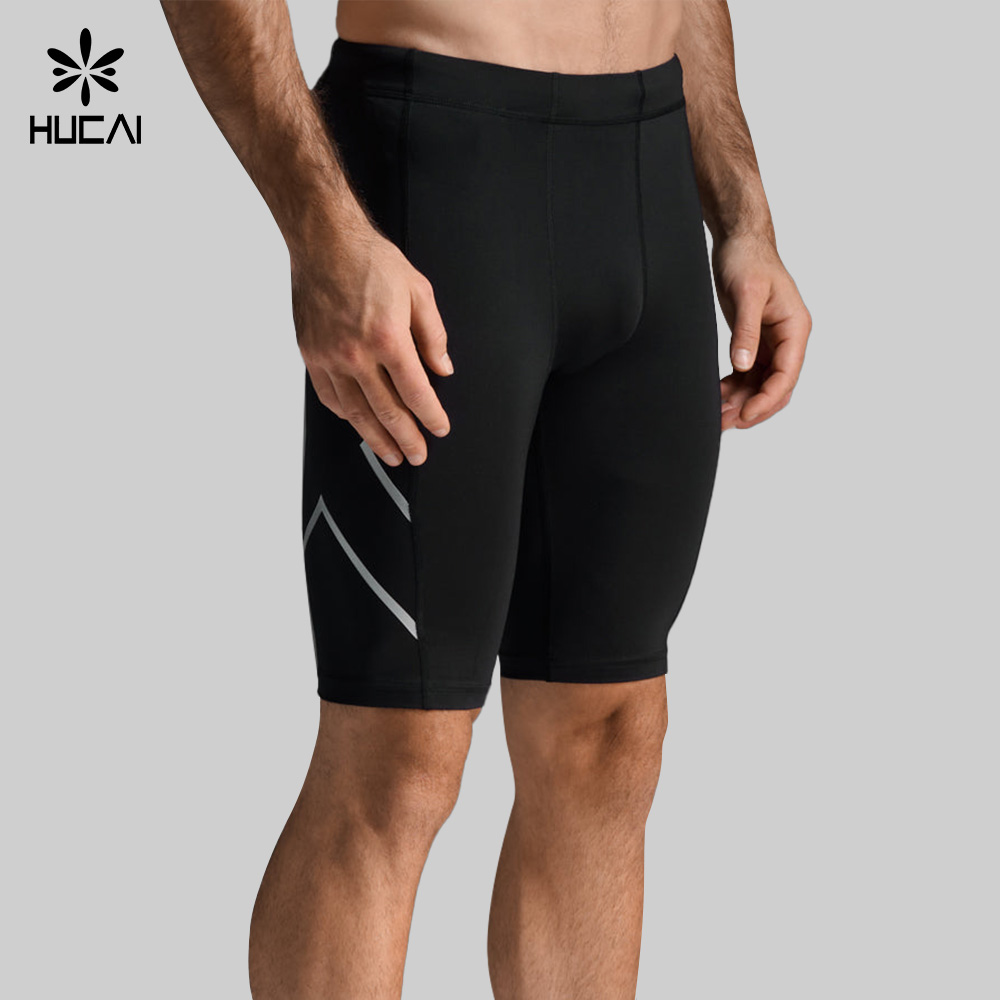
Close-fitting short tights for running-focused collections. Fabric recovery, stretch opacity, waistband pressure, thigh opening and secure storage should be reviewed together.
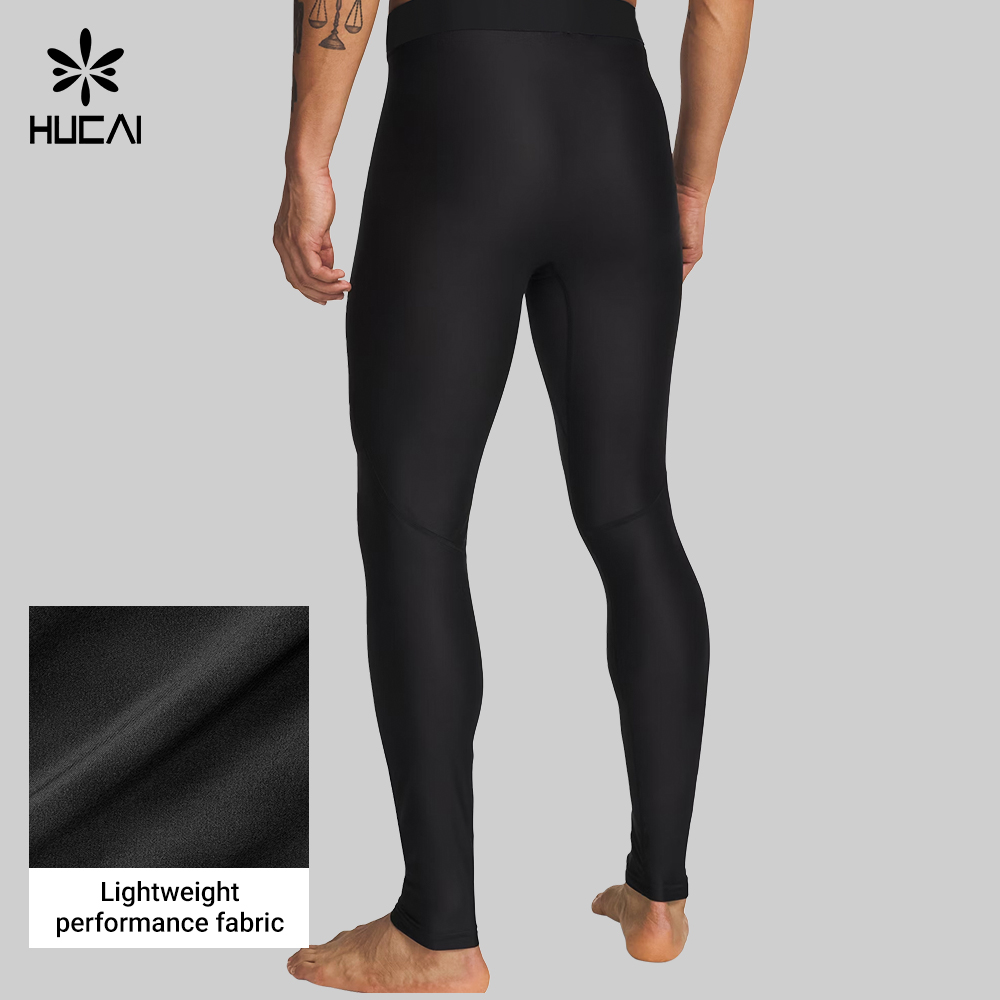
Full-length tights for cooler weather and base-layer systems. Focus on coverage, crotch/gusset fit, recovery after stretch, seam placement and size grading.
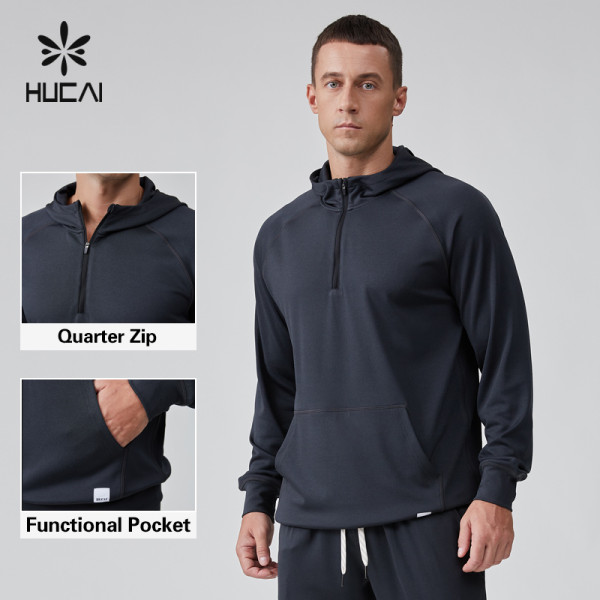
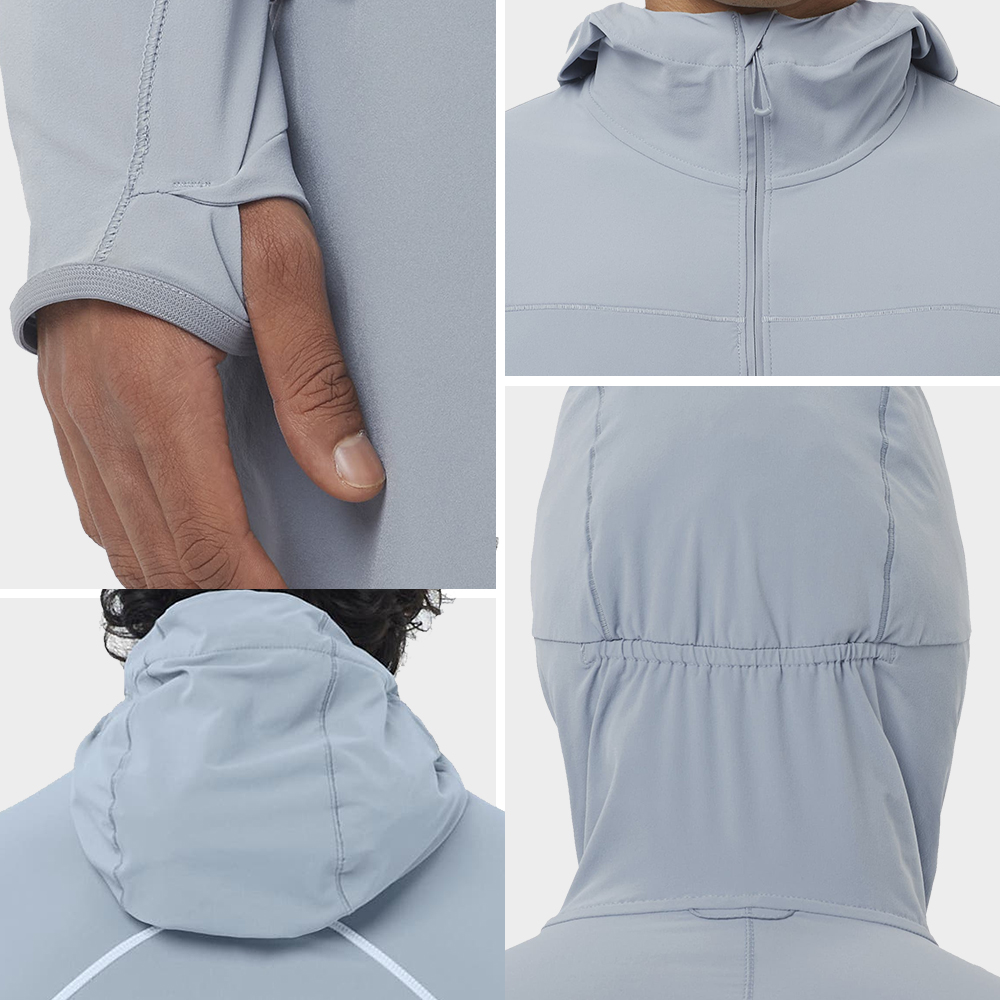
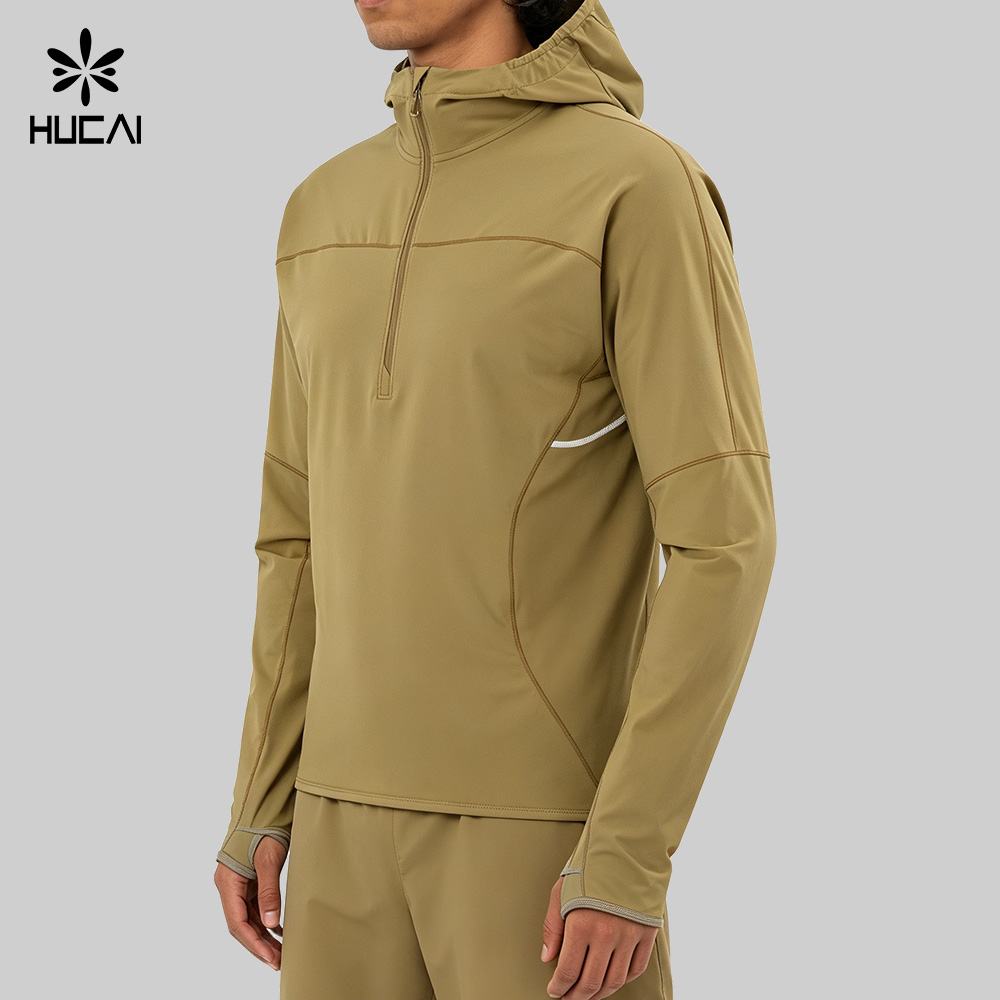
Midlayers for warm-up, transitional weather and run commuting. Review collar stand, zipper comfort, ventilation, layering allowance and sleeve movement.

Light outer-layer directions where wind protection, ventilation, weight and packability must be balanced. Technical finishes and performance claims depend on selected materials and validation.

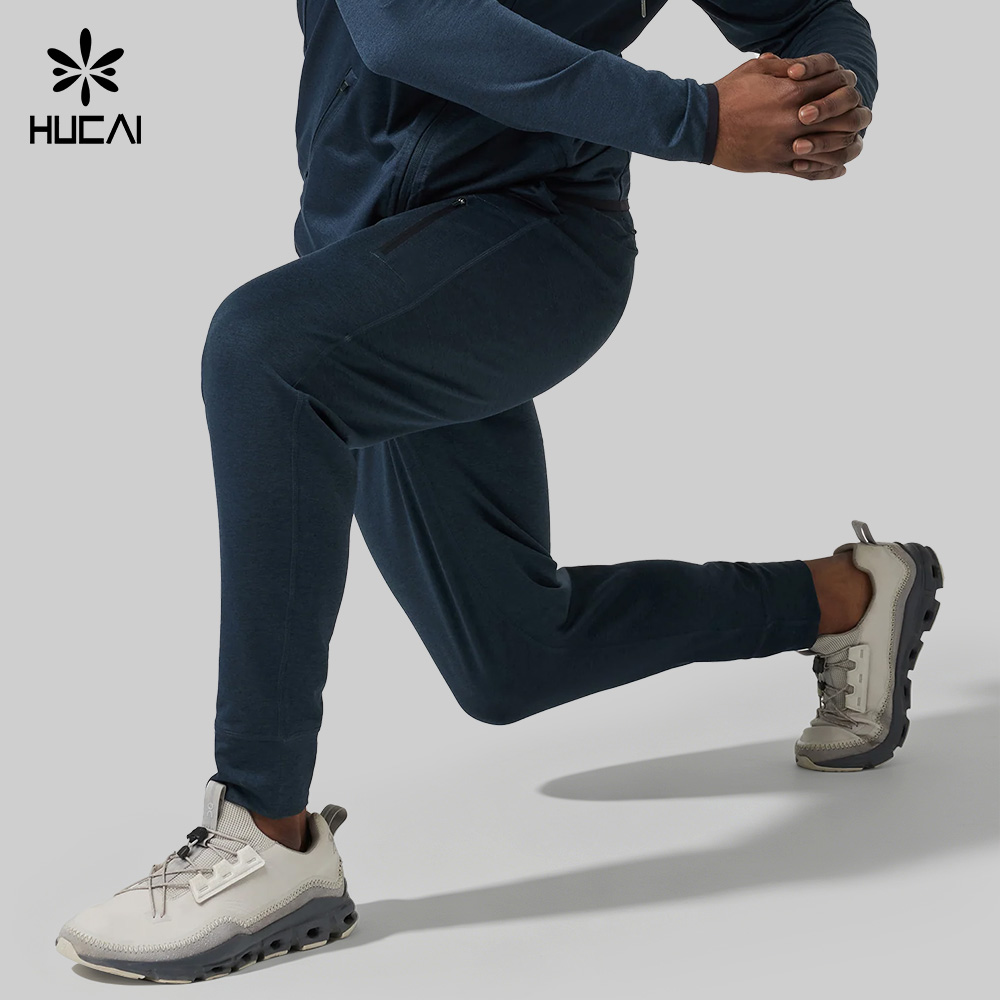
Lightweight pants for warm-ups, travel and post-run use. Assess knee mobility, pocket security, cuff design, fabric handfeel and coordinated fit with the tops.

A low-weight fabric can still cling to the skin, become too sheer, or feel restrictive when wet. Evaluate surface feel, opacity, airflow and intended weather conditions.

Long-distance arm swing, torso rotation and repetitive strides can expose neckline, sleeve, crotch and hem issues not visible during static fitting.

Phones, keys and energy gels add weight. Pocket position, opening angle, pocket bag fabric and waistband support affect bounce and ease of access.

Liner edges, gussets, inner-thigh seams and flatlock or bonded constructions must be considered alongside actual fabric compatibility and runner comfort.

A long sleeve, quarter zip and jacket cannot simply share one body measurement. Layer allowance, collar comfort, zipper placement and sleeve length must work together.
Fabric lot, color approval, measurement tolerance, trim selection, print placement and pre-production sample standards must be controlled when moving into bulk.

Define hero, supporting and seasonal SKUs. A performance tee and running short often establish the core; a singlet or half tight creates a more race-oriented offering; layers extend the collection to cooler conditions.
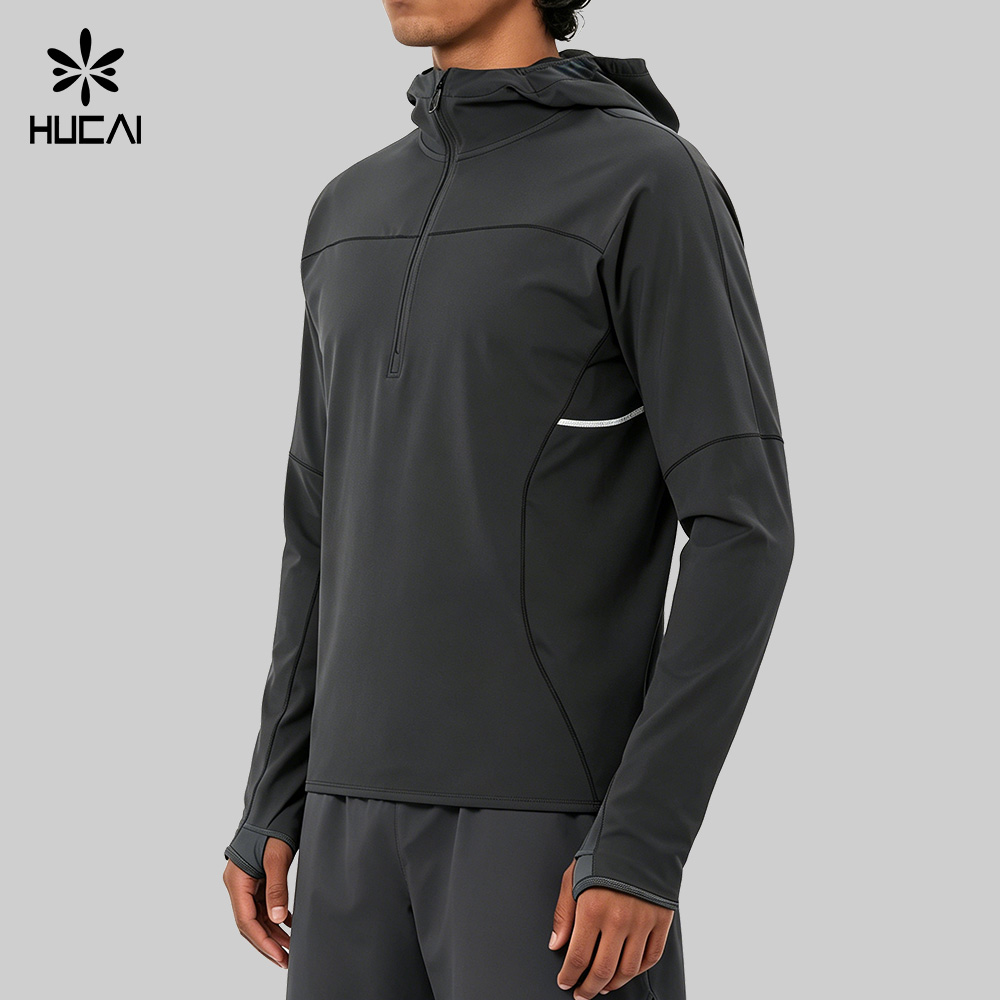
Specify everyday training, race day, run commute, warm-up or mixed-distance use. Consider climate, carrying needs and target fit preference before selecting fabrics or garment lengths.

Decide which products can use a related fabric story and which need separate shell, liner, compression-knit or midlayer fabrics. Confirm GSM, composition, stretch direction, drying expectations and opacity by swatch and sample.

Review shoulder and sleeve shape for tops; rise, thigh opening and inseam for shorts; waist support and gussets for tights; layering ease for jackets. Grade each silhouette according to its construction rather than forcing one rule across all SKUs.
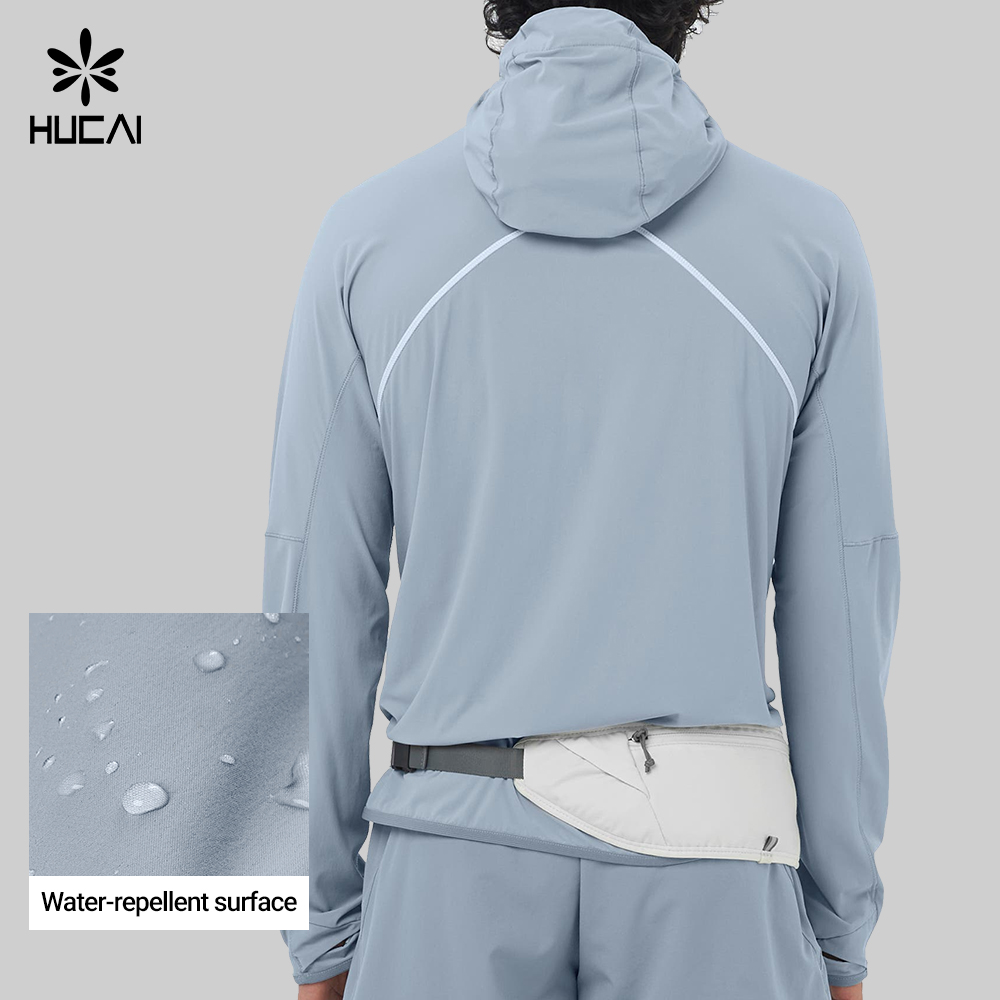
Evaluate breathable fabric structures, optional mesh zones, panel placement and fabric finishes according to running conditions. Avoid making quantitative performance claims without supporting evidence.
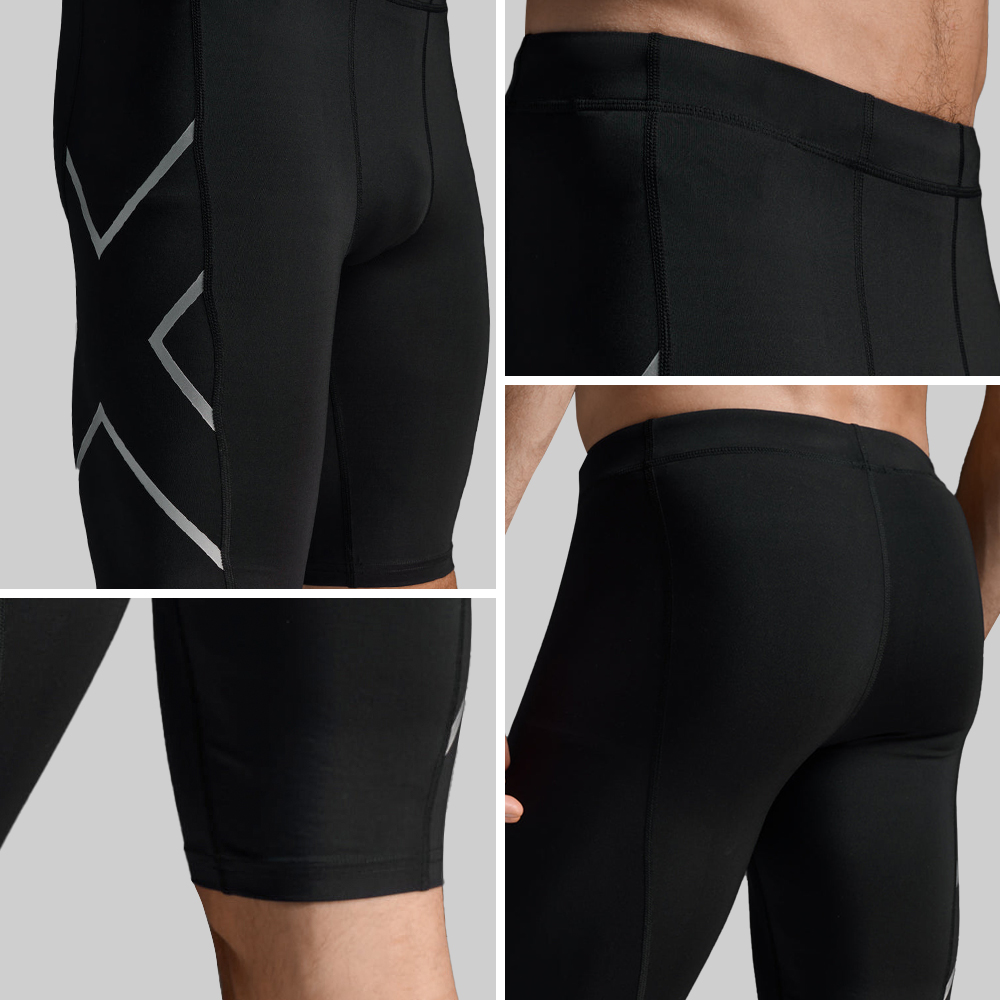
Plan liner type, seam direction, stitch bulk, side splits and body-contact points. Check rubbing and movement comfort during sample trials, especially over longer running sessions.
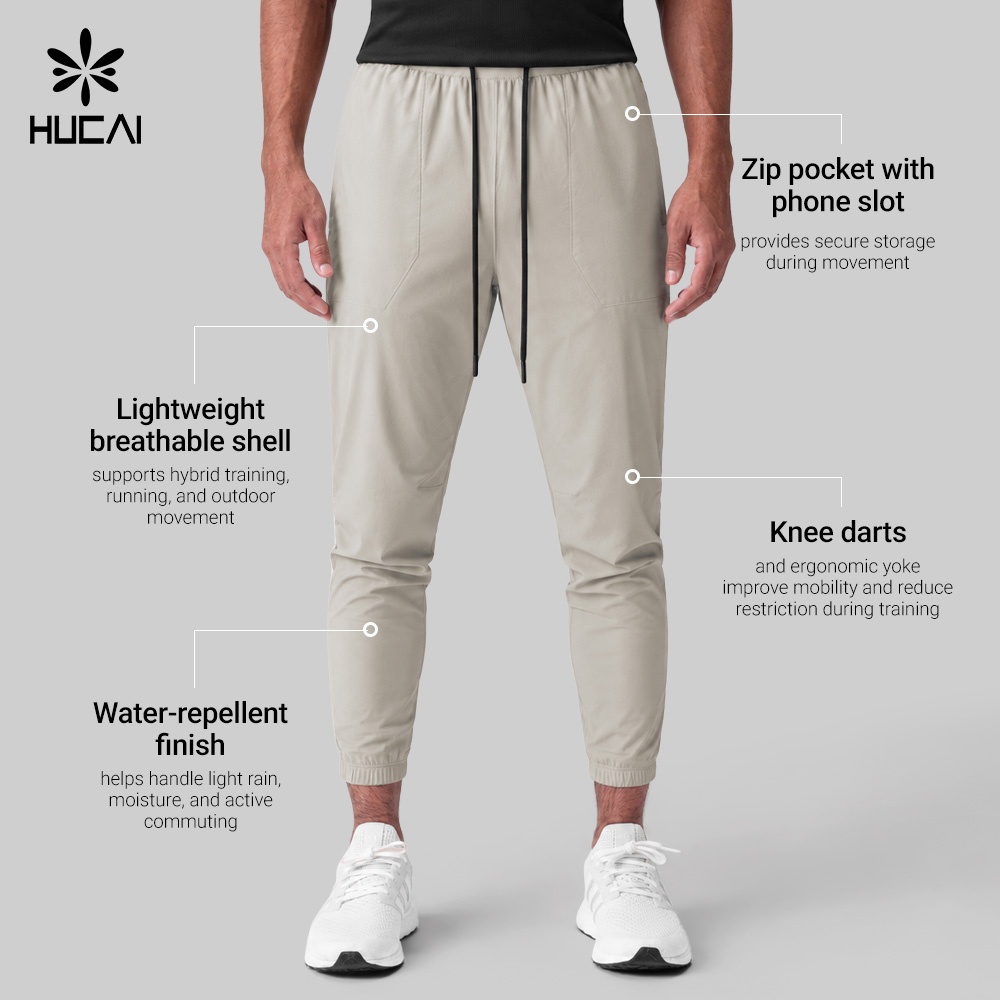
Consider secure low-bulk pockets, zippers, drawcords and reflective detail options. Position each feature according to body movement and compatibility with stretch, washing and decoration methods.

Set a shared logo hierarchy, consistent color direction and coordinated trims across styles. Confirm whether different fabric types reproduce colors differently and whether placement changes for each silhouette.
Document approved materials, measurements, trims, workmanship, decoration location, sample comments and QC checkpoints. Maintain separate critical-to-quality points by product type before the order moves to production.

| Fabric Direction | Suitable Product Role | What to Confirm Before Sampling | Potential Risk |
|---|---|---|---|
| Lightweight polyester-based performance knit | Running tees, singlets, long sleeves | Knit structure, GSM, surface handfeel, moisture behavior, opacity, print compatibility | Cling, transparency, pilling or inconsistent drape |
| Polyester/elastane stretch knit | Close-fitting tops, training/running crossover | Stretch direction, recovery, body fit, seam compatibility | Excessive cling or poor recovery |
| Nylon/elastane technical knit | Half tights, tights, selective base layers | Compression feel, stretch recovery, opacity, waistband compatibility | Too much pressure, show-through, dimensional instability |
| Lightweight woven synthetic shell | Running shorts, selected outer layers | GSM, tear and abrasion suitability, air permeability, movement allowance | Restriction, noise, stiffness or transparency |
| Stretch woven blend | 2-in-1 outer shorts, functional running shorts | Stretch, return, fabric finish, drying behavior | Shell/liner mismatch and distortion |
| Breathable mesh knit | Optional vent inserts, selected liner applications | Mesh opening, skin contact, seam placement, wash stability | Rough touch, transparency, weak seam support |
| Soft lightweight midlayer knit | Quarter-zips, transition tops | Warmth-to-weight preference, pilling, stretch, zipper compatibility | Overheating or excessive garment bulk |
| Lightweight jacket fabric | Running jackets and vests | Wind direction, packability, ventilation, seam construction and any requested finishing tests | Poor ventilation or unsupported weather claims |
Fabric Decision Checklist: Request composition, GSM, construction, stretch and recovery expectations, color targets, intended climate, logo method and price positioning. Actual material options depend on sourcing and sample validation. HUCAI activewear can coordinate fabric selection with product development, but no specific fabric specification or laboratory result is asserted by this page.
| Use Scenario | Recommended Collection Direction | Development Focus | Sample Review Points |
|---|---|---|---|
| Daily Mileage | Performance tee + lined or linerless running shorts | Repeat-wear comfort, breathable handfeel, fit consistency, low-bulk storage | Arm swing, hem movement, waistband stability, washing response |
| Race Day | Singlet + short-inseam/split shorts or half tights | Low weight, movement freedom, minimal unnecessary trims | Underarm rubbing, split coverage, seam contact, gel storage needs |
| Long-Distance Training | Technical tee + secure-storage shorts + optional light layer | Friction management, longer-wear comfort, practical pocket system | Pocket bounce with loaded items, liner friction, damp-fabric cling |
| Warm-Weather Running | Light singlet or tee + breathable running short | Airflow, low bulk, coverage and sweat comfort | Light-color opacity, liner temperature, sweat marks, body contact |
| Cool-Weather Running | Long sleeve + running tights + quarter zip | Stretch, layering allowance, coverage, comfortable seams | Sleeve length, crotch movement, cuff pressure, zipped collar comfort |
| Run Commute | Technical tee + functional short/pant + light jacket | Secure storage, layering, visibility-option placement | Phone/key storage, pocket security, jacket ventilation |
| Warm-Up and Recovery | Lightweight midlayer + running jogger | Comfortable layering and coordinating capsule fit | Cuff/waist tension, knee mobility, fabric feel, washing |
| Private Label Capsule Launch | 2-4 coordinated hero and support SKUs | SKU role, shared color identity, fabric minimums, sampling sequence | Different dye lots, logo consistency, budget and order quantity structure |
A collection should begin with product roles, not the number of reference images available. A concise launch can be more useful than a large collection if its styles share a clear runner profile, appropriate fabrics, coherent fits and coordinated branding.
One technical running tee, one lined or linerless running short, one long-sleeve extension if seasonal demand supports it.
Best for: Growing men's running brands seeking repeat-wear performance basics.
Key decision: Establish tee/short fit and fabric direction first, then decide whether a second top offers a meaningful use-case difference.
One running singlet, one short-inseam or split running short, optional half tight.
Best for: Brands serving running clubs, events or performance-oriented runners.
Key decision: Prioritize low-bulk comfort, stride movement, body-contact points and race-use storage rather than adding decorative trims.
Technical tee, long sleeve or quarter zip, running short or pant and selected lightweight jacket.
Best for: Brands expanding beyond warm-weather basics.
Key decision: Check fit progression from base layer to outer layer and use distinct materials for different layer roles.
Daily-run tee and shorts as the core, with one race-focused or layering style as a differentiated addition.
Best for: Private label buyers testing a focused range before expanding.
Key decision: Coordinate size architecture, colors, label and logo standards without assuming all fabrics or products can be sourced under identical minimums.
| Planning Question | Practical Decision |
|---|---|
| Which style anchors the collection? | Choose the garment with the clearest target customer and repeat-use role. |
| Which SKU adds a new use case? | Add a singlet, half tight or layer only if it serves an identifiable purpose. |
| Which fabrics can share sourcing? | Verify fabric performance and dye/color consistency before deciding. |
| How many colors and sizes? | Set a feasible assortment based on audience, available material and order structure. |
| How should sampling be sequenced? | Approve the hardest fit or functional risk before scaling derivative SKUs. |
| What should be standardized? | Logo map, label rules, tech pack format, QC checkpoints and color naming. |
Important: A launch matrix is an illustration, not a guaranteed set offering or an assertion of available stock. MOQ starts from the current company baseline of 100 pieces, while style, color, size, fabric and decoration breakdown require project-by-project confirmation.
Review shoulder slope, armhole curve, sleeve length and allowance for repetitive arm swing. A static chest fit alone cannot verify running movement comfort.
Confirm neckline opening, trim choice, seam finish and wash response so the top retains its intended shape without tightness or distortion.
Balance ventilation and coverage; test binding softness, armhole depth and the body areas contacted during running.
Plan optional mesh or different knit zones only where they improve the design without adding irritating seams or compromising durability.
Check running stride, thigh coverage, side-split depth, curve symmetry and seam reinforcement before setting approved patterns.
Evaluate liner length, liner opening tension, soft edge finishing and contact points for comfort during repeated strides.
Review the shell/liner length relationship, stretch, attachment position and whether the inner layer bunches or rides up.
Balance elastic width, tension, channel design and drawcord security; test loaded pockets and movement without excessive pressure.
Coordinate gusset geometry, inseam placement and stitch softness to avoid concentration of friction in movement areas.
Review opacity under stretch, return after movement and whether the garment maintains appropriate coverage at different sizes.
Test pocket size and height with realistic phone weight; inspect tension, access direction and garment distortion while running.
Consider zipper pull comfort, bag depth and waistband proximity; avoid hard or bulky parts against the body.
Check zipper head placement, neck contact, collar height and layer compatibility during running and warm-up movements.
Balance lightweight coverage, arm swing, ventilation and planned layering, without assuming windproof or waterproof performance.
Review trim position, stretch-zone interference, wash compatibility and whether any visibility-related claim needs verification.
Confirm the approved sample, measurements, stitch specifications, tolerances, trims and critical checkpoints for each SKU rather than treating a mixed capsule as one sewing standard.
Small, low-bulk marks may suit technical fabrics; verify application temperature, stretch behavior and washing compatibility.
Consider graphic area, ink handfeel, fabric surface, weight and stretch before confirming prints on training or lifestyle pieces.
Explore appropriate logo, piping or transfer placement for selected styles while reviewing durability and the scope of any visibility claim.
Embroidery can suit selected heavier tops or midlayers, but backing, stitch density and fabric distortion need review; it is not automatically ideal for ultra-light tees.
Consider coverstitch, flatlock or selective bonded-looking directions where compatible; require actual material and durability checks before making a specific construction claim.
Coordinate width, tension, drawcord type, color and finishing across running shorts and pants.
Select zippers, pullers and bags based on garment bulk, secure storage purpose, skin contact and possible movement noise.
Control line placement, stretch mismatch and color approval across different fabrics in the same collection.
Specify label location, fabric feel, size architecture and applicable market labeling requirements without creating unnecessary skin irritation.
Organize fiber composition, care content and country-of-origin details according to the final product and destination market requirements.
Agree on retail or wholesale packaging needs, SKU labels, size stickers and barcode mapping before mass production.
Align logo position charts, color standards, bill of materials, trim approvals, graded specs and pre-production sample records across all styles.
| Development Problem | Possible Cause | What to Review | Sample-Stage Action |
|---|---|---|---|
| Running tee rubs under the arm | Armhole, sleeve seam or fabric surface creates friction | Arm swing, armhole curve, seam bulk, wet-fabric handfeel | Rework armhole or sleeve construction before approval |
| Singlet exposes too much at the side | Armhole depth and torso shape are out of balance | Side coverage, binding, arm motion, target fit | Adjust opening curve and binding position |
| Technical knit feels clingy when damp | Fabric finish or stretch behavior is unsuitable | Surface handfeel, drying response, intended climate | Compare approved swatches and modify fabric direction |
| Running shorts restrict full stride | Hem geometry, rise, inseam or shell stretch misfit | Running stride, split depth, crotch curve, leg opening | Change pattern allowance or split construction |
| Brief liner rides up | Liner length, recovery or opening pressure mismatch | Thigh size range, seam contact, leg opening tension | Revise liner shape and attachment |
| Phone pocket bounces | Pocket height, opening or fabric tension fails under load | Real phone dimensions, running motion, placement | Adjust pocket depth, angle, location or support |
| Tights turn sheer under stretch | Knit coverage, yarn or fabric weight, or size selection issue | Stretch opacity, squat and bend positions, color variation | Change material or fit direction before approval |
| Tights waistband rolls down | Waist height, elastic or recovery, or grading mismatch | Waist movement, tension, body fit, size grading | Rework waistband construction and measurements |
| Jacket traps too much heat | Shell and vent placement do not match use | Layering scenario, ventilation, run intensity | Review material and vent placement; avoid unsupported claims |
| Quarter-zip irritates neck | Collar height, zipper, guard or seam position | Neck flexion, zipper head and guard contact | Revise collar and zipper finish |
| Different SKUs look mismatched in color | Substrates, finishes or dye lots reproduce color differently | Swatches under consistent light, approval records | Set tolerances and approve by material type |
| Bulk garment differs from approved sample | Material changes, cutting or measurement, or decoration drift | PPS, BOM, size spec, QC checkpoints | Freeze approvals and document exceptions before bulk |

Provide measurement charts, graded specs, fabric and trim requirements, artwork, stitch and finishing instructions and expected order quantities. We can review the running apparel requirements for production feasibility and sample planning.

Share silhouettes, reference photos, color mood boards and preferred product roles. We can discuss how to turn these directions into more specific fabric, fit, construction and sample briefs.
Start with the intended runner and use case, then select a compact mix of tees, singlets, shorts, tights or layers. Prioritize the first development samples before committing to an unnecessarily broad assortment.

After prototypes, review fit and movement comments, materials, grading, decorative applications, PPS approvals and QC standards. Bulk timing and quotation depend on the final approved requirements and production arrangements.
What to send: target audience and market; 2-4 priority styles; reference images or tech packs; approximate quantity by style and color; expected size range; fabric preferences; logo, label and packaging directions; sample questions.
MOQ note: Starting MOQ: 100 pieces. Feasible per-style and per-color allocations and any material constraints must be confirmed against the actual project.
Share the styles, reference images or tech packs, approximate quantities by style/color, size ranges, fabric direction and private label details. If details are still open, identify priorities and acceptable options so development and cost drivers can be discussed before a final quotation.
Create an approved record for each SKU covering measurements, material references, colors, trims, artwork placement and workmanship. Use pre-production sample review and QC checkpoints rather than treating one approved garment as a standard for every item in the capsule.
The current starting MOQ is 100 pieces. The workable quantity per style, color and size distribution depends on fabric availability, custom development, decoration, trims and the overall order structure. Send an estimated assortment for project-specific confirmation.
HUCAI activewear supports private label development discussions covering logos, labels, trims, colors and packaging. Decoration methods must be checked against each garment's fabric, stretch and washing requirements; color approvals may differ across material types.
Yes, an ODM discussion can begin from reference images, intended use, silhouettes and a target assortment. A clear development brief and agreed sample specifications are still needed before production. Established brands with ready specs may use an OEM route.
Different garments may require lightweight knit, stretch knit, woven short shell, compression knit, mesh inserts or lightweight outer-layer fabrics. Material choice depends on intended climate, handfeel, stretch, opacity, durability and the compatibility of seams, trims and branding. Specific composition and performance need verification by sampling.
Check tee arm movement and seam contact, shorts stride freedom and liner comfort, phone pocket bounce, tights coverage under stretch and the fit of any layered items. Record specific movement, wash and fit findings with measurements and photos for revision.
Consider coverage preferences, running duration, body contact and the intended fit. Brief or compression liners need careful attention to length, edge pressure, stretch recovery and seam placement. Linerless shorts may reduce inner bulk but require their own coverage and movement review.
A running collection is built around repeated running movement, daily mileage, race-day needs, storage, friction and seasonal layers. A hybrid training collection balances running with gym workouts and recovery. Some products overlap, but the fit and functional review should follow the primary use scenario.
Start with the runner profile and usage scenario. A technical tee and one running short can provide a focused starting point; add a singlet, half tight or weather layer only when it serves another clear need. Define fabrics, fit, size range, branding and test priorities before requesting multiple samples.
Send your running apparel references, tech packs or initial capsule plan. Tell us which products you want to develop, the target running scenarios and the fabric, fit, branding or sample questions you need to resolve. Our team can review the next practical OEM, ODM or private label development step.