
Performance Gym T-Shirts
Core training tees for activewear brands that need breathable fabric, stable fit, sweat comfort, and reliable bulk measurements.
| Best For | How to Use This Gym T-Shirt Development System |
|---|---|
| For Startup Brands | Compare regular fit, oversized fit, boxy fit, muscle fit, fabric weight, neckline, sleeve shape, hem length, and logo method before deciding which men's gym T-shirt sample to develop first. |
| For Growing Brands | Turn reference images, market ideas, or capsule plans into a clearer ODM brief by defining fit direction, fabric handfeel, shoulder width, sleeve opening, neckline structure, print placement, and sample review priorities. |
| For Established Brands | Review tech packs, measurements, fabric standards, shrinkage control, neckline rib quality, sleeve shape, hem construction, logo method, and sample-to-bulk consistency before OEM production. |
| For Private Label Buyers | Plan gym T-shirt fabric, fit, GSM, collar rib, sleeve shape, logo placement, print or embroidery method, labels, packaging, trims, and MOQ structure before sending an inquiry for OEM, ODM, or private label development. |
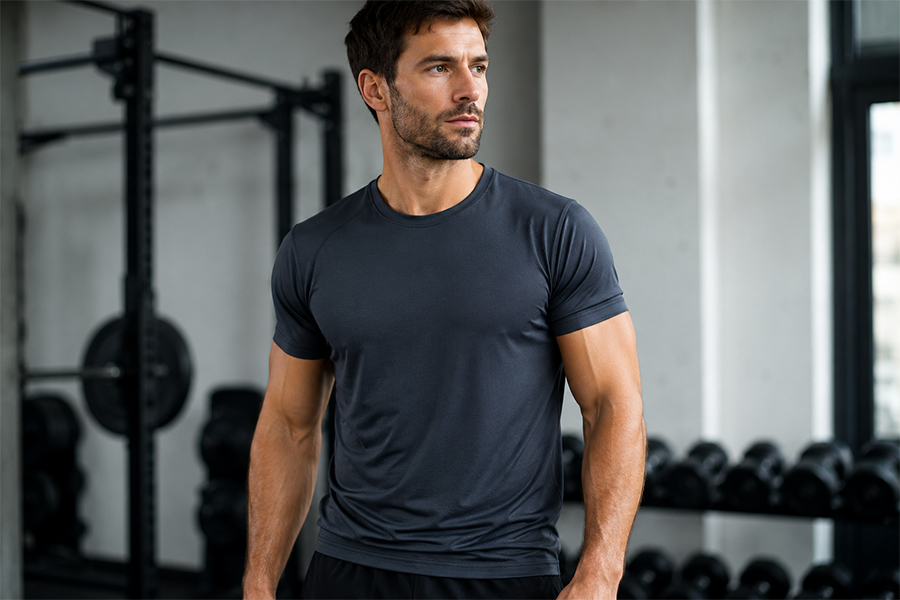
Core training tees for activewear brands that need breathable fabric, stable fit, sweat comfort, and reliable bulk measurements.
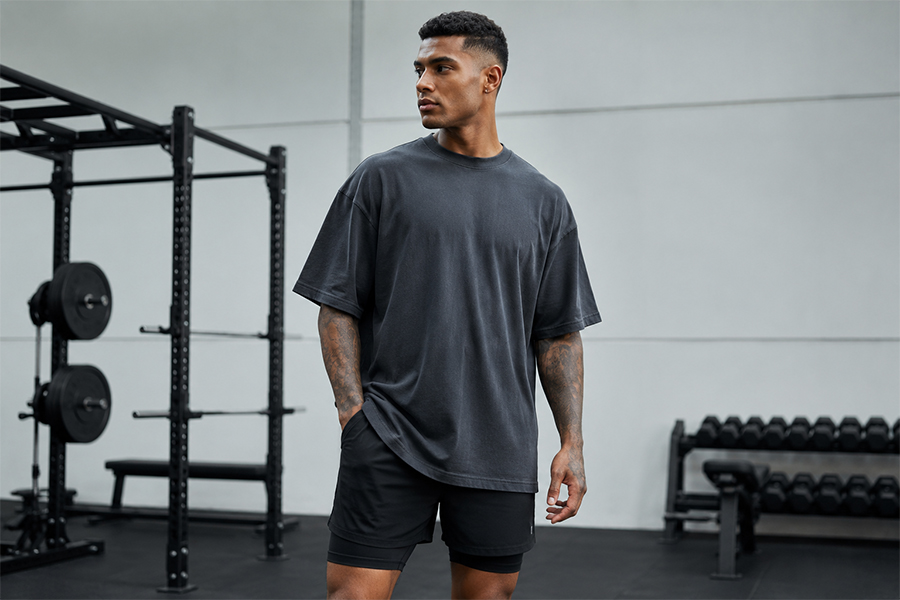
Relaxed pump cover tees with drop shoulder, wider body width, longer hem, and heavier fabric direction for gym culture collections.
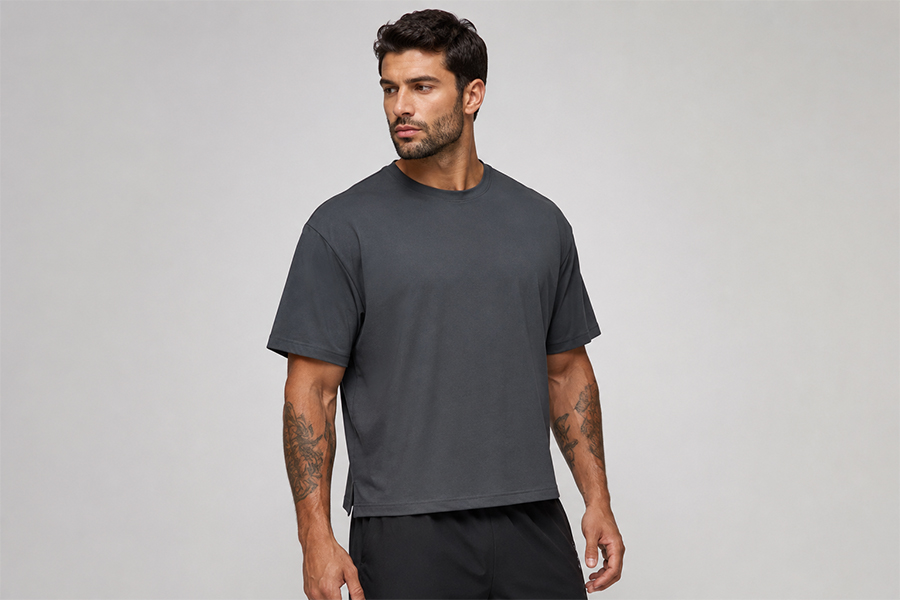
Shorter body length with wider chest and shoulder structure for brands building modern minimal gym-to-street activewear basics.
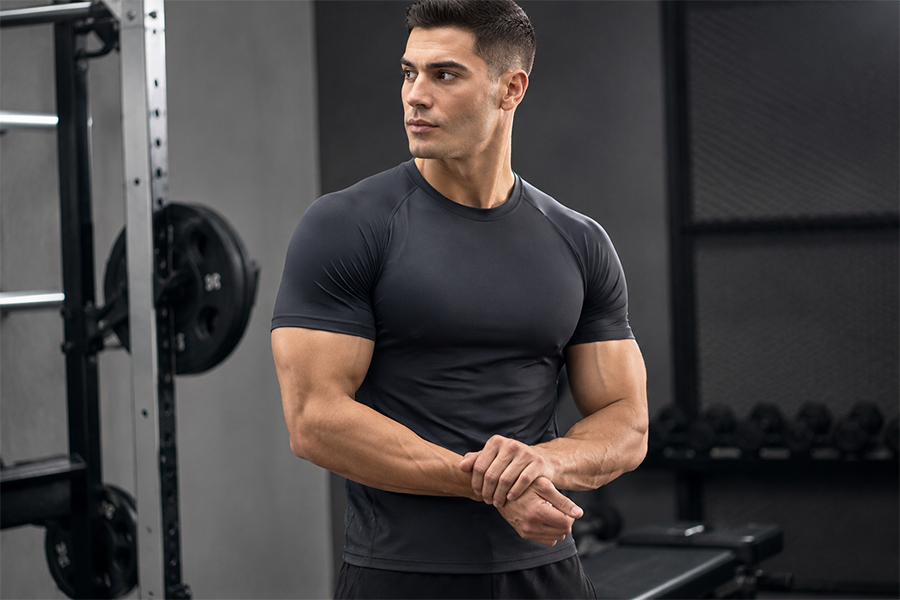
Close-fit gym tees with controlled chest width, sleeve opening, fabric stretch, and recovery for lifting and bodybuilding lines.
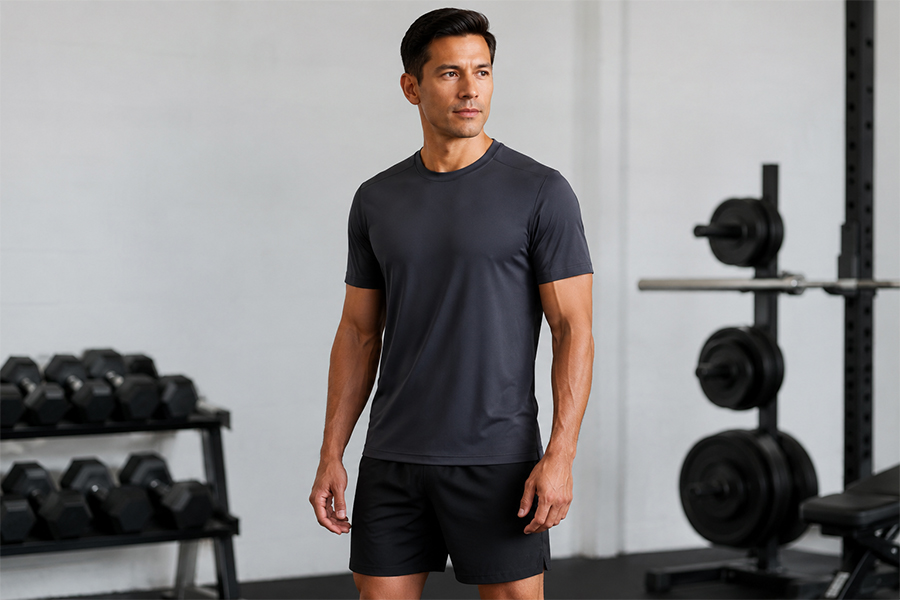
Balanced fit T-shirts for daily gym training, private label basics, broad size ranges, and easy collection planning.
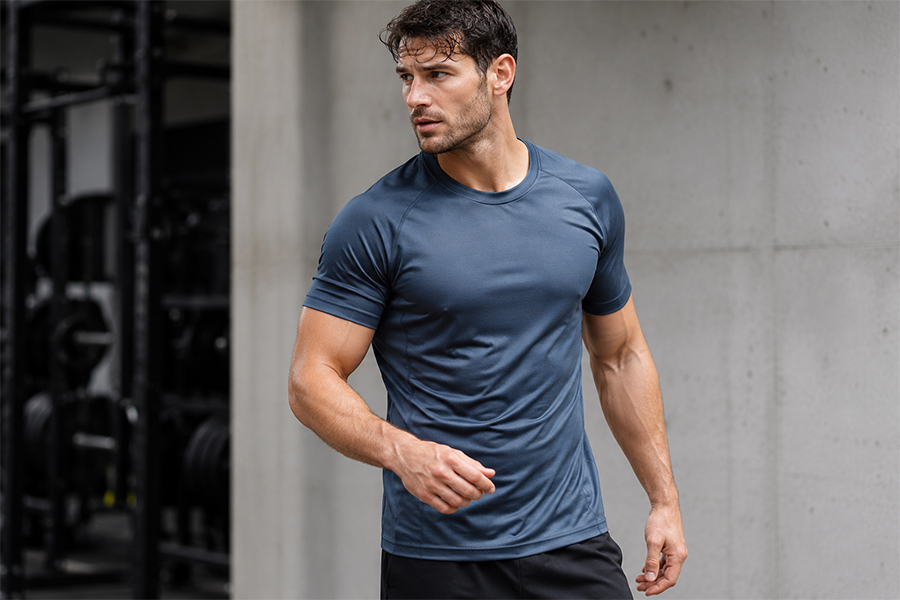
Moisture-wicking gym shirts developed with lightweight fabric, airflow, drying speed, and sample-to-bulk fabric consistency.
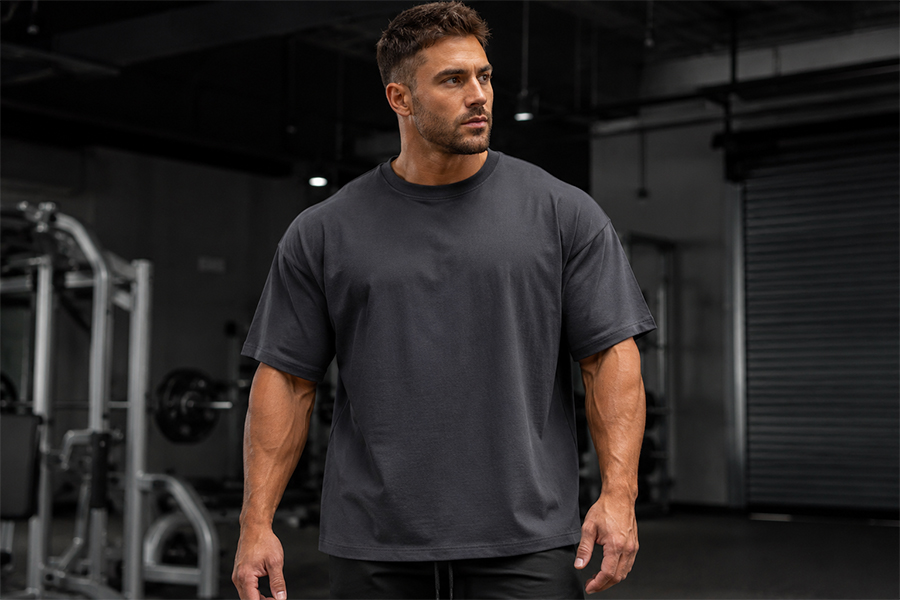
Structured gym tees with higher GSM, firm handfeel, drop shoulder, neckline control, and durable print or embroidery options.
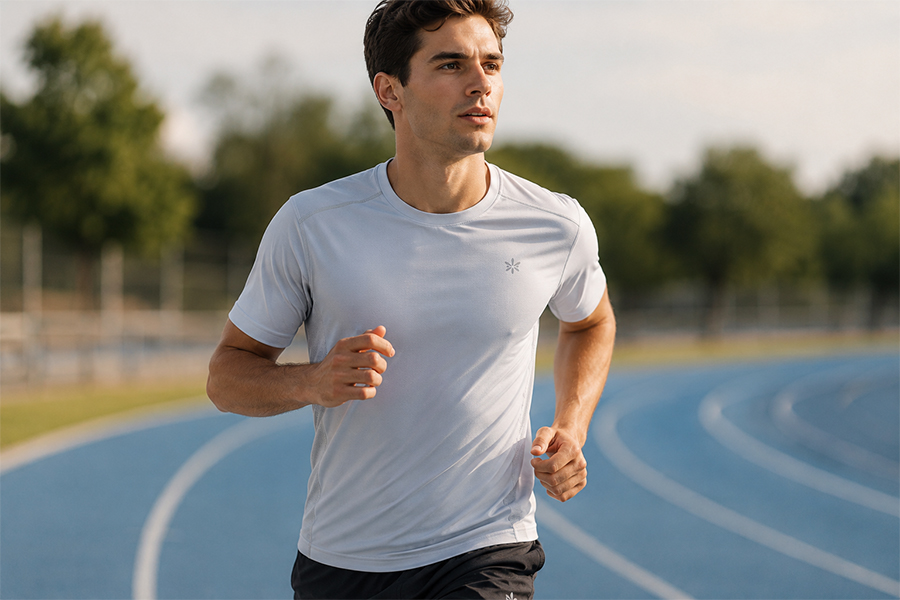
Lightweight training tops for running, warm-weather workouts, breathable handfeel, reduced cling, and fast-drying performance.
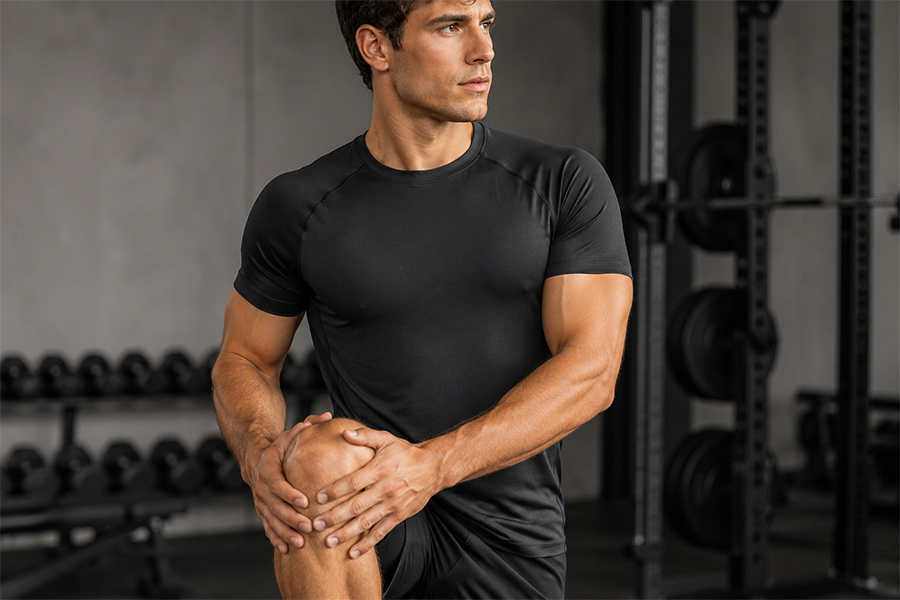
Movement-focused T-shirts with raglan sleeve structure, shoulder comfort, arm mobility, seam placement, and active fit review.
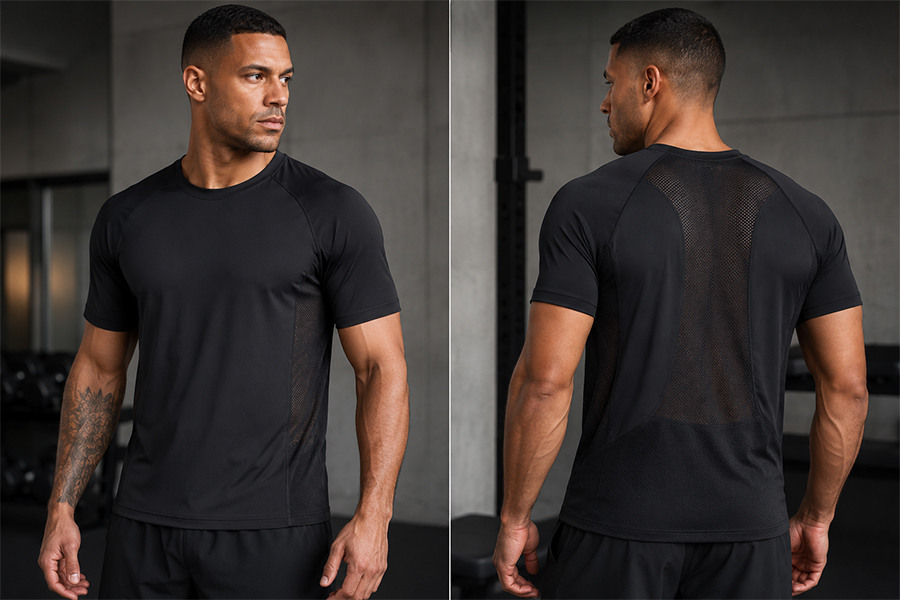
Technical gym shirts with breathable panel placement, fabric matching, seam comfort, and sweat-zone planning for training use.
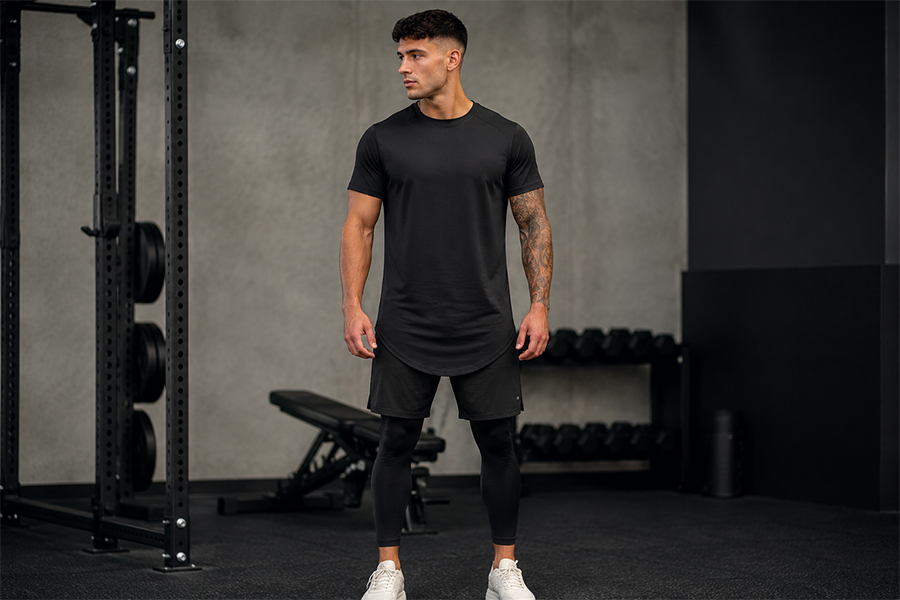
Extended hem gym tees for layering, tall fit direction, streetwear-inspired training looks, and capsule activewear planning.
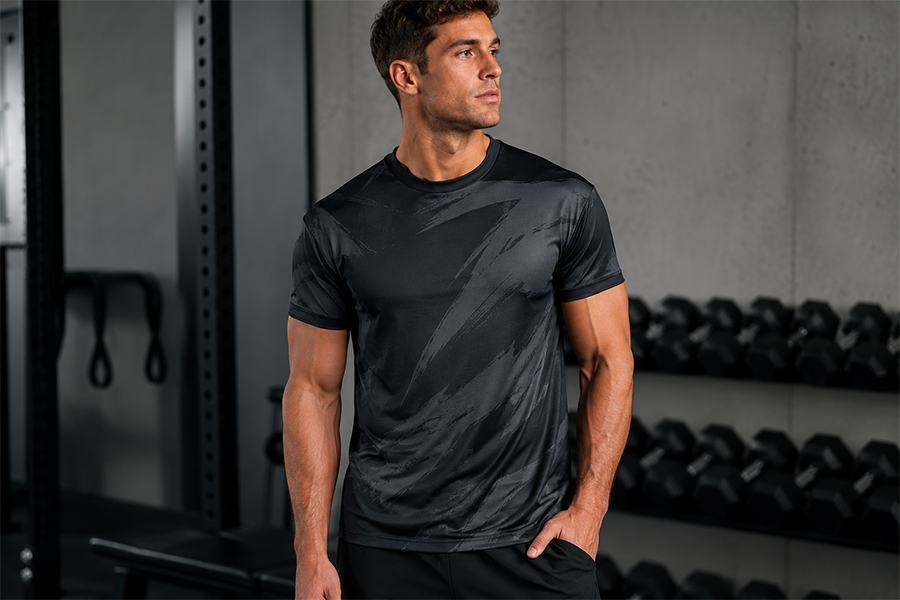
Private label gym T-shirts with print scale, logo placement, fabric surface, wash durability, labels, and packaging options.

Lightweight, midweight, and heavyweight gym T-shirts create different drape, structure, breathability, print effect, and price positioning.

Regular fit, muscle fit, oversized fit, and boxy fit need different chest width, shoulder drop, sleeve opening, and hem length control.

Collar rib quality, neckline width, sewing tension, rib recovery, and washing performance can affect long-term shape stability.

Shoulder width, sleeve length, sleeve opening, armhole shape, and raglan or set-in sleeve structure affect movement and brand fit.

Cotton blends, jersey fabrics, rib collars, garment wash, print method, and bulk fabric lots should be checked for shrinkage risk.
Approved samples still need fabric GSM, measurements, neckline shape, sleeve balance, logo placement, trims, and QC standards locked before bulk.
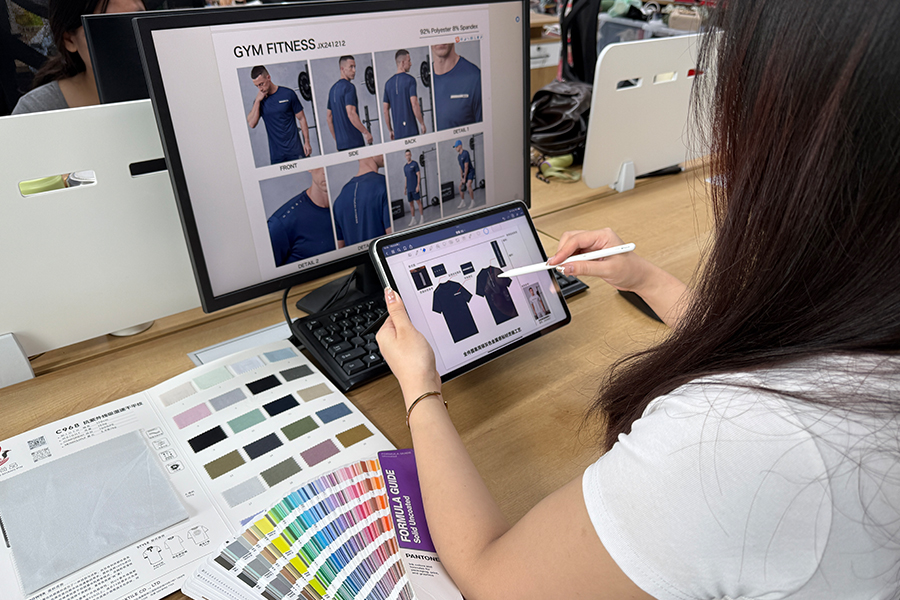
Define whether the T-shirt is for gym training, lifting, running, pump cover styling, bodybuilding, hybrid training, or gym-to-street activewear before development starts.
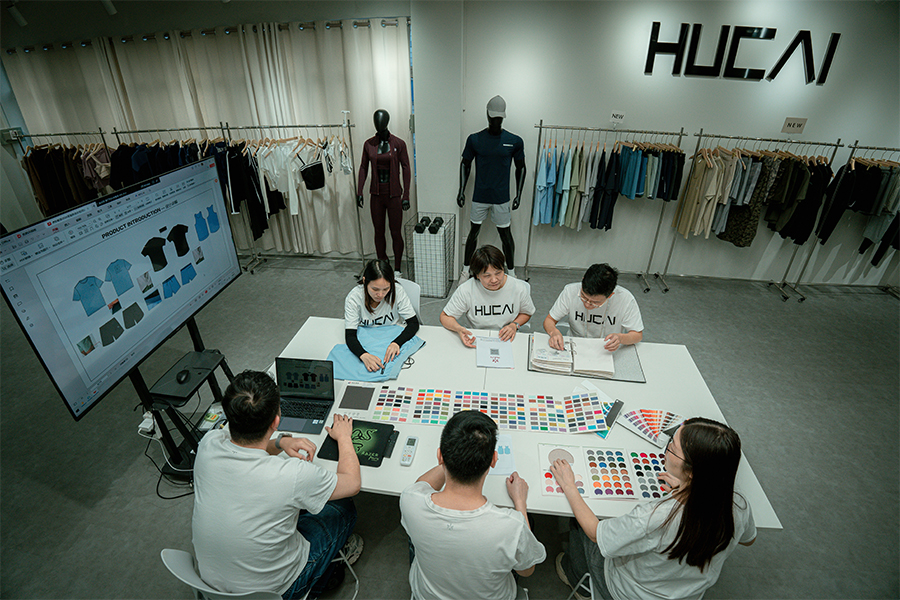
Review lightweight, midweight, and heavyweight fabric options based on breathability, drape, opacity, handfeel, print effect, and target price level.
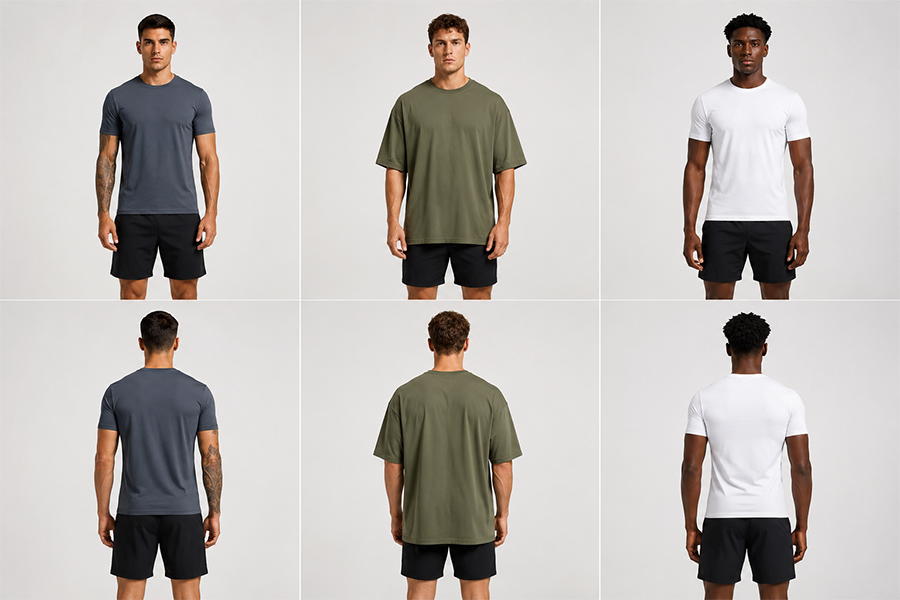
Compare regular fit, muscle fit, oversized fit, boxy fit, longline fit, and athletic fit by reviewing chest width, body length, shoulder width, and size grading.
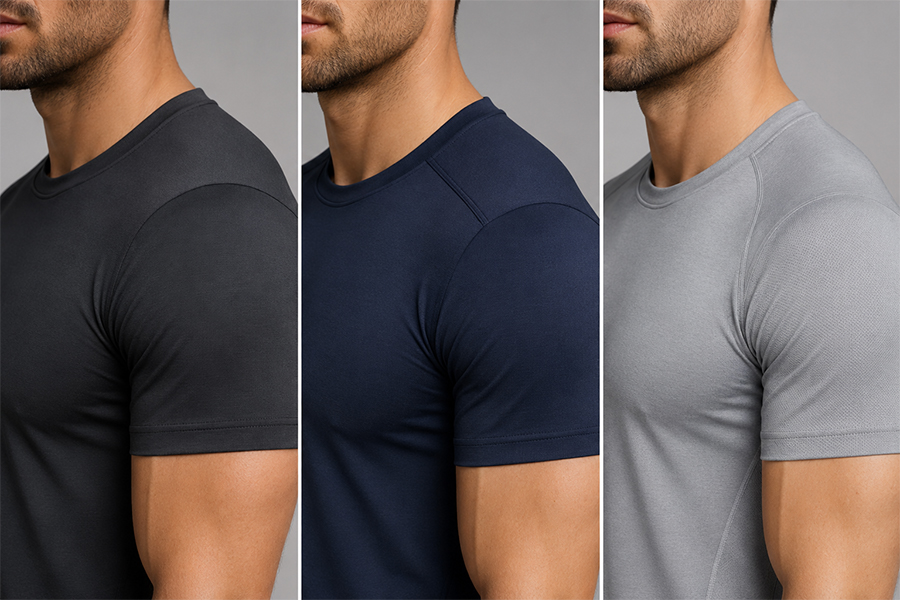
Set-in shoulder, drop shoulder, raglan sleeve, and wider shoulder structures create different movement comfort, visual shape, and brand positioning.
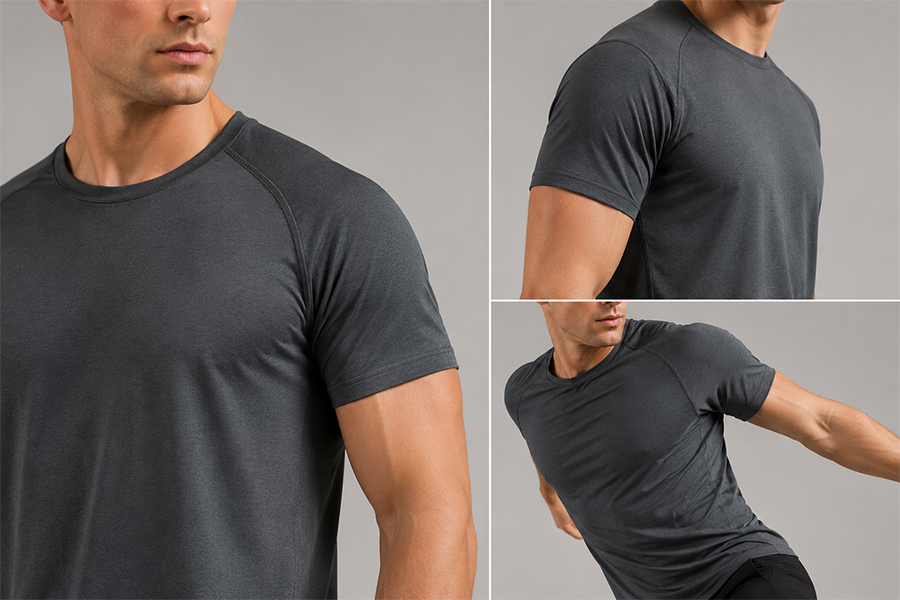
Review sleeve length, sleeve opening, armhole depth, bicep fit, sleeve angle, and seam position to match lifting, running, or oversized gym styling.
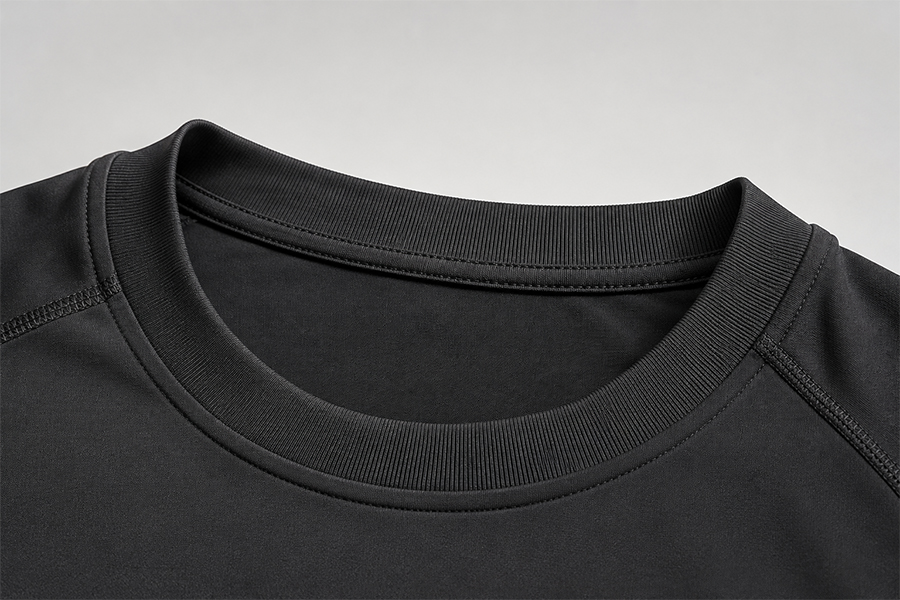
Collar width, rib fabric, neckline stretch recovery, sewing tension, collar height, and wash stability should be checked before sample approval.
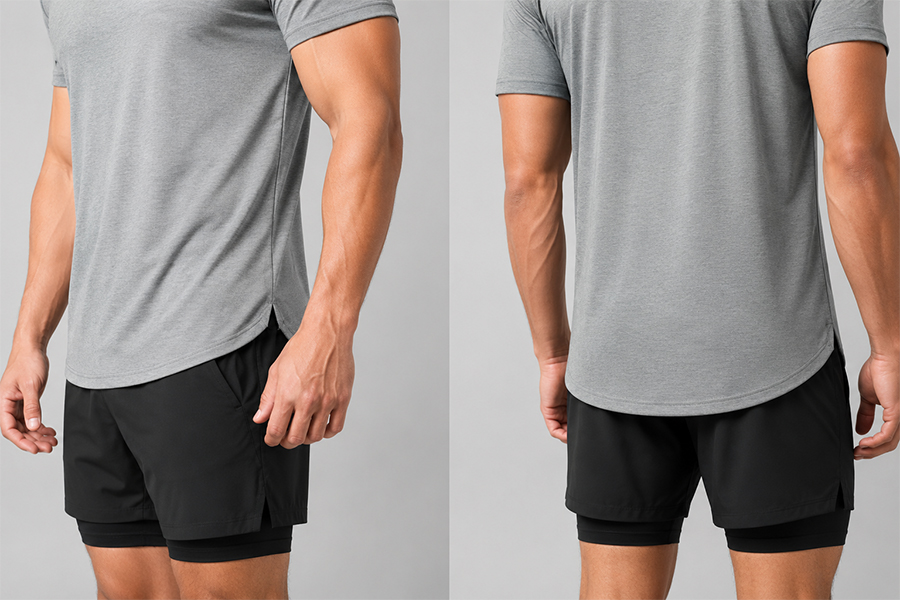
Hem length, straight hem, curved hem, longline proportion, side slit, and bottom opening affect layering, movement, and gym-to-street wearability.
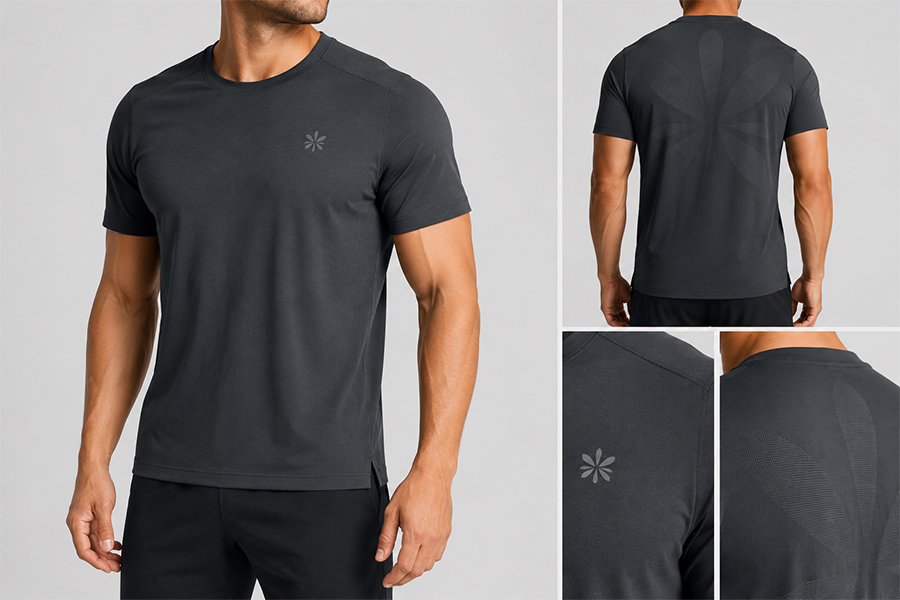
Align heat transfer, screen print, embroidery, applique, rubber patch, or large graphic placement with fabric surface, stretch, handfeel, and wash durability.
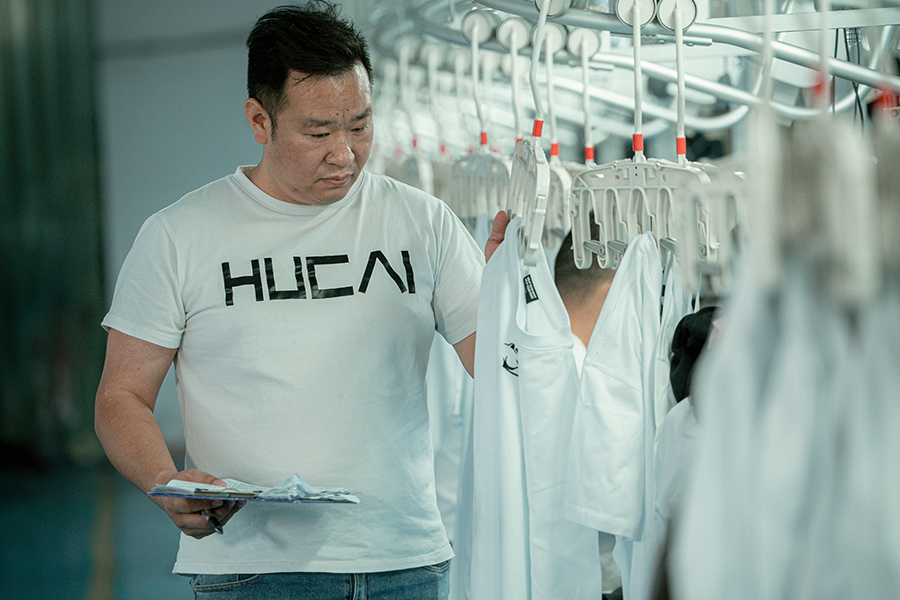
Lock fabric approval, GSM, shrinkage, measurements, neckline shape, sleeve balance, logo position, trims, PPS standards, and QC checkpoints before bulk production.
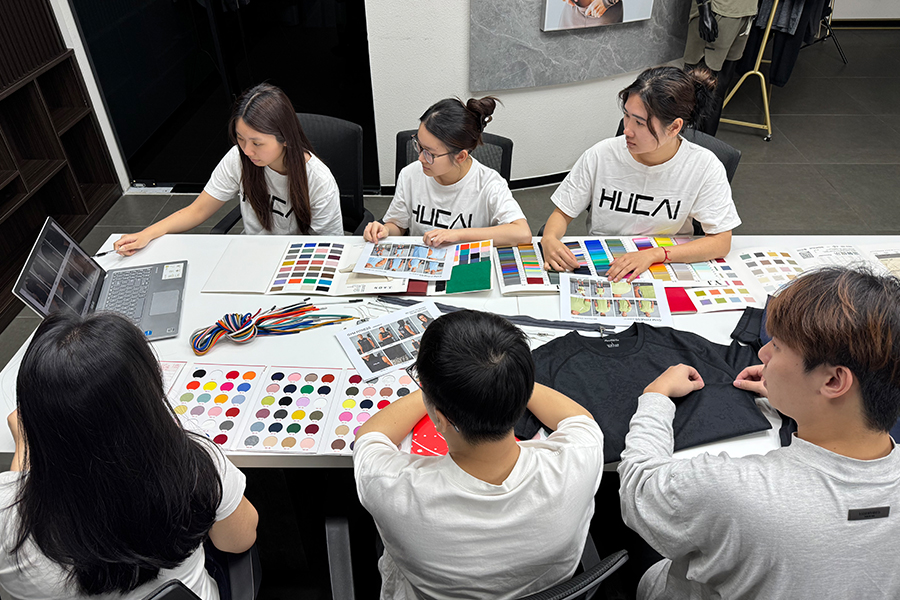
| Use Scenario | Recommended T-Shirt Direction | Development Focus | Sample Review Points |
|---|---|---|---|
| Gym Training | Regular fit training tees, performance gym T-shirts, or moisture-wicking workout shirts. | Balance breathability, sweat comfort, shoulder movement, sleeve shape, neckline stability, and daily training durability. | Review fabric cling after sweating, shoulder mobility, sleeve opening, neckline deformation, hem twisting, and measurement stability after wash. |
| Running | Lightweight running T-shirts, quick dry workout shirts, or breathable mesh panel training tops. | Prioritize low fabric weight, airflow, fast drying, reduced skin cling, anti-odor fabric direction, and smooth seam placement. | Check sweat marks, fabric transparency, underarm friction, neckline comfort, back length, and whether the shirt feels heavy after sweating. |
| HIIT and Cross Training | 4-way stretch gym T-shirts, raglan sleeve training tees, or performance tops with flexible shoulder structure. | Support jumping, burpees, push-ups, overhead movement, fast direction changes, and repeated stretch recovery. | Review shoulder restriction, armhole pulling, side seam twisting, fabric recovery, hem ride-up, and stitch comfort during high-movement testing. |
| Lifting and Bodybuilding | Muscle fit T-shirts, athletic fit gym tees, or stretch training shirts with controlled sleeve opening. | Emphasize chest fit, bicep shape, sleeve angle, shoulder width, fabric recovery, and a strong gym-focused visual proportion. | Check chest tension, sleeve tightness, underarm comfort, fabric opacity under stretch, neckline pressure, and whether the fit supports lifting posture. |
| Pump Cover Styling | Oversized gym T-shirts, heavyweight pump cover tees, drop shoulder T-shirts, or longline gym tops. | Create a relaxed gym culture look with heavier GSM, wider chest, dropped shoulder, longer hem, stable neckline, and strong graphic placement. | Review shoulder drop, body width, hem length, neckline shape, fabric drape, print scale, and whether the style looks intentional instead of oversized by mistake. |
| Hybrid Training | Midweight performance T-shirts, boxy fit gym tees, or clean gym-to-street activewear tops. | Build a T-shirt direction that works for gym training, recovery, commuting, travel, and casual activewear styling. | Review fabric handfeel, color direction, logo placement, neckline stability, sleeve balance, and whether the style looks too technical or too casual. |
| Warm-Weather Training | Lightweight quick dry T-shirts, breathable mesh panel shirts, or thin jersey performance tops. | Focus on airflow, low GSM, sweat comfort, fast drying, reduced cling, and soft skin contact during hot-weather workouts. | Check transparency, sweat visibility, neckline collapse, fabric odor retention, shrinkage risk, and whether the fabric becomes sticky after heavy sweating. |
| Private Label Collection Planning | A coordinated gym T-shirt system including regular fit, oversized fit, muscle fit, quick dry, heavyweight, and graphic tee options. | Build product roles across training, running, lifting, pump cover styling, and gym-to-street basics instead of developing random T-shirt styles. | Confirm fabric consistency, fit grading, color plan, logo method, print durability, label and packaging details, MOQ structure, and sample-to-bulk standards before production. |
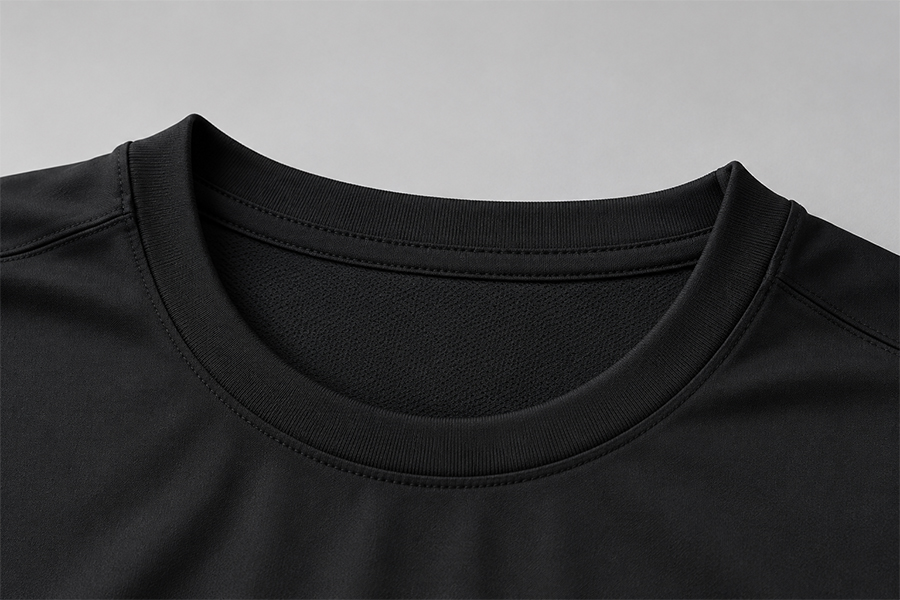
Collar rib width, rib composition, sewing tension, and neckline shape should be reviewed to reduce deformation after wear and wash.
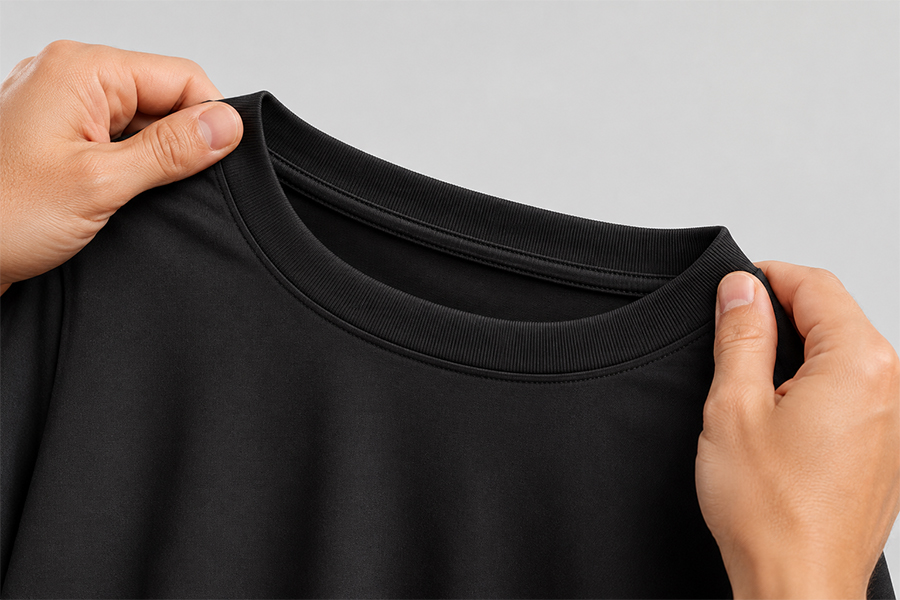
Rib recovery, collar stretch, seam elasticity, and wash shrinkage affect whether the neckline keeps a clean shape in bulk production.
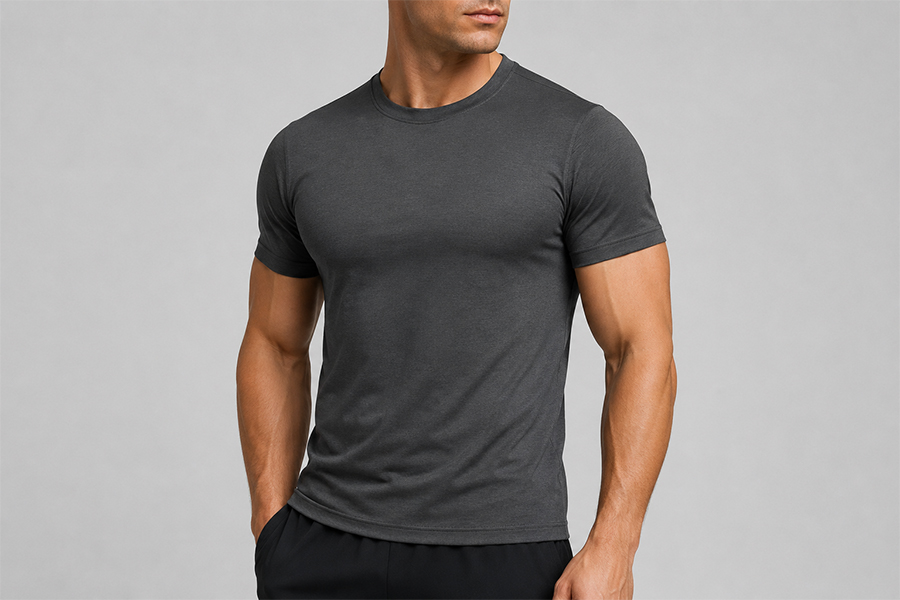
Set-in sleeves need balanced shoulder width, armhole curve, sleeve angle, and seam placement for regular fit and muscle fit gym tees.
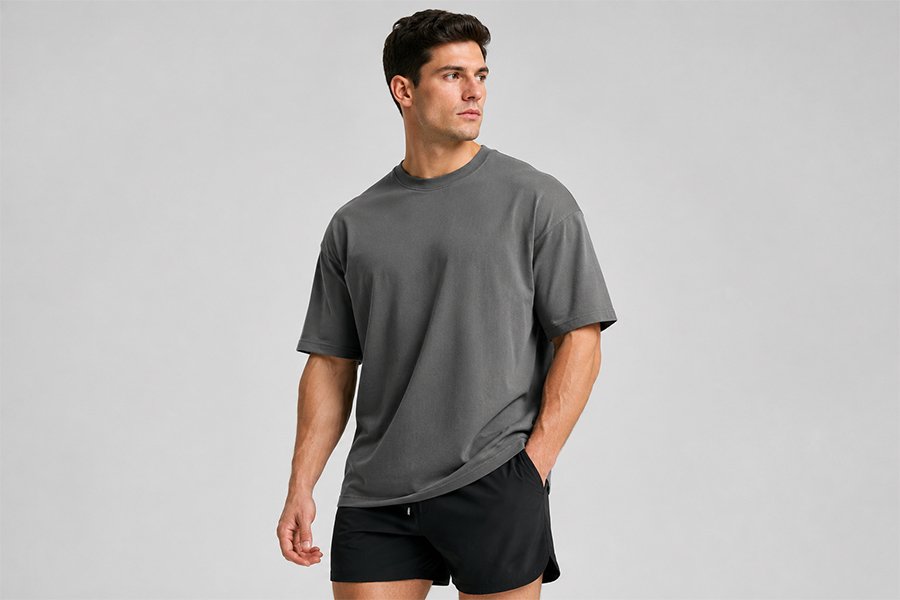
Oversized gym T-shirts need controlled shoulder drop, body width, sleeve length, fabric drape, and hem proportion to avoid an accidental loose fit.
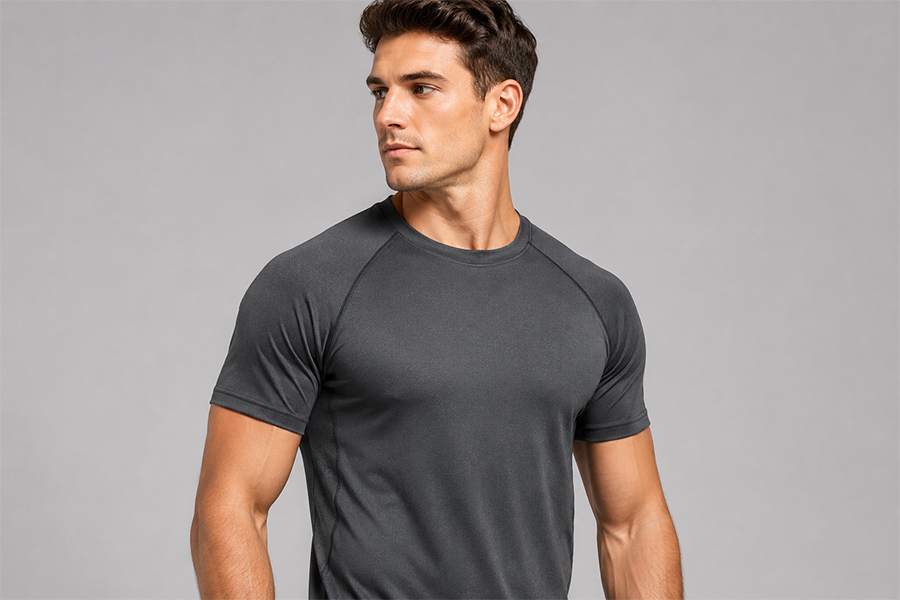
Raglan sleeve tees require smooth shoulder movement, balanced seam angle, underarm comfort, and stable fabric stretch for active training use.
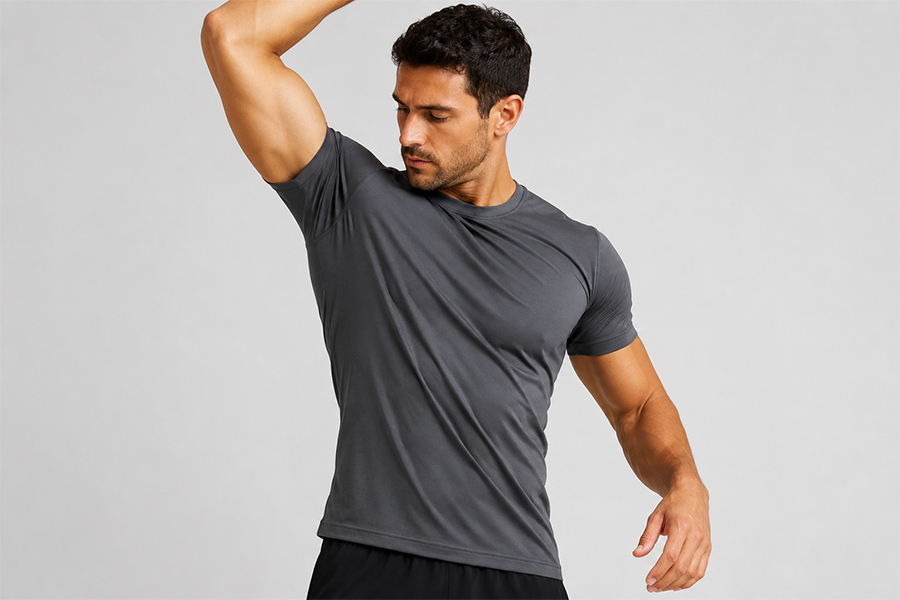
Armhole depth, underarm curve, sleeve pitch, and chest ease should be checked for lifting, running, HIIT, and overhead training movement.
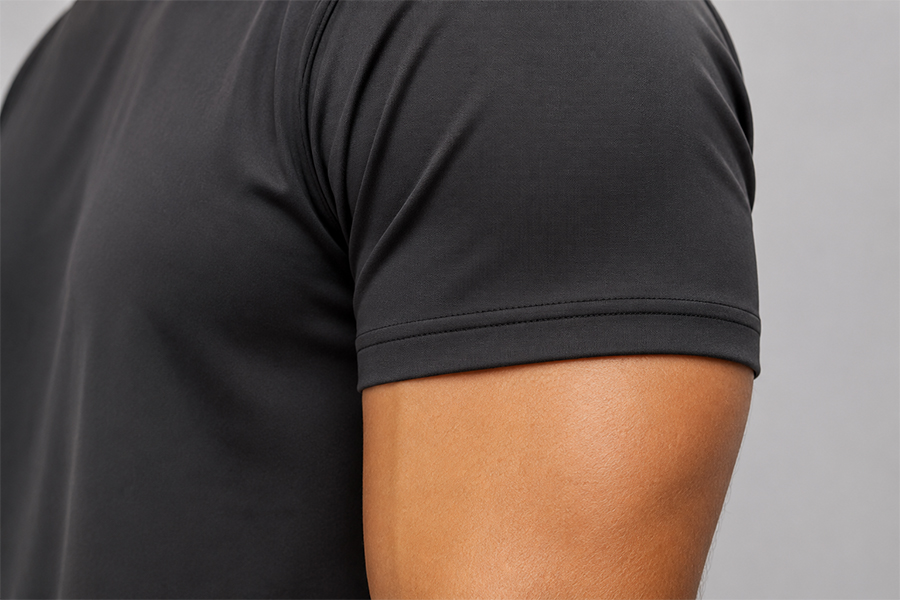
Sleeve opening, bicep fit, sleeve length, and fabric recovery affect whether the tee feels athletic, relaxed, or restrictive during workouts.
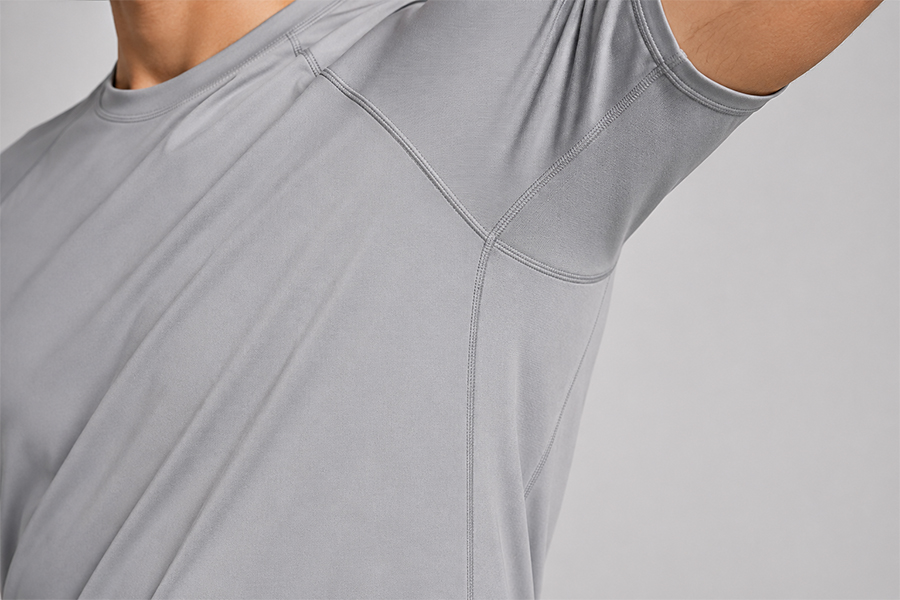
Underarm seam placement, stitch softness, seam allowance, and fabric thickness should be reviewed to reduce friction during repeated movement.
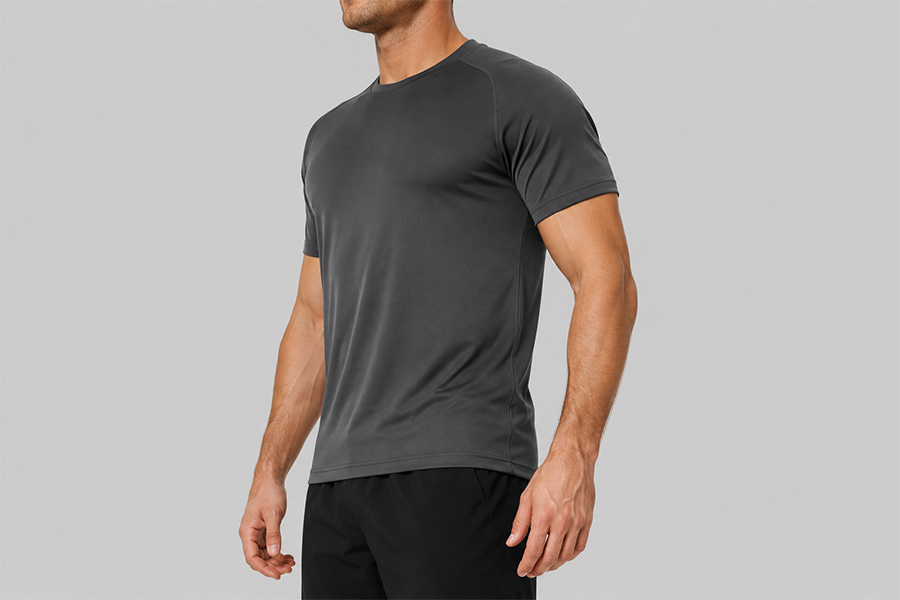
Fabric grain direction, cutting accuracy, sewing tension, and wash performance affect whether side seams stay straight after repeated wear.
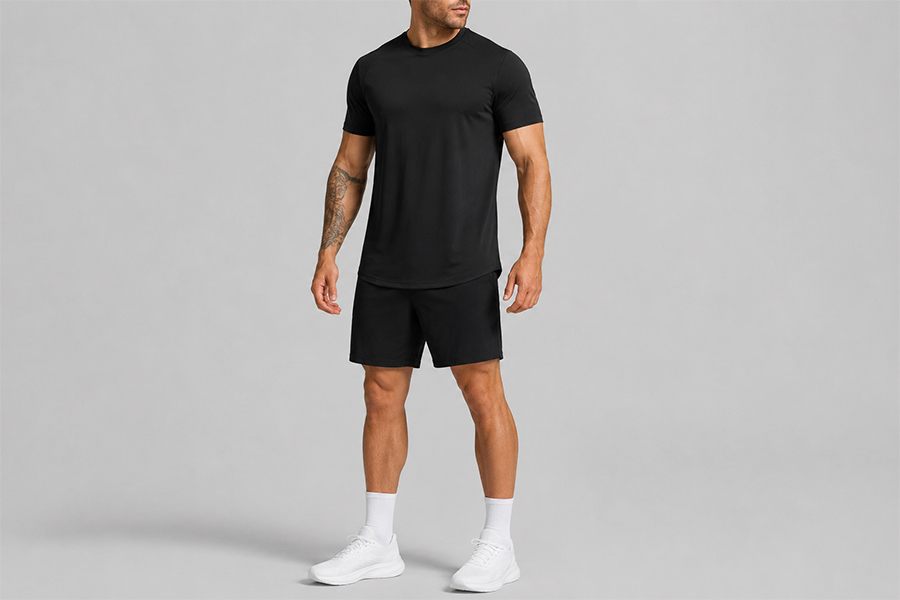
Body length, hem opening, straight hem, curved hem, side slit, and longline proportion should match the intended fit and training scenario.
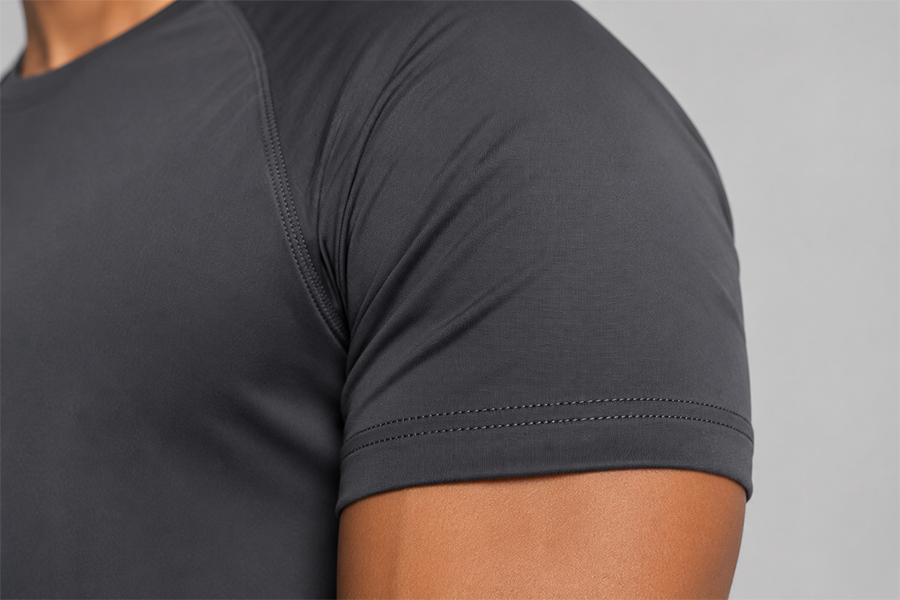
Coverstitch at hem, sleeve opening, and neckline should be checked for elasticity, stitch density, appearance, and wash durability.
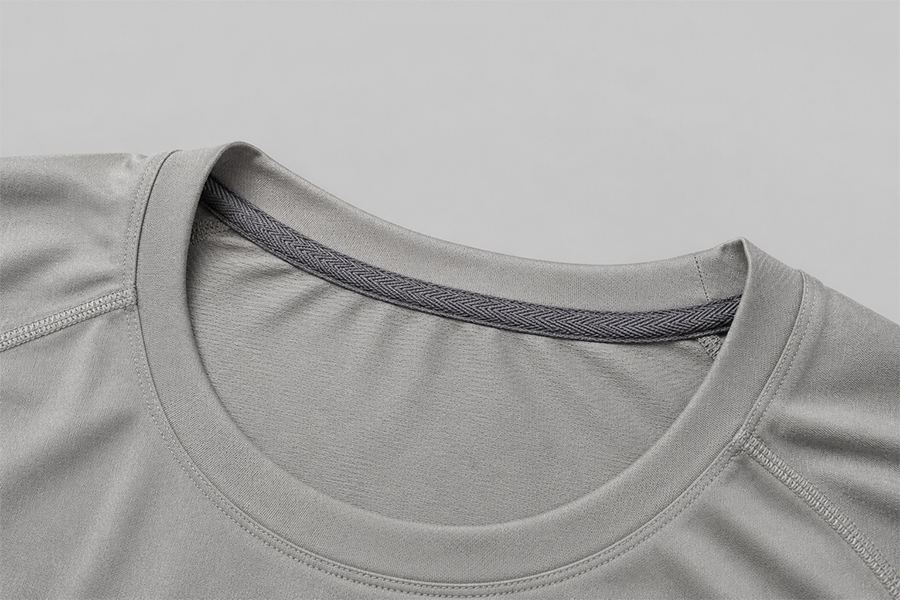
Back neck tape can improve neckline stability and finishing quality, but tape material, width, comfort, and sewing tension need sample review.
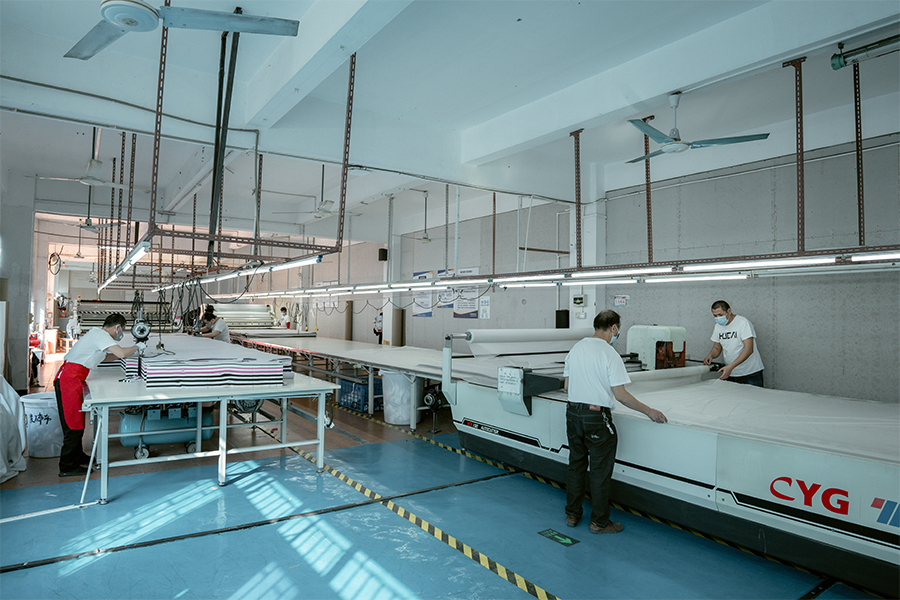
Jersey fabric, cotton blends, rib collars, garment wash, and print process should be reviewed for shrinkage before confirming measurements.
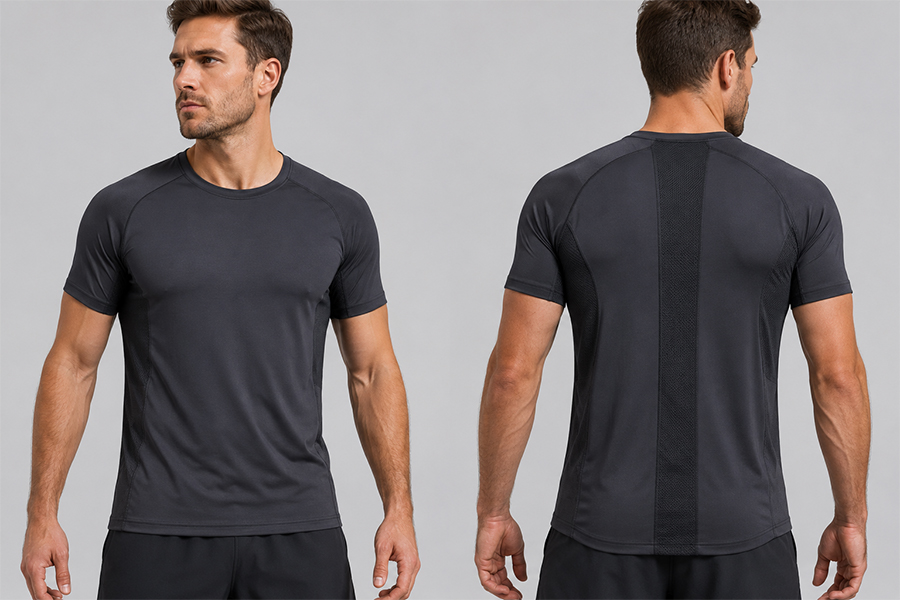
Mesh panels or contrast fabric parts need compatible stretch, seam comfort, sweat-zone placement, and consistent sewing control.
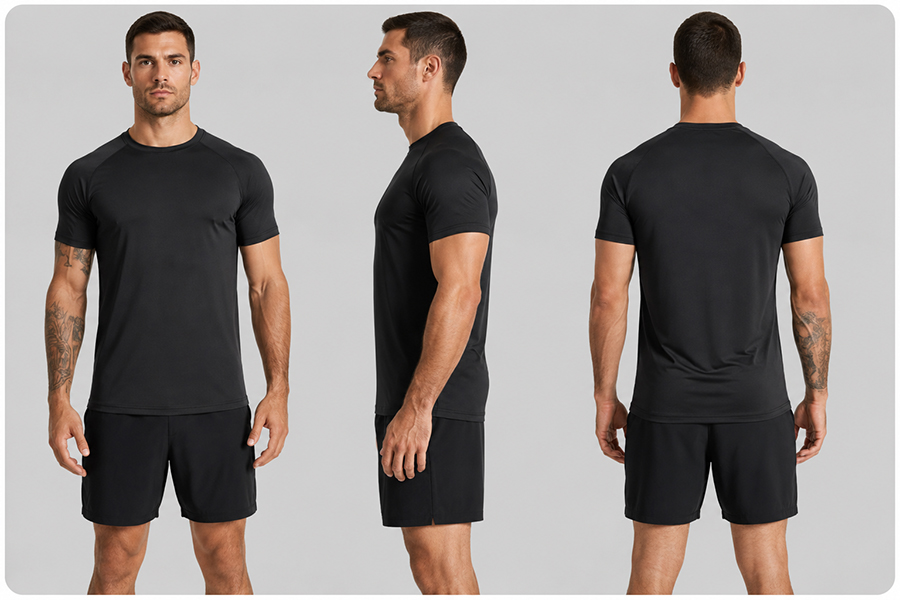
Chest width, shoulder width, sleeve length, body length, neckline size, and hem opening should remain balanced across the full size range.
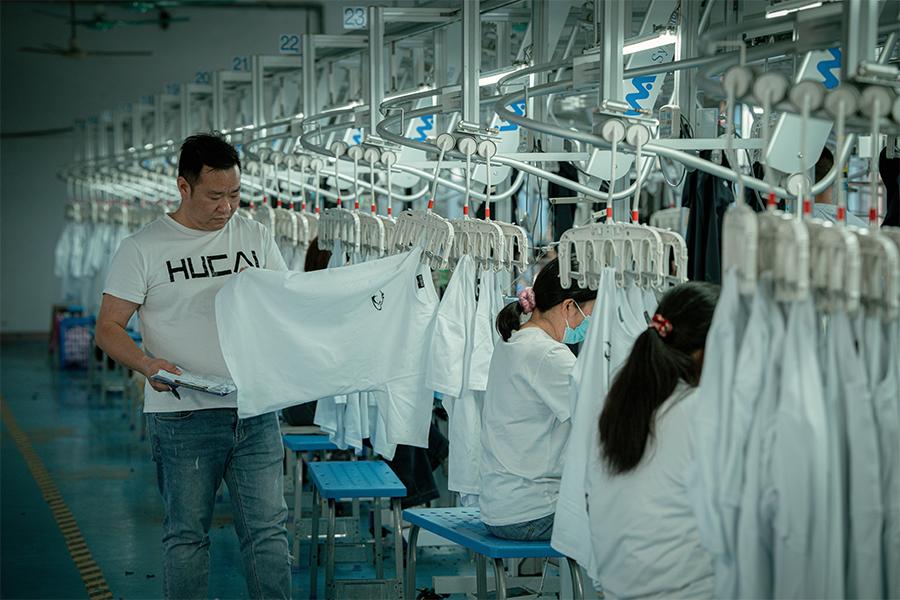
Stitch density, seam allowance, shoulder alignment, collar shape, sleeve balance, hem finishing, and QC checkpoints should be locked before bulk.
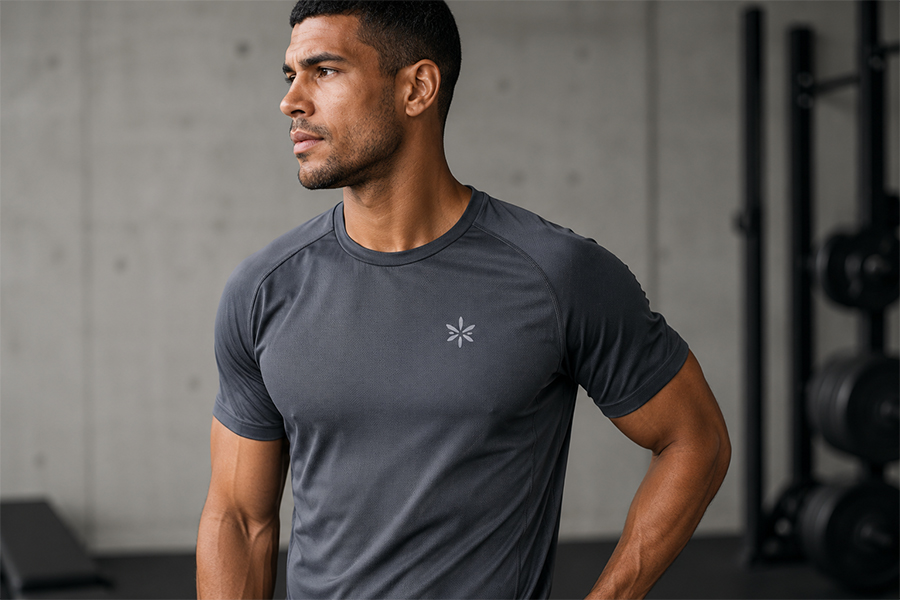
Clean logo application for performance gym T-shirts, with placement, size, stretch compatibility, fabric surface, and wash durability reviewed before sampling.
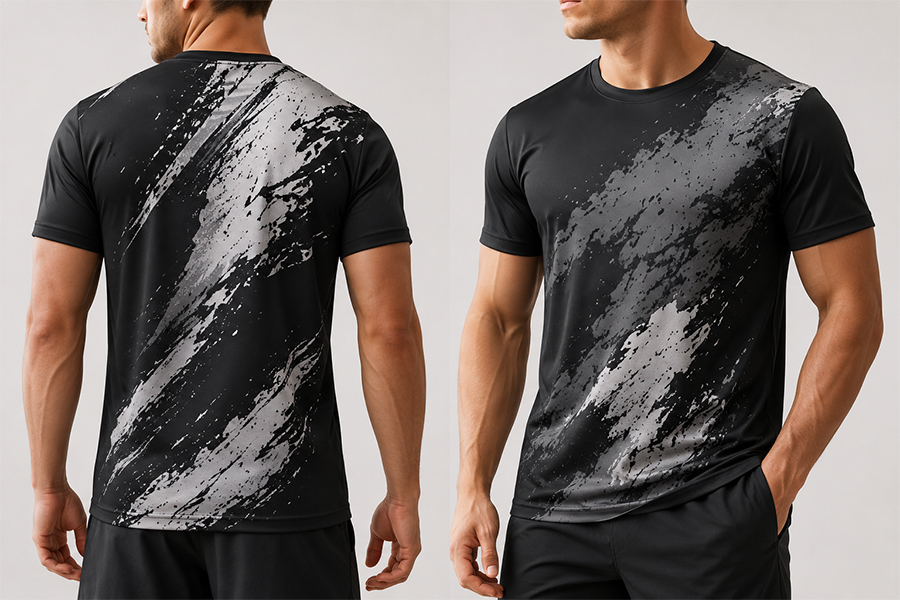
Suitable for large front or back graphics, with print scale, ink handfeel, color contrast, fabric absorbency, and cracking risk checked before bulk.
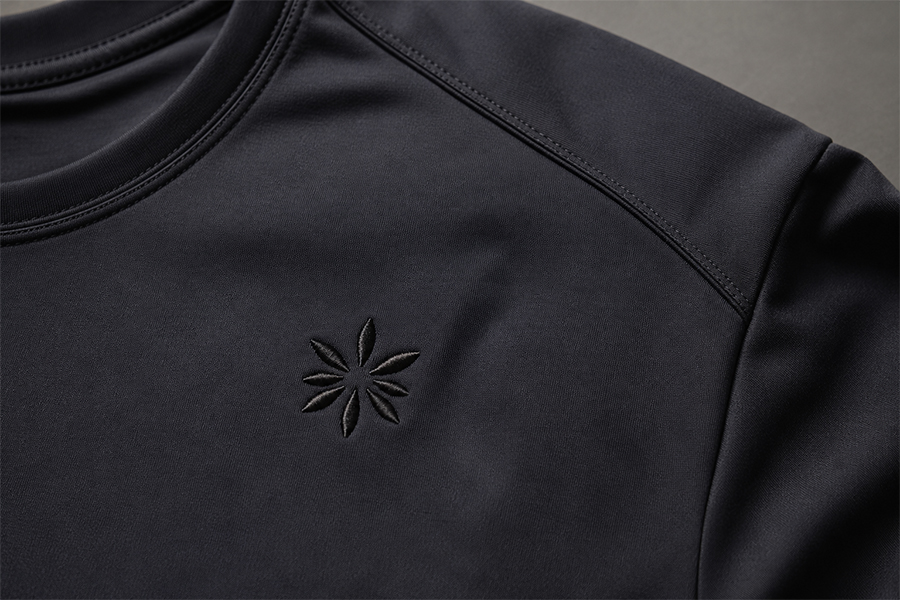
Embroidery can support premium gym T-shirt branding, but stitch density, backing, fabric weight, placement, and puckering risk must be controlled.
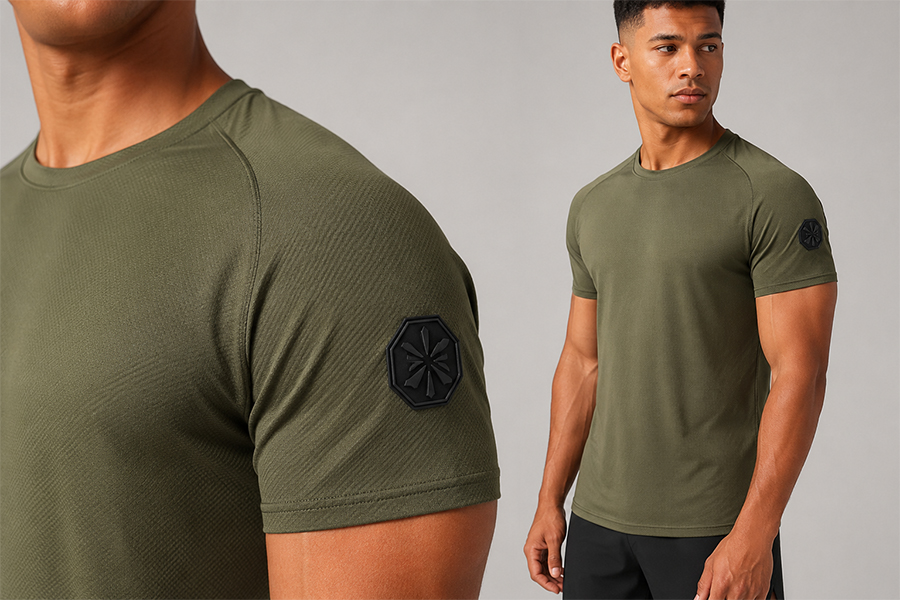
Applique, woven patch, or rubber patch details can create stronger brand identity, but weight, edge finishing, sewing method, and comfort need review.
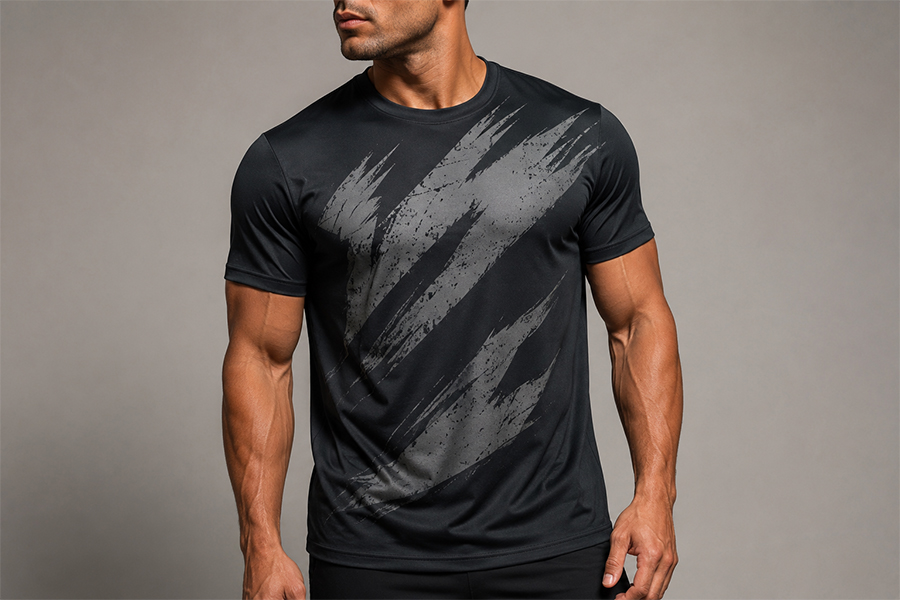
Front graphics should be reviewed with chest width, fit direction, fabric GSM, print handfeel, and whether the artwork works on regular, boxy, or oversized fits.
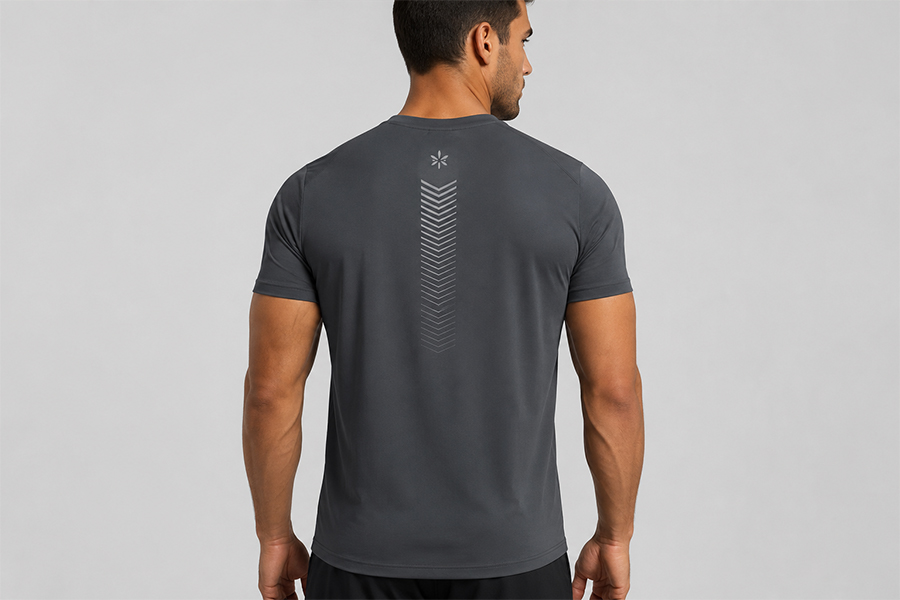
Back prints need clear placement, artwork scale, neckline distance, hem proportion, fabric surface compatibility, and wash durability review.
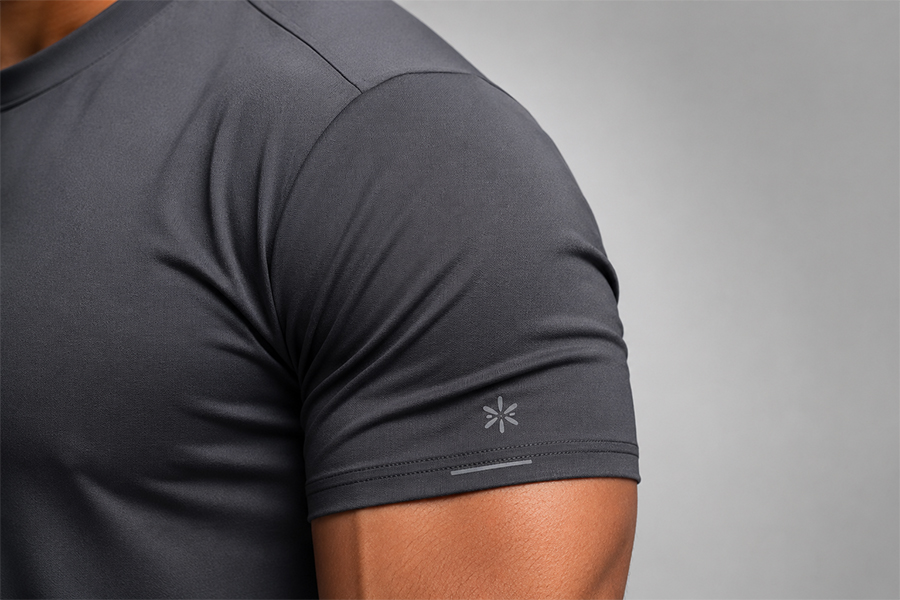
Sleeve logos, small prints, embroidery, or reflective details should match sleeve length, sleeve opening, seam position, and active movement comfort.
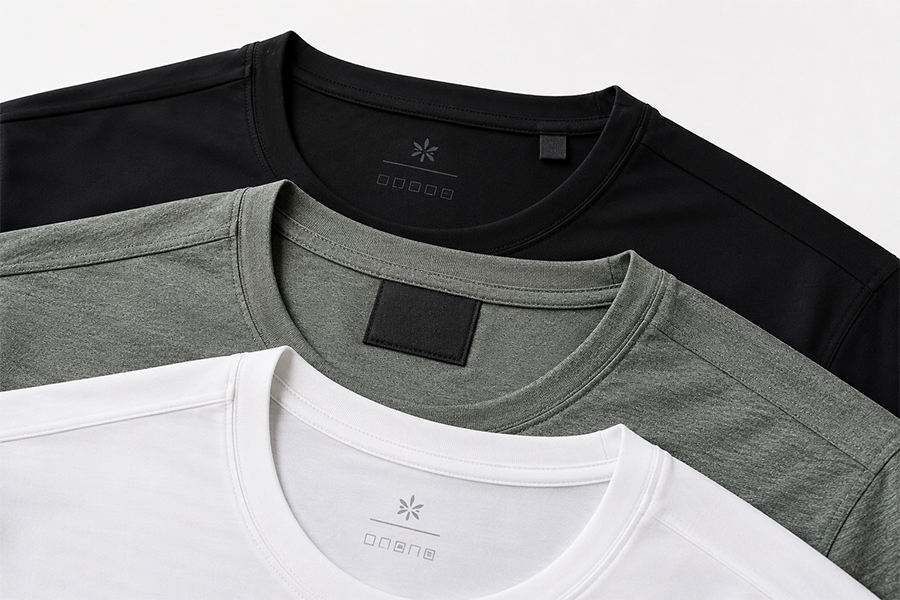
Printed neck labels, woven neck labels, or heat transfer labels should be selected according to comfort, brand level, wash durability, and production clarity.
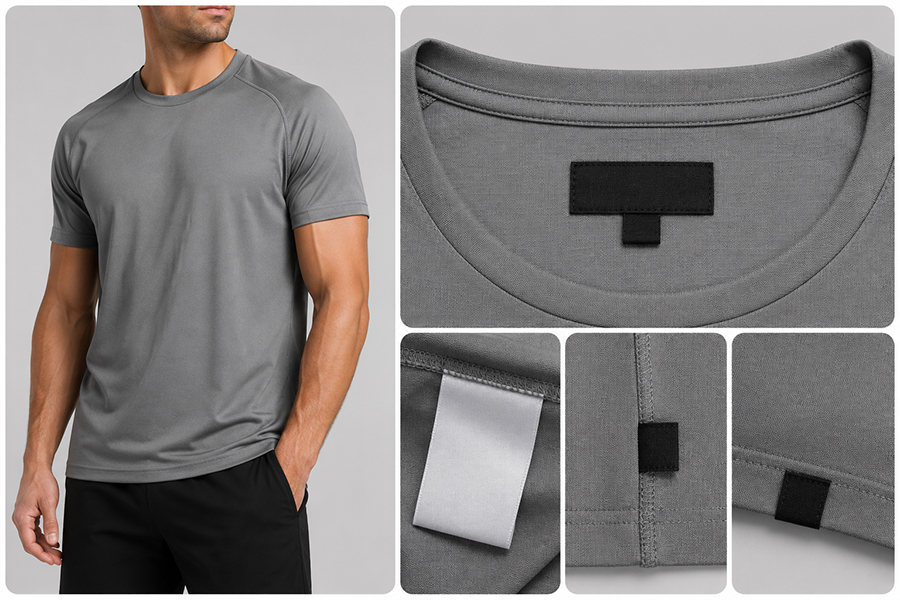
Main labels, size labels, care labels, and origin labels should be planned together so private label production and bulk packing remain consistent.
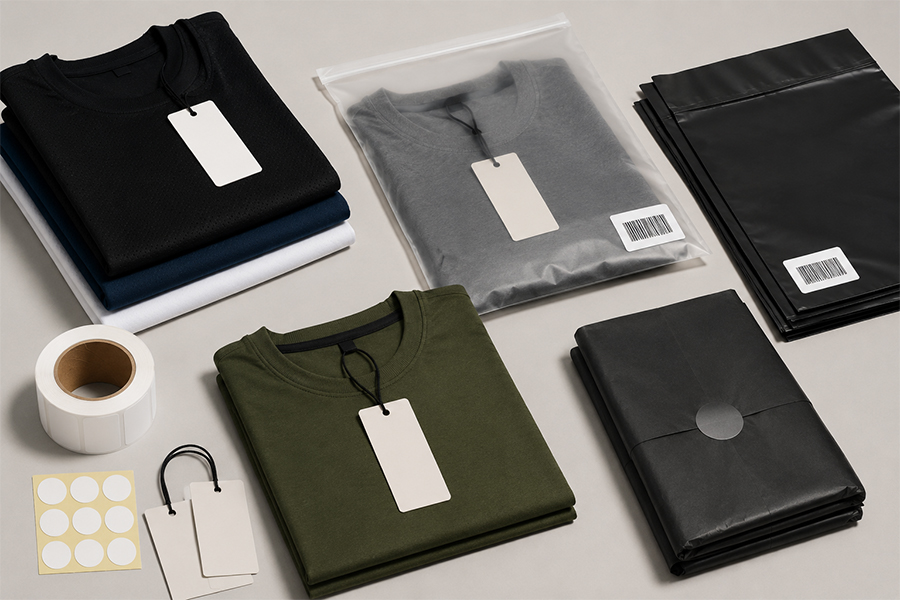
Hangtags, polybags, barcode stickers, size stickers, folding method, and packaging direction can be aligned with wholesale, DTC, or distributor needs.
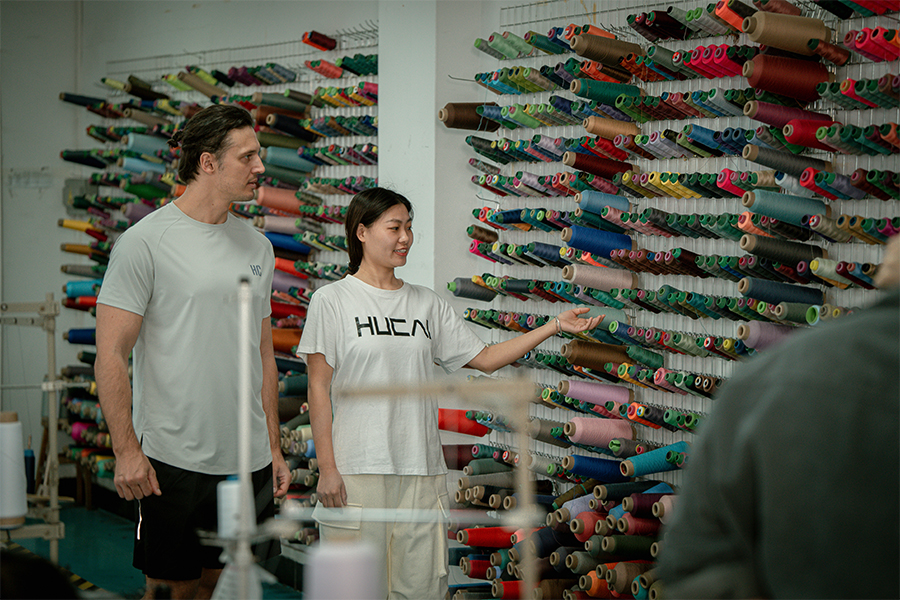
Core colors, seasonal palettes, contrast stitching, print colors, rib color matching, and fabric availability should be reviewed with MOQ planning.
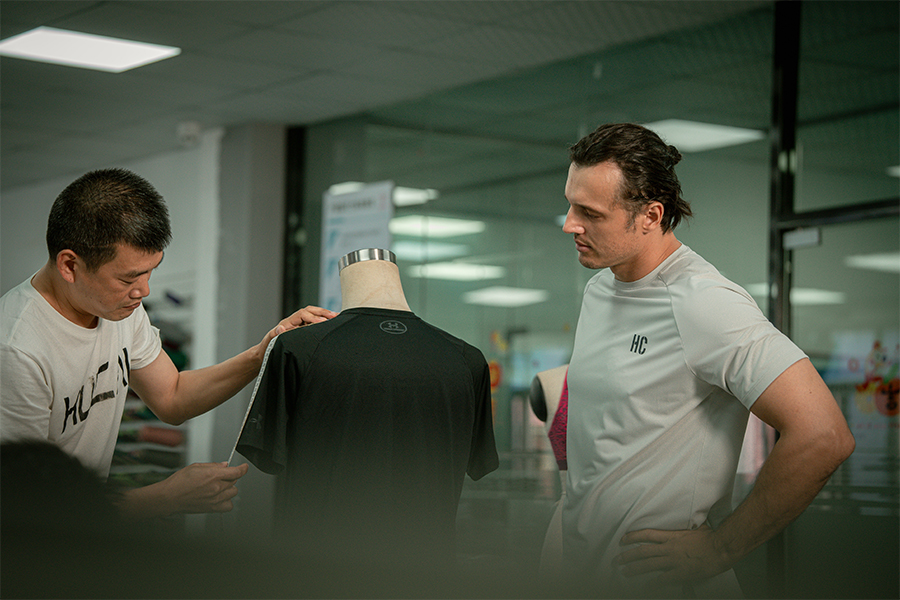
For gym T-shirt projects, fit, fabric, GSM, neckline, sleeve shape, logo method, label, packaging, measurement, and construction details can be organized before sampling.
| Development Problem | Likely Cause | What We Review | Sample Stage Action |
|---|---|---|---|
| Neckline loses shape after washing | Collar rib recovery, rib composition, neckline width, sewing tension, or wash shrinkage is not stable enough. | Rib fabric, collar width, neckline stretch recovery, sewing tension, wash effect, and approved sample shape. | Adjust rib quality, collar width, sewing tension, or neckline pattern before confirming the production sample. |
| Collar looks wavy or puckered | Rib attachment tension, collar length ratio, fabric thickness, or sewing method does not match the body fabric. | Collar rib length, neckline curve, body fabric GSM, stitch density, seam allowance, and collar finishing. | Revise collar rib ratio, reduce sewing tension, adjust stitch method, or test another rib fabric. |
| T-shirt shrinks more than expected | Fabric shrinkage, cotton blend behavior, garment wash, rib shrinkage, or print process was not fully considered before measurement approval. | Fabric shrinkage risk, GSM, fiber composition, wash process, print method, rib collar behavior, and measurement tolerance. | Confirm shrinkage allowance, adjust measurement spec, review fabric pre-treatment, and lock wash standards before bulk. |
| Side seams twist after wearing | Fabric grain direction, cutting accuracy, fabric torque, sewing tension, or wash behavior affects seam stability. | Fabric direction, marker layout, cutting control, side seam position, garment wash result, and bulk fabric consistency. | Review cutting direction, revise sewing tension, adjust pattern balance, and confirm fabric stability before production. |
| Shoulder feels restrictive during training | Shoulder width, armhole curve, sleeve angle, chest ease, or fabric stretch does not support lifting or overhead movement. | Shoulder width, armhole depth, sleeve pitch, chest measurement, fabric recovery, and movement during sample fitting. | Revise shoulder width, adjust armhole shape, change sleeve angle, or add movement allowance before sample approval. |
| Sleeves feel too tight or too loose | Sleeve opening, bicep allowance, sleeve length, fabric recovery, or fit direction is not matched to the target body shape. | Sleeve opening, sleeve length, bicep fit, armhole connection, fabric stretch, and regular, muscle, or oversized fit direction. | Adjust sleeve opening, revise sleeve shape, change armhole balance, or redefine the fit family before bulk grading. |
| Oversized tee looks unbalanced | Body width, shoulder drop, sleeve length, hem length, fabric drape, or GSM does not create an intentional pump cover shape. | Chest width, shoulder drop, body length, sleeve proportion, fabric weight, drape, neckline shape, and graphic scale. | Rebalance body width, shoulder drop, sleeve length, hem length, or fabric weight before finalizing the oversized fit. |
| Muscle fit tee feels too restrictive | Chest width, sleeve opening, underarm shape, fabric stretch, or measurement tolerance is too tight for training movement. | Chest ease, shoulder width, sleeve opening, underarm comfort, fabric recovery, and lifting or bodybuilding movement feedback. | Increase movement allowance, revise sleeve opening, adjust underarm curve, or use a fabric with better recovery. |
| Fabric clings after sweating | Fabric weight, yarn structure, moisture management, surface texture, or stretch composition is not suitable for high-sweat training. | Fabric GSM, handfeel, breathability, drying speed, stretch direction, sweat visibility, and skin contact comfort. | Compare alternative fabrics, adjust GSM, review quick-dry direction, or choose a smoother performance fabric before sampling. |
| Light color fabric looks transparent | Fabric GSM, opacity, knit density, stretch direction, or color selection does not provide enough coverage under movement. | Opacity under stretch, light and dark color performance, fabric weight, knit density, sweat marks, and intended use scenario. | Increase fabric weight, select a denser fabric, adjust color direction, or review lining-free coverage before approval. |
| Print cracks, peels, or feels too heavy | Logo method, ink type, heat pressure, artwork size, fabric surface, stretch zone, or washing condition is not compatible. | Print method, artwork scale, fabric surface, placement area, stretch level, heat transfer setting, and wash durability direction. | Test the logo method on the actual fabric and adjust artwork size, placement, ink, or heat transfer process before bulk decoration. |
| Embroidery causes puckering or stiffness | Stitch density, backing, fabric weight, placement, embroidery size, or tension is not suitable for the selected T-shirt fabric. | Embroidery size, stitch density, backing material, fabric GSM, placement area, comfort, and garment surface appearance. | Reduce stitch density, adjust backing, move placement, or choose a more suitable logo method before sample confirmation. |
| Hem twists or does not sit flat | Hem opening, stitch tension, fabric recovery, body length, side seam balance, or coverstitch setting is not stable. | Hem width, coverstitch quality, body length, side seam alignment, fabric recovery, and after-wash garment appearance. | Revise hem construction, adjust stitch tension, rebalance side seams, or update body length before bulk production. |
| Bulk fit differs from approved sample | Fabric lot, shrinkage, cutting tolerance, measurement control, size grading, sewing tension, or PPS standards changed during production. | Approved sample, PPS, bulk fabric, measurement spec, shrinkage allowance, neckline shape, sleeve balance, and QC checkpoints. | Lock PPS standard, confirm measurement tolerance, review bulk fabric, and add production QC checkpoints for key measurements. |
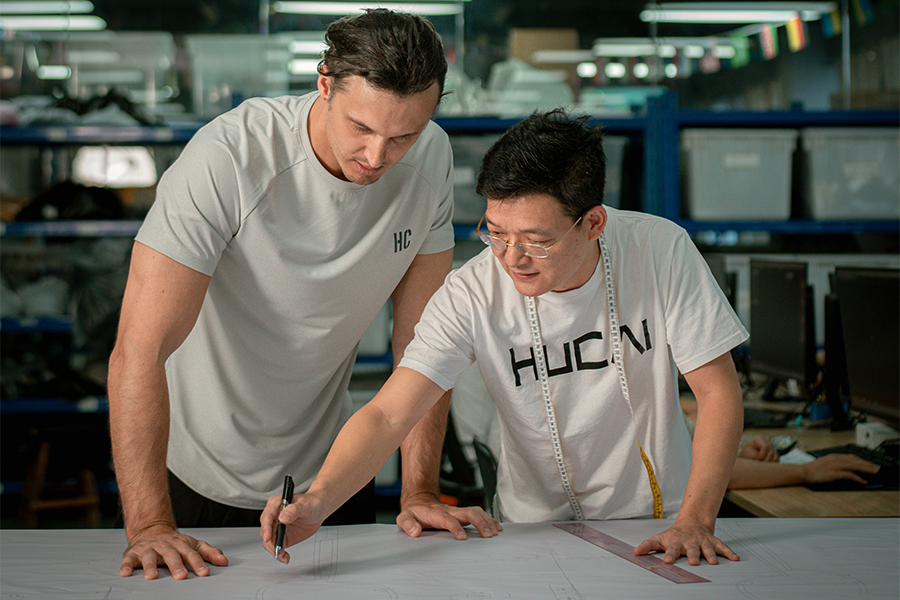
Send your tech pack with measurements, fabric weight, fit direction, shoulder width, sleeve shape, neckline rib, hem length, logo method, labels, and packaging requirements for OEM gym T-shirt production.
Share reference images if your brand does not have a complete tech pack. We can help translate style direction into fabric GSM, fit family, neckline structure, sleeve proportion, logo placement, and sample details for ODM development.
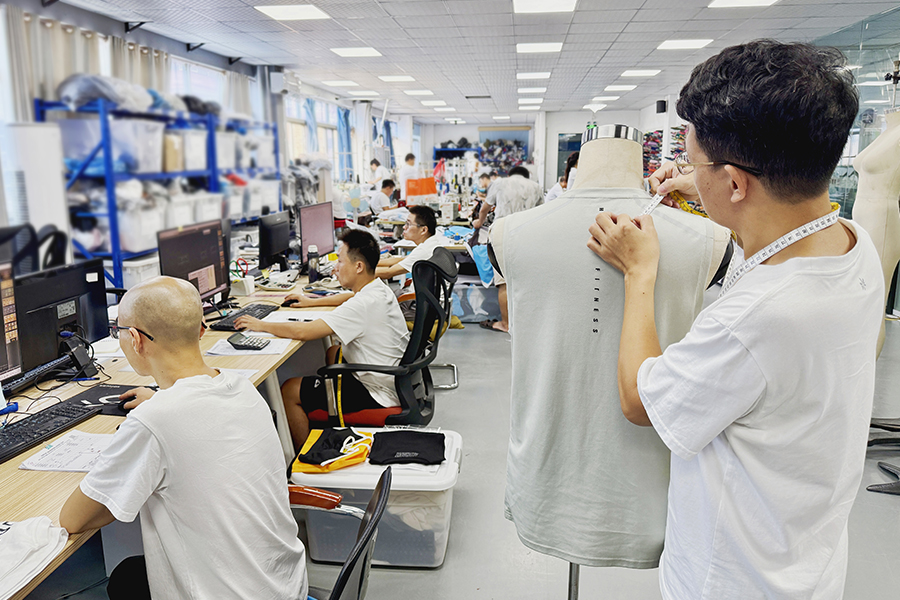
Start with a product idea such as oversized gym T-shirts, muscle fit tees, quick dry workout shirts, heavyweight pump cover tees, boxy fit tops, or custom graphic gym tees, then confirm the development direction before sampling.
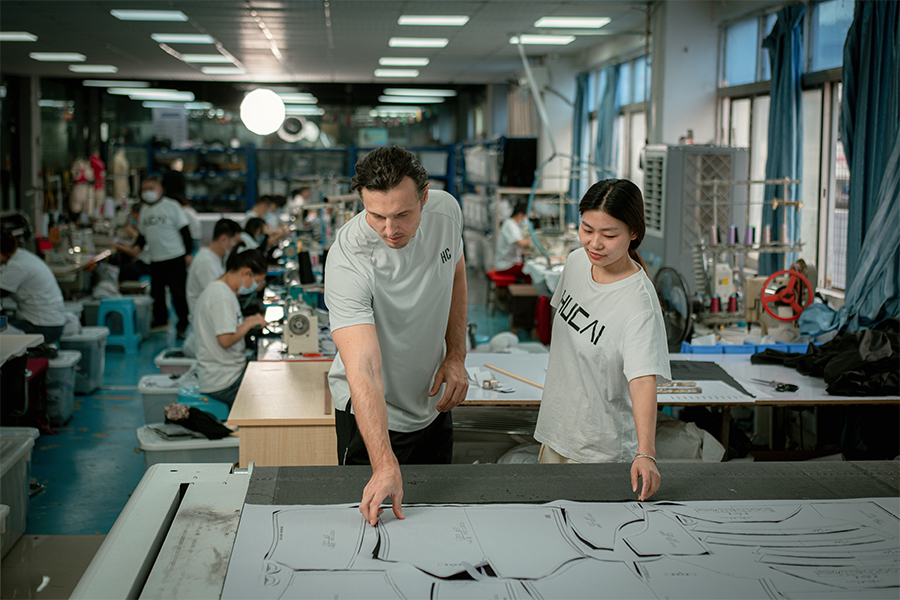
After sample development, review fit, movement, neckline stability, sleeve balance, fabric shrinkage, print or embroidery method, size grading, PPS standards, and QC checkpoints before bulk production.
HUCAI activewear is a B2B men's activewear manufacturer supporting OEM, ODM, and private label projects. We work with men's gym wear, workout wear, training wear, running apparel, and gym-to-street activewear projects. Our support can include fabric and trim customization, pattern and sample development, logo, label and packaging customization, bulk production, quality checkpoints, and order follow-up for brands preparing custom men's activewear collections.
HUCAI activewear can support custom men's T-shirts, oversized gym T-shirts, tank tops, stringers, training shorts, running shorts, lined shorts, compression shorts, compression tights, joggers, sweatpants, hoodies, tracksuits, lightweight jackets, and training sets. The strongest homepage focus should be men's T-shirts and shorts, while related categories such as joggers, hoodies, compression wear, jackets, and tracksuits can support full collection planning.
HUCAI activewear can support both OEM and ODM projects, but the right path depends on how prepared the brand is. If your brand already has tech packs, measurements, fabric details, artwork, trims, and packaging requirements, OEM production is usually the clearer path. If you have reference images, market direction, product ideas, or a collection concept but no complete tech pack, ODM support can help organize fabric, fit, sample, and product development details first.
A complete tech pack is helpful, but it is not always required at the first discussion stage. Established brands can send tech packs, measurements, fabric details, artwork, and packaging requirements for OEM review. Growing brands can start with reference images, target fit, product categories, fabric direction, logo ideas, size range, and launch goals. HUCAI activewear can then help clarify whether the project should move through OEM review or ODM development support.
MOQ and quotation depend on product type, fabric availability, custom color, size range, logo method, trims, construction details, packaging, sample requirements, and order structure. A simple men's T-shirt or training shorts project is usually easier to quote than a multi-SKU collection with custom fabric, compression layers, jackets, special trims, and multiple branding methods. Before requesting a quote, brands should prepare product type, target fabric, size range, logo method, and estimated quantity.
Sample timing depends on fabric availability, pattern work, logo method, fit adjustment, and revision rounds. For many standard bulk orders, HUCAI activewear communicates a 25-30 days standard bulk delivery target after samples, fabrics, trims, colors, sizing, packaging, and pre-production details are confirmed. MES and ERP order tracking help the team follow production progress, while peak season planning should be reviewed early before bulk scheduling.
Share your tech pack, reference images, fabric target, liner preference, inseam direction, pocket requirements, logo details, MOQ questions, or sample needs. HUCAI activewear will review your training shorts project and suggest the next development step based on whether you need OEM production, ODM development support, or early sample planning.