
Linerless Gym Shorts
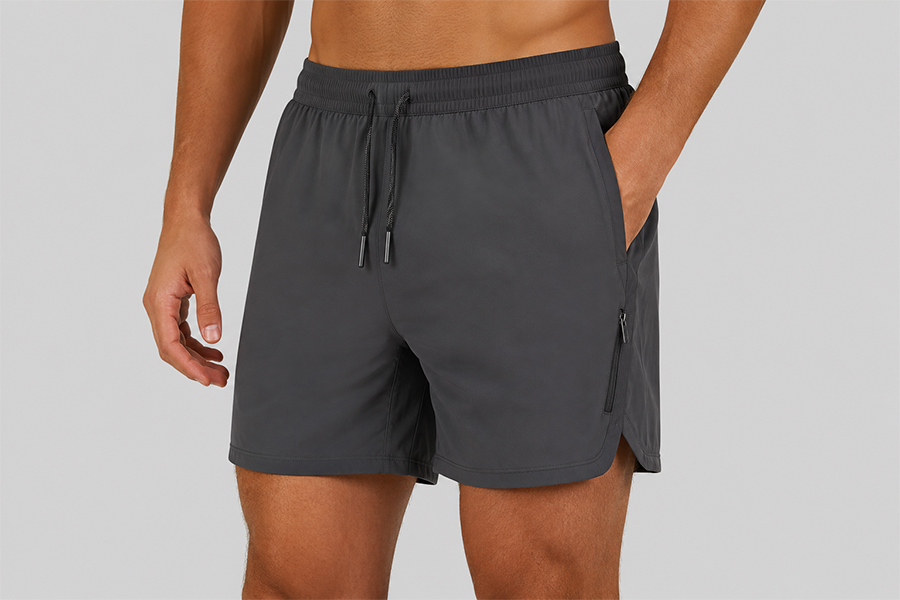
Lightweight shorts for brands that need unrestricted movement, quick drying, clean styling, and simple gym-to-street use.
| Best For | How to Use This Gym Shorts Development System |
|---|---|
| For Startup Brands | Compare lined shorts, linerless shorts, compression liner shorts, inseam length, waistband structure, fabric direction, and pocket options before deciding which gym shorts sample to develop first. |
| For Growing Brands | Turn reference images, market ideas, or capsule plans into a clearer ODM brief by defining product role, shell fabric, liner system, fit direction, pocket placement, and sample review priorities. |
| For Established Brands | Review tech packs, measurements, construction details, fabric standards, trim requirements, and sample-to-bulk consistency before OEM production, especially for waistband, liner, pocket, and inseam details. |
| For Private Label Buyers | Plan gym shorts fabric, inseam, fit, liner type, pocket system, logo placement, labels, packaging, trims, and MOQ structure before sending an inquiry for OEM, ODM, or private label development. |
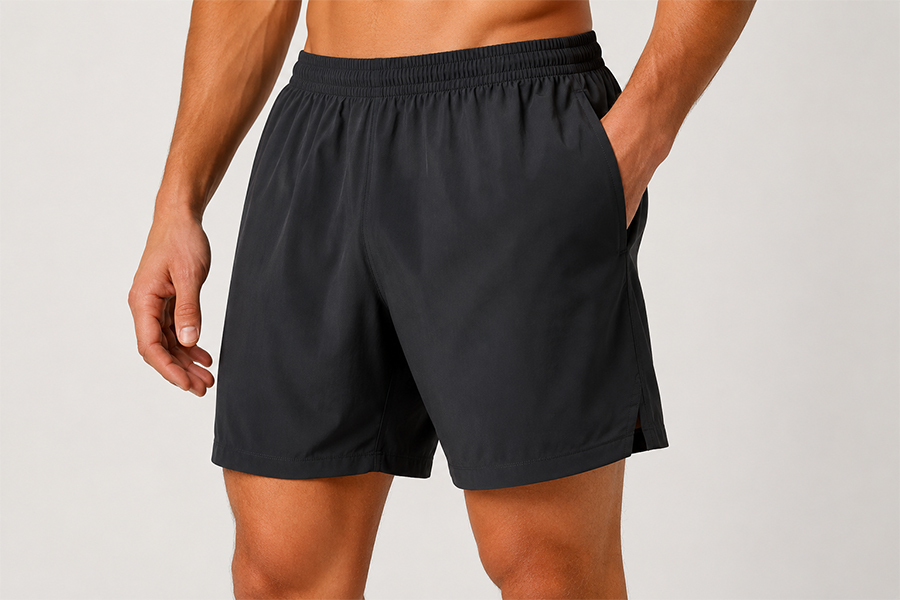
Lightweight shorts for brands that need unrestricted movement, quick drying, clean styling, and simple gym-to-street use.
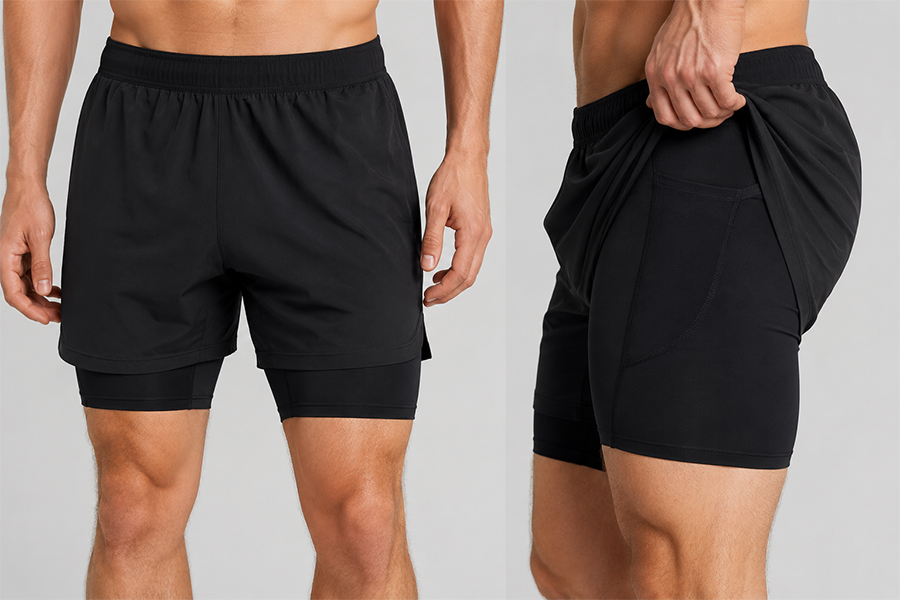
Training shorts with inner brief support, coverage, liner comfort, anti-chafe review, and secure movement during workouts.
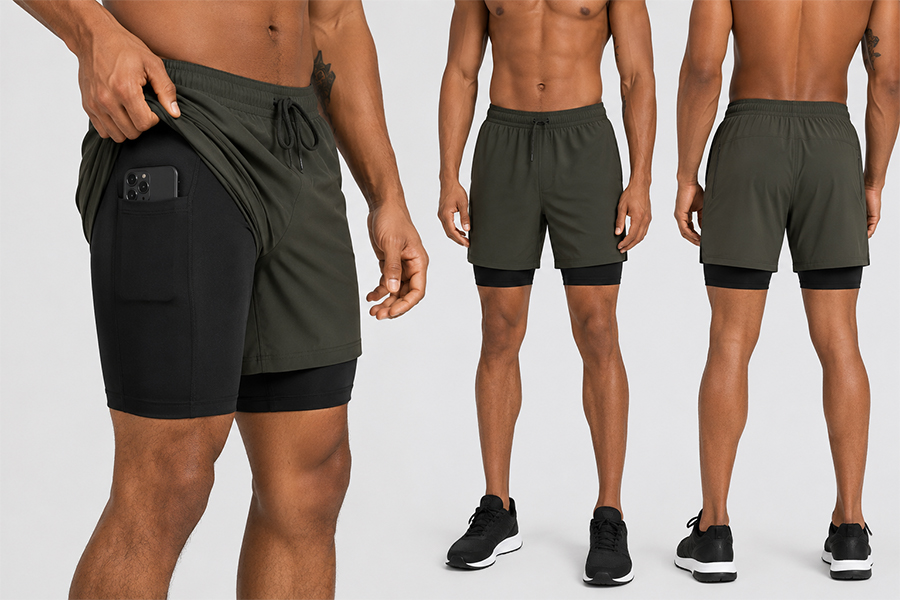
2-in-1 shorts with compression liner structure, liner length control, pocket options, coverage, and fabric recovery review.
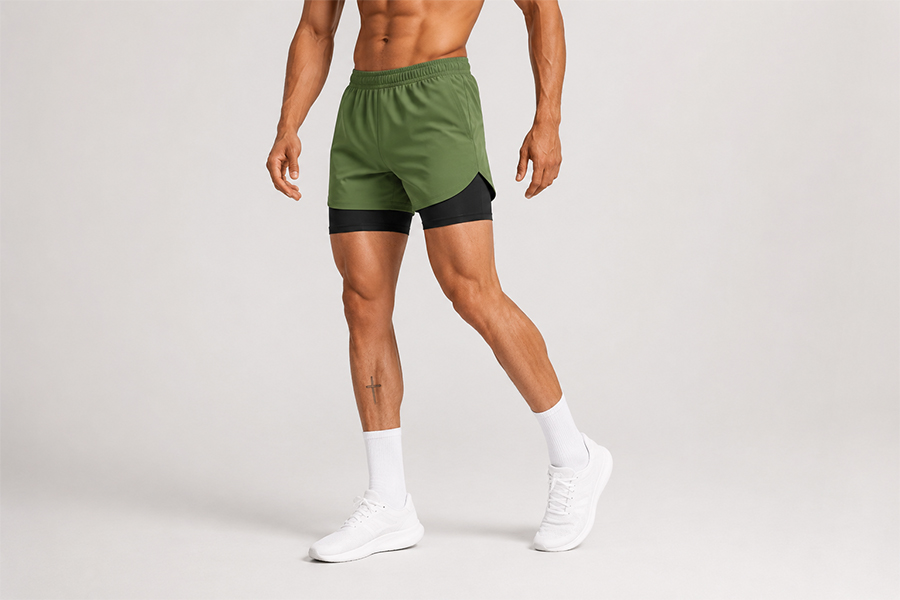
Short inseam gym shorts for HIIT, lifting, bodybuilding, and warm-weather training where mobility and leg opening matter.
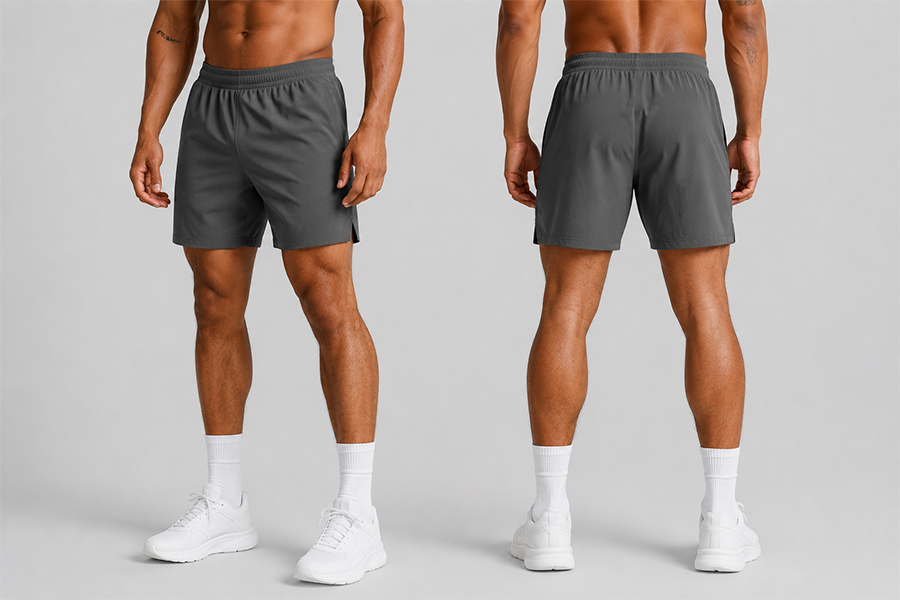
Balanced inseam shorts for daily gym training, hybrid workouts, private label basics, and broader size range development.
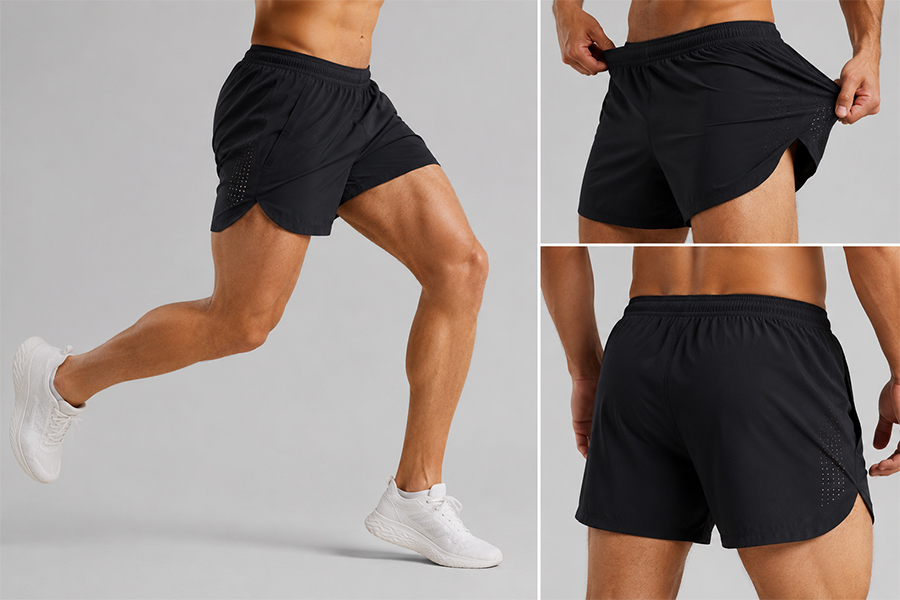
Lightweight running shorts with quick-dry woven shell, airflow, waistband stability, and movement-focused sample review.
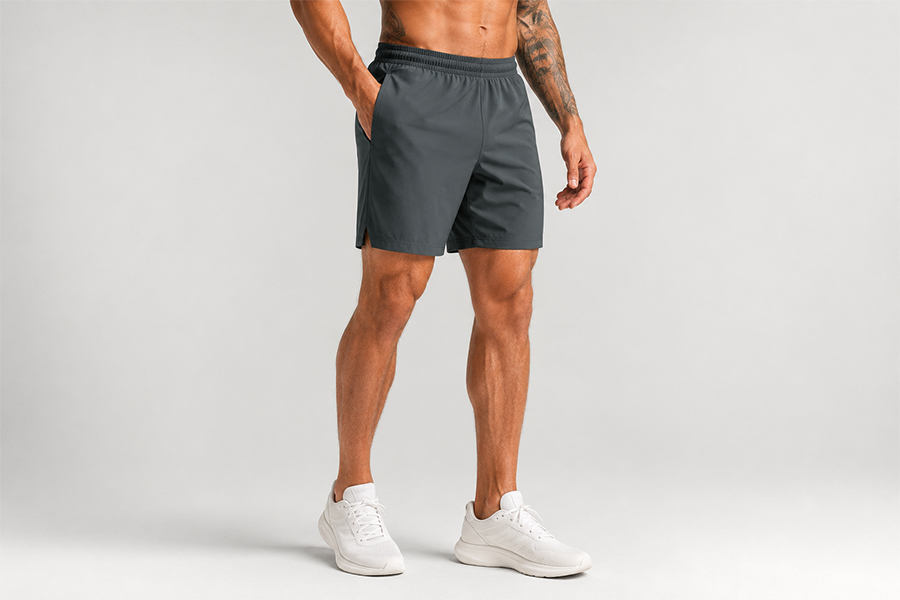
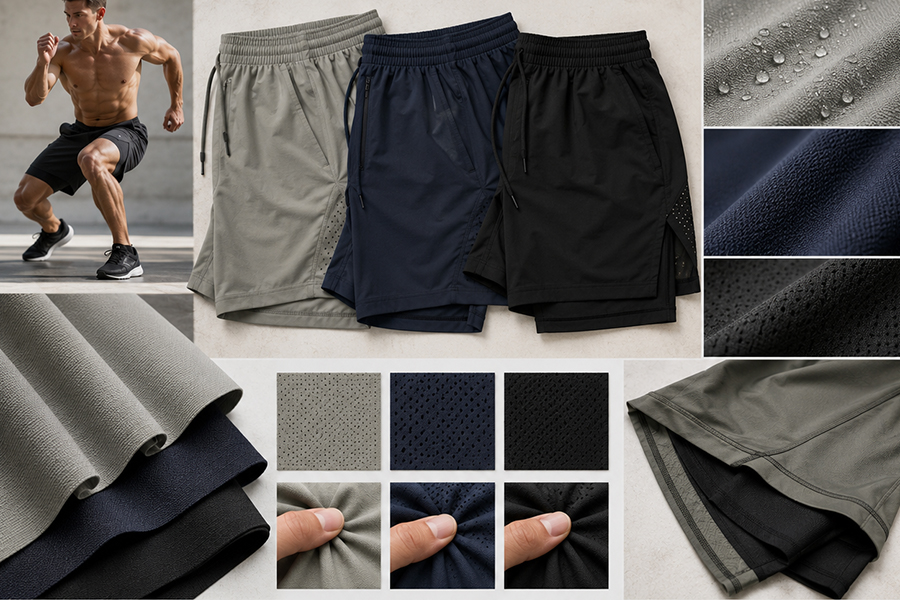
Performance woven shorts for brands that need drying speed, light handfeel, 4-way stretch, and bulk fabric consistency.
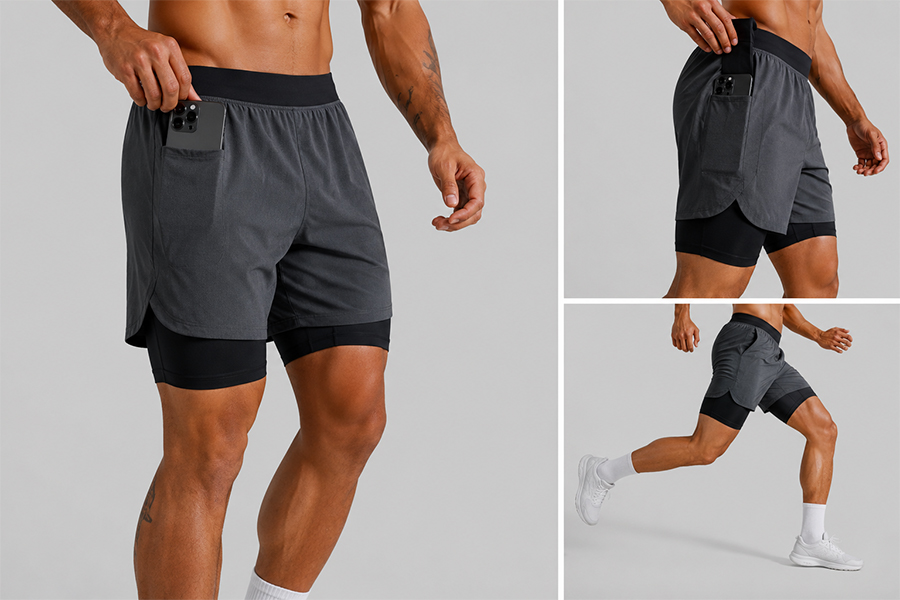
Gym shorts with phone pocket direction, pocket depth, opening angle, liner tension, and bounce control reviewed in sampling.
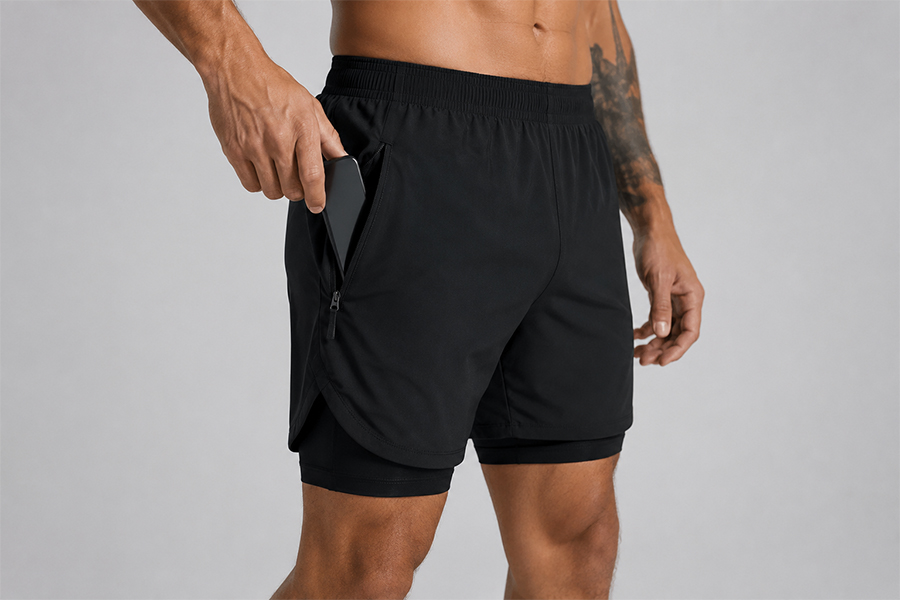
Training shorts with secure zip pocket placement, storage function, zipper type, fabric bulk, and active movement review.
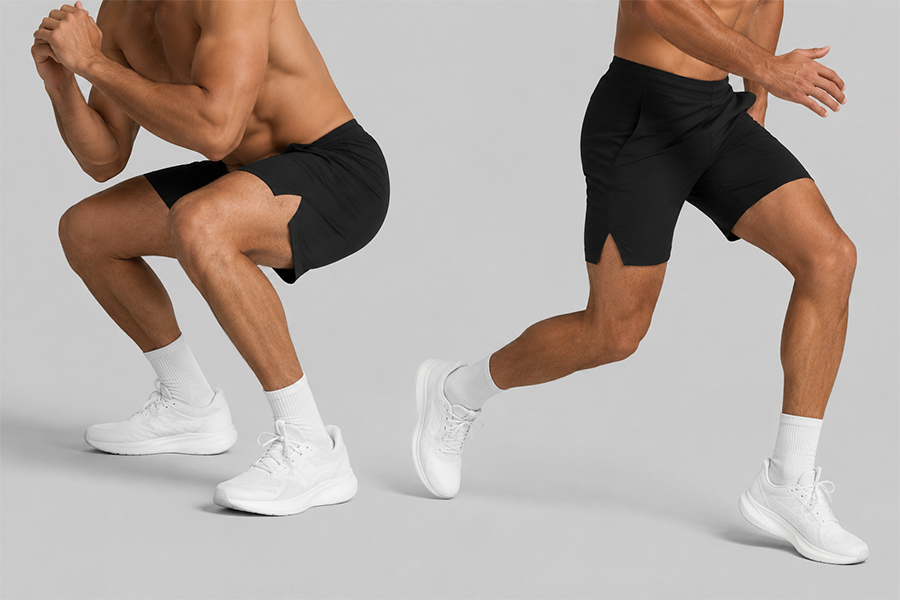
Split hem shorts for mobility, squat comfort, running stride, leg opening balance, and lightweight training collections.
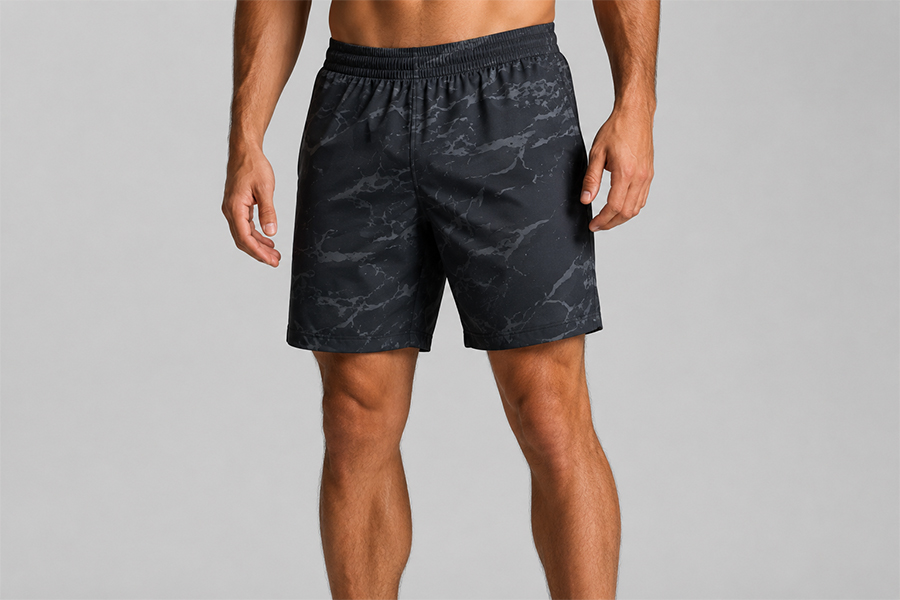
Custom printed shorts with pattern scale, color contrast, logo placement, waistband details, and private label collection planning.
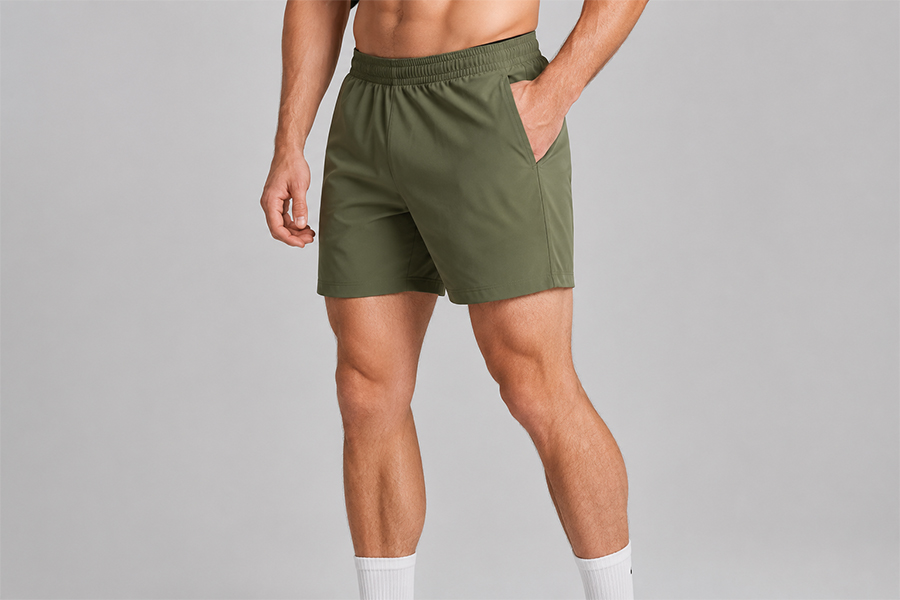
Minimal activewear shorts for training, recovery, travel, and everyday styling with fabric, fit, pocket, and branding options.

5 inch, 7 inch, and longer gym shorts create different coverage, squat comfort, running stride, and brand positioning.

Linerless, brief liner, and compression liner shorts need different support, coverage, anti-chafe, and seam placement review.

Elastic width, drawcord, waistband tension, and twisting risk can change comfort, stability, and bulk production consistency.

Phone pockets, zip pockets, and side pockets should be checked for depth, opening angle, bounce, placement, and active use.

Lightweight woven, 4-way stretch, quick-dry, mesh liner, and compression liner fabrics should match training and running needs.
Approved samples still need fabric, measurements, liner tension, pocket position, waistband, trims, and QC standards locked before bulk.
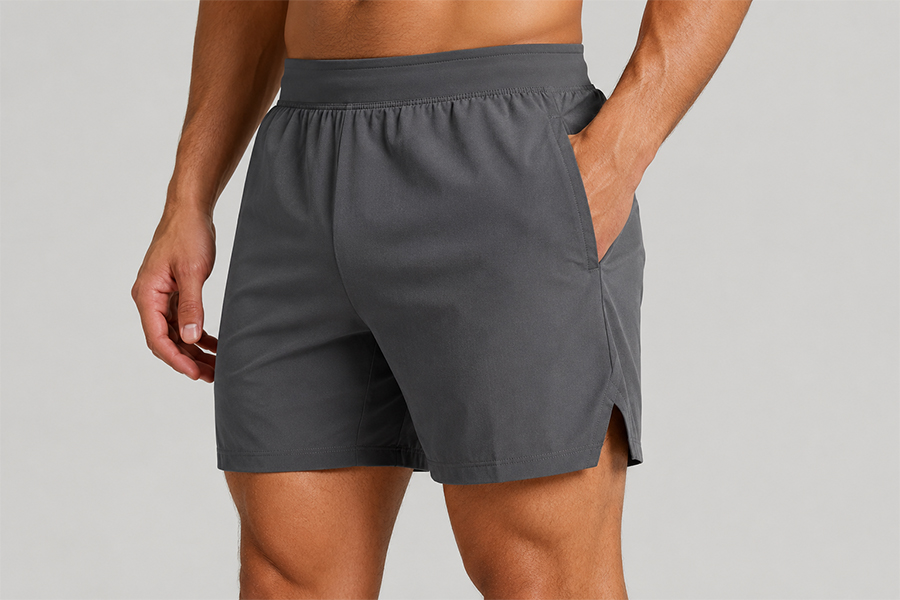
Define whether the shorts are for gym training, running, HIIT, lifting, bodybuilding, recovery, or gym-to-street activewear before development starts.
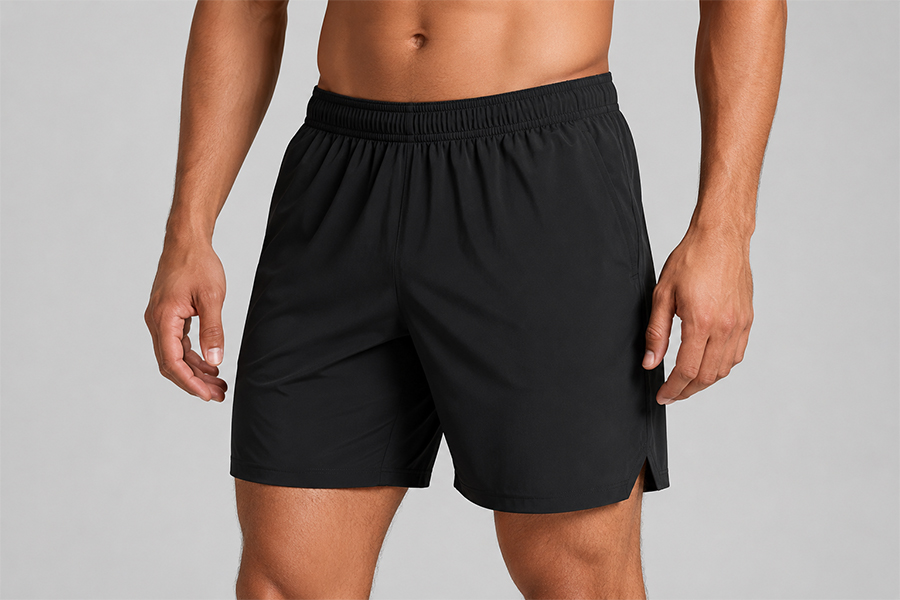
Review lightweight woven, 4-way stretch, quick-dry handfeel, airflow, opacity, fabric recovery, and bulk fabric consistency for the target use.
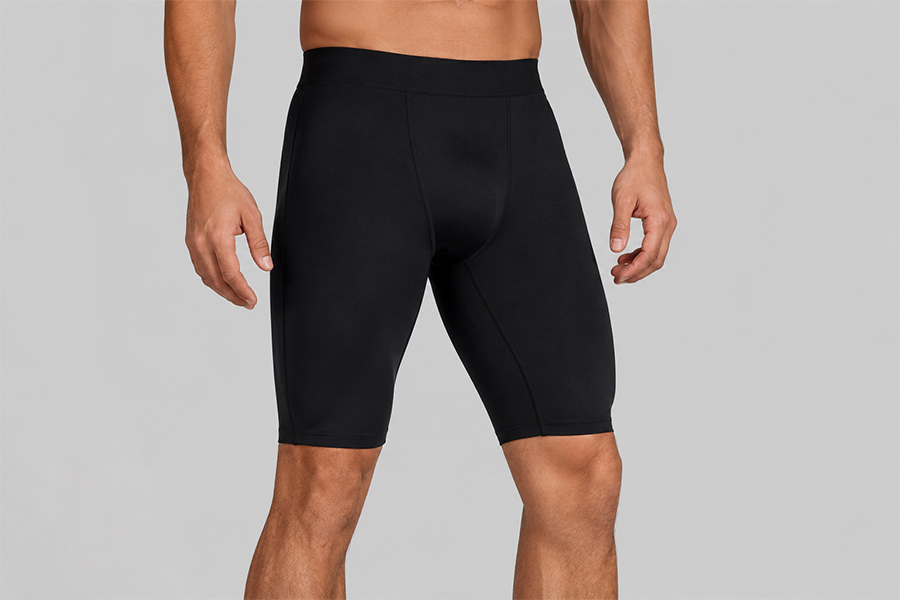
Compare 5 inch, 7 inch, and longer inseams based on coverage, mobility, leg opening, running stride, squat comfort, and market positioning.
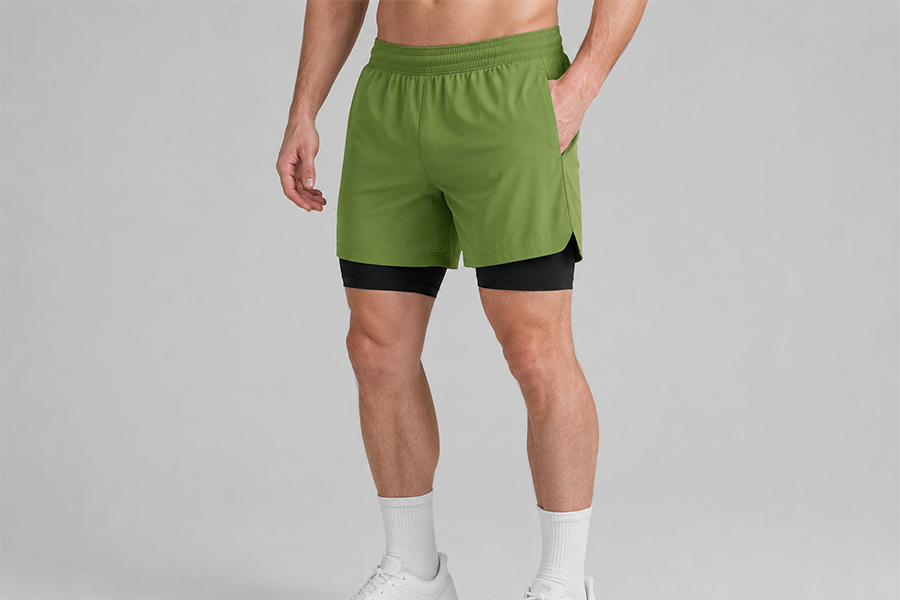
Decide between linerless, built-in brief liner, or compression liner structures by reviewing support, coverage, anti-chafe comfort, and liner length.
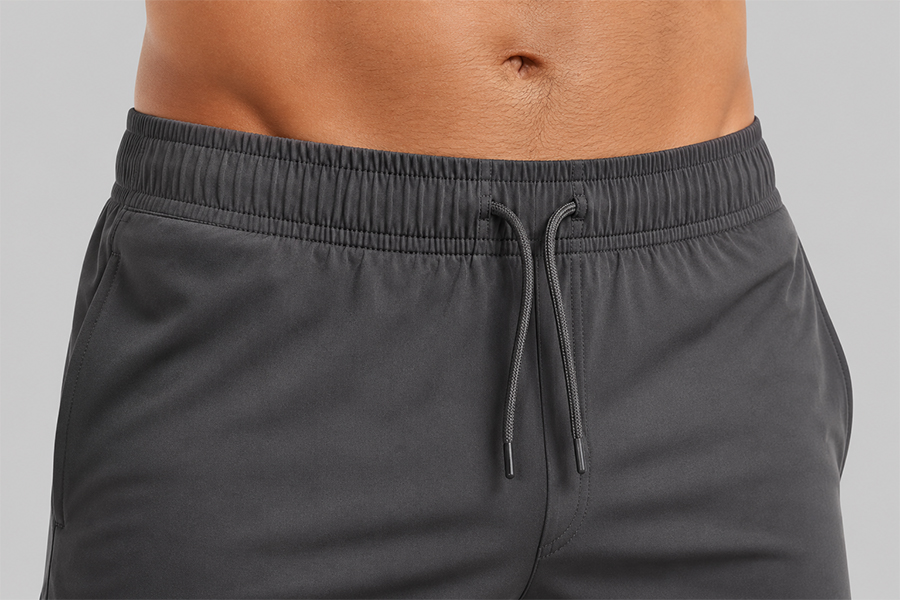
Review waistband width, elastic tension, drawcord style, rolling risk, pressure balance, and size consistency before sample approval.
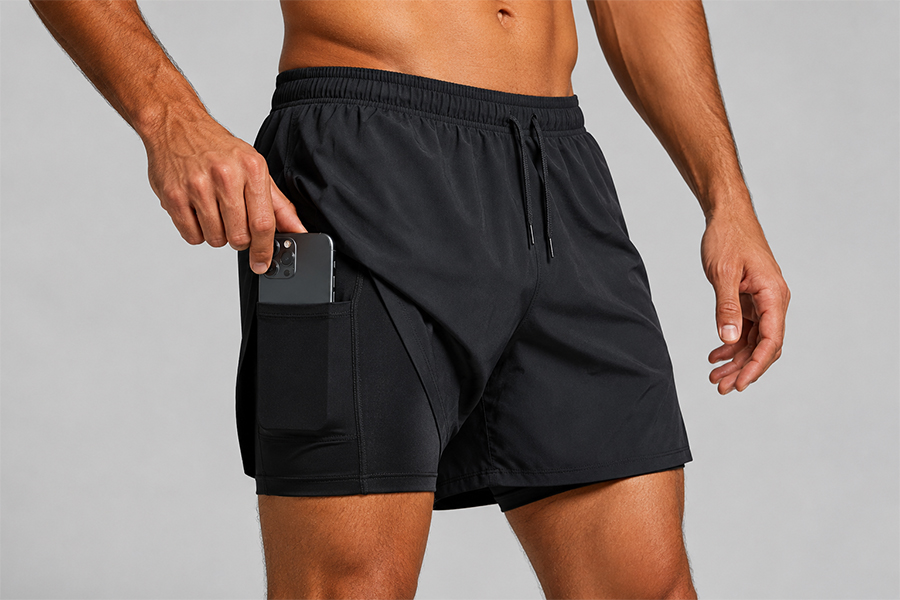
Plan phone pockets, zip pockets, back pockets, or liner pockets with depth, opening angle, storage security, bounce control, and placement review.
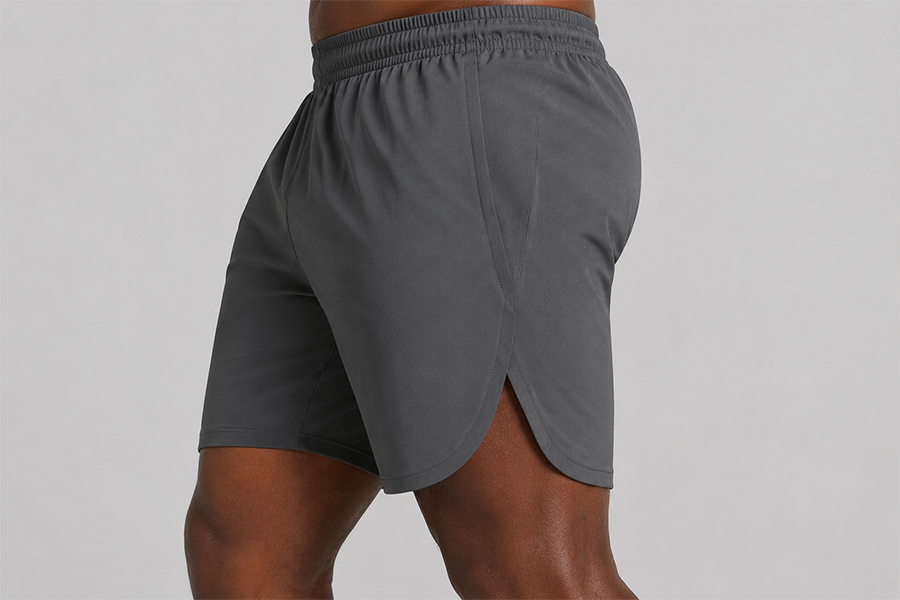
Check straight hem, curved hem, split hem, bonded hem, and seam finishing for mobility, leg opening balance, durability, and visual style.
Align logo placement, heat transfer, woven labels, drawcord tips, zippers, reflective details, hangtags, and packaging with private label positioning.
Lock fabric approval, measurements, waistband tension, liner fit, pocket position, trims, PPS standards, and QC checkpoints before bulk production.
| Use Scenario | Recommended Shorts Direction | Development Focus | Sample Review Points |
|---|---|---|---|
| Gym Training | 7 inch training shorts, linerless shorts, or built-in brief liner shorts. | Balance mobility, coverage, waistband stability, pocket function, and daily training comfort. | Review squat movement, waistband rolling, leg opening, pocket bounce, and fabric recovery after repeated stretch. |
| Running | Lightweight running shorts, 5 inch shorts, split hem shorts, or quick dry woven shorts. | Prioritize lightweight fabric, airflow, drying speed, stride freedom, and secure but low-bulk storage. | Check inner-thigh friction, shell fabric weight, drawcord security, phone pocket bounce, and hem movement during running. |
| HIIT and Cross Training | 4-way stretch training shorts or compression liner shorts with anti-chafe structure. | Support high-movement training, jumping, lunges, squats, and fast direction changes. | Review liner ride-up, waistband pressure, crotch/gusset comfort, split opening, and whether the fabric feels restrictive. |
| Lifting and Bodybuilding | 5 inch gym shorts, muscle-fit training shorts, or compression liner shorts. | Emphasize leg visibility, stable waistband, squat depth, stretch recovery, and a strong gym-focused fit. | Check inseam length, thigh opening, waistband grip, fabric opacity, and whether the short shape supports lifting posture. |
| Hybrid Training | 7 inch quick dry shorts, linerless hybrid shorts, or training shorts with zip pocket. | Create a shorts direction that works for gym training, light running, recovery, travel, and casual activewear use. | Review fabric handfeel, pocket security, color direction, hem shape, and whether the style looks too technical or too casual. |
| Warm-Weather Training | Lightweight woven shorts, breathable liner shorts, or quick dry running shorts. | Focus on airflow, low fabric weight, sweat comfort, fast drying, and reduced bulk around waistband and liner. | Check transparency, sweat marks, liner breathability, elastic comfort, and fabric cling after heavy training. |
| Gym-to-Street Activewear | Minimal solid color shorts, linerless shorts, or clean training shorts with functional pockets. | Balance performance fabric with a clean appearance suitable for training, commuting, recovery, and daily wear. | Review pocket shape, logo placement, fabric surface, waistband appearance, and whether the style matches capsule collection planning. |
| Private Label Collection Planning | A coordinated shorts system including 5 inch, 7 inch, lined, linerless, and compression liner options. | Build product roles across training, running, gym basics, and premium performance shorts instead of developing random styles. | Confirm fabric consistency, color plan, trim direction, MOQ structure, logo method, and sample-to-bulk standards before production. |
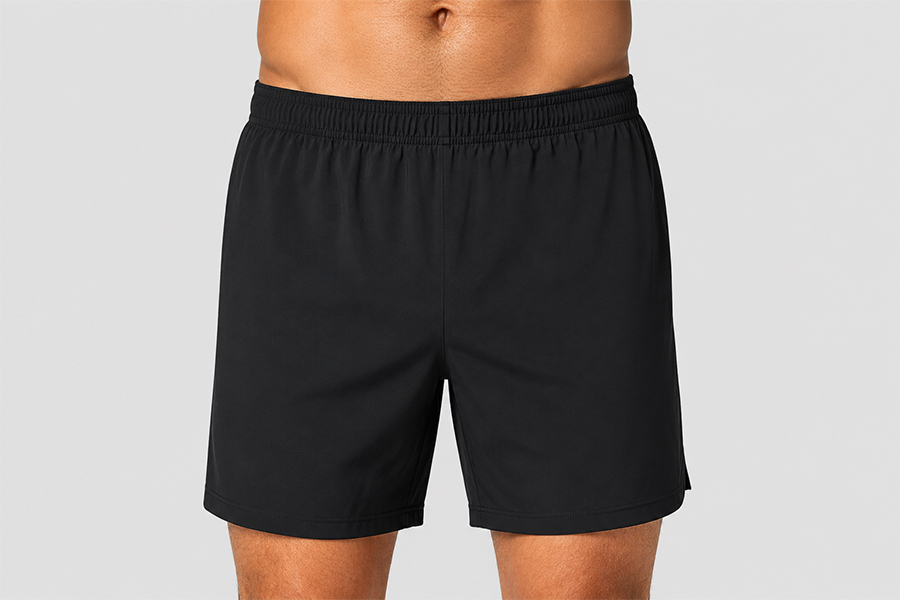
For brands that need lightweight gym shorts with clean inside finishing, less bulk, faster drying, and unrestricted leg movement.
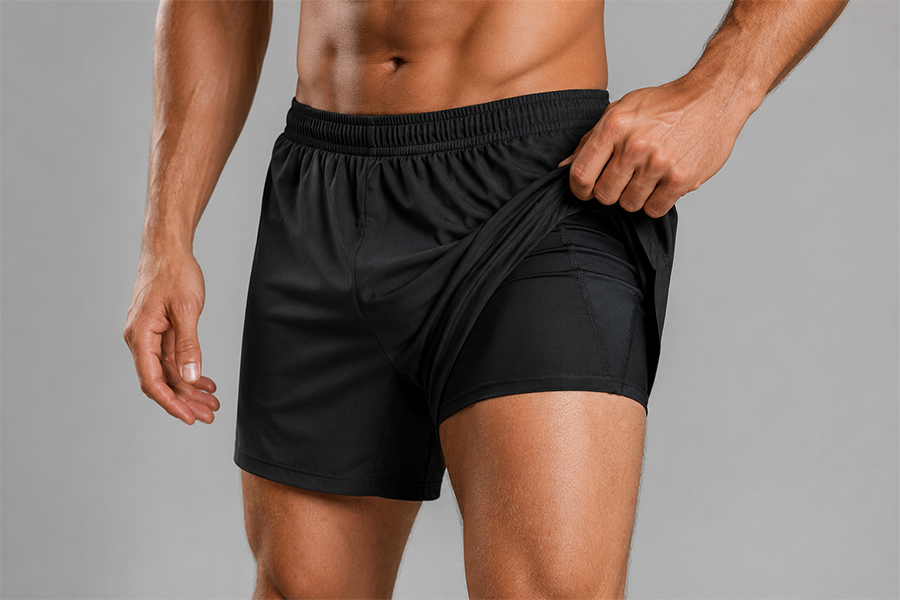
Built-in brief liner shorts need support, coverage, soft edge finishing, and anti-chafe review during sample fitting.
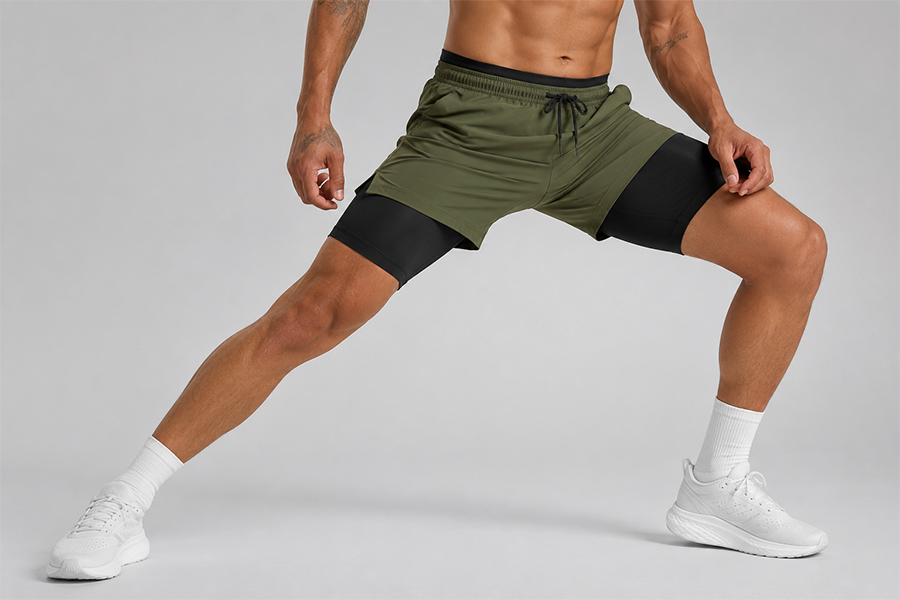
2-in-1 shorts require liner length, fabric recovery, waistband connection, seam placement, and phone pocket stability checks.
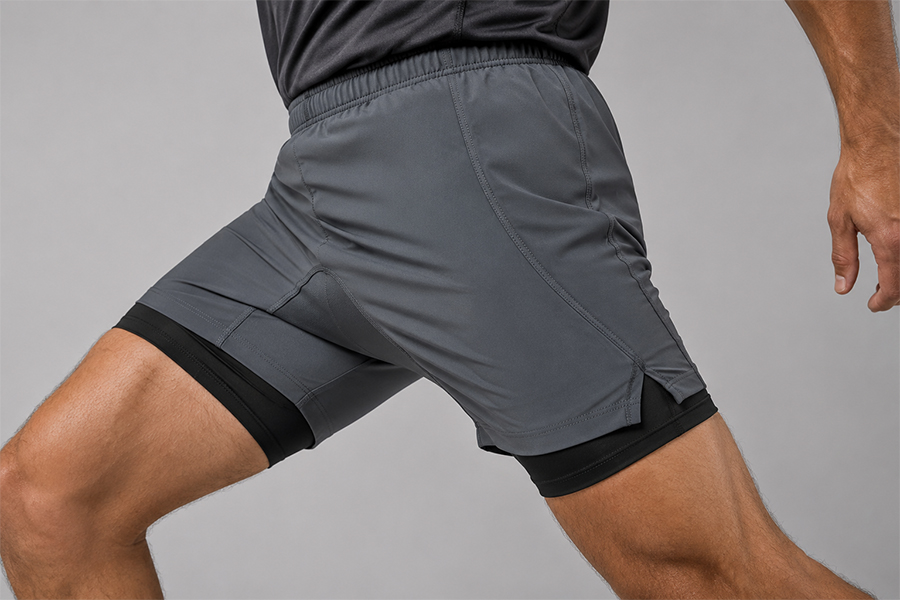
Liner seams, gusset position, inner-thigh contact, and stitch softness should be checked before confirming sample approval.
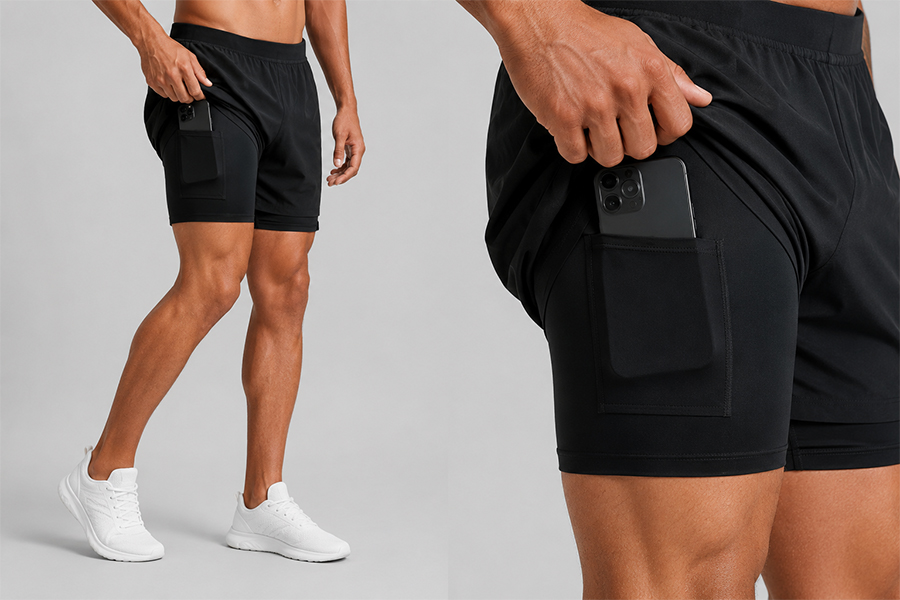
Phone pocket depth, opening angle, liner tension, and bounce control affect whether the pocket works during running or training.
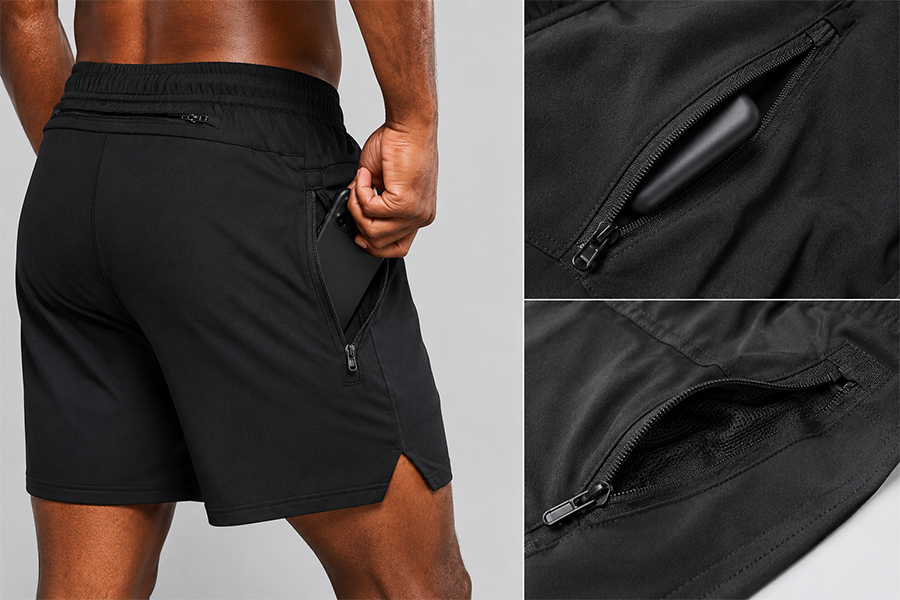
Zip pockets need correct placement, zipper type, pocket bag depth, seam strength, and storage function for active movement.
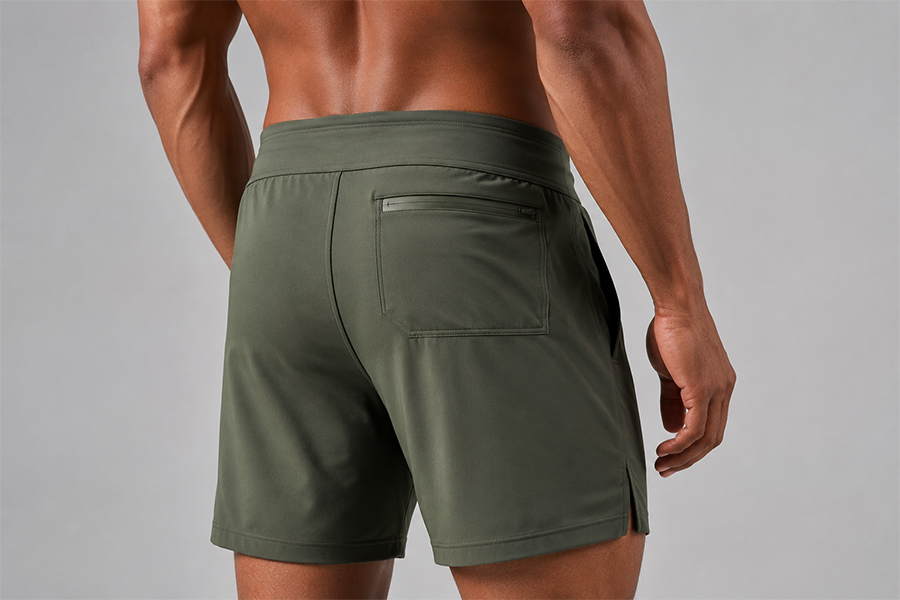
Back pockets should be reviewed for storage purpose, body contact, opening security, visual balance, and bulk around the waistband.
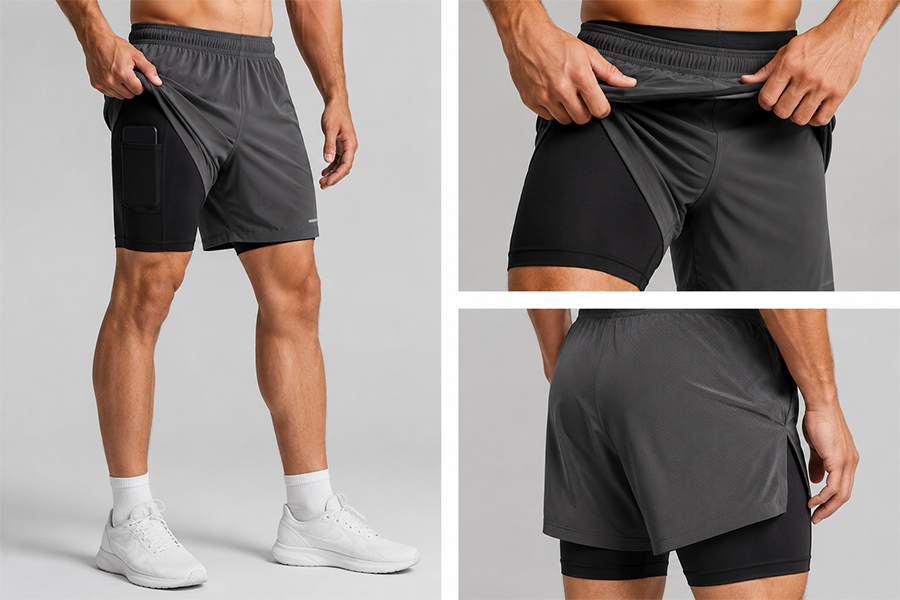
Compression liner pockets can improve storage, but pocket position and liner recovery must prevent pulling, sagging, or discomfort.
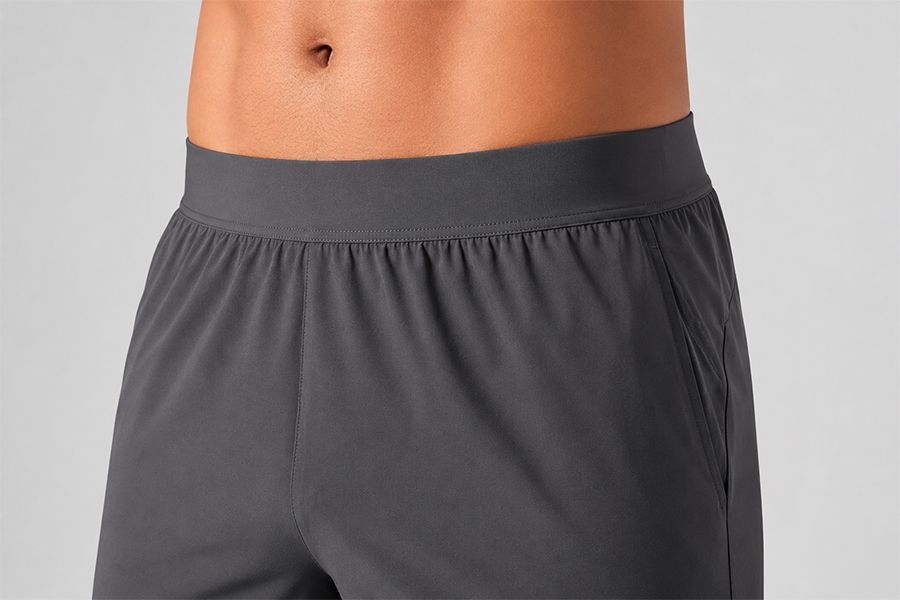
Waistband width affects pressure, stability, size grading, comfort, and how the shorts sit during squats, running, and daily wear.
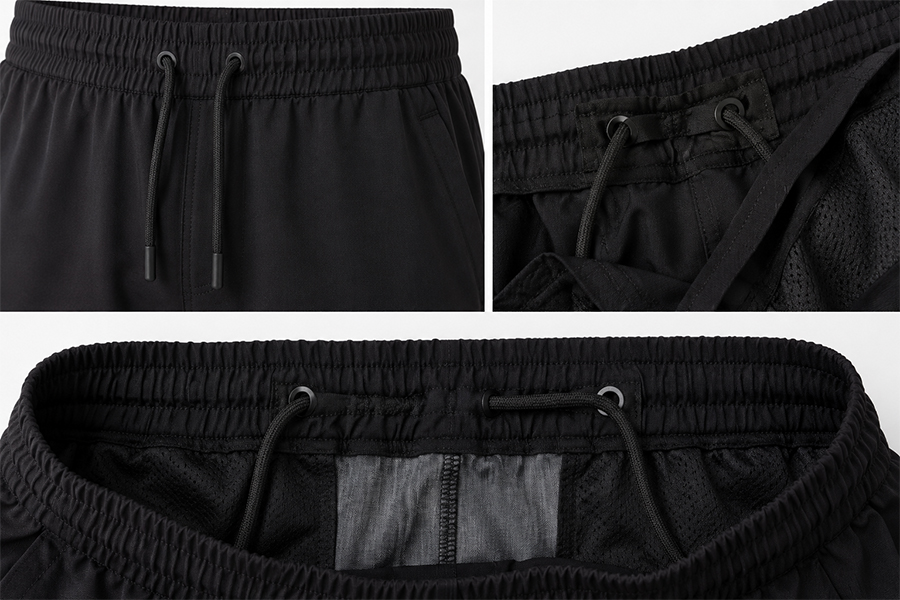
Internal or external drawcords, tips, eyelets, and channel construction should match the target price, look, and training use.
Elastic fixing, stitching method, tension balance, and waistband height help reduce twisting and rolling after repeated wear.
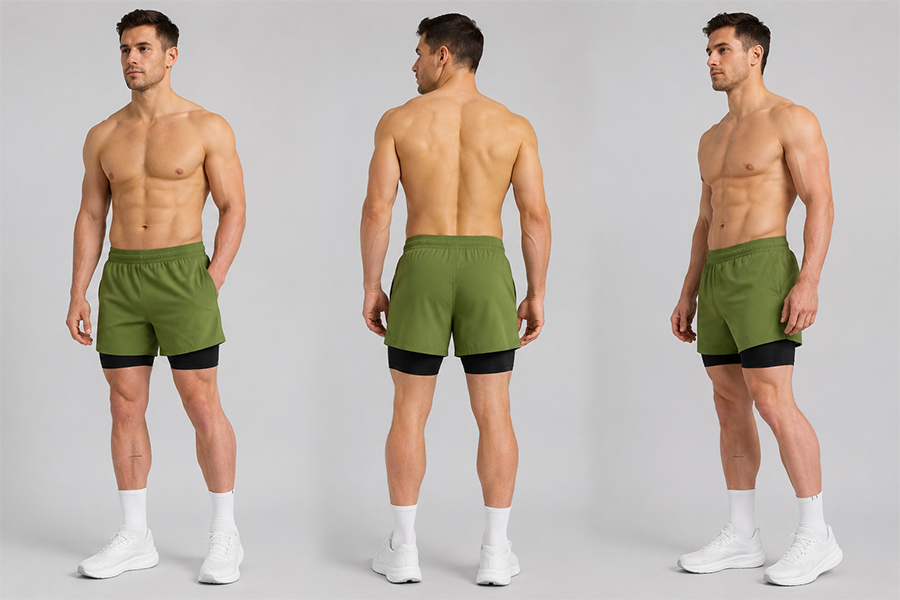
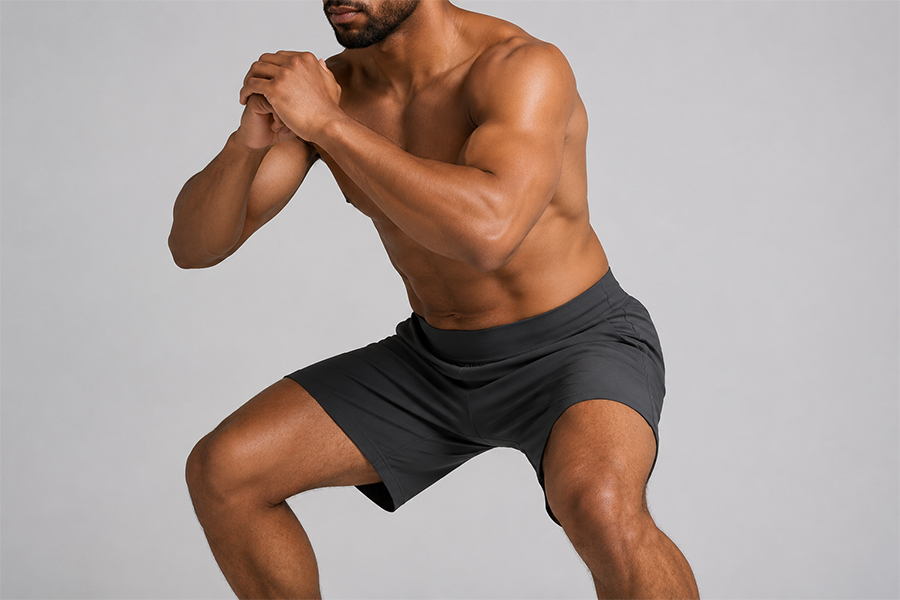
Waistband, rise, thigh opening, liner fit, and inseam should remain balanced across size ranges before bulk production.
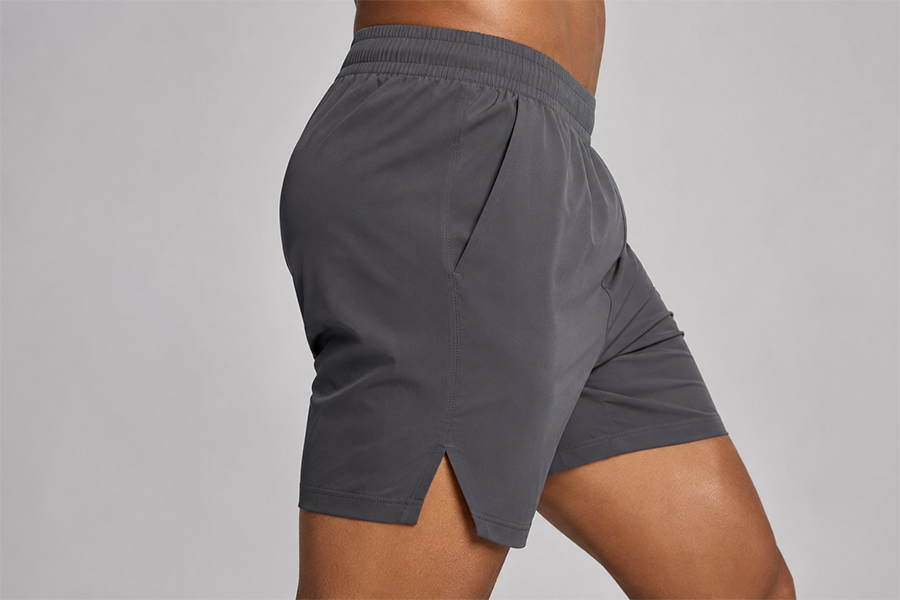
Split hem shorts improve stride and leg mobility, but split depth, seam strength, and finishing must match the activity level.
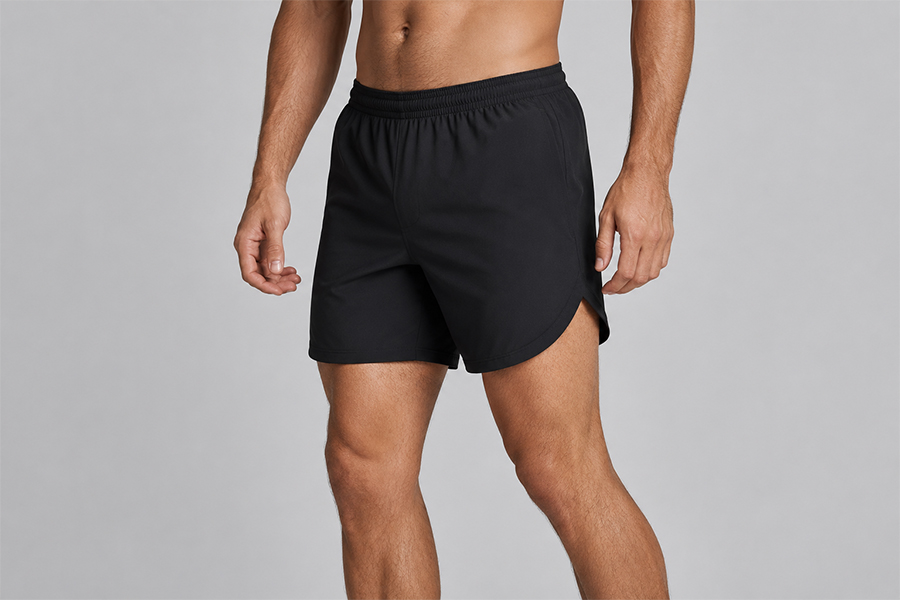
Curved hems can improve appearance and movement, but front-back length, side shape, and sewing consistency need sample review.
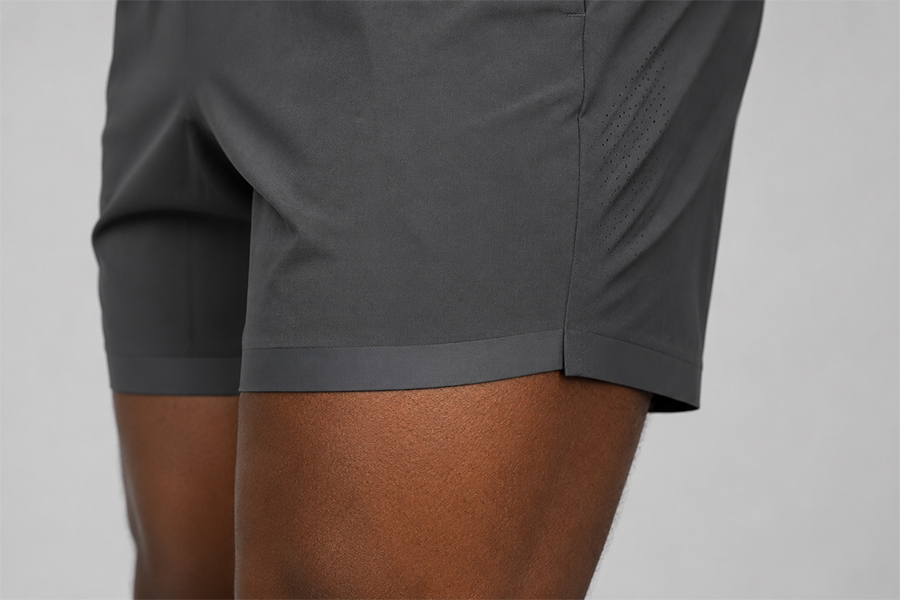
Bonded hems can create a clean technical look, but fabric compatibility, wash durability, and production control must be confirmed.
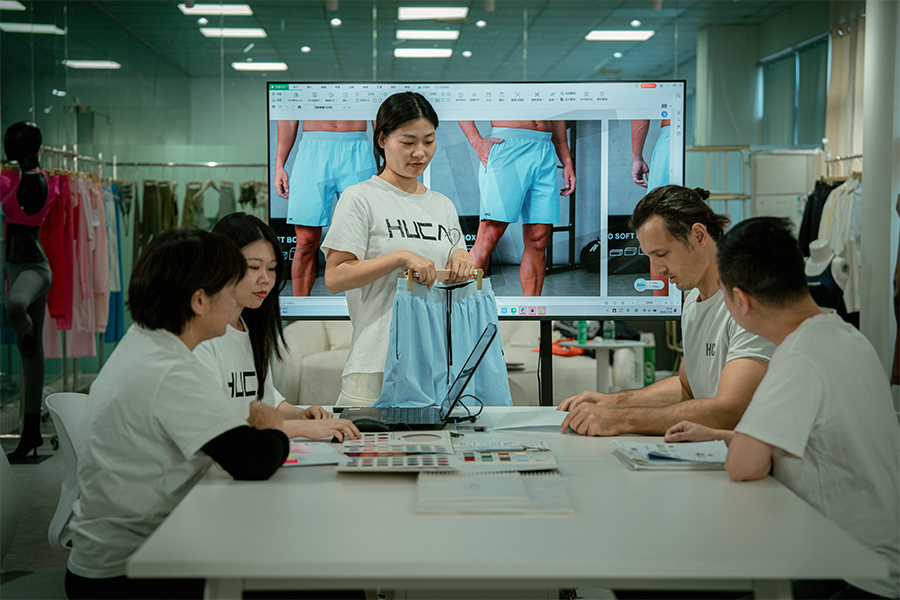
Stitch density, bartack position, seam allowance, pocket alignment, liner attachment, and QC checkpoints should be locked before bulk.
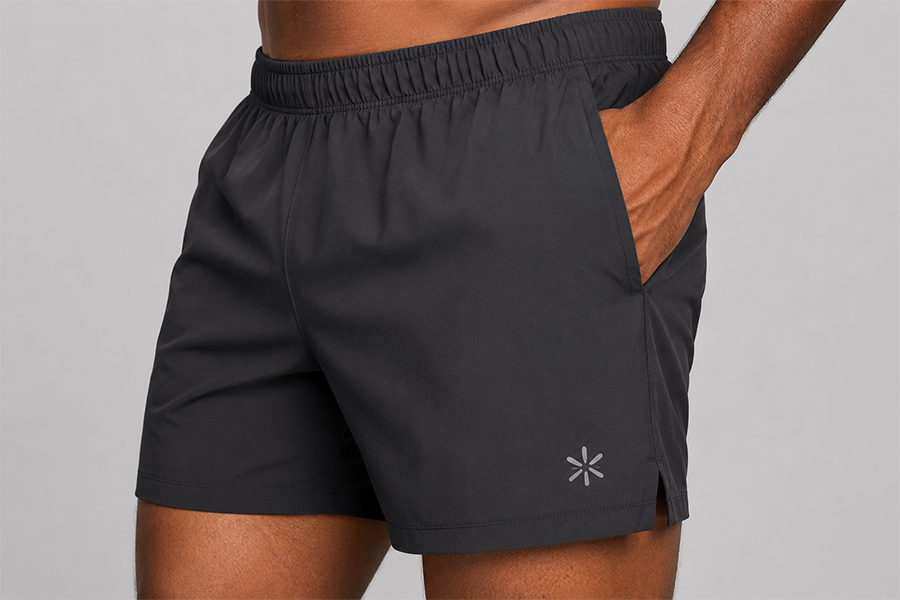
Clean logo application for lightweight gym shorts, with placement, size, stretch compatibility, and wash durability reviewed before sampling.
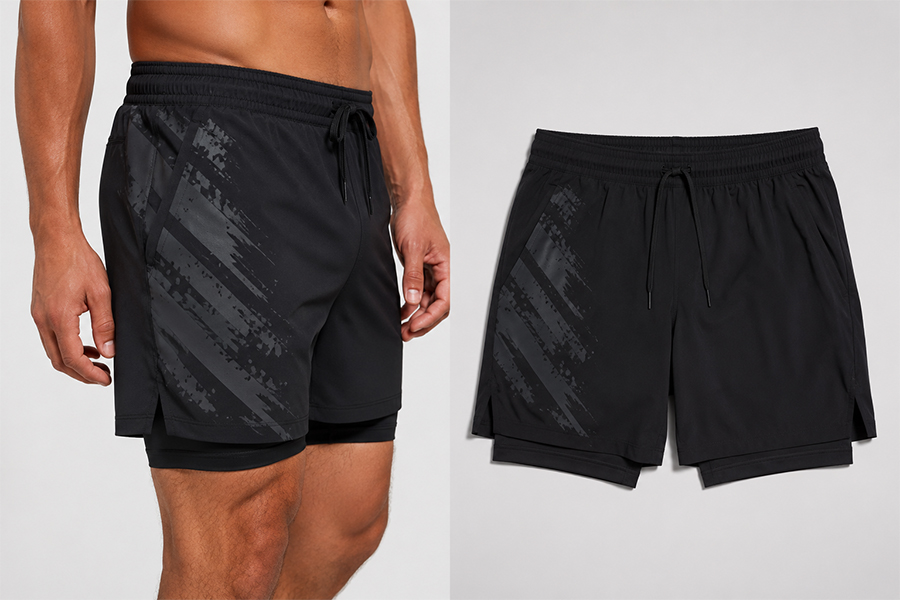
Suitable for printed workout shorts and larger graphic areas, with pattern scale, color contrast, ink handfeel, and fabric surface checked.
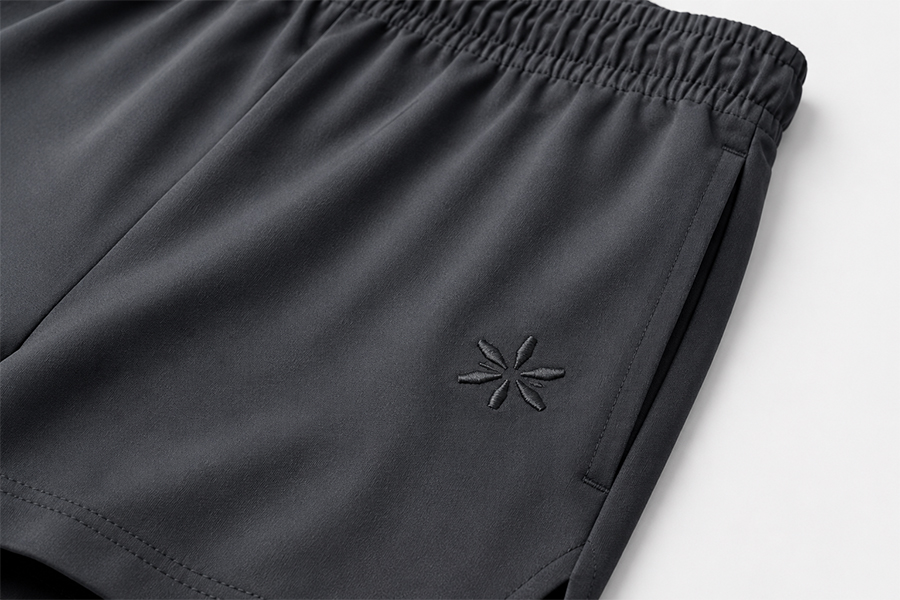
Used for premium logo details, but stitch density, fabric weight, backing, and placement must be controlled to avoid puckering or stiffness.
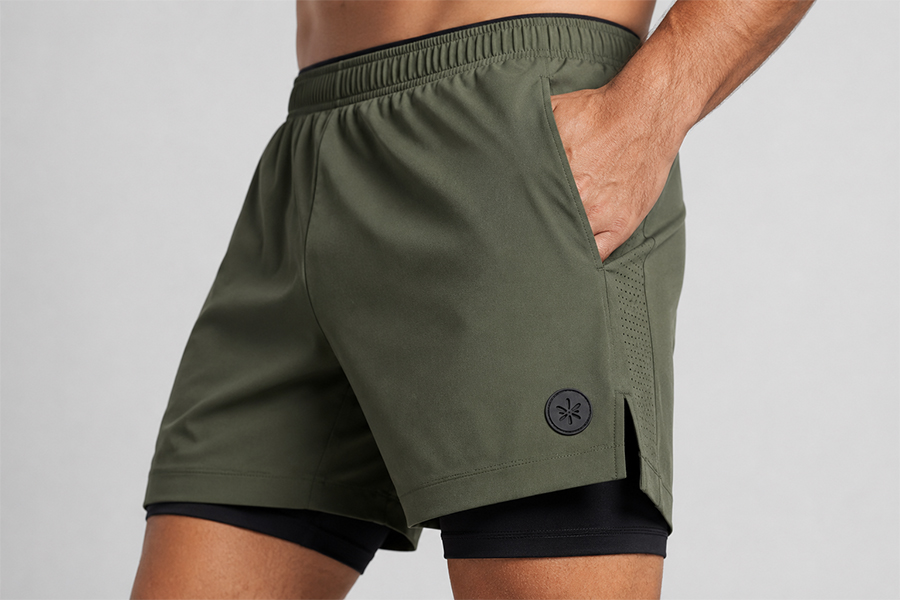
Patch branding can create a stronger private label look, but weight, edge finishing, sewing method, and active movement comfort need review.
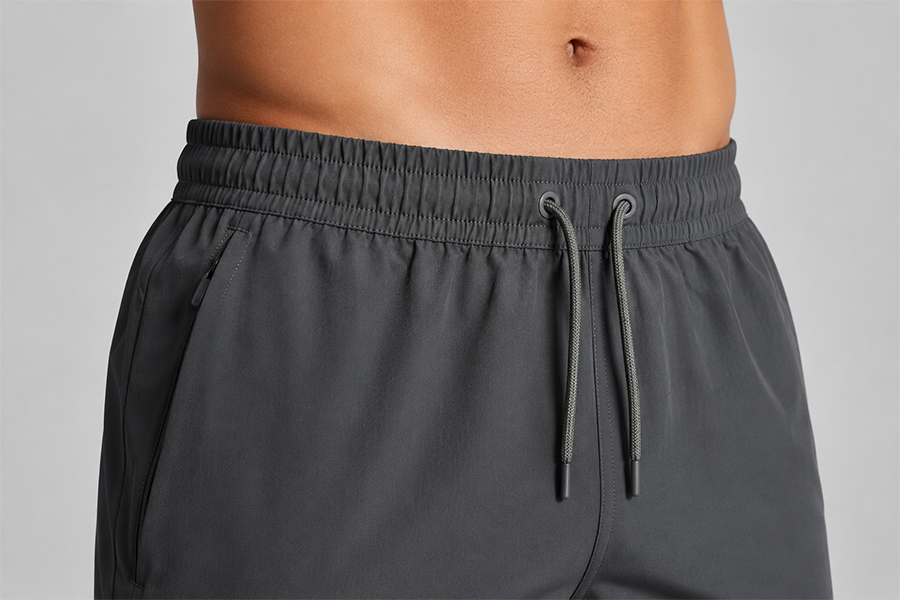
Drawcord color, thickness, tip style, internal or external placement, and waistband channel design should match the target collection level.
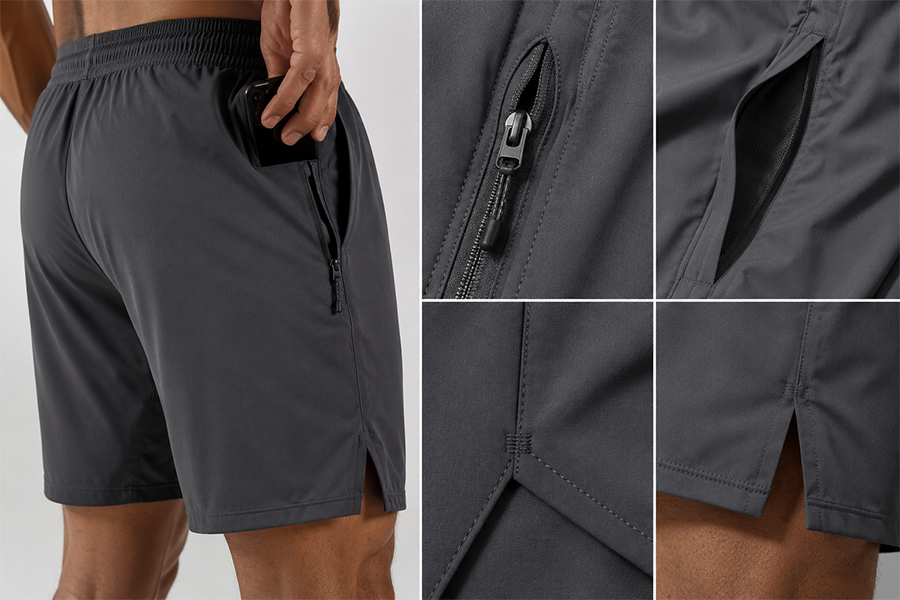
Zip pocket trims, zipper pullers, pocket bags, bartack points, and secure storage details can be customized for training or travel use.
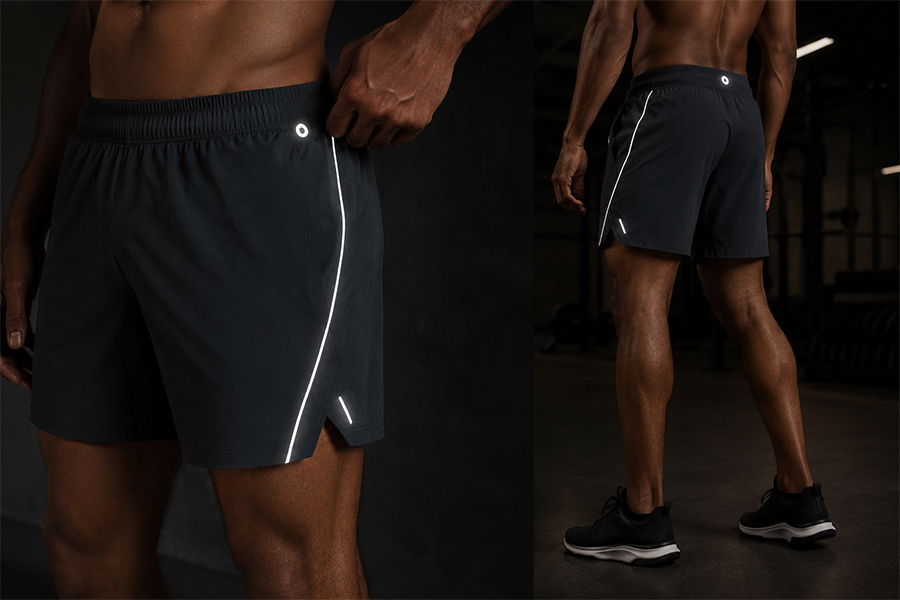
Reflective logo, piping, or small trims can support running shorts development, but placement should not affect stretch, seams, or comfort.
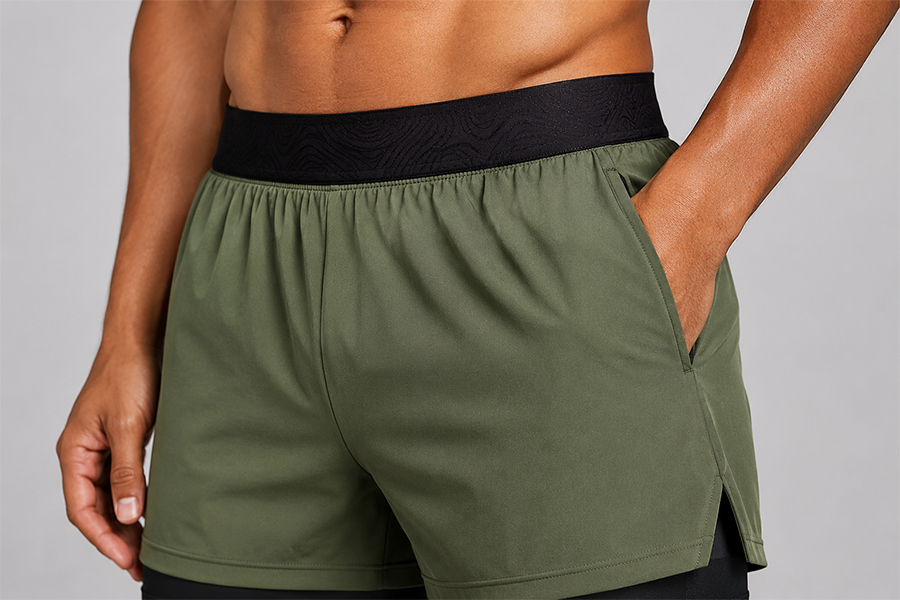
Jacquard elastic, printed waistband, or inner waistband branding should be reviewed for tension, size grading, comfort, and brand visibility.
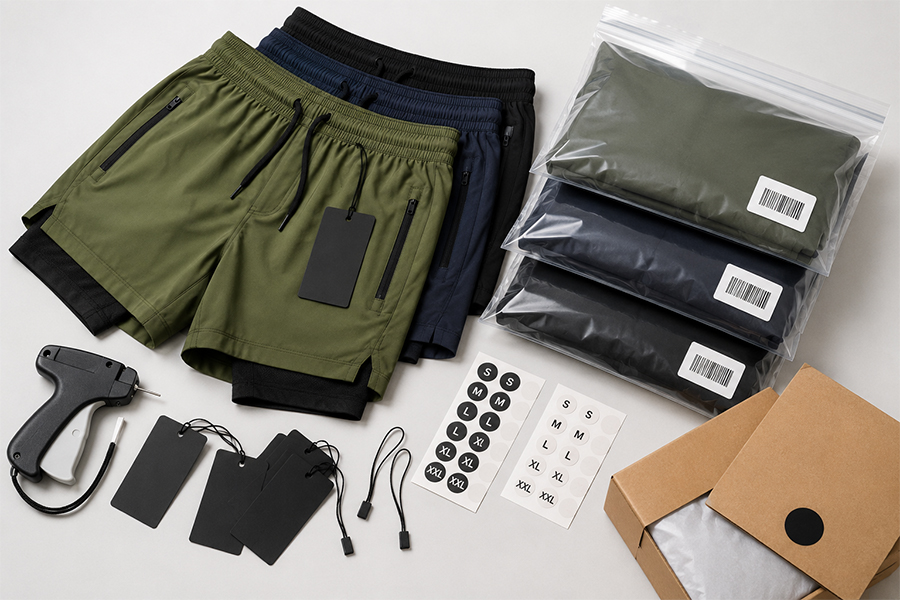
Main labels, size labels, care labels, and origin labels should be planned together so bulk production and private label compliance stay clear.
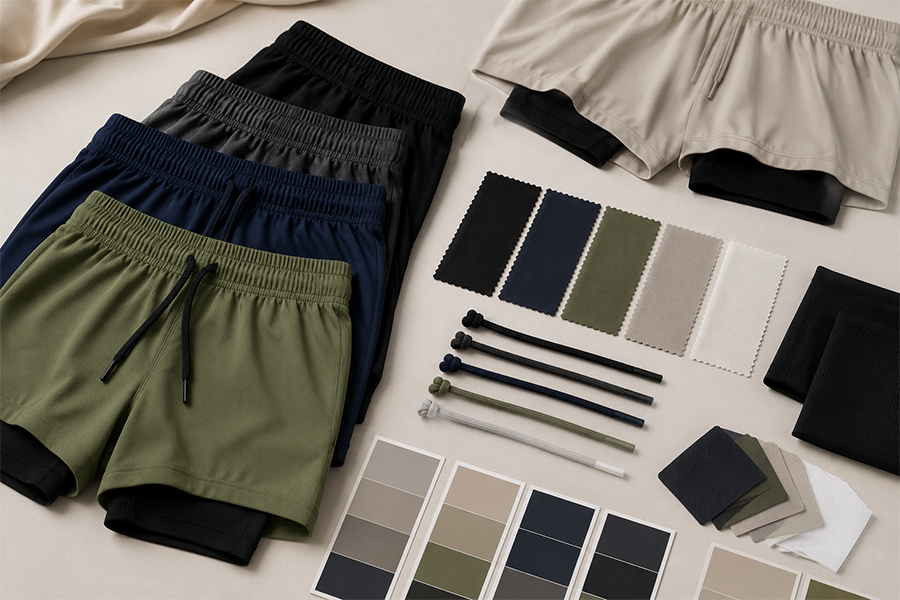
Hangtags, polybags, barcode stickers, size stickers, and packaging direction can be aligned with wholesale, DTC, or distributor requirements.
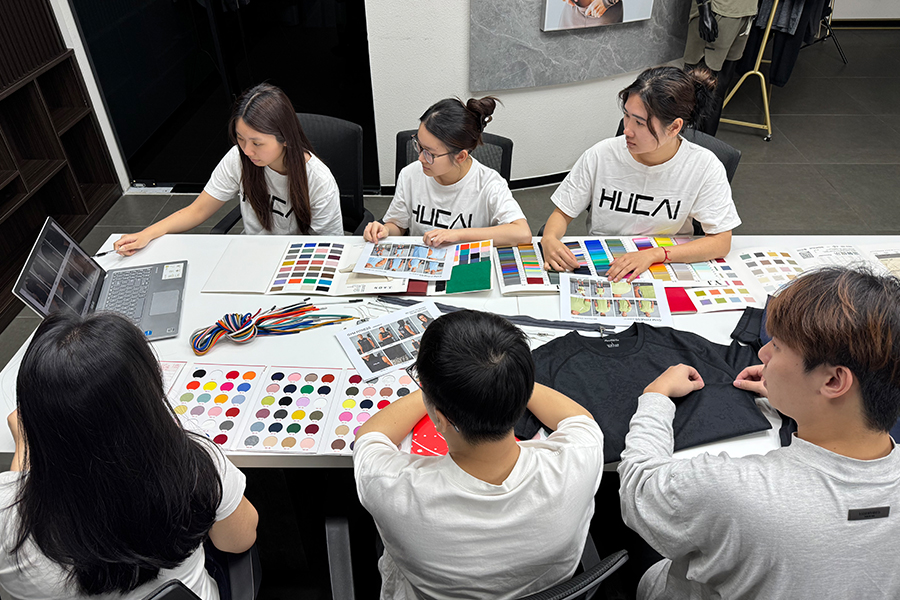
Solid colors, contrast liners, drawcord colors, print colors, and seasonal palettes should be reviewed with fabric availability and MOQ planning.
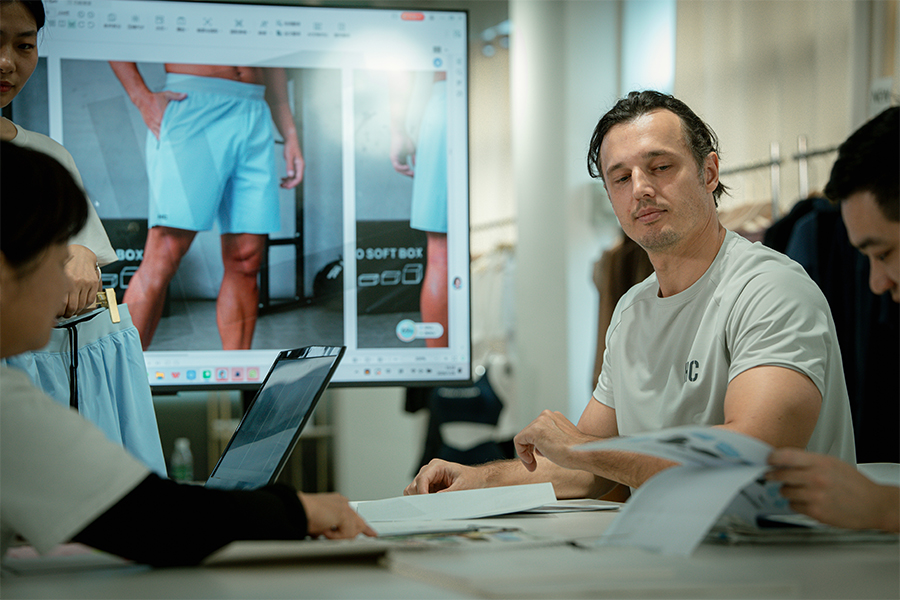
For gym shorts projects, logo, trim, label, packaging, color, measurement, and construction details can be organized before sampling.
| Development Problem | Likely Cause | What We Review | Sample Stage Action |
|---|---|---|---|
| Phone pocket bounces during training | Pocket depth, opening angle, liner tension, or placement does not match active movement. | Phone size, pocket bag depth, side seam position, liner recovery, and running or squat movement. | Adjust pocket depth, opening angle, pocket position, or liner tension before sample approval. |
| Liner rides up during workouts | Liner length, fabric recovery, leg opening, seam position, or compression level is not balanced. | Liner inseam, thigh opening, fabric stretch, gusset position, inner seam softness, and anti-chafe comfort. | Revise liner length, fabric direction, leg opening, or seam placement before moving to bulk. |
| Waistband twists after wearing | Elastic width, stitching method, tension balance, or waistband channel construction is not stable enough. | Elastic fixing, waistband height, drawcord channel, size grading, and repeated stretch recovery. | Add waistband fixing stitches, adjust elastic width, or revise waistband construction. |
| Shorts feel restrictive when squatting | Shell fabric stretch, inseam, rise, crotch curve, or hem opening does not support training movement. | 4-way stretch, rise length, crotch curve, side split, leg opening, and squat test feedback. | Revise pattern, increase movement allowance, adjust hem shape, or change stretch fabric direction. |
| Inner-thigh chafing appears during running | Seam placement, liner edge, fabric surface, gusset construction, or stitch bulk creates friction. | Inner seam position, stitch type, liner edge finishing, gusset shape, and fabric handfeel. | Move seam position, soften stitch construction, adjust gusset, or change liner finishing. |
| Shorts look too thin or transparent | Fabric GSM, opacity, color, stretch direction, or liner coverage is not suitable for the use scenario. | Fabric weight, opacity under stretch, dark and light color performance, liner coverage, and sweat visibility. | Review alternative fabric, adjust GSM, change color direction, or improve liner coverage. |
| Quick-dry fabric feels too stiff | Woven fabric finish, coating, yarn structure, or stretch balance does not match the target handfeel. | Fabric handfeel, airflow, drying speed, stretch recovery, surface texture, and bulk fabric consistency. | Compare fabric options before sampling and confirm approved handfeel for bulk production. |
| Split hem opens too much during movement | Split depth, side seam angle, fabric drape, or leg opening is not balanced with the inseam length. | Split depth, hem curve, side seam strength, running stride, squat movement, and visual coverage. | Reduce split depth, revise hem curve, reinforce side seam, or adjust inseam length. |
| Zip pocket feels bulky | Zipper type, pocket bag material, seam allowance, or placement creates too much thickness. | Zipper size, zipper puller, pocket bag fabric, seam allowance, body contact, and storage function. | Change zipper type, reduce pocket bulk, adjust pocket position, or simplify storage structure. |
| Drawcord does not hold well | Drawcord thickness, channel size, eyelet position, or waistband tension is not matched. | Drawcord material, tip style, internal or external placement, channel width, and knot security. | Revise drawcord diameter, channel construction, eyelet position, or waistband tension. |
| Bulk fit differs from approved sample | Fabric lot, cutting tolerance, waistband tension, liner attachment, or measurement control changed during production. | Approved sample, PPS, bulk fabric, measurement spec, waistband tension, liner fit, and QC checkpoints. | Lock PPS standard, confirm measurement tolerance, review bulk fabric, and add production QC checkpoints. |
| Logo cracks or peels after stretch | Logo method, heat pressure, placement area, fabric stretch, or washing condition is not compatible. | Heat transfer method, logo size, stretch zone, fabric surface, washing direction, and placement position. | Test logo on the actual fabric and adjust logo method, size, or placement before bulk decoration. |
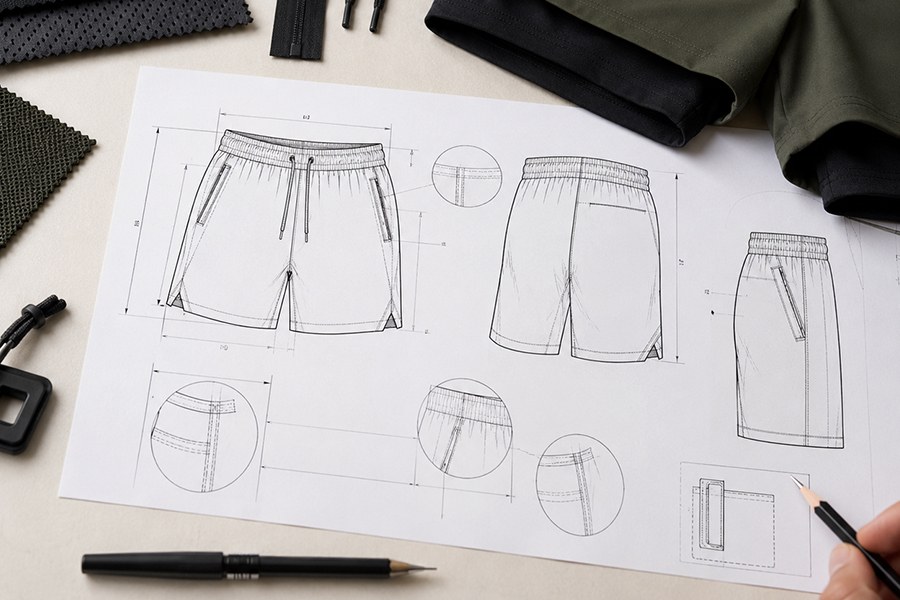
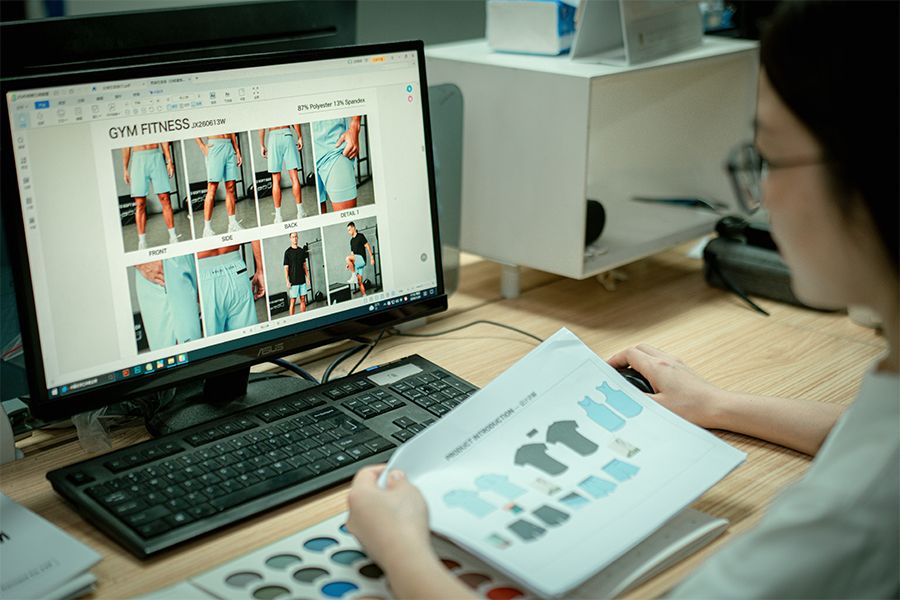
Send your tech pack with measurements, fabric direction, inseam, liner structure, pocket details, logo placement, trims, and packaging requirements for OEM gym shorts production.
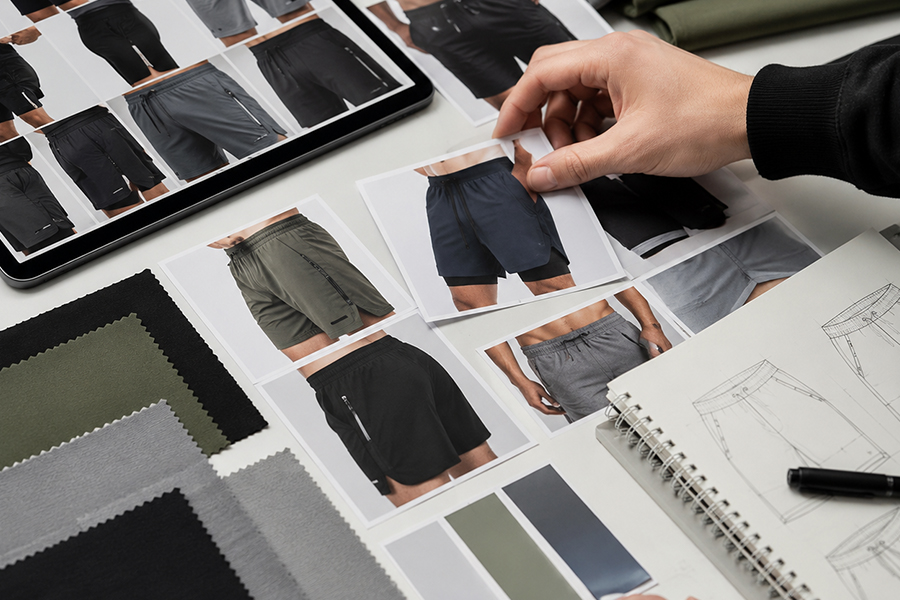
Share reference images if your brand does not have a complete tech pack. We can help translate style direction into fabric, fit, liner, waistband, pocket, and sample details for ODM development.
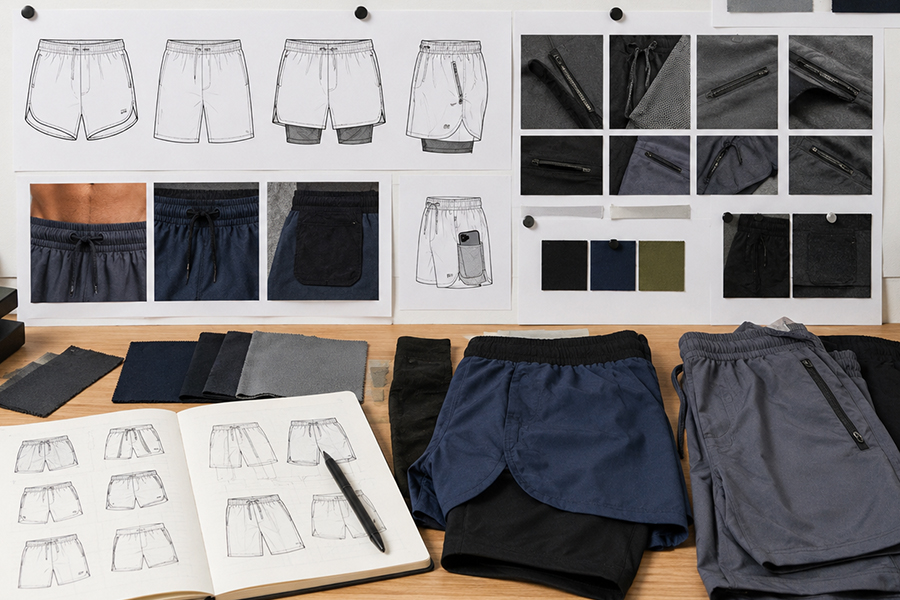
Start with a product idea such as 5 inch running shorts, 7 inch training shorts, compression liner shorts, phone pocket shorts, or gym-to-street shorts, then confirm the development direction before sampling.
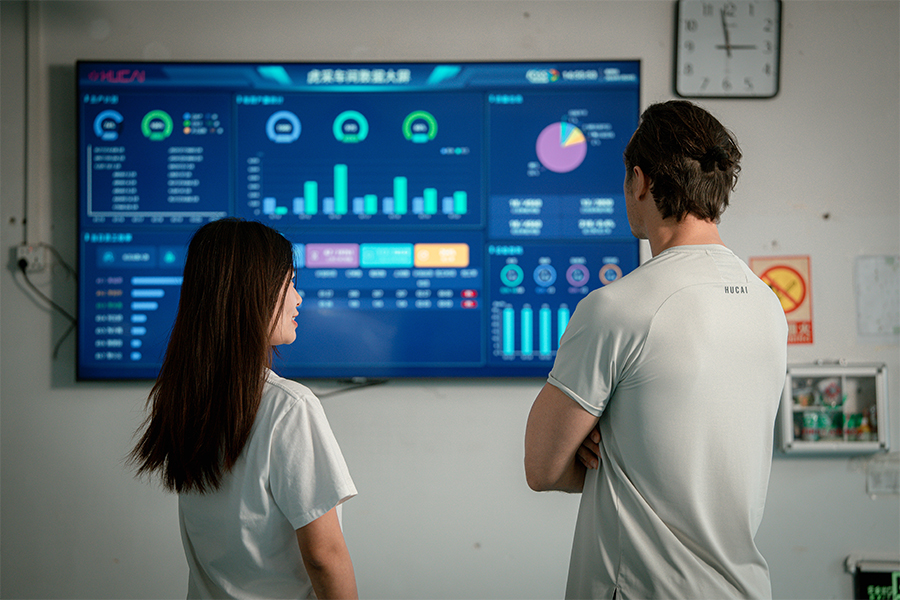
After sample development, review fit, movement, waistband stability, liner comfort, fabric shrinkage, logo method, size grading, PPS standards, and QC checkpoints before bulk production.
MOQ and quotation depend on fabric availability, color customization, liner structure, pocket complexity, zipper or drawcord selection, logo method, packaging, size range, sample requirements, and order quantity. A simple linerless training short is usually easier to quote than a multi-detail style with compression liner, phone pocket, rear zip pocket, custom waistband, and multiple branding methods. Before requesting a quote, prepare the shorts type, fabric direction, inseam, liner preference, pocket needs, logo method, size range, and estimated order structure.
Brands should review fit, inseam, liner comfort, waistband pressure, pocket position, fabric stretch, fabric recovery, anti-chafe seams, logo placement, and movement performance. A training shorts sample should be tested through squats, lunges, running, sitting, stretching, and phone pocket use if storage is part of the design. Clear sample feedback should identify the exact issue, such as liner ride-up, pocket bounce, waistband rolling, tight leg opening, or fabric that does not recover well after movement.
Fabric, waistband, and pocket choices directly affect comfort, movement, storage, and bulk consistency. Quick-dry woven or stretch fabrics can support gym training, running, and warm-weather activewear, but the fabric still needs enough recovery and durability for repeated movement. Waistbands should balance support and comfort without rolling or digging in. Pocket placement should be reviewed for bounce, access, phone storage, zipper use, and whether the shorts are built for training, running, or gym-to-street wear.
Brands should confirm inseam length, leg opening, side split, liner length, and how the shorts should fit during squats, running, lifting, and daily movement. A shorter inseam may work better for running or high-mobility training, while a mid-length inseam is often easier for gym and hybrid activewear use. The inseam should also match the brand's target market, styling direction, pocket layout, and whether the product is designed as a standalone short or part of a training capsule.
Brands should choose the liner structure based on product role, movement scenario, coverage needs, and target customer preference. Lined shorts can add support and reduce friction during training or running. Linerless shorts may feel lighter and easier for all-day activewear. Compression-liner shorts can support coverage, phone storage, and anti-chafe comfort, but they require careful review of liner length, fabric recovery, seam placement, and waistband pressure during sampling.
This collection is best for men's activewear brands developing gym shorts, running shorts, lined shorts, linerless shorts, or compression-liner training shorts. It works well for private label buyers who need more than a basic shorts style and want to review inseam, fabric, waistband, pocket, liner, anti-chafe, and branding details before sampling. Established brands with tech packs can use an OEM path, while growing brands with reference images or product direction may need ODM support first.
Share your tech pack, reference images, fabric target, liner preference, inseam direction, pocket requirements, logo details, MOQ questions, or sample needs. HUCAI activewear will review your training shorts project and suggest the next development step based on whether you need OEM production, ODM development support, or early sample planning.