What Level of Performance Is "Enough" for Activewear Brands?
Most Performance Features Are Invisible to Customers
In men's sportswear industry, users' wearing experience in the gym exercise is the most vital factor which decides the sales volume.
But nowadays, some sportswear brands are pursuing the so-called "high-performance" sportswear crazily, didn't realize perhaps the investment in fabric research and development is not proportional to customers experience, resulting in a waste of time as well as funds.
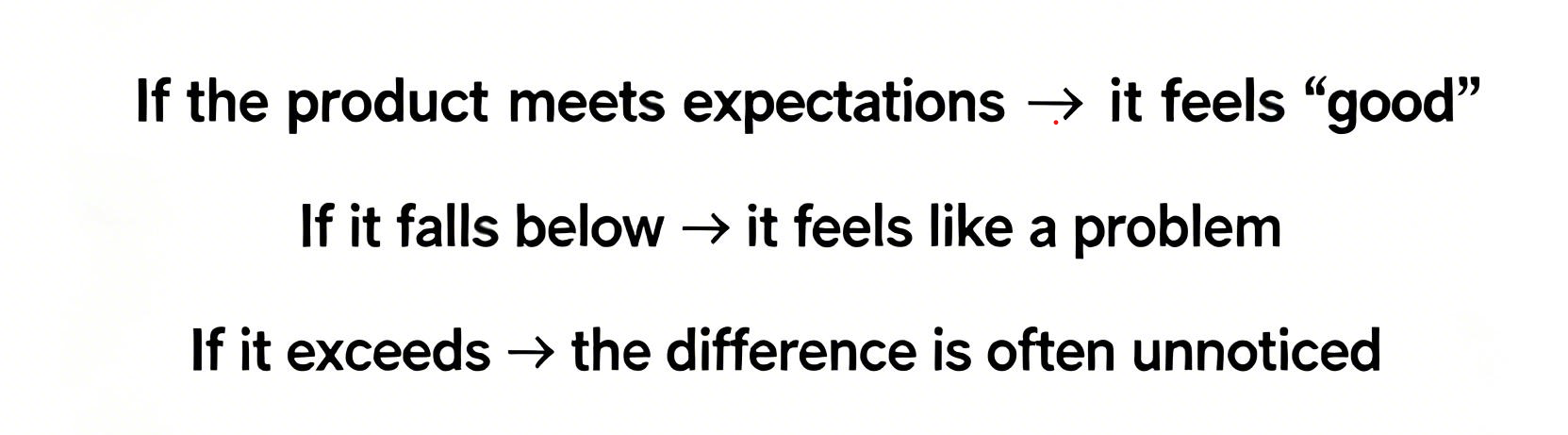
Remember! The truth is: In real use, hardly can customers physically feel the 5-10% elevation in moisture management or stretch.They only notice the discomfort during workouts.
Today, we are going to find the "enough point" within "too much" and "problems".
What Is the "Enough Performance" sportswear
At the fabric level, it means reaching the point where comfort, stretch, and breathability meet real usage needs—whether for yoga or training—without chasing marginal performance gains that add little user value.
From a pricing perspective, "enough" means investing in what customers can truly feel, while keeping costs aligned with market expectations and allowing room for sustainable margins.
When Higher Fabric Cost No Longer Improves Product Value
From a commercial standpoint, enough performance means allocating cost where it directly influences user experience, while keeping the overall product within a viable pricing structure. In practice, for mid-to-premium activewear, fabric and trim costs typically account for around 25–35% of the target retail price (or roughly 40–60% of FOB cost). Within this range, increasing fabric cost beyond a certain point often results in diminishing returns, as most consumers cannot clearly perceive marginal improvements in performance.
For example, upgrading to a higher-cost fabric that increases material cost by 15–20% may only deliver a minimal perceived improvement in comfort or moisture management, while significantly compressing brand margins or pushing retail pricing beyond acceptable thresholds. As a result, enough performance requires prioritizing attributes that are directly felt—such as hand feel, recovery stability, and durability—while avoiding over-investment in technical enhancements that do not translate into clear user value.
Performance Is About Reliability, Not Extremes
The most successful activewear products are not those with the highest performance specifications, but those that makes people feel just right, and the price is profitable after the test of time.
For brands, please not to chase maximum performance, but to wisely define what level of performance is sufficient — and ensure it can be consistently achieved in production.
How to contact us
➡️ Contact HUCAI today for your custom outerwear solution and connect with a team committed to premium quality and authenticity.