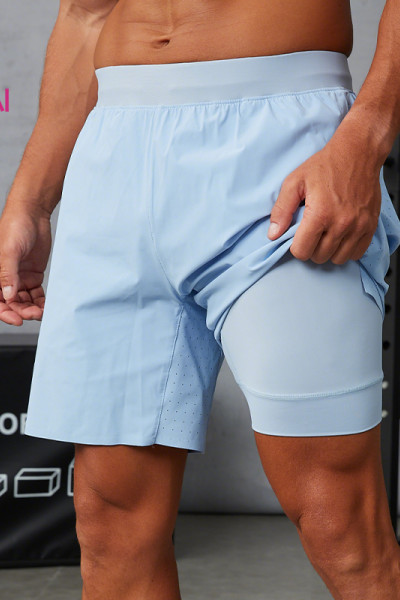
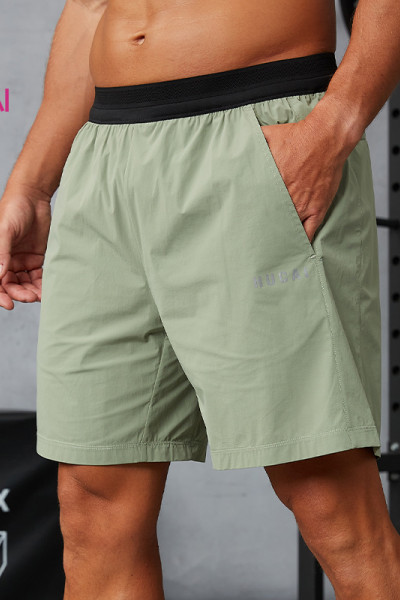
The Rise of Low-Compression Activewear
For more than a decade, compression has been a central idea in performance apparel. Many sportswear manufacturers built entire product lines around tight-fitting garments designed to support muscles and improve circulation. In men’s activewear, compression tights, base layers, and training tops were widely promoted as tools to enhance athletic performance.
Recently, however, the direction of activewear development has started to change. Athletes and brands are increasingly exploring garments that provide support without restrictive pressure. This shift toward low-compression activewear is influencing both fabric development and sportswear manufacturing strategies.
How Major Activewear Brands Are Changing Their Approach
Several leading brands have gradually moved away from emphasizing maximum compression in men’s activewear collections.
Under Armour built much of its early reputation on the HeatGear compression system, which promoted muscle support through tight, body-mapped garments. Similarly, 2XU became known for medical-grade compression tights designed to improve circulation and recovery.
However, more recent product strategies from other brands reveal a different direction.
Lululemon, particularly in its men’s License to Train collection, now highlights mobility and unrestricted movement rather than tight compression. The product descriptions emphasize fabrics that are “supportive without restriction,” focusing on stretch comfort rather than pressure.
On Running, which has expanded rapidly in training apparel, has also prioritized freedom of movement in its sportswear design. Its performance garments rely on lightweight knit structures rather than traditional compression paneling.
Meanwhile, Vuori has built its entire men’s activewear identity around comfort-driven performance. Instead of promoting compression benefits, the brand focuses on relaxed training silhouettes and versatile fabrics designed for both training and everyday wear.
Together, these examples show a clear shift: performance apparel is no longer defined solely by compression.
Why Athletes Are Becoming Skeptical of Heavy Compression
Sports science research has begun to question the assumption that stronger compression automatically improves performance. While moderate compression can stabilize muscles and reduce vibration during movement, excessive compression may introduce new limitations.
Some sports physiology studies suggest that high compression levels can restrict natural muscle expansion during intense activity. Athletes performing long training sessions have reported discomfort or reduced mobility when garments apply too much pressure across key muscle groups.
As a result, many athletes now prefer garments that provide structural support without excessive compression. In practice, this means fabrics that move naturally with the body rather than tightly controlling muscle movement.
This shift has helped drive the growing popularity of low-compression activewear in modern sportswear manufacturing.
Why Low-Compression Activewear Is Harder to Engineer
Although low-compression garments feel simpler to wear, they are often more difficult to engineer during activewear production.
High-compression garments naturally stabilize the garment structure. Because the fabric is stretched tightly against the body, small pattern inaccuracies or fabric variations are less noticeable. The compression pressure itself helps maintain shape.
Low-compression garments behave very differently. Without strong pressure holding the garment in place, the fabric must rely on its own structural stability. The garment must remain properly fitted without becoming loose, sliding, or distorting during movement.
Achieving this balance requires fabrics with carefully controlled stretch and recovery behavior. Instead of simply increasing elastane content, designers must develop knit structures that allow mobility while maintaining shape. This is why fabric engineering has become increasingly important for modern sportswear manufacturers.
Fabric Development for Low-Compression Activewear
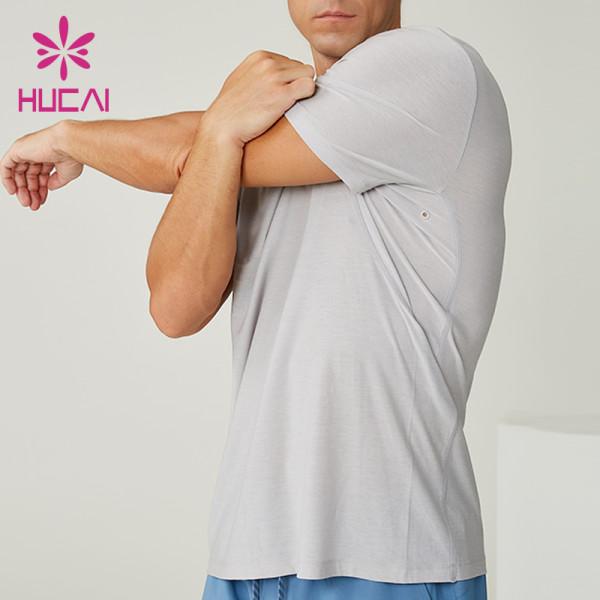
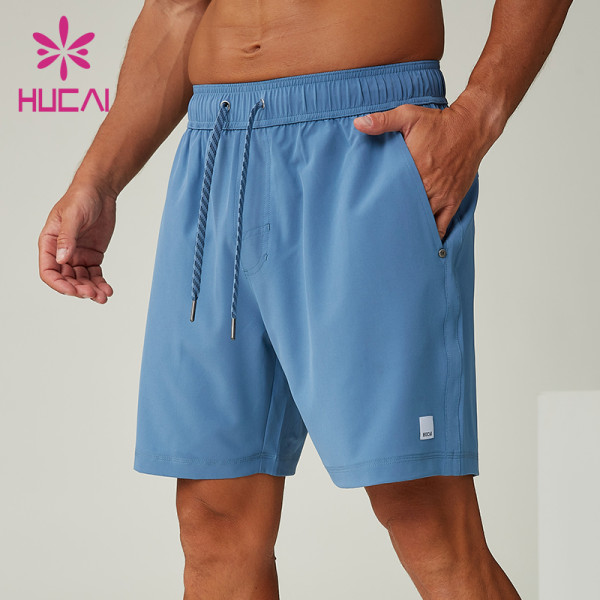
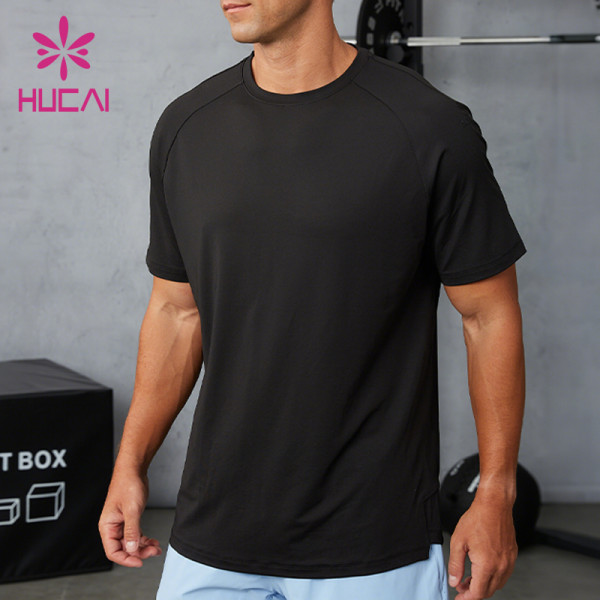
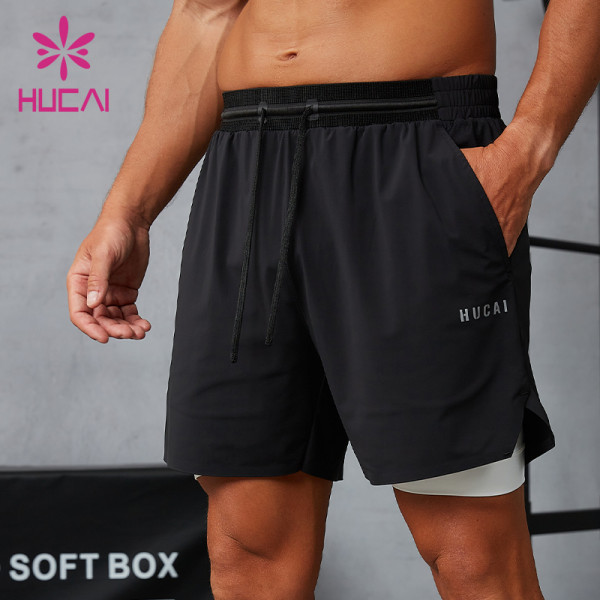
To achieve stable performance without heavy compression, many activewear fabrics now rely on engineered knit structures rather than extreme elasticity.
For example, nylon-spandex double knits and interlock constructions allow the fabric to stretch smoothly while maintaining dimensional stability. These structures distribute tension across the fabric rather than concentrating pressure in specific areas.
This approach enables men’s activewear garments to move naturally with the body while still maintaining structural consistency after repeated wear and washing.
In sportswear manufacturing, this shift means fabric structure has become more important than simple fiber composition.
A Hidden Manufacturing Challenge: Fit Consistency
One of the less visible consequences of low-compression design appears during production.
In compression garments, fabric tension can absorb small production variations. Minor differences in cutting precision or sewing tension often remain hidden because the garment is held tightly against the body.
In low-compression garments, those same variations become much more noticeable. Slight deviations in pattern cutting, sewing tension, or fabric shrinkage can affect how the garment sits on the body.
For a sportswear manufacturer, this means maintaining consistent sizing and fit becomes more technically demanding when producing low-compression men’s activewear. Stable fabric behavior, precise cutting, and controlled sewing processes all become more critical.
The evolution of men’s activewear reflects a broader shift in how performance apparel is designed. Instead of maximizing compression, many brands now focus on garments that balance mobility, comfort, and structural stability.
For sportswear manufacturing, this shift toward low-compression activewear introduces new challenges in fabric engineering and production control. The future of performance apparel may not depend on tighter garments, but on smarter materials and more precise manufacturing processes.
FAQ
What Is Low-Compression Activewear?
Low-compression activewear refers to performance garments that provide light support and stretch without applying strong pressure to muscles.
Why Are Some Athletes Moving Away From Compression Clothing?
Some athletes prefer greater mobility and comfort during training, which low-compression activewear can provide while still maintaining support.
Why Is Low-Compression Activewear Harder To Produce?
Without strong compression stabilizing the garment, sportswear manufacturers must rely on precise fabric engineering and production control to maintain fit consistency.
How to contact us
➡️ Contact HUCAI today for your custom outerwear solution and connect with a team committed to premium quality and authenticity.