The Hidden Cost of Custom Dye in Men's Activewear
In sportswear manufacturing , custom color often seems like a simple design choice—especially for brands working on women's activewear. But in reality, custom dyeing is one of the most complex and cost-sensitive parts of dealing with an OEM factory.
A lot of brands focus mainly on the visual result—getting the exact color they want—without realizing that dyeing comes with minimum order quantities, technical adjustments, and time-consuming processes.
👉 The outcome: costs that don’t show up upfront, but later surface during sampling, pricing, and production.
Minimum Dye Lot: The Real Starting Point of Cost
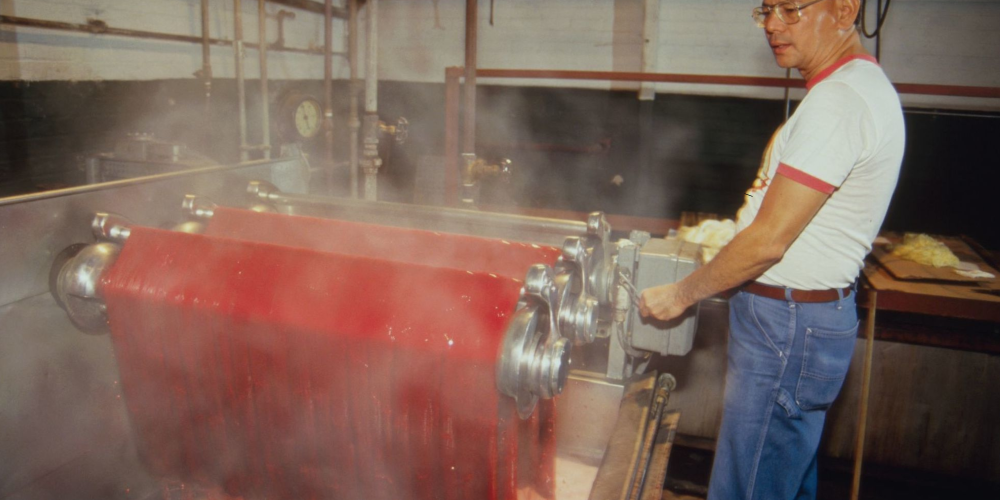
Fabric is not dyed per garment—it is dyed in batches.
Typical dye lot:
-around 100–300 kg per color
-Even if a brand only needs a small quantity, the dyeing process still runs at full scale.
👉 This means:
-unused fabric is still paid for
-cost per unit increases significantly
Small Orders Increase Cost Per Piece
Custom dye does not scale down easily.
When order volume is low:
-machine setup cost stays the same
-labor and energy cost remain fixed
👉 So instead of saving money, smaller orders often lead to:
higher cost per garment
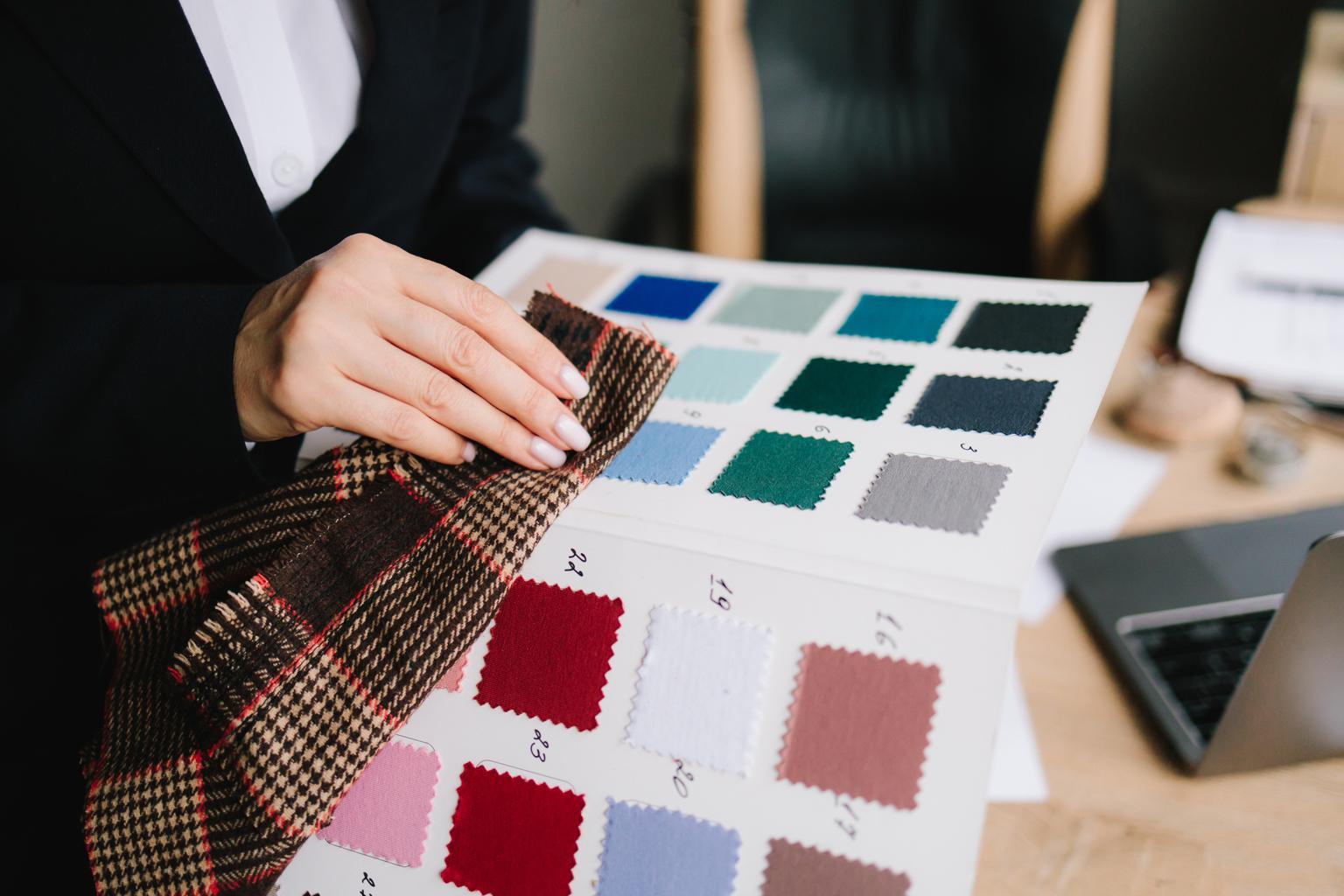
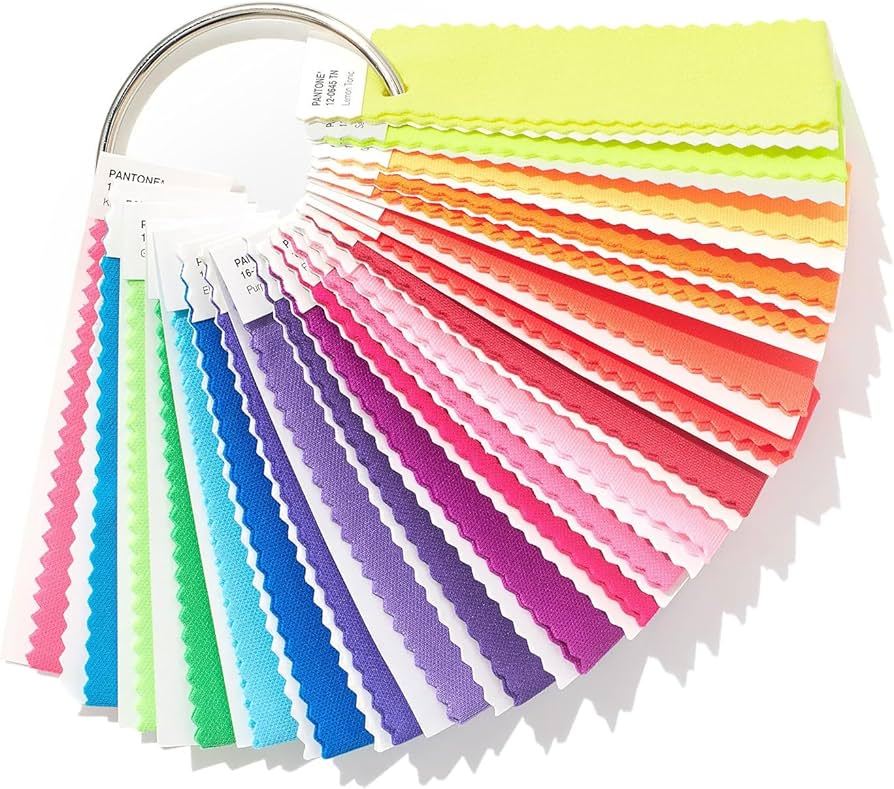
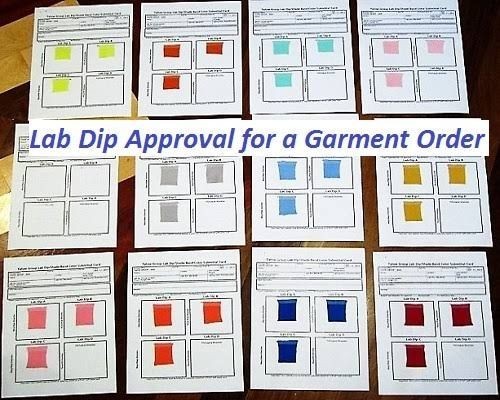
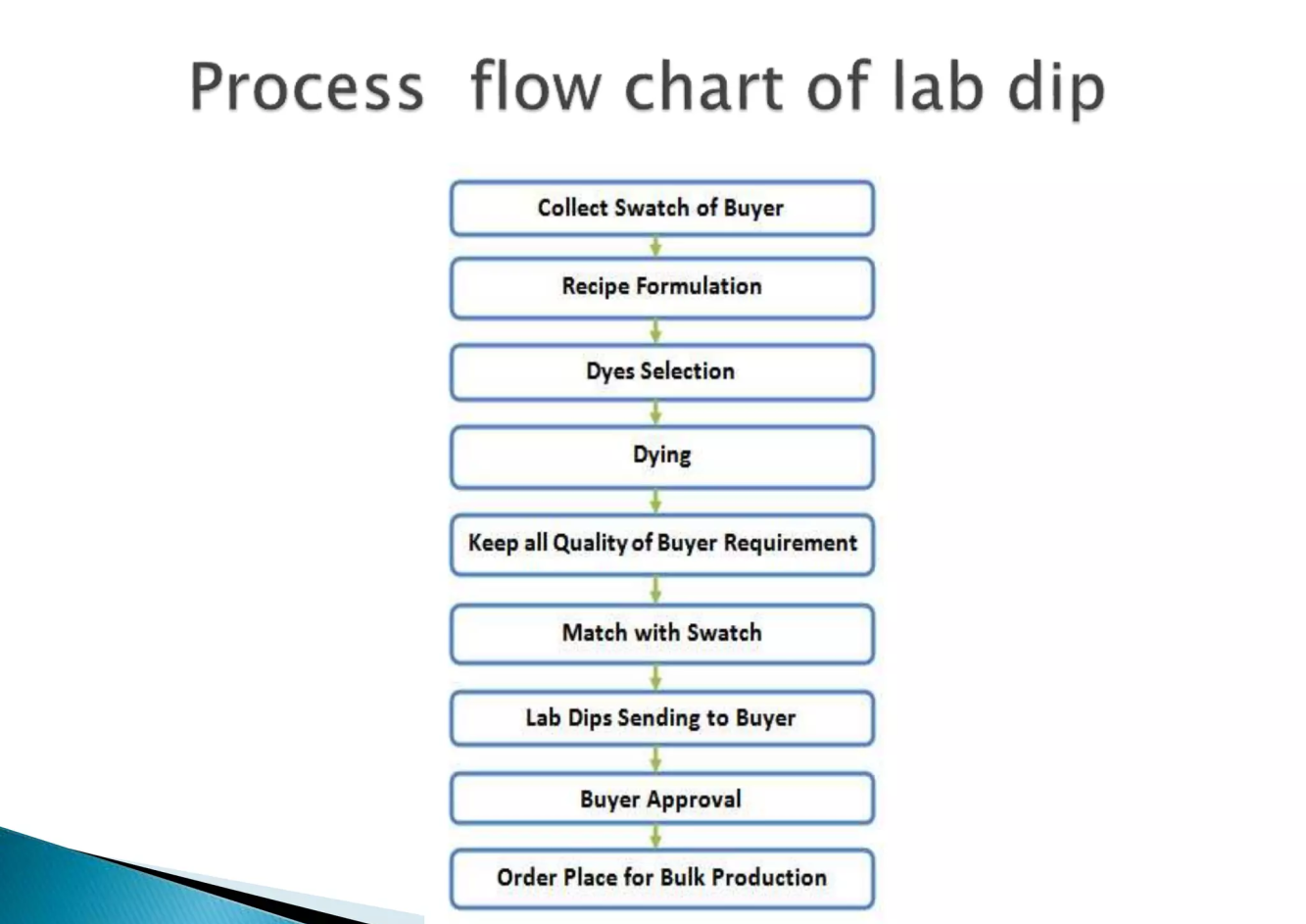
Repeated Sampling and Color Matching
Color rarely comes out perfect the first time.
Most projects require:
-lab dips
-color corrections
-multiple approvals
Each ad-justment adds:
-extra sampling cost
-additional development time
👉 These costs are rarely listed clearly, but they accumulate quickly.
Longer Lead Time Means Higher Risk
Custom dye typically adds:
7–15 days (or more) to production
This affects:
-product launch timing
-inventory planning
-cash flow
👉 In fast-moving markets, time delay is a real cost—even if it's not on the invoice.
Color Consistency Issues in Repeat Orders
One of the biggest risks in custom dye:
👉 color variation between batches
Especially when:
-reorders are small
-production is split across time
This can lead to:
-inconsistent products
-difficulty combining inventory
-increased return or rejection risk
Fabric Waste and Yield Loss
During dyeing:
-some fabric may not meet quality standards
-edges and defects reduce usable yield
👉 So while brands pay for total dyed fabric,
they don't always get 100% usable material.
Additional Testing and Quality Control
For higher-end women's sportswear , custom-dyed fabrics often require:
-colorfastness testing
-sweat resistance testing
-wash stability checks
Each step adds:
-time
-cost
-complexity
Custom dye is not just about achieving a specific color. It involves minimum production volumes, repeated adjustments, longer timelines, and potential risks in consistency and waste.
👉 The hidden cost comes from everything around the color—not just the dye itself.
For many brands, especially in early stages, understanding these factors can make the difference between a smooth product launch and an expensive learning process.
Why is custom dye more expensive than stock fabric?
Because it requires minimum dye lot production, additional processing, and repeated sampling, which increase overall cost.
Does custom dye affect MOQ in sportswear manufacturing?
Yes. Custom dye often increases MOQ due to minimum batch requirements in fabric dyeing.
When should brands avoid custom dye?
In early-stage development or small orders, it is often better to use stock fabric to reduce cost and risk.
How to contact us
➡️ Contact HUCAI today for your custom outerwear solution and connect with a team committed to premium quality and authenticity.