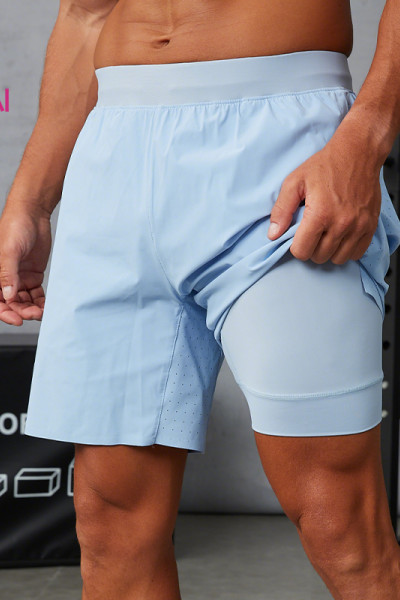
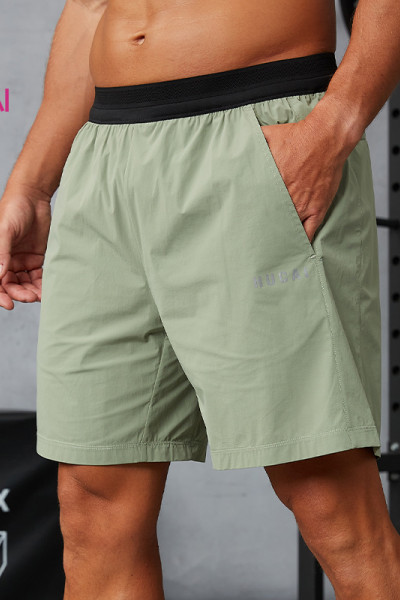
Second-Skin Fabric in Sportswear Manufacturing

Across the performance apparel market, more men's activewear products are being described with phrases such as “second-skin feel” or “barely-there comfort.” The idea is simple: clothing that moves so naturally with the body that it feels almost invisible during training.
This design direction has become increasingly visible in modern sportswear manufacturing, where comfort is no longer only about softness but about reducing friction, pressure, and restriction during movement.
Where Second-Skin Fabric Appears in Today’s Activewear
Several well-known brands have built entire product lines around second-skin fabric concepts.
Lululemon promotes its “Nulu™ fabric” in products such as Align leggings and lightweight training tops, emphasizing a “naked sensation” and extremely soft hand feel.
Alo Yoga markets its Airbrush and Alosoft collections with descriptions like “buttery-soft performance fabric.”
Vuori highlights ultra-soft knit structures in products such as the Strato Tech Tee, which is designed to feel light and natural on the skin.
Even technical brands like On Running are introducing softer performance knits in training apparel, reflecting a broader shift across the activewear industry toward comfort-focused materials.
These examples show that second-skin design is no longer limited to yoga wear; it is becoming a broader trend in both men’s and women’s performance apparel.
Consumer Demand Is Driving the Trend
Consumer behavior strongly supports this shift. According to data from McKinsey’s Sporting Goods Industry Report, more than 60% of consumers purchasing performance apparel now prioritize comfort and everyday wearability over pure athletic performance.
At the same time, the global athleisure market continues to expand, with reports estimating that it will exceed $350 billion by the early 2030s. Many consumers no longer buy activewear solely for workouts. Instead, they expect garments to function across multiple contexts, including travel, commuting, and casual daily wear.
This change in consumer expectations has pushed sportswear manufacturers to prioritize fabrics that feel softer, lighter, and more adaptable to everyday use.
What Defines a Second-Skin Activewear Fabric
Second-skin sportswear fabrics rely on a combination of yarn technology and knit engineering.
Most fabrics used in this category are based on nylon-spandex microfiber yarns, which produce a smooth surface and flexible stretch. Nylon provides softness and durability, while spandex allows the fabric to adapt to body movement.
Typical structural parameters include:
Fabric Feature | Typical Range in Second-Skin Activewear |
| Yarn type | Microfiber nylon (20–40 denier) |
| Spandex content | 15–25% |
| Fabric weight | 150–220 GSM |
Fabric density | High-gauge knit (28–36 gauge) |
Stretch ratio | 30–50% |
These parameters allow the fabric to remain lightweight while still maintaining elasticity and shape stability during training.
The Comfort–Durability Challenge
While second-skin fabrics feel exceptionally soft, their construction introduces durability challenges. Because the yarns are finer and the knit structure is lighter, the fabric may be more vulnerable to abrasion or surface wear if not engineered carefully.
This is why modern sportswear manufacturing increasingly focuses on balancing softness with structural stability. Fabric developers must ensure that garments remain comfortable while still surviving repeated washing, stretching, and friction during exercise.
Manufacturing Solutions Behind Second-Skin Fabrics
Engineered Knit Structures
Many second-skin fabrics rely on interlock or double-knit constructions. These knit structures distribute tension evenly across the fabric surface, which helps maintain shape even when the fabric is stretched repeatedly.
From a manufacturer's perspective, interlock knitting stabilizes lightweight fabrics by linking loops from two knitting layers together. This reduces fabric distortion during cutting and improves seam stability during sewing.
Microfiber Yarn Technology
Another important factor is the use of microfiber yarns, which contain finer filaments than traditional synthetic fibers. These yarns create a smoother fabric surface and reduce friction against the skin.
For sportswear manufacturers, microfiber yarns require more precise knitting control because the finer filaments are more sensitive to tension variation. However, when engineered correctly, they produce fabrics that combine softness with strong recovery performance.
Performance Finishing
Finishing processes such as anti-pilling treatments or abrasion-resistant coatings help extend the lifespan of soft fabrics.
From a manufacturing standpoint, finishing improves durability without increasing fabric weight. This allows second-skin fabrics to maintain their lightweight feel while still meeting performance requirements in activewear production.
Why Production Experience Still Matters
Second-skin fabrics are significantly more sensitive during production than heavier performance fabrics. Their softness and stretch make them more difficult to control during cutting and sewing.
A production manager at HUCAI once described a case where a batch of ultra-soft training tops initially showed inconsistent sizing. The fabric behaved differently during cutting because it relaxed slightly after spreading. After adjusting the fabric relaxation time and sewing tension parameters, the production line was able to stabilize the sizing across the entire order.
This example illustrates why experience matters in sportswear manufacturing. When dealing with highly elastic fabrics, small adjustments in handling procedures can have a major impact on the final garment.
Second-skin fabrics represent a significant shift in modern activewear design. Instead of focusing solely on durability or compression, brands now emphasize natural movement and skin-level comfort.
For sportswear manufacturers , this trend requires deeper expertise in fabric engineering, yarn technology, and production control. As activewear continues to evolve, the next generation of performance garments will likely be defined not only by their strength, but by how intelligently their materials are engineered.
FAQ
What Is Second-Skin Fabric In Activewear?
Second-skin fabric refers to lightweight, highly flexible materials designed to feel smooth and natural against the skin while allowing full movement.
Why Are Brands Using Second-Skin Fabrics In Activewear?
Consumer demand for comfort and everyday wearability has increased, encouraging brands to develop softer fabrics that still perform during training.
Are Second-Skin Fabrics Durable Enough For Sportswear?
Yes, when engineered correctly. Modern sportswear manufacturers combine knit structure, microfiber yarns, and finishing processes to balance comfort with durability.
How to contact us
➡️ Contact HUCAI today for your custom outerwear solution and connect with a team committed to premium quality and authenticity.