Why Sportswear Manufacturers Use Nylon in Men’s Sportswear
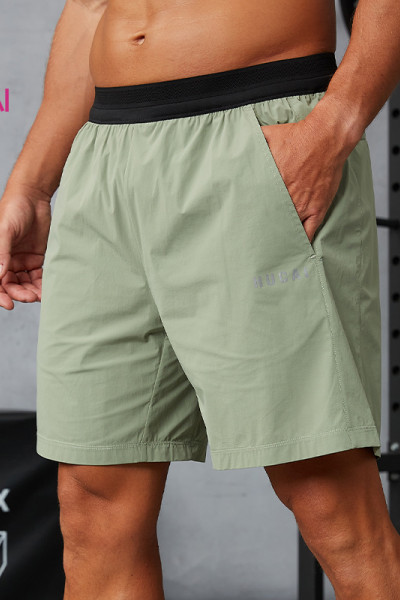
Nylon is widely used in men’s sportswear for its balance of performance, comfort, and durability. From high-intensity training to long-term wear, nylon fabrics support stable fit, reduced friction, and consistent production results. Below are three key reasons why nylon remains a preferred material in men’s sportswear development.
Performance Stability
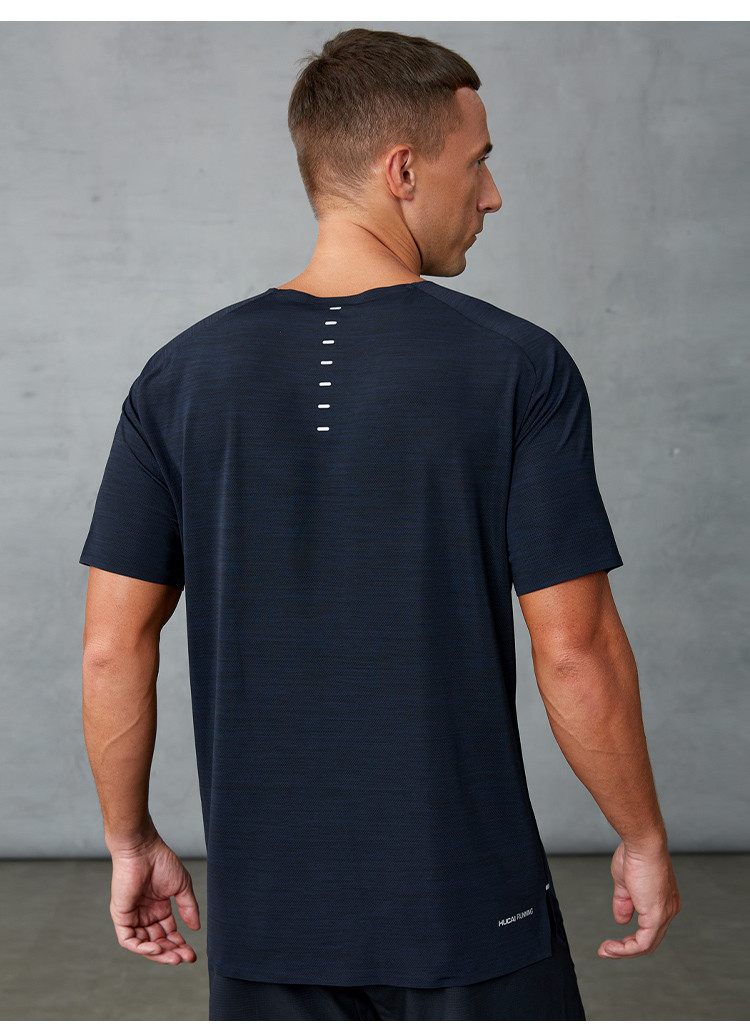
In men’s sportswear, nylon is often chosen for one simple reason: stability under stress. During high-intensity training, garments are exposed to repeated stretching, twisting, and sudden changes in movement. Fabrics that lose recovery or soften too quickly can affect fit and comfort within a single session.
Nylon fibers maintain tensile strength and elasticity more consistently under these conditions. This allows men’s sportswear to keep its original shape during workouts such as weight training, HIIT, or functional training. Instead of feeling looser over time, the garment remains supportive, which directly improves training focus and wearing confidence.
Comfort and Friction Control
Comfort in men’s sportswear is not only about softness, but also about friction control. Male training apparel often experiences concentrated contact around the shoulders, underarms, and upper back—areas where irritation builds quickly during longer sessions.
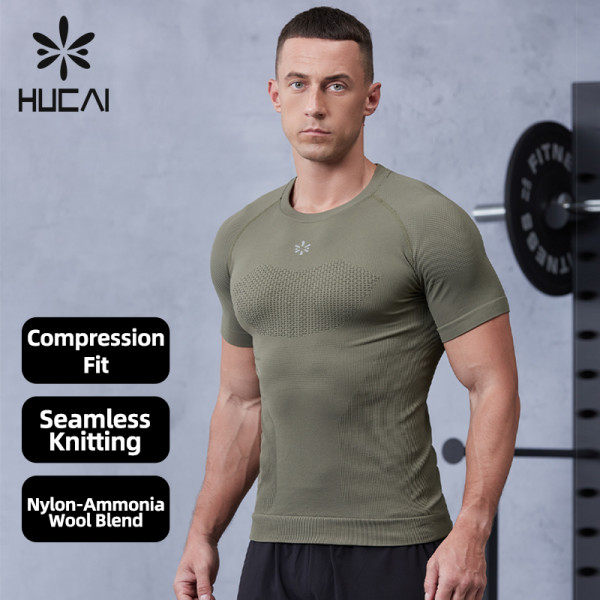
Nylon’s finer filament structure creates a smoother surface, reducing friction against the skin. In practical use, this means fewer distractions during movement and less discomfort during extended training. This advantage becomes especially noticeable in sleeveless tops, fitted training T-shirts, and compression-style garments, where fabric-to-skin contact is constant.
For men who train frequently, this smoother feel translates into better wear tolerance and a more consistent training experience.
Durability and Consistency
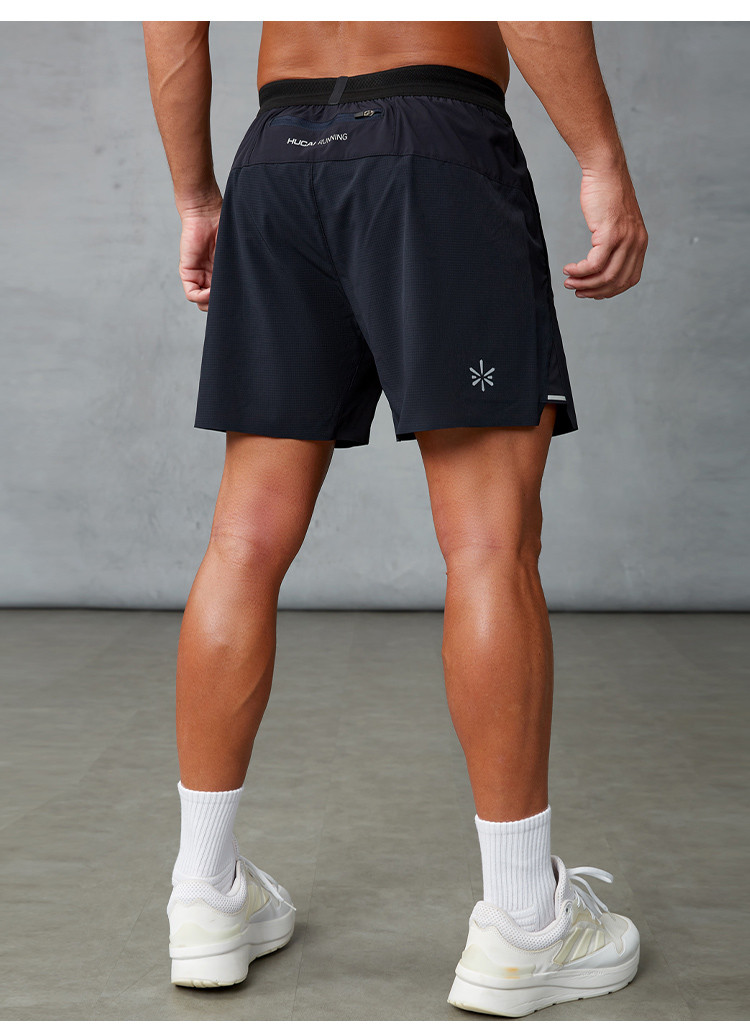
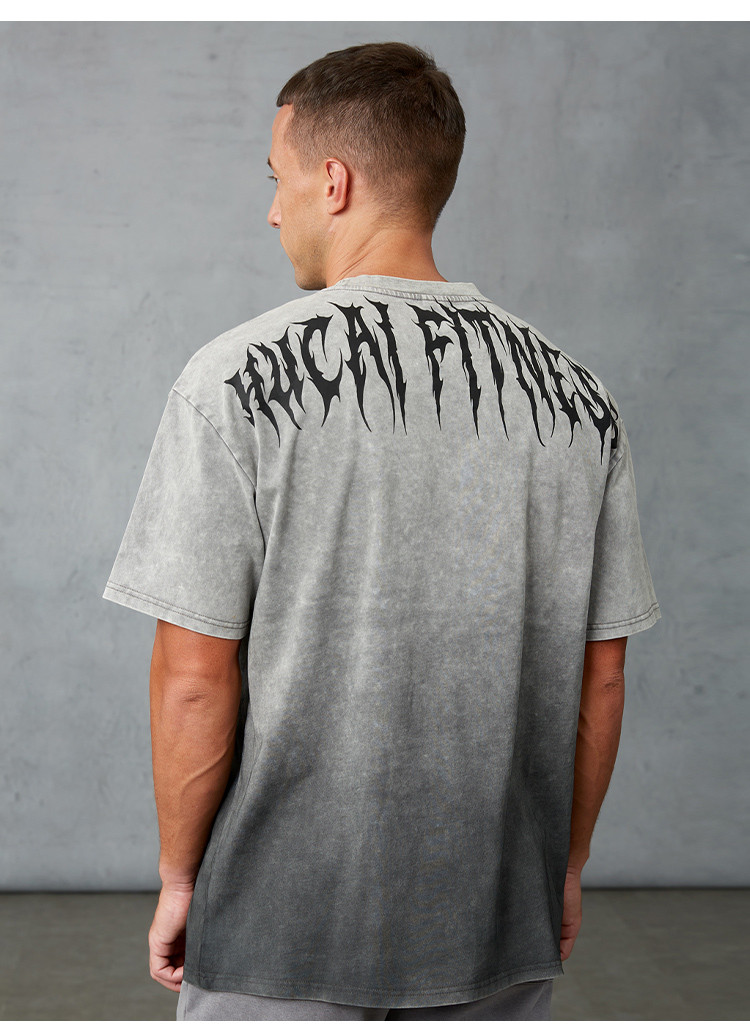
Durability is a key expectation in men’s sportswear. Compared with casual apparel, training garments are washed more often and used more aggressively. Fabrics that degrade quickly can lead to shape loss, surface damage, or inconsistent fit across reorders.
From a manufacturing perspective, nylon offers better resistance to abrasion and fatigue. More importantly, it provides greater consistency during repeated production runs. When a fabric behaves predictably in cutting, sewing, and recovery, men’s sportswear maintains similar performance from the first order to future reorders.
For brands, this consistency reduces quality risk and supports long-term product planning, especially for core training styles intended to stay in the collection across multiple seasons.
Welcome
Welcome to our blog, where we share practical insights into sportswear materials, product development, and manufacturing decisions. Here, we focus on explaining why certain fabrics, structures, and processes are used in real sportswear production—helping brands better understand performance, durability, and long-term consistency.
To learn more about our manufacturing approach and product capabilities, you can also visit