Building Your Next-Year Product Map: A Manufacturer's Guide for High-End Activewear Brands
For mature activewear brands in Europe and North America, a strong next-year product map is essential for guiding design direction, SKU investment, purchasing decisions, and OEM development timelines. A product map aligns commercial goals with assortment structure, ensuring a stable foundation of core products while allowing strategic space for innovation and seasonal newness. Manufacturers with strong development systems can support brands in building well-balanced, margin-focused, and scalable product frameworks.
1. Start With Category Priorities and Product Roles
A clear product map begins with defining category priorities and understanding each item's commercial role. Most high-end yoga, fitness, and athleisure brands divide their assortment into three functional product roles:
1.1 Core Essentials
Products that sell year-round and anchor revenue—high-rise leggings, longline bras, rib tanks, and basic training shorts. These require consistent fabric quality, reliable fit, and seasonal color updates.
1.2 Seasonal Upgrades
Products that elevate the assortment through new textures, refined fits, or improved performance fabrics. Examples include brushed leggings, ribbed yoga tops, lightweight running layers, or improved compression tights.
1.3 Innovation & Newness Drivers
These products carry the identity of the next-year narrative—hybrid outdoor silhouettes, new soft-performance knits, sculpted studio tops, bootcut training pants, or fashion-forward lifestyle layers.
A strong product map distributes investment across these three “roles,” preventing the assortment from being overly basic or overly trend-driven.
2. Build a Balanced SKU Structure Across Key Categories
Next, brands must structure the breadth and depth of SKUs per major category. For most premium men's activewear brands, the following categories form the foundation of the annual product map:
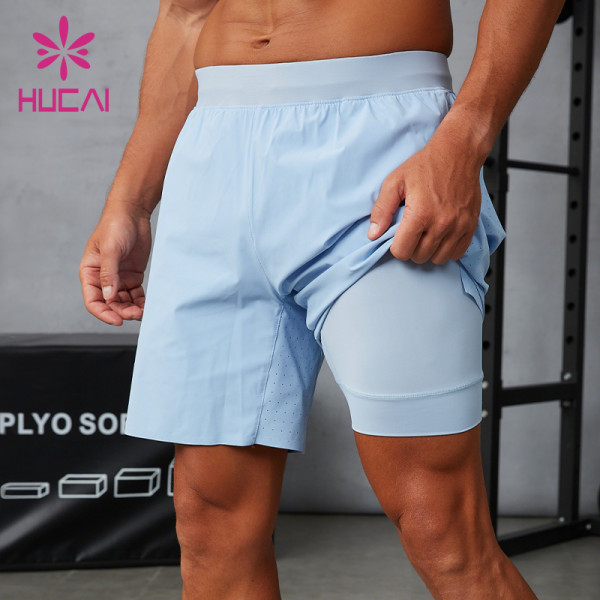
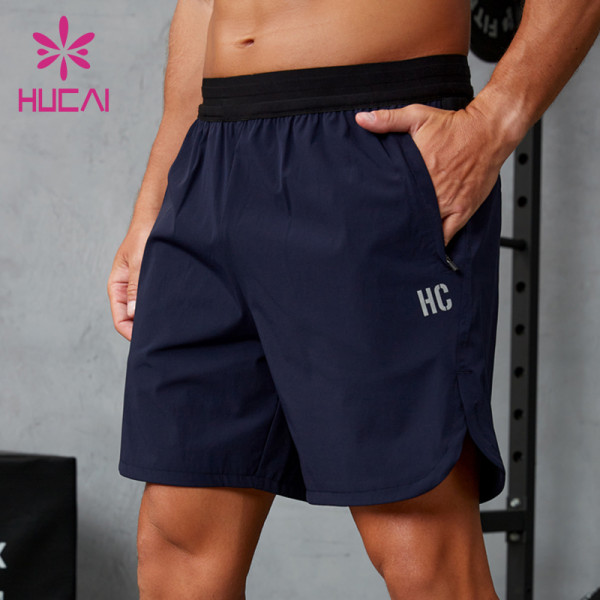
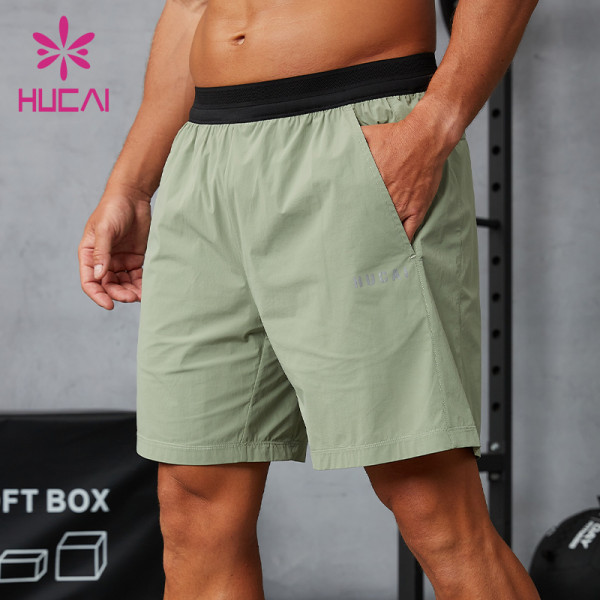
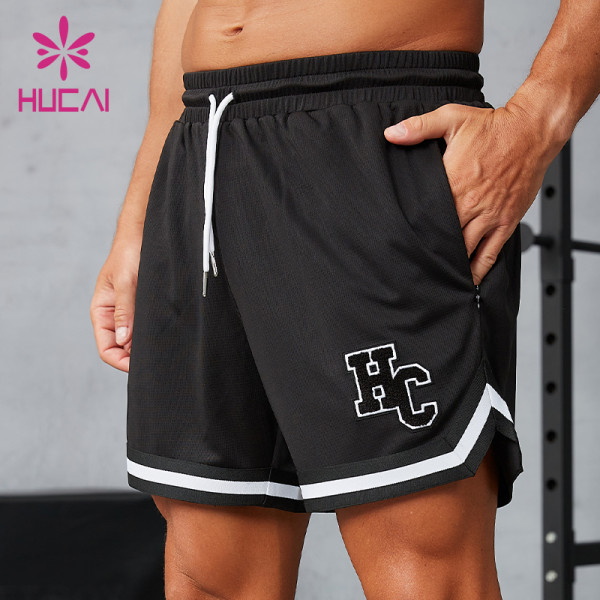
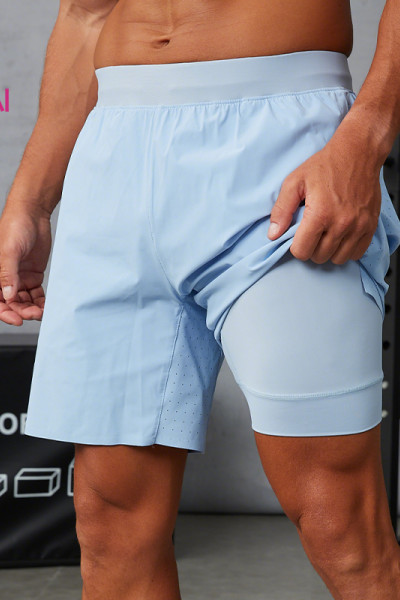
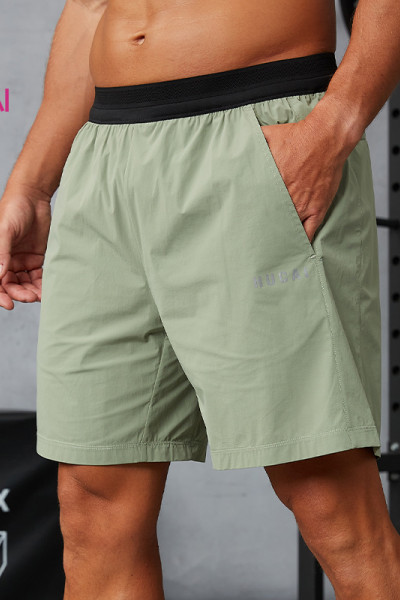
2.1 Training Shorts & Bottoms
(core training shorts, running shorts, compression shorts, joggers, tapered pants)
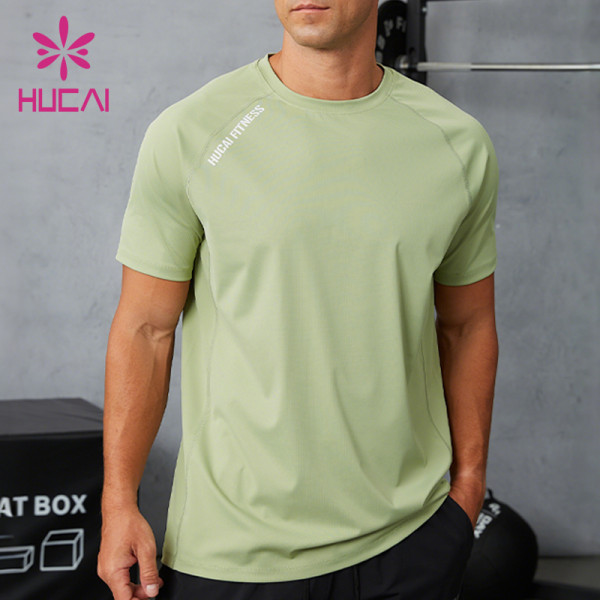
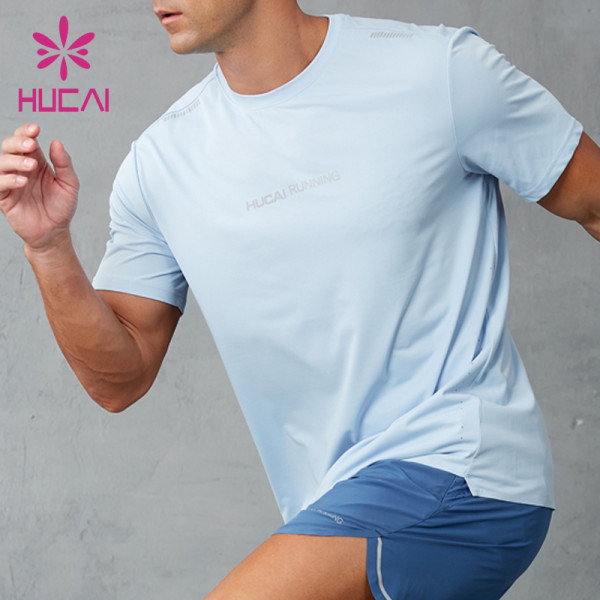
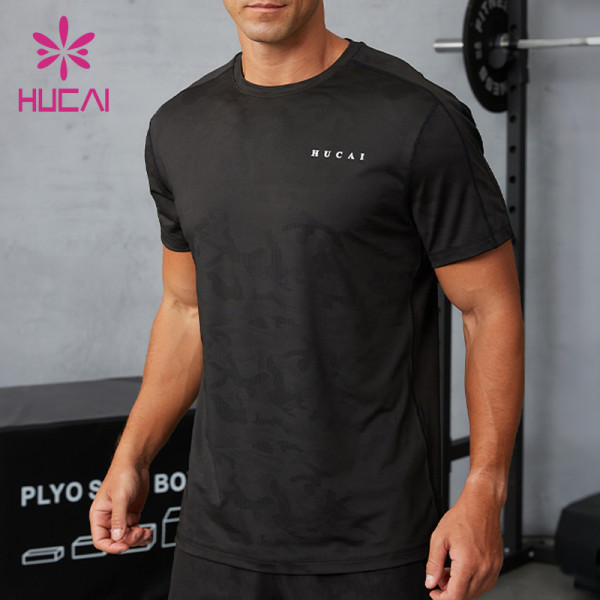
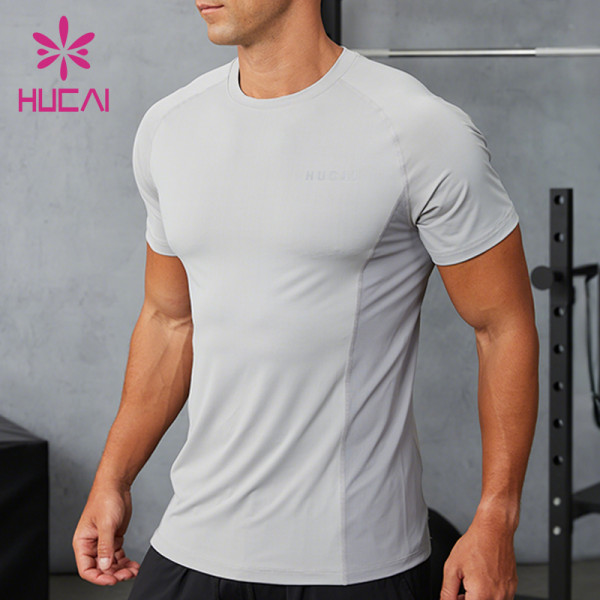
2.2 Performance T-Shirts & Tanks
(technical tees, sleeveless training tanks, moisture-wicking fabrics, athletic fits)
2.3 Long-Sleeve Tops & Base Layers
(lightweight long sleeves, mesh-zoned performance tops, seasonal base layers)
2.4 Outerwear & Training Layers
(lightweight jackets, zip-up hoodies, warm-up layers, transitional outer pieces)
Each category requires a defined SKU count, aligned with merchandising strategy, MOQ planning, and seasonal product distribution.
3. Choose Hero Fabrics to Anchor the Whole Product Map
A well-designed product map relies on hero fabrics to keep the collection cohesive and simplify OEM coordination. For most premium men's activewear brands, fabric planning typically includes:
3.1 One core training fabric
(durable, breathable knit for T-shirts and shorts)
3.2 One compression or stretch performance base
(used for compression shorts, fitted tops, and base layers)
3.3 One lifestyle or comfort fabric
(soft-touch knits or structured fleece for joggers and casual layers)
3.1 One seasonal or functional specialty fabric
(lightweight woven, brushed winter fabric, or weather-resistant material)
Selecting these fabrics early enables efficient lab dips, color mapping, cost estimation, and smoother sampling preparation across categories.
4. Plan Color Depth, Capsule Themes & Seasonal Drops
Color is not only an aesthetic decision—it defines SKU efficiency and materials planning.
A next-year product map should include:
-Core neutrals that stabilize sell-through.
-Brand colors that carry year-round identity.
-Capsule-based limited colors for storytelling.
By locking color strategy before sampling, brands give manufacturers enough time for dyeing, testing, and MOQ management.
5. Design Tiered Development Cycles to Manage Workload
Leading activewear brands no longer develop all SKUs at the same time. Instead, they build “tiered development cycles” for efficiency:
5.1 Tier 1 – Core & carryover styles
Minimal redesign; early sampling allowed.
5.2 Tier 2 – Upgraded styles
Fabric or fit improvements; sampling scheduled after Tier 1.
5.3 Tier 3 – Newness & innovative silhouettes
Require more fittings, testing, and multiple iterations.
Staggered development helps manufacturers plan capacity and ensures complex items receive proper attention.
6. Work Backward From Production Lead Times
A reliable product map must be grounded in manufacturing realities, which is why leading brands always plan backward from final delivery dates. This ensures every critical step—fabric booking, dyeing, lab dips, performance testing, fit rounds, trim approval, PP sample validation, and bulk slot reservations—fits into a feasible development window. Anchoring each category to true factory lead times prevents last‑minute congestion and reduces production risk. Early alignment with the manufacturer also helps secure capacity, stabilize timelines, and maintain quality consistency across the entire assortment.
7. Validate Your Product Map With Sell-Through Logic
Before finalizing the product map, brands should evaluate its commercial strength through historical sell-through data, category-level GMV performance, margin expectations, and consumer feedback. This validation ensures the assortment is grounded in business reality rather than purely design ambition. Understanding which silhouettes consistently succeed—and identifying growth opportunities—helps refine SKU allocation and ensures development resources are invested where they drive the highest strategic return.
A well-structured product map provides clarity, efficiency, and commercial focus for next-year development. By defining product roles, anchoring the assortment with hero fabrics, planning SKU depth, aligning sampling cycles, and validating decisions through sell-through logic, brands can enter 2026 with a more strategic and scalable product framework. With strong OEM collaboration, this blueprint becomes directly actionable, transforming planning into efficient development and stable bulk execution.
Need help building your 2026 product map? HUCAI offers strategic assortment planning, hero fabric development, and full OEM/ODM support for high-end activewear brands.
Welcome to consult us anytime: https://www.hcactivewear.com.